Ever spent hours setting up a shoot only to realize your footage looks dull, flat, or overly harsh? I used to think that good lighting was just about having the brightest bulbs or the coolest gadgets. But then I hit a wall—my videos lacked depth, warmth, and that professional polish. It was frustrating because I knew the secret wasn’t in the equipment alone but how I used it. That was my lightbulb moment: understanding the art of fill lights and RGB tube lights can transform your content from amateur to pro in ways I never imagined.
Why Getting Lighting Right Matters More Than Ever in 2024
In 2024, the competition for viewers’ attention is fiercer than ever. With the rise of short-form videos, live streaming, and content creators everywhere, standing out hinges on visual quality. Proper lighting isn’t just about aesthetics; it’s about storytelling, mood, and clarity. When I first started experimenting with RGB tube lights, I underestimated their versatility. I thought they were just colorful toys—until I discovered their potential for creating dynamic scenes, mood shifts, and even subtle skin tones. According to a recent study, good lighting increases viewer engagement by up to 50%. That’s not just a statistic; it’s the reality of what professional lighting can do for your channel or brand.
Have you ever faced a shoot where your subject looked washed out or your background was too dark? If so, you’re not alone. I’ve been there, too. Early on, I made a crucial mistake—assuming that more light was always better. That led to harsh shadows and unnatural colors. Over time, I learned that strategic fill lighting and RGB tube lights could balance my shots, add depth, and make everything pop without overexposing my scene. This guide isn’t just theory; it’s built on my real-world experiments and failures.
Is All This Tech Really Necessary, or Just a Fad?
Here’s the truth—lighting tools can seem overwhelming at first. I remember feeling skeptical about investing in RGB lights when I first heard they could do everything from simulating sunset hues to creating vibrant party atmospheres. Turns out, the right lights are more than gimmicks—they’re essential for creating professional, eye-catching content. Just as I once struggled with inconsistent lighting setups, I now swear by specific techniques that maximize my equipment’s potential. If you’re wondering whether all this gear is worth it, I encourage you to start with the basics and build your arsenal over time. Trust me, the difference is night and day. Want to see some practical tips? Check out my guide on [best softbox and LED panel light tips for creators in 2024](https://lights.creatorrigreviews.com/best-softbox-and-led-panel-light-tips-for-creators-in-2024).
So, if you’ve faced similar frustrations—bland footage, dull colors, or uneven lighting—know that you’re not alone, and there’s a path forward. In the sections ahead, I’ll share proven strategies to master your fill lighting and RGB tube lights, turning your visual storytelling into a true standout. Ready to elevate your content? Let’s dive in.
,
Position Your Fill Lights Strategically
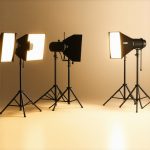
Start by placing your fill light at a 45-degree angle from your subject, slightly below eye level. This setup reduces harsh shadows and softens facial features, creating a natural look. I once shot a interview where I initially placed the fill light too close, resulting in a flat appearance. After adjusting it farther back and angling it correctly, the difference was night and day. For detailed placement tips, check out my guide on best fill light techniques with RGB tube softbox lighting.
Adjust Brightness for Balance
Set your fill light’s brightness to about 30-50% of your key light. This ratio preserves depth and dimension, preventing your scene from looking washed out. During my first shoot, I overpowered my fill light, making everything look unnatural. Gradually lowering the intensity helped me achieve a balanced, professional look. Use your camera’s histogram to monitor exposure and avoid overexposure. For more nuanced control, experiment with dimming options or diffusion accessories like softboxes.
Harness the Power of RGB Tube Lights
RGB tube lights are incredibly versatile, but mastering their use requires understanding color blending and scene mood. I once used a single RGB tube to mimic sunset hues for a travel vlog, which added warmth and vibrancy. To get started, position the RGB tube slightly off to the side of your subject, at eye level or slightly above, to create a flattering glow. For dynamic scenes, rotate through color modes to simulate different times of day or environments.
Experiment with different effects by combining static colors with slow fades or strobe effects, especially during live streams or creative shoots. For layered lighting setups, consider integrating RGB tubes with your key lights and softboxes. To explore specific effects, visit creative uses for RGB tube lights.
Control Your RGB Lights Seamlessly
Use a dedicated app or remote control to adjust color, brightness, and effects in real time. In my experience, having quick access to these controls during shoots saves time and keeps my scenes lively. Always test your lighting before recording, ensuring the colors look natural or match your desired mood. If you’re working in a studio, consider mounting your RGB tubes on adjustable stands or ceiling rigs for flexible positioning. For inspiration and detailed tips, visit ultimate guide to RGB tube LED panel lights.
Refine Your Setup with Additional Lighting Tips
Fine-tuning your lighting setup involves balancing all elements for a cohesive look. Start by reviewing your footage on a calibrated monitor, adjusting the intensity and color of your fill and RGB lights accordingly. During my early experiments, I noticed slight color mismatches and shadows that distracted viewers. Small tweaks, like adding diffusion to your fill light or adjusting RGB color temperature, can make a significant difference. For detailed guidance, see softbox and fill light techniques.
Practice Makes Perfect
Consistency comes with practice. Set up your lights in different configurations, record test footage, and critique the results. Over time, you’ll develop an instinct for what works best for your unique style. Remember, lighting isn’t just about brightness; it’s about creating mood, depth, and visual interest. Keep experimenting and refining your setup, and you’ll see your content elevate to professional standards.
One of the most frequent pitfalls I see among content creators is the misconception that brighter lights always produce better results. This oversimplification can lead to overexposed scenes, harsh shadows, and unnatural skin tones. In reality, mastering lighting involves understanding the delicate balance of light intensity, color temperature, and placement. For example, many beginners assume that RGB tube lights are just for fun and vibrant effects, but their true power lies in nuanced control over scene mood and depth when used strategically. To really elevate your lighting game, check out my detailed guide on RGB tube light effects and creative uses.
Why Do Many Fail to Achieve a Natural Look with Fill Lights?
The answer often boils down to improper positioning and brightness settings. Many creators set their fill lights too close or at too high a intensity, which flattens the scene and diminishes depth. Instead, placing your fill light at a 45-degree angle from your subject, slightly below eye level, and setting it to 30-50% of your key light’s brightness creates a more natural, three-dimensional appearance. This is a subtle art that takes practice, but it makes a huge difference. For advanced techniques, explore my article on filling light secrets for natural-looking results.
How Can Overlooking Color Balance Sabotage Your Shots?
Many creators underestimate the importance of color temperature matching across all lights. Using RGB tubes or softboxes with mismatched white balance results in scenes that look off—either too cold or too warm. This inconsistency distracts viewers and diminishes professionalism. The key is to calibrate your RGB lights to match your ambient light or your camera’s white balance setting. Small adjustments can be made in your lighting app or via physical filters. This nuance often separates amateur shots from those that feel polished and intentional. For more on refining color, see my guide on LED panel innovations for color accuracy.
Have you ever fallen into this trap? Let me know in the comments. Remember, mastering lighting isn’t about more gear or brighter lights—it’s about understanding these subtle details that make your videos stand out. Keep experimenting, and you’ll see your content evolve from decent to professional overnight.
Investing in quality lighting gear is just the beginning; maintaining your equipment ensures it performs optimally over time. I’ve learned that regular upkeep not only extends the lifespan of my lights but also saves me money in the long run. Whether it’s RGB tube lights or softboxes, knowing how to care for your gear is crucial. I personally rely on a few key tools and routines that keep my setup running smoothly, and I recommend them to anyone serious about professional-quality content creation.
First, always keep a microfiber cloth handy. Dust and fingerprints can diminish light output and affect color accuracy. I make it a habit to wipe down my RGB tubes and softboxes after every shoot. For stubborn smudges, a little isopropyl alcohol diluted with water works wonders, but be gentle to avoid damaging delicate surfaces. This simple step maintains clarity and prevents buildup that can cause overheating or uneven light distribution.
Second, invest in a good set of cleaning brushes and compressed air. These are perfect for clearing out vents, fan grills, and internal components of your LED panels or RGB tube fixtures. Over time, dust can accumulate inside, leading to overheating or fan failure. I use a small, soft brush for delicate parts and compressed air to blow out any debris without risking damage. Regular cleaning reduces the risk of component failure and keeps your lights operating at peak efficiency.
Third, have a multimeter on hand. This might sound technical, but it’s invaluable for troubleshooting power issues or verifying voltage levels. I use a multimeter to check power supplies and ensure my fixtures are getting consistent voltage. Reliable power is essential for color stability and longevity. If you notice flickering or color shifts, testing with a multimeter can pinpoint the problem before it becomes costly repairs. For detailed tutorials, check out this guide on maintaining your lighting equipment.
Additionally, keep a set of spare cables, connectors, and mounting hardware. Breakage or wear is inevitable, especially with frequent setup and teardown. Having backups ready means you won’t lose valuable shooting time. I also label my cables with heat-shrink tubing for quick identification, which speeds up my workflow during busy shoots.
Looking ahead, I believe the trend toward smarter, IoT-enabled lighting will make maintenance even more accessible. Future fixtures might monitor their own performance and notify you when service is needed, reducing downtime and guesswork. Until then, sticking to a routine with these tools will keep your gear in top shape.
How do I maintain my lighting setup over time?
Consistent cleaning, careful handling, and periodic checks are key. Schedule monthly inspections to clean dust, verify connections, and test power supplies. Keep your software and firmware updated if your lights have digital controls, ensuring compatibility and security. Regularly reviewing your setup’s performance helps catch issues early, saving money and preventing frustration. Remember, well-maintained gear not only lasts longer but also produces better results, which is why I highly recommend establishing a maintenance routine that fits your workflow.
Try incorporating a quick weekly check of your equipment, and you’ll notice fewer surprises during critical shoots. Proper care might seem tedious, but the payoff is professional, consistent lighting that elevates your content every time. Want more detailed tips? Visit my comprehensive guide to LED panel maintenance.
After countless shoots and experiments, I’ve learned that the real magic of professional-looking videos isn’t just in the gear—it’s in how you wield your lighting tools, especially fill lights and RGB tube lights. These seemingly simple elements can make or break the mood, depth, and clarity of your scenes. My biggest revelation? Small tweaks in placement, color, and intensity can elevate your content from amateurish to cinematic. Embracing this knowledge has transformed my workflow, and I believe it can do the same for you.
The Hidden Lessons That Changed My Approach to Lighting
- More isn’t always better: I used to crank up my lights, thinking brightness equaled quality. Turns out, strategic placement and moderation create natural, flattering results. This guide on fill light techniques helped me understand the delicate balance needed for a natural look.
- Color matters more than you think: RGB tube lights offer incredible versatility, but only if you match their colors to your scene’s mood and ambient light. Proper calibration can make your skin tones pop or your backgrounds glow with vibrancy. I learned this the hard way—mismatched colors can instantly ruin a shot.
- Every scene requires a tailored setup: No two shoots are the same. What worked for my travel vlogs didn’t suit my product reviews. Customizing your lighting setup constantly pushes your content to the next level.
My Top Picks for Creating Stunning Visuals in 2024
- Softbox and LED panels: For consistent key lighting, I trust this resource on softbox setups. They’re reliable and easy to use.
- RGB tube lights: My favorite for creative effects is detailed in this comprehensive guide. It covers everything from color blending to scene mood.
- Color calibration tools: Achieving perfect white balance is crucial. I use a simple color meter to ensure my RGB lights and ambient light harmonize, preventing jarring color shifts.
- Cleaning and maintenance gear: Dust and fingerprints diminish light quality. Regular cleaning routines, like microfiber cloths and compressed air, keep my equipment at peak performance.
Your Next Step to Lighting Success
Lighting mastery isn’t about having the latest gadgets; it’s about understanding how to use what you already have to craft compelling visuals. Every shoot is an opportunity to experiment and learn. Remember, small adjustments often yield the biggest improvements. So, don’t be afraid to tweak your fill and RGB lights, try new configurations, and refine your approach continuously. Your audience will notice the difference—and so will you.
What’s the one lighting challenge you’re currently facing? Share your experience below, and let’s grow together as creators!
,
![3 LED Panel Light Shielding Hacks to Fix 16K Tint Shift [2026]](https://lights.creatorrigreviews.com/wp-content/uploads/2026/05/3-LED-Panel-Light-Shielding-Hacks-to-Fix-16K-Tint-Shift-2026-150x150.jpeg)
4 responses to “Ultimate Guide to Fill Light & RGB Tube Lights for Creators in 2024”
I really appreciate how this guide emphasizes not just having the right equipment but understanding how to use it effectively. It’s easy to get caught up in buying new lights or gadgets, but the real magic happens when you master their placement, intensity, and color temperature. I remember struggling initially with balancing my fill and key lights; I would often overdo it, which flattened the shot or made it look unnatural. Through trial and error, I learned that subtle adjustments, like positioning the fill light at a 45-degree angle and lowering its brightness, made a huge difference in depth and realism.
One thing I’ve found helpful is using a color meter app to match my RGB lights with ambient lighting, especially when filming outdoors or in mixed light environments. Has anyone else tried using calibration tools or apps? I’m curious if they’ve helped streamline your setup process or improve your color consistency. Overall, this post is a great reminder that technique and understanding often matter more than gear alone. How do others approach mastering their lighting setups in tight or challenging spaces? Would love to hear different perspectives!
Reading this post really resonated with me because I used to believe that more lights meant better results, but I quickly learned that placement and understanding the subtleties of color temperature are crucial. Especially with RGB tube lights, I found that experimenting with their positioning and effects—like slow fades or color transitions—really helped me create mood and depth that made my videos stand out. I’ve noticed that when I tilt and position RGB lights slightly above or to the side of my subject, the results look much more natural and cinematic.
One challenge I still face is keeping consistent color balance across different scenes, especially when switching environments or times of day. I’ve started using a simple calibration tool in my lighting app, which has helped tremendously. Have others here found effective ways to maintain color consistency when shooting in varied locations? I’d love to hear your tips, especially when working in mixed lighting conditions. This guide offers great insights, and I think with a few more tweaks to our setup, we can all elevate our content even further.
I really enjoyed reading this comprehensive guide on fill lights and RGB tube lights. As someone who’s been experimenting with lighting for a few years, I can definitely attest to the fact that understanding placement and color temperature makes a huge difference in the final footage. I used to set up my lights in a rush, which often resulted in flat or overly contrasty scenes. But once I started paying attention to angles and dimming controls, my videos looked so much more polished and natural.
One thing I’ve found particularly helpful is using a small reflector in combination with fill lights—it helps bounce some light back onto the subject for added softness. Has anyone else experimented with different accessories to enhance their lighting setup?
Also, with RGB lights, I’ve been playing around with scenes that shift from warm to cool tones to evoke different moods. It’s fascinating how much drama you can create with just a few color tweaks. What are some creative ways you’ve used RGB lighting to tell a story or set a mood? I’d love to hear your ideas or tips to push this further.
This post really hits home for me because I’ve also underestimated the power of well-placed fill and RGB lights in creating professional-looking videos. Early on, I believed that investing in high-end gear was enough, but it’s amazing how much a small tweak in the positioning or color temperature can transform your footage. I remember trying to use RGB lights just for fun, but once I started experimenting with subtle color shifts to match the scene’s mood, my videos gained a new level of depth and storytelling. It’s these details that make a massive difference but are often overlooked.
One thing I’ve struggled with is maintaining consistent color balance across different shooting environments, especially outdoors where ambient light varies so much. I started using a simple calibration app on my phone, which really helped me match my RGB lights to the ambient environment and avoid jarring color shifts. Has anyone tried using these calibration tools regularly? If so, do you find they make a noticeable difference? Would love to hear your tips on managing color consistency and tricky lighting conditions to keep everything looking natural and cohesive.