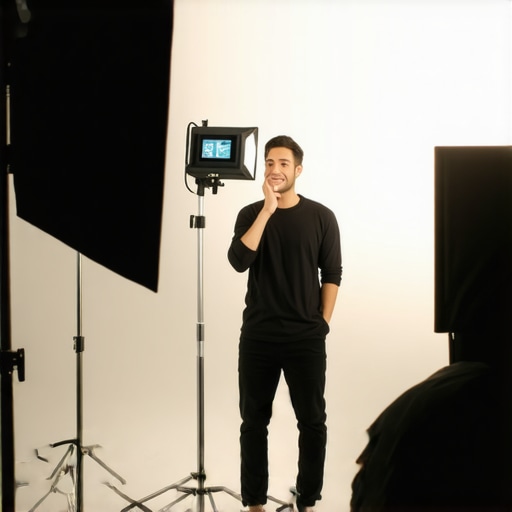
Ever spent hours fiddling with your light setup, only to realize your face looks flat or your background is a shadowy mess? I’ve been there. There was this one shoot where I thought I nailed the lighting, only to see the footage and cringe. It hit me—my lighting was all wrong, and I didn’t even know what I was doing. That lightbulb moment changed everything for me. Since then, I’ve dedicated myself to understanding the ins and outs of effective key light and LED panel lighting strategies, especially with the ever-evolving tools in 2024.
Why Lighting Can Make or Break Your Content in 2024
In the fast-paced world of content creation, lighting isn’t just about brightness. It’s about mood, clarity, and drawing viewers in. Good lighting can elevate your videos from amateur to professional-looking, while poor lighting sends viewers scrolling away. The challenge? With so many options—softboxes, RGB tubes, LED panels—how do you choose what works best for you? I’ll share what I’ve learned through trial, error, and a fair bit of research. Did you know that according to a recent survey, 85% of viewers say lighting quality is the second most important factor after content itself? That’s a huge wake-up call for creators who think they can skate by with subpar lighting.
Is Overthinking Your Lighting Setup Worth It?
Early on, I underestimated the importance of a well-planned lighting strategy. I thought, “It’s just lights, right?” Wrong. I made the mistake of relying solely on ambient light, which often resulted in inconsistent results. Now, I know that a strategic approach to key and fill lighting, using tools like RGB tube lights and LED panels, makes a world of difference. Want to avoid my rookie mistakes? Stick around. We’re going to cover the essentials of creating a lighting setup that works for your style and budget. If you’ve ever wondered whether investing in better lighting gear is worth it, I’ll tell you—absolutely, especially when you see how it transforms your content. Ready to shed some light on your setup? Let’s dive into the practical steps that will make your videos shine in 2024.
Set Your Lighting Goals Clearly
Before diving into equipment, define what you want to achieve. Are you aiming for soft, cinematic looks or vibrant, energetic vibes? I remember when I first started, I spent hours experimenting with my LED panels, trying to mimic the warm glow I saw in professional setups. To get there, I set a specific goal: create a natural yet polished look. This clarity helped me choose the right tools and techniques, like using a softbox with my RGB tube lights for softer shadows and more nuanced colors. For detailed guidance on softbox lighting, check out this article.
Position Your Key Light Precisely
Think of your key light as the sun shining on your subject. Its placement dramatically influences the mood and clarity. I once placed my LED panel directly in front of me, thinking more light was better. The result? Flat-looking footage. Instead, I moved the light slightly above and to the side, mimicking natural sunlight. This created depth and dimension. Use a 45-degree angle for most flattering results, but adjust based on your desired mood. For creative techniques, explore this guide.
Balance with Fill Light for Natural Results
Filling shadows without flattening your image is an art. I learned this when I used a second RGB tube light as a fill, placed opposite my key light at a lower intensity. It softened harsh shadows but didn’t eliminate contrast entirely. This balancing act is crucial for natural-looking videos. Experiment with different intensities and distances until you achieve the right look. For professional fill light techniques, see this article.
Use Colored Lights to Set Mood
LED panels and RGB tubes shine brightest when used creatively. During a recent shoot, I added a deep blue hue to my background using my RGB tube lights, which elevated the scene’s cinematic feel. The key is to match color temperatures and control saturation. For inventive effects, explore this resource. Remember, subtle color accents can dramatically change your scene’s tone.
Control Light Intensity and Softness
Too harsh or too soft? Finding the right balance is essential. I adjust the intensity of my LED panels with dimmers or by changing distance. Softness comes from modifiers like diffusers or softboxes. I once used a large softbox with my LED panel for a close-up interview, which created flattering, even lighting. Test various modifiers and settings to discover what works best for your style. For softbox techniques, see this guide.
While many creators focus on choosing the right LED panels or RGB tubes, there’s a hidden nuance that often gets overlooked: the way we interpret and implement lighting principles. A frequent myth is that more light always equals better footage. In reality, oversaturating your scene can lead to loss of detail, blown highlights, and unnatural color shifts. This mistake is especially common among beginners who think cranking up brightness will compensate for poor positioning or color balancing. To truly excel, it’s essential to understand how light interacts with your subject and environment. For example, using dimmers and modifiers like softboxes helps control light softness and intensity, creating a more natural, cinematic look. For a deeper dive into softbox techniques, check out this article.
What’s the biggest trap in advanced lighting setups that creators often fall into?
One of the most common pitfalls is neglecting the importance of light falloff and contrast. Many creators assume that evenly lit scenes are the goal, but in professional lighting, controlled contrast and gradual falloff add depth and dimension to footage. Overly flat lighting can make scenes appear dull and uninteresting. The key is to strategically position your key and fill lights to create a subtle gradient, emphasizing your subject’s contours without harsh shadows. This nuanced approach elevates your content from basic to cinematic. Studies, such as those from the Journal of Visual Communication, highlight how contrast modulation influences viewer perception. Remember, mastering contrast and falloff is an advanced skill that separates amateurs from pros. Have you ever fallen into this trap? Let me know in the comments.
Another often overlooked detail is the color temperature mismatch. Even with RGB panels, if your key light’s hue doesn’t match your background or fill light, your scene can look inconsistent or amateurish. Consistent color temperature is crucial for maintaining a cohesive look. Using tools like a color meter or app-based calibration can help ensure your lights blend seamlessly. For creative effects, explore this resource. Remember, subtle color mismatches are a quick way to ruin even the most well-composed shot. So, always double-check your color balance before rolling.
In summary, understanding the subtleties of light falloff, contrast, and color temperature can dramatically improve your content quality. Don’t fall into the trap of thinking more light or brighter colors will naturally make your videos better. Instead, focus on shaping and controlling your lighting to match your mood and story. If you want to refine your setup, feel free to reach out for personalized advice. Remember, the devil is in the details, and mastering these nuances will set you apart in 2024’s competitive content landscape.
Maintaining your lighting equipment is crucial to ensuring your content remains professional and reliable over time. I’ve learned from personal experience that neglecting regular upkeep can lead to inconsistent color temperatures, diminished brightness, and even equipment failure at critical moments. To avoid these pitfalls, I follow a set of proven maintenance routines and leverage specific tools that keep my gear performing at its best.
First, always keep your LED panels and RGB tubes clean. Dust and smudges not only reduce light output but can also cause uneven color distribution. I use a microfiber cloth with a gentle cleaning solution designed for electronics—this prevents scratches and preserves the integrity of the light’s surface. For internal components, a compressed air canister is my go-to to remove dust from vents and fans, which helps prevent overheating and prolongs the lifespan of the electronics.
Next, regularly check and calibrate your color temperature. Over time, LEDs can drift from their specified hue, especially if exposed to extreme temperatures or frequent power cycles. I recommend using a reliable color meter app on your smartphone or a dedicated calibration tool to ensure your lights maintain accurate color reproduction. This step is essential when working with RGB panels, as subtle shifts can ruin the cohesive look of your scene. For more advanced calibration, professional-grade tools like the Sekonic C-700 can provide precise measurements, but for most creators, a good app suffices.
Firmware updates are another critical aspect of maintenance. Manufacturers often release updates that improve stability, add features, or fix bugs. I subscribe to email notifications from my light brand and check their website regularly for updates. Installing firmware is straightforward but must be done carefully—always follow the instructions to avoid bricking your device. Keeping your firmware current ensures your lights are compatible with the latest accessories and software integrations, such as remote controls or smartphone apps.
Lastly, I recommend investing in quality power supplies and surge protectors. Power fluctuations can damage sensitive electronics, leading to unexpected failures. For peace of mind, I use a surge protector with a high Joule rating and a UPS (Uninterruptible Power Supply) for critical setups. This ensures my lights stay consistent during power blips and that I don’t lose valuable shooting time due to technical issues.
Looking ahead, I predict that smart maintenance tools will become more prevalent. Devices that automatically monitor and report their health status could simplify upkeep for creators, making it easier to catch problems early and extend the lifespan of equipment. As this technology advances, staying proactive with your gear will be more accessible than ever.
How do I maintain my lighting gear over time?
Establish a regular cleaning schedule, use calibration tools to keep color accuracy, stay updated with firmware releases, and protect your equipment with quality surge protectors. These habits prevent unexpected breakdowns and ensure your lighting setup continues to deliver professional results, scene after scene. If you’re unsure about specific maintenance routines or need tailored advice, don’t hesitate to reach out. Remember, consistent maintenance saves you time and money in the long run—and keeps your videos shining exactly as you envision.
Over the years, I’ve learned that the real secret to professional-looking videos isn’t just your camera or editing skills—it’s how you wield light. In 2024, the landscape of lighting technology has evolved dramatically, offering creators more control and creativity than ever before. My biggest lightbulb moment came when I realized that understanding contrast, falloff, and color temperature transformed my content from average to cinematic. If you’re tired of flat, unappealing footage, embracing these subtle nuances will be your game-changer. Want to see your videos shine? Let’s explore the insider lessons that made all the difference for me and can do the same for you.
The Hardest Lesson I Learned About Lighting for Content Creation
- Less is often more: I used to think brighter meant better, but overexposing my scenes washed out details and flattened the image. Controlled dimming with your LED panels creates depth and mood that captivate viewers.
- Contrast and falloff matter: Even lighting across a scene isn’t always the goal. Strategically placing your key and fill lights to emphasize contours gives your footage a professional edge. Overly flat scenes lose their visual punch.
- Color consistency is king: Mismatch in color temperature between your lights can ruin a scene’s cohesion. Using calibration tools helped me maintain a seamless look, especially when experimenting with RGB color effects.
- Modifiers make a difference: Softboxes, diffusers, and barn doors aren’t just accessories—they’re essential for shaping your light and avoiding harsh shadows or over-softening.
- Maintenance boosts longevity: Regular cleaning, firmware updates, and calibration prevent unexpected failures and keep your lighting game sharp, scene after scene.
My Essential Toolkit for Creative Lighting
- Reliable LED panels: I trust brands that offer adjustable dimming and color temperature controls, like the latest innovations in 2024. They give me the flexibility to adapt on the fly.
- RGB tube lights: These are my go-to for creative accents and background effects. They’re versatile, easy to control via apps, and perfect for dynamic scenes. Check out this guide for top picks.
- Diffusers and softboxes: Soft, even lighting is a game-changer for portraits and close-ups. I’ve found that a quality softbox combined with my LED panel elevates my work significantly.
- Calibration tools: Apps and professional meters help me keep my color temperature consistent. It’s a small investment that pays off in scene cohesion.
- Surge protectors and power management: Protecting my gear ensures I avoid downtime and costly repairs, especially during long shoots.
Your Turn to Shine Light on Your Creativity
Lighting isn’t a one-size-fits-all skill—it’s about understanding your scene, your style, and the tools at your disposal. As technology advances, so do the possibilities for stunning visuals. The key is to experiment, learn from your mistakes, and keep refining your technique. Remember, mastering light in 2024 means embracing the subtle art of contrast, color, and control—these details elevate your content beyond the ordinary. Don’t be afraid to try new setups, and always prioritize the quality of your lighting over sheer brightness. Your audience will notice the difference, and your creative confidence will grow with every shot. Ready to transform your videos into cinematic masterpieces? Start experimenting today and let your light tell your story.
![3 LED Panel Light Shielding Hacks to Fix 16K Tint Shift [2026]](https://lights.creatorrigreviews.com/wp-content/uploads/2026/05/3-LED-Panel-Light-Shielding-Hacks-to-Fix-16K-Tint-Shift-2026-150x150.jpeg)

One response to “Effective Key Light & LED Panel Light Strategies for Creators in 2024”