Ever spent hours tweaking your lighting setup only to realize it still looks flat or unflattering on camera? That frustrating moment when your carefully crafted scene doesn’t pop, even after investing in the latest RGB tubes or LED panels. I’ve been there. I remember countless nights fiddling with colors, brightness, and angles, feeling like I was throwing everything I knew out the window. The truth is, lighting isn’t just about having fancy gear — it’s about understanding how to use it to create mood, depth, and professionalism. If you’ve faced this struggle, you’re not alone.
Why Proper RGB Lighting Makes or Breaks Your Content
In 2024, lighting technology has exploded with so many options that it’s easy to get overwhelmed. RGB tubes and LED panels promise versatility, but without the right knowledge, they can turn into a source of chaos rather than clarity. Proper lighting enhances your video quality, makes your skin tone look natural, and helps direct your viewer’s attention. According to a study by Wired, lighting can influence mood and perception more than we realize — and that’s exactly why mastering it is crucial for creators.
Early on, I made a big mistake—assuming that just having RGB lights was enough. I didn’t understand how to set the right color temperature, how to balance key and fill lights, or how to use different effects to tell a story visually. That mistake cost me time, energy, and a lot of frustration. But I learned that successful lighting isn’t magic; it’s technique. And today, I want to share some tips that will help you avoid my pitfalls and elevate your setup.
Have you ever felt stuck because your lighting never looks quite right, no matter what you adjust?
Start with the Basics of Light Placement
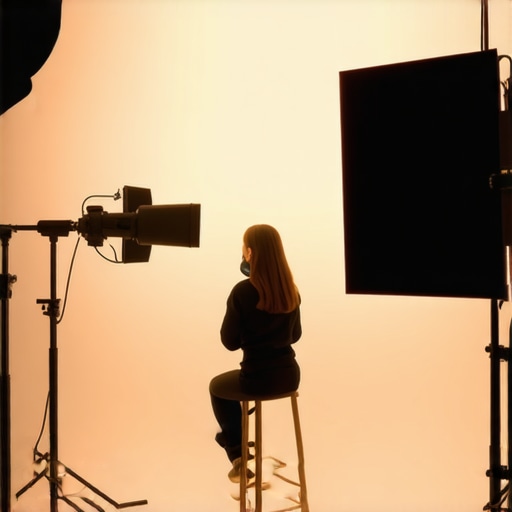
Imagine trying to sculpt a statue without sketching the design first; your lighting setup is no different. Begin by positioning your RGB tubes and LED panels at 45-degree angles to your subject, creating a natural depth and avoiding flat-looking footage. When I first experimented, I placed my lights directly in front, which washed out my face and flattened the background. Moving them to the sides instantly added dimension and made my shot pop. Use adjustable mounts to fine-tune angles easily, ensuring consistent results across shoots.
Balance Your Key and Fill Lights
Think of your key light as the sun illuminating your scene and your fill light as the gentle shade that softens shadows. To achieve a professional look, set your key RGB tube or LED panel slightly brighter than your fill. For example, if your key is at 100%, set your fill around 50-60%. I once overpowered my fill, making my skin look dull. Adjusting the intensity and color temperature of each light using your controller or app helps in matching skin tones and creating mood. Don’t forget to experiment with different warmth and coolness to complement your scene’s vibe.
Use Color Wisely to Set Mood
RGB lights shine brightest here — literally. Instead of random colors, think about what mood you want to evoke. For a cozy, inviting feel, warm yellows and soft oranges work well. For a futuristic vibe, cool blues and purples are perfect. I once turned my RGB tubes to a deep purple during a late-night stream, which instantly transformed the atmosphere. Remember, color blending is key — use the color wheel to match your scene’s narrative and avoid jarring shifts unless intentional. Many RGB controllers allow smooth transitions, so experiment with fades and pulses for dynamic effects.
Incorporate Light Effects for Creativity
Light effects aren’t just for Hollywood; they’re accessible tools for creators. Use your RGB tubes to project patterns or colors on walls, creating textured backgrounds or thematic accents. For instance, I used a rainbow cycle effect during a holiday episode, adding visual interest without extra props. To maximize impact, combine effects with dimming or strobing features available in most LED panels. Just be cautious — too many effects can distract, so use them sparingly and purposefully.
Fine-Tune Your Setup Regularly
Lighting isn’t a set-it-and-forget-it task. Regular adjustments are necessary to adapt to changing scenes, natural light, or mood shifts. When I started, I kept my lights static, which resulted in inconsistent results. Now, I review my setup between shots, tweaking brightness, color, and angles. Use a gray card or a consistent reference to gauge color accuracy, especially with RGB lighting. And don’t forget to keep your gear clean — dust and fingerprints can alter light quality. A quick check before each shoot ensures your lighting remains sharp and professional.
Many creators fall into the trap of believing common myths about RGB lighting that can hinder their progress. Let’s dig deeper into what most people get wrong and how understanding the nuances can dramatically improve your content quality.
Is More Color Always Better When Using RGB Lights
A widespread misconception is that cranking up the color saturation on your RGB tubes will make your scene more vibrant. In reality, oversaturating can create unnatural hues that distract rather than enhance your shot. The key is subtlety — blending colors to match the mood and scene rather than going for maximum intensity. Experts recommend using color blending tools within your controller or app to achieve smooth transitions and natural-looking results. Remember, a well-balanced hue will elevate your scene more than flashing neon colors.
Common Mistakes in Light Placement
Another mistake is placing RGB lights too close or directly in front of the subject, which can cause harsh shadows or washed-out skin tones. Instead, position your lights at an angle, typically 45 degrees, to add depth and dimension. This simple shift can make your footage look far more professional. Additionally, avoid relying solely on the default settings; fine-tune each light’s position and intensity regularly to adapt to your scene’s needs. For advanced setups, consider using multiple layers of lighting, such as key, fill, and background lights, to create a rich visual environment. For more in-depth techniques, check out this guide on softbox lighting.
Are RGB Lights Always Necessary for Great Content?
Many believe that RGB lights are a must-have for all creators. While they offer versatility, they are not always necessary, especially if your budget is tight or your content benefits from natural or simple lighting. Sometimes, a high-quality softbox or a well-placed LED panel without RGB capabilities can do the job better. The real secret lies in understanding your scene’s requirements and choosing the right tool for the job. Overloading your setup with RGB lights can also lead to color inconsistencies, so always match your lighting equipment to your specific aesthetic goals.
Have you ever fallen into this trap? Let me know in the comments and share your experiences. Remember, mastering lighting is about technique, not just gear. For advanced tips on key and fill lighting, explore this article on key light techniques.
Once you’ve perfected your RGB lighting setup, the next step is ensuring it stays reliable and performs at its best over time. Regular maintenance and using the right tools can save you headaches and keep your studio shining brightly for years. In this guide, I’ll share the specific equipment and methods I personally rely on to keep my lighting gear in top shape, along with insights into where this trend is headed in terms of durability and scalability.
Invest in Quality Cleaning Supplies
Dust, fingerprints, and dirt are the biggest enemies of lighting equipment. I always keep a microfiber cloth and compressed air canister handy. The microfiber cloth gently wipes down the lenses and housing without scratching, while the compressed air blows out stubborn dust from vents and connectors. Regular cleaning prevents overheating and electrical issues, ensuring consistent color accuracy and brightness. For delicate LED panels, I use a soft brush designed for electronics, which I find more effective than canned air for removing stubborn grime.
Use Appropriate Power Management
Fluctuations in voltage can shorten the lifespan of your RGB tubes and LED panels. I recommend using a surge protector with a built-in voltage regulator. This simple investment shields your gear from power surges, especially during thunderstorms or unstable electrical grids. Additionally, I rely on a power meter to monitor real-time consumption and identify any irregularities early. This proactive approach reduces downtime and costly repairs.
Keep Firmware and Software Up-to-Date
Many RGB lighting systems, like those covered in this comprehensive guide, come with firmware that can be updated via dedicated apps or PC software. I routinely check for updates to improve stability, add new effects, or fix bugs. This practice ensures compatibility with the latest control features and extends the lifespan of your system. Setting a reminder every few months to check for updates has saved me from encountering major glitches during critical shoots.
Implement a Maintenance Schedule
Consistency is key. I set a quarterly schedule to inspect, clean, and test all my lighting gear. During these sessions, I verify that all connectors are secure, lights respond correctly to controls, and color consistency remains intact. If I notice any flickering or color shift, I troubleshoot immediately—sometimes it’s as simple as re-seating a connector or updating firmware. This regular checkup prevents small issues from becoming expensive repairs down the line.
Plan for Scalability and Upgrades
As your content creation needs grow, so should your gear. I keep a running list of potential upgrades, focusing on modular systems like RGB tubes that are easy to swap or expand. For example, I recently added a set of RGB tube lights that seamlessly integrated with my existing setup. When choosing new components, I prioritize compatibility and future-proof features like Bluetooth control or Wi-Fi connectivity, which make maintenance and scaling much simpler.
How do I maintain my lighting over time?
Beyond routine cleaning and updates, I keep a detailed log of each device’s maintenance history. This helps me spot patterns, such as which lights tend to need firmware updates or replacements first. Additionally, I participate in online forums and manufacturer communities, like the CreatorRig Reviews contact page, to stay informed about common issues and best practices. Staying proactive with these habits ensures my lighting remains reliable, vibrant, and scalable for any project.
By investing in high-quality cleaning tools, managing power properly, and keeping software current, you’ll significantly extend the life of your RGB lighting system. Try implementing a maintenance schedule today — your future self will thank you with consistent, professional-quality lighting that stands the test of time.
The Hardest Lesson I Learned About RGB Lighting
One of my biggest lightbulb moments was realizing that the most expensive RGB setup doesn’t guarantee professional results. It’s easy to fall into the trap of thinking that flashy gear alone will elevate your videos, but I learned the hard way that understanding how to position and color your lights is what truly makes the difference.
How I Discovered the Power of Subtle Color Blending
Initially, I overused saturated colors thinking more was better. It wasn’t until I experimented with blending warm and cool hues smoothly that my scenes started to feel natural and engaging. This taught me that restraint and purpose are key—use color to support your mood, not distract from it.
The Value of Regular Adjustment and Fine-Tuning
Consistency didn’t come from setting my lights once. I now adjust brightness, angles, and color temperature throughout each shoot, ensuring my lighting always enhances the scene. This habit has transformed my workflow and output quality, proving that ongoing care beats static setups.
Why Mastering Light Placement Is a Game-Changer
Placing lights at 45-degree angles created depth and dimension I never achieved with frontal lighting. This simple switch added professionalism and visual interest to my videos and photos. Remember, where you place your lights can make or break your scene’s impact.
The Importance of Clean, Well-Maintained Gear
Dust and fingerprints dull your lights and alter colors. Regularly cleaning your equipment with microfiber cloths and compressed air keeps your RGB tubes and panels performing at their best. Well-maintained gear saves money and time, ensuring consistent, vibrant lighting.
Curated Recommendations for Creators
My Essential Toolkit for RGB Lighting includes the RGB tube softbox lights, which offer versatile control and easy expansion. I also rely on the CreatorRig Reviews contact page for community advice and troubleshooting. Lastly, I keep my firmware updated using official software, ensuring my gear stays reliable and feature-rich.
Let Your Passion Illuminate the Future
Your journey with RGB lighting is just beginning. With technique, patience, and the right tools, you can create stunning visuals that captivate your audience. Don’t be afraid to experiment and find your unique style—your creative light is waiting to shine.
Have you ever struggled with positioning your RGB lights for the perfect shot? Let me know below!
![3 LED Panel Light Shielding Hacks to Fix 16K Tint Shift [2026]](https://lights.creatorrigreviews.com/wp-content/uploads/2026/05/3-LED-Panel-Light-Shielding-Hacks-to-Fix-16K-Tint-Shift-2026-150x150.jpeg)


4 responses to “Ultimate RGB Tube & LED Panel Lighting Tips for Creators in 2024”