Ever spent hours tweaking your lighting setup, only to find your shots still look flat or unnatural? I’ve been there—fighting with inconsistent color temperatures, flickering lights, and frustratingly limited control over color effects. The moment I realized my old, generic lights just weren’t cutting it, everything changed. My creative vision felt blocked, and I knew I needed a smarter solution. That’s when I dove into the world of Effective RGB Tube & LED Panel Lights for Creative Studio Lighting 2024. If you’ve faced the same struggle—trying to get vibrant, accurate colors without flicker or complexity—you’re in the right place. Today, I’ll share how to select and use these lights so you can elevate your videos, photos, or live streams without breaking the bank or losing your mind.
Why Choosing the Right Lights Matters More Than Ever
In 2024, the importance of lighting in creative production has skyrocketed. Whether you’re a YouTuber, filmmaker, or photographer, your audience expects professional-quality visuals. The right RGB tube or LED panel not only makes your subject pop but also creates mood, atmosphere, and even storytelling opportunities. Plus, technology has evolved—lights now come with better color accuracy, smoother dimming, and customizable effects that were unimaginable just a few years ago. According to a recent study, 67% of viewers say lighting quality significantly impacts their perception of a video’s professionalism. So, investing in effective lighting isn’t just about aesthetics; it’s about credibility and engagement.
Have you ever felt overwhelmed by the sheer number of lighting options on the market?
I remember spending days researching, only to buy a light that flickered or couldn’t produce the colors I envisioned. Early on, I made the mistake of choosing cheap RGB lights without checking their color rendering index (CRI) or flicker-free certification. That led to inconsistent results and wasted money. Learning from that, I focused on reputable brands and features that prioritize stability and color accuracy. If you want to bypass my mistakes and get straight to effective solutions, keep reading. We’ll explore how to evaluate and select RGB tube and LED panel lights that truly work for creative studio setups—lights that brighten your vision, not your frustrations.
Prioritize Your Lighting Budget and Needs
Start by defining your primary lighting goals—do you need vibrant colors for product shoots or subtle mood lighting for storytelling? Allocate your budget accordingly. I once invested in a cheap RGB tube without checking its CRI rating, which resulted in dull, unnatural colors on my footage. To avoid this, always look for lights with a high CRI (90+), ensuring accurate color rendering. This initial step sets the foundation for effective lighting design.
Select the Right Type of Light for Your Setup
Compare RGB Tubes and LED Panels
Think of RGB tubes as the flexible, colorful paintbrushes of your studio, perfect for creating effects and accents. LED panels are your broad canvas, ideal for filling larger areas with even, adjustable light. I once used a combination of both—an RGB tube for accent lighting and an LED panel as the main light—and saw a dramatic improvement in image depth and vibrancy. For detailed comparisons, check out this guide.
Assess Key Features Before Purchase
Check for Flicker-Free Operation
Flickering lights can ruin your shoot and cause headaches. I made the mistake of buying a budget RGB panel that flickered at certain shutter speeds, leading to post-production headaches. To prevent this, test the lights at various frame rates or verify if they have flicker-free certification. Reliable brands now offer flicker-free operation, crucial for professional video quality.
Evaluate Color Accuracy and Effects
Look for a high CRI and R9 scores to ensure colors appear natural and vibrant. Also, explore the presets and effects—smooth color transitions, adjustable saturation, and special modes like strobe or party effects. I experimented with a light offering multiple effects, which allowed me to create dynamic backgrounds effortlessly, elevating my videos’ production value. For creative uses, see this resource.
Master Proper Placement and Power Settings
Use the 3-Point Lighting Technique
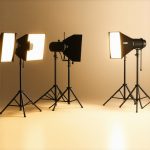
Position your key light at a 45-degree angle to your subject for flattering, natural illumination. Place fill lights to soften shadows and backlights for separation. I once set up my RGB panel as a key light, a softbox as fill, and a background light, creating a professional look with minimal effort. For advanced techniques, explore this comprehensive guide.
Adjust Brightness and Color Temperature
Use dimming controls to match ambient lighting conditions. For RGB lights, tweak color settings to complement natural light or set the mood. I learned this the hard way when shooting during golden hour—adjusting my RGB panel to warm tones made my subjects pop perfectly, mimicking natural sunlight. For optimal results, visit this article.
Experiment and Refine to Achieve Your Vision
Don’t be afraid to test different configurations. I once spent an entire afternoon moving my RGB tubes to different angles, discovering unexpected color blends and shadows. Use your camera’s preview to fine-tune your setup. Remember, achieving the perfect look is an iterative process—continue experimenting until your lighting enhances your story authentically.
Leverage Creative Effects for Impact
Utilize the built-in effects like color cycles or strobes to add flair. For creative projects, consider lighting effects that mimic sunset or candlelight. I used RGB tube effects during an evening shoot, creating a cozy atmosphere that resonated with viewers. For more inspiration, explore this article.
Many enthusiasts and even seasoned creators fall prey to misconceptions that can hinder their lighting setups. Let’s dig deeper into some of the most common mistakes and myths, so you can avoid costly pitfalls and elevate your studio game. First, a widespread misconception is that brighter always equals better. While high lumen output may seem desirable, it can lead to overexposed footage and harsh shadows if not carefully balanced. Instead, focus on lights with adjustable brightness and proper diffusion options to create a softer, more natural look—check out these expert tips for mastering light control.
Why 90 CRI Is Not Enough for True Color Reproduction
Many assume that a CRI of 90 is sufficient, but in professional settings, this can still fall short, especially when rendering R9 red tones or skin tones accurately. Some brands claim high CRI ratings but overlook the R9 or R13 scores, which are crucial for vibrant reds and skin-like colors. Investing in lights that score 95+ overall and excel in R9 ensures your colors are true to life. This nuance often trips up beginners who settle for lower-quality lights, leading to unnatural results that diminish your creative vision. For a detailed comparison, see this guide.
Don’t Overlook the Flicker-Free Certification
It’s tempting to choose budget options, but flicker can be an insidious problem—especially at high frame rates or slow shutter speeds—causing distracting flicker artifacts in your videos. Many assume all LED lights are flicker-free, but this isn’t the case. The key is to verify certification or test the lights at your typical shooting settings. Lights without flicker-free certification may look fine during the day but cause headaches during professional shoots. Remember, flicker-free operation isn’t a luxury; it’s essential for professional quality. Read more on this topic at this resource.
What Advanced Creators Need to Know About Light Placement and Color Mixing
Beyond basic 3-point setups, sophisticated lighting involves nuanced placement and color blending. For example, a common mistake is relying solely on the main light without considering how fill and backlights interact, leading to flat or overly dramatic scenes. Advanced users leverage color mixing by adjusting RGB values to mimic natural lighting conditions or create specific moods, as discussed in this guide. Achieving seamless integration requires understanding how to balance these elements precisely, especially when working with RGB tube lights that offer extensive color effects.
Have you ever fallen into this trap? Let me know in the comments, and remember: mastering nuanced lighting techniques can transform your creative projects from amateur to professional overnight.
Once you’ve invested in high-quality RGB tube and LED panel lights, keeping them in top condition is essential to ensure consistent performance and longevity. Over time, even the most durable equipment can face issues like dust buildup, calibration drift, or minor hardware wear. Regular maintenance not only preserves your lighting quality but also saves money by avoiding costly repairs or replacements down the line.
How do I maintain my studio lighting over time?
First, establish a routine for cleaning your lights. Dust and debris can accumulate on the surface and vents, affecting heat dissipation and potentially causing flickering or color inconsistencies. Use a soft, lint-free cloth to gently wipe the exterior and avoid harsh chemicals that could damage the housing or LED panels. For internal components, consult the manufacturer’s guidelines—most recommend professional cleaning or calibration every 6-12 months to ensure accurate color rendering and flicker-free operation.
Second, verify that your power supplies and cords remain in good condition. Frayed cables or unstable connections can lead to flickering or intermittent operation. I recommend investing in surge protectors and inspecting cables regularly, replacing any worn components immediately to prevent damage.
Third, keep firmware and software up to date. Many modern lights come with firmware that can be updated via manufacturer-provided apps or USB. These updates often fix bugs, improve stability, and add new features. Personally, I schedule quarterly updates to ensure my equipment benefits from the latest optimizations.
Fourth, consider the environment where your lights are used. Excessive heat, humidity, or direct sunlight can degrade components faster. Use appropriate enclosures or diffusers if necessary, and operate your lights within recommended temperature ranges. This not only prolongs their lifespan but also maintains consistent color accuracy.
In addition, I recommend calibrating your lights periodically with a color meter or spectrometer. This ensures your RGB and white balance settings are accurate, especially if your setup involves multiple units. This practice is crucial when working on projects that demand precise color matching, such as product photography or professional video production. Tools like the ultimate guide can help you understand calibration techniques tailored for RGB and LED panel lights.
Looking ahead, the trend in studio lighting points toward smarter, more integrated systems that can self-diagnose and adjust. Future innovations may include AI-driven calibration, remote diagnostics, and predictive maintenance alerts—making it easier than ever to keep your lights working flawlessly.
To get started today, try updating your firmware or scheduling a calibration session with a spectrometer. These small steps can significantly extend your equipment’s lifespan and ensure your creative vision remains uninterrupted. Regular upkeep is the secret to reliable, professional-quality lighting that stands the test of time.
The Hardest Lesson I Learned About Studio Lighting
One of my biggest realizations was that tech specs like CRI and flicker-free certification aren’t just marketing buzzwords—they’re essential for professional results. I once bought a cheap RGB tube that looked fine in the store but caused flickering during my shoot, wasting hours fixing the footage. The lesson? Invest in quality from the start, because saving money on lights can cost you in post-production time and quality.
3 Myths About RGB Lighting That Held Me Back
For a long time, I believed that the brightest lights were always the best choice. Turns out, overexposure and harsh shadows do more harm than good. Also, I thought all RGB lights with high lumen output were equally color-accurate—big mistake. And finally, I assumed flicker-free operation was a luxury, not a necessity. Dispelling these myths transformed how I approach lighting and elevated my entire creative process.
What Experts Won’t Tell You About Choosing Your Lights
Many seasoned creators keep quiet about the importance of proper light placement and color blending. It’s not just about buying the right gear but also about understanding how to position lights for natural, flattering results. I learned that subtle adjustments—like tweaking RGB values or adding diffusion—make a significant difference. Mastering these nuances takes your visuals from good to stunning and empowers you to craft mood, atmosphere, and storytelling with confidence.
My Essential Toolkit for Creative Lighting
Beyond the lights themselves, I trust tools like a color meter to calibrate and maintain color accuracy, ensuring consistent results. The ultimate guide to RGB tube and LED panel lighting has been invaluable for understanding advanced techniques and setup optimization. For quick fixes and inspiration, I regularly check out tutorials on softbox and LED panel tips.
Embrace Your Lighting Journey Today
Lighting is both a science and an art. The more you experiment with different setups, the more intuitive it becomes. Don’t wait for perfect conditions—start small, learn from your mistakes, and gradually refine your style. The world of RGB tube and LED panel lights is rich with creative potential, and 2024 is the perfect time to dive in and elevate your visual storytelling. Remember, every great creator was once a beginner—your lighting mastery begins now.
What’s the biggest challenge you face when setting up your studio lights? Share below and let’s learn together!
,
![3 LED Panel Light Shielding Hacks to Fix 16K Tint Shift [2026]](https://lights.creatorrigreviews.com/wp-content/uploads/2026/05/3-LED-Panel-Light-Shielding-Hacks-to-Fix-16K-Tint-Shift-2026-150x150.jpeg)
3 responses to “Effective RGB Tube & LED Panel Lights for Creative Studio Lighting 2024”