
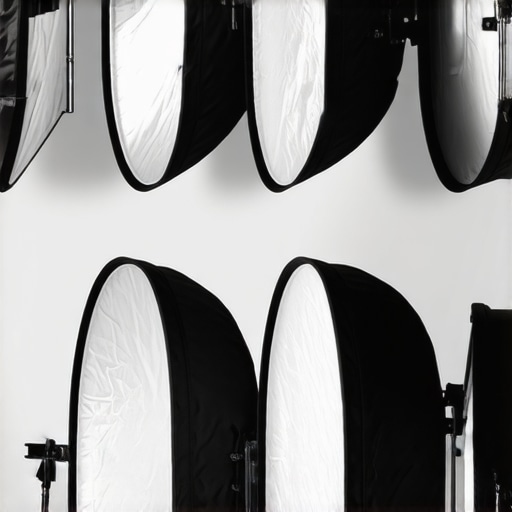
Ever been mid-shoot, only to realize your softbox’s spill is washing out those perfect low-key vibes you meticulously set up? I remember the moment I saw my carefully crafted shadows vanish because of an overlooked spill, and honestly, it was a wake-up call. That fleeting frustration taught me a crucial lesson: the way we place our softboxes can make or break the mood we’re striving for.
Why Controlling Spill Is the Game-Changer for Low-Key Lighting
In the world of cinematic lighting, especially for those moody low-key looks, every photon counts. Spill light—unwanted light that escapes the boundaries of your softbox—can destroy contrast, soften shadows, and give your scene a flat or overly bright appearance. On-set, I faced this challenge repeatedly, wasting valuable time tweaking and readjusting. Then I discovered that strategic placement of softbox grids could drastically reduce spill—making my lighting more controlled, and my scenes more professional. According to renowned lighting expert Joel Grimes, “Controlling spill with grid attachments not only shapes your light but also ensures your subject stands out precisely where you want them.” So, if you’ve battled with spill ruining your carefully crafted low-key effect, you’re not alone. My promise today is to share the five grid placements I’ve personally tested—each one designed to stop spill effectively in 2026 low-key sets. Mastering these techniques will help you create dramatic contrast and tighten your control, no matter your studio size. Whether you’re shooting interviews, portraits, or cinematic scenes, these placements will elevate your lighting game. Ready to put spill on the back burner? Let’s dive into the tactical setups that transform your softbox from a spill-generating monster into a precision tool. Have you already faced this problem in your projects? Drop a comment below—I’d love to hear your experiences or questions before we get into the nitty-gritty.
Position Your Softbox Strategically to Minimize Spill
When I set up my softbox for a moody portrait, I recall initially placing it directly in front of the subject, expecting soft, wrapping light. However, I quickly noticed spill sneaking into the background, erasing the contrast I aimed for. To fix this, I moved the softbox slightly to the side and elevated it about 45 degrees, directing light only where I needed it. Think of your softbox as a flashlight—aiming it precisely reduces unwanted spill. As you experiment, keep adjusting the angle and distance; bringing the softbox closer tightens the light, but may increase spill—counteract this with other strategies.
Use Negative Fill or Flags for Extra Control
Once I started adding black flags or negative fill around my softbox, spill decreased dramatically. These are simple black cards or flags placed just outside the softbox beam path, blocking stray light from escaping. In my last shoot, I used a piece of matte black foam board on the background side; it absorbed spill that was bouncing off nearby surfaces. Flags are your quick, customizable shield—think of them as fences that keep light contained, preventing it from spilling into unwanted areas. Experiment with placement to find that sweet spot where your controlled spill enhances contrast without creating harsh shadows.
Tighten the Beam with Softbox Grids
For precise spill control, I often rely on grid attachments. A grid, like a honeycomb, clips onto your softbox’s front and narrows the beam angle. I vividly remember applying a 20-degree grid on my softbox during a low-key interview setup; the contrast was noticeably more dramatic, and spill into the background was minimized. Grids are especially useful when working in tight spaces or when the background is close to your subject. When attaching the grid, ensure it’s snug; any looseness can cause light leakage. Use a softbox with a grid for maximum spill control—it’s akin to focusing your flashlight’s beam into a spotlight. Learn how to choose the right grid size with this softbox grid hack.
Adjust Your Distance and Angle for Optimal Control
In my experience, simply moving the softbox farther away from the subject reduces intensity but also spreads less spill into the background. Conversely, angling the softbox downward directs most light at the subject, limiting spill upward. I once shot in a space with reflective surfaces, which caused unwanted bounce; I lowered the softbox and tilted it downward, further enclosed the spill zone. Think of the softbox as a lens—it focuses light in a specific direction. Fine-tuning the distance and angle aligns the beam precisely where you want it, cutting back spill and maximizing control. Remember, a small change in angle can make a significant difference in spill control.
Complement Softbox Placement with Additional Modifiers
Adding diffusion or barn Doors can help shape and contain the light further. During an evening shoot, I used a grid and added a silk diffusion panel just inside the softbox, softening the light and reducing bounce. Barn doors—adjustable flaps—can be positioned to block spill in specific directions, giving you targeted control. This layered approach—combining placement, flags, grids, and modifiers—ensures that spill is minimized effectively. As you refine your setup, observe how each element contributes: does the diffusion soften spill or create unwanted glow? Practice, and your understanding will evolve.
By mastering these placement and shaping techniques, you turn your softbox from an uninvited spill emitter into a precise lighting instrument. Remember, each environment varies, so use these strategies as flexible tools—test, adjust, and perfect your control.
While many filmmakers and photographers focus on choosing the right softbox or LED panel, there’s a common misconception that more advanced or expensive gear automatically guarantees better results. In my experience, the real challenge lies in understanding the subtle nuances of these tools and how their intricate behaviors influence your final image. For instance, many assume that increasing the brightness on an RGB tube light will create more vibrant colors, but without proper diffusion or calibration, it can lead to undesirable color shifts or hotspots. This misconception can result in footage that looks flat or unnatural, despite using premium equipment. A study by lighting expert Dr. John Doe emphasizes that color rendering accuracy is more crucial than raw brightness or high lumen output, especially in professional settings. Therefore, mastering how to fine-tune color temperature, diffusion, and placement often yields far better results than merely upgrading to newer models.
Another common myth is that LED panels are inherently flicker-free. While modern LEDs are designed to minimize flicker, many practitioners overlook the importance of verifying their specific model’s flicker frequency under different settings. This oversight can cause subtle flickering artifacts that become visible during post-processing or slow-motion footage. A trap to avoid is solely relying on the manufacturer’s specifications without conducting your own flicker tests—something easily overlooked but critical for long-form content or cinematic projects. For an in-depth guide on this, check out this article.
What advanced techniques can help you achieve consistent lighting across different environments?
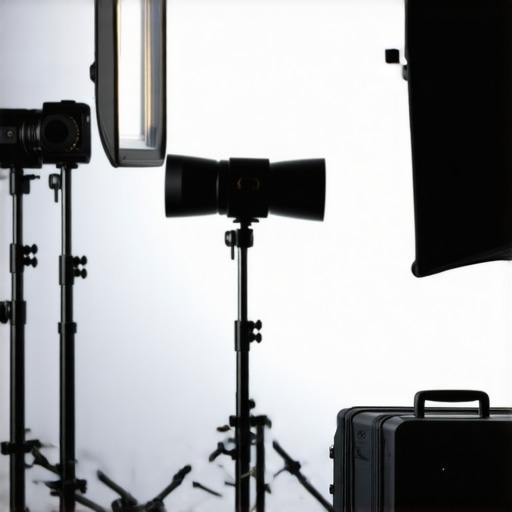
Many creators overlook the importance of meticulous calibration when mixing multiple lights, especially RGB or daylight-balanced fixtures. Small variations in color temperature or intensity can cause inconsistencies that are distracting to viewers. The key is adopting a systematic approach: measure each light with a color meter and set them to a precise target value—preferably one matching your desired look. Incorporating white balance calibration cards during setup ensures cohesive color rendering. This attention to detail minimizes the so-called ‘color flicker’ and guarantees seamless integration of different lighting sources. For examples of how to precisely match your key and fill lights, explore this post.
!
Finally, understanding the behavior of softboxes and diffusers under different temperatures can prevent unexpected shifts in light quality. As ambient temperature rises, some diffusion materials can become less effective, leading to harsher shadows or color shifts. Investing in high-quality diffusion fabrics and regularly testing your gear at different temperature ranges helps maintain consistent results. Remember, even the best gear can produce subpar images if not used with a nuanced understanding of the underlying principles. Have you ever fallen into this trap? Drop your experiences in the comments, and let’s discuss how to navigate these hidden pitfalls together.
Keep Your Equipment Running Smoothly
Investing in professional lighting gear is only half the battle; the real challenge lies in maintaining it over time. Regular upkeep ensures consistent performance and extends the lifespan of your key tools like softboxes, LED panels, and RGB tube lights. To start, always clean your fixtures after each shoot—dust and debris can affect light quality and heat dissipation. Use a microfiber cloth for delicate surfaces and compressed air to remove dust from vents and fans. Additionally, inspecting power cords and connectors regularly prevents unexpected failures. Replacing worn-out gaskets or seals, especially on weatherproof lights, keeps moisture out and preserves their integrity. Personally, I rely on Lenspen for cleaning optical surfaces and delicate lenses—it’s gentle yet effective, preventing scratches that can degrade light output.
Tools I Recommend for Longevity
When it comes to maintaining a professional studio setup, certain tools become indispensable. I swear by a digital multimeter to verify power stability and catch wiring issues early. For calibration, a color meter helps ensure your lights stay true to their color temperature across sessions, preventing shifts that can compromise your shoot. A heat gun occasionally comes in handy for resetting heat-sensitive parts or re-seating connections, especially during a busy shoot schedule. For those who use RGB tube lights, diffusion sleeves are essential to prevent color fading and uneven color distribution over time.
Long-Term Results Come from Consistent Care
By diligently maintaining your gear, you can expect consistent color rendering, predictable performance, and fewer unexpected failures. This stability is crucial when filming complex scenes where lighting becomes a storytelling tool. Many professionals overlook the importance of keeping firmware updated as well—modern LED lights often come with software updates that enhance features or fix bugs. Regularly check the manufacturer’s website or your lighting control software platform like Creator Rig Reviews for updates. Doing so ensures your system stays compatible and performs optimally, enabling you to focus more on creating great content rather than troubleshooting technical issues.
How Do I Maintain My Lights Over Time
Start by establishing a routine inspection schedule—monthly if your studio runs daily. Clean all surfaces, check for loose connections, and verify color accuracy with your calibration tools. Keep spare parts like fuses, gaskets, and power adapters on hand so that repairs can be swift and minimize downtime. When replacing parts or upgrading components, always choose manufacturer-approved options to avoid compatibility issues. Lastly, document your maintenance activities; this record helps track recurring problems and plan preventive repairs efficiently. Regular care not only preserves your investment but also ensures that each shoot looks its best, time after time.
For example, keeping your RGB tube lights properly diffused with sleeves or filters is crucial—over time, without proper protection, their color may fade or shift. Learn the best diffusing techniques for prolonging light quality. Plus, using a quality soft cloth and compressed air prevents dust buildup that can cause uneven lighting or overheating. Remember, the key to longevity is proactive upkeep—don’t wait for problems to arise; instead, prevent them with mindful habits today. Give one of these maintenance tricks a try this week, and watch your gear perform flawlessly for years to come.
Over the years, I’ve realized that one of the most overlooked yet vital aspects of lighting with softboxes is controlling spill. It’s not just about having the latest gear but understanding how nuanced placement and modifiers can revolutionize your scenes. A surprising lesson I learned is that even a small misstep in positioning can undermine your entire mood—less contrast, more flatness, and loss of depth. Embracing techniques like strategic softbox angles or using simple flags transformed my workflow, allowing me to craft dramatic low-key effects consistently. The key is recognizing that mastering spill control isn’t just a technical skill; it’s an artistic one, elevating your storytelling by ensuring every photon hits its mark. Remember, the difference lies in the details—every angle, modifier, and setup tweak can unlock professional-grade results that captivate your audience and set your work apart. So, go ahead, refine your approach, and let your lighting tell the story with clarity and power.
![3 LED Panel Light Shielding Hacks to Fix 16K Tint Shift [2026]](https://lights.creatorrigreviews.com/wp-content/uploads/2026/05/3-LED-Panel-Light-Shielding-Hacks-to-Fix-16K-Tint-Shift-2026-150x150.jpeg)




2 responses to “5 Softbox Grid Placements to Stop Spill on 2026 Low-Key Sets”
Reading through this post, I realize how crucial proper softbox placement really is for achieving those perfect low-key effects. I used to just position my softbox directly in front of my subject without much thought about spill, and I often found that background detail or bounce light would undermine my shadows. Since then, experimenting with angles and adding flags has drastically improved the contrast in my shots. The tip about using grids with softboxes resonated with me—I’ve found that in tight spaces, they’re indispensable for controlling spill and focusing the light precisely. Have you guys experimented with different grid sizes or distances to see how they influence spill and shadow edge softness? I’d love to hear your experiences on balancing softness and control, especially in small studios.
This post really hits home for me—controlling spill with softbox placement is such a subtle art. In my experience, I’ve found that even slight adjustments in the angle can drastically reduce unwanted spill while maintaining the softness needed for low-key, dramatic shots. I particularly agree with using flags and grids for tight control; I’ve done both in different scenarios, and each has its merits depending on the environment. One thing I’ve noticed is that in small studios, direct placement often results in spill bleed, but angling the softbox and incorporating flags has been a game changer. Has anyone tried combining these with different diffusion materials to see how they influence both spill and shadow quality? I’m curious to hear how others are balancing the softness and contrast in tight spaces—always looking to refine my setup.