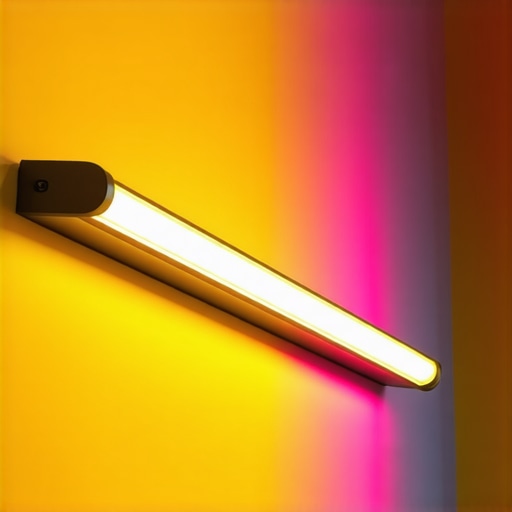
Ever spent hours setting up your studio shot, only to realize your vibrant RGB tube light has lost its punch? I remember the moment I turned mine on during a critical shoot, expecting a splash of vivid color, but instead, it looked dull and washed out. Frustration crept in—I had invested in what I thought was top-tier lighting, yet it barely coloured the scene. That lightbulb moment made me dig deep into understanding why RGB tube lights sometimes appear faded and, more importantly, how to fix this issue once and for all. If you’ve faced a similar disappointment, you’re not alone. Bright, saturated lighting is what makes our projects pop, and when it looks faded, everything feels off—colors dull, shadows lose their depth, and the whole setup feels flat.
Addressing the Fade: First Steps to Reclaim Your Light’s Vigor
Before diving into advanced fixes, it’s essential to grasp what causes this common problem. Often, it’s not the light itself but the way we’re using or maintaining it. Dust accumulation, aging components, or even incorrect settings can drain the vibrancy from your RGB tube lights. I’ve made the mistake early on of ignoring regular maintenance, thinking that LED or RGB lighting would last forever without upkeep. Trust me—they do wear out, and neglecting simple cleaning or calibration can leave your lights looking less than stellar. To get back that vibrant glow, start with the basics: ensure your lights are clean, check their connections, and confirm you’re using the correct settings for your scene. Sometimes, a simple reset or updating your light’s firmware (if applicable) can breathe new life into old equipment. For more detailed strategies on optimizing your studio lighting, check out this comprehensive guide on softbox and fill light techniques.
Is Faded RGB Light Now Just a Part of Your Setup?
It’s natural to wonder if faded lighting is something you just have to accept. I questioned whether upgrading equipment was necessary, or whether I was overcomplicating my setup. Spoiler: I learned that many issues are fixable without splurging on new gear. The key is understanding your equipment, avoiding common pitfalls, and making small adjustments that yield big results. If you’re curious about how to fine-tune your RGB tube lights or explore creative effects for evening shoots, there’s a wealth of tips available. For example, mastering softbox lighting can significantly enhance your overall scene quality. Ultimately, the goal is to make your lighting work *for* you, not against you.
Now that we’ve tackled where the problem might be hiding, it’s time to explore specific fixes for 2026 that will restore your RGB lighting to its true, vibrant self. Ready to dive into the solutions? Let’s get started on turning faded lights into your studio’s brightest asset.
Check and Clean Your Equipment
Start by inspecting your RGB tube lights for dust, fingerprints, or grime on the outer surface. Use a soft, slightly damp cloth to gently wipe away any buildup, as dirt can absorb light and make the output appear dim. I once neglected this step and found my tube light looking dull during a shoot, but after a quick clean, its brightness returned instantly. This simple maintenance step often restores vibrancy without any technical fuss.
Ensure Proper Power and Connection Points
Next, verify that your power source is stable and the connections are secure. Loose wires or faulty adapters can cause dim or inconsistent lighting. For example, during a recent evening shoot, I noticed flickering and fading; tightening the connections fixed the issue, restoring consistent color and brightness. Always double-check your power cords and connectors, especially if you moved your lights around or recently plugged/unplugged them.
Update Firmware and Recalibrate Settings
If your RGB tube light features software controls or firmware, visit the manufacturer’s website to see if updates are available. Firmware updates often include bug fixes that prevent color fade or brightness issues. In my experience, updating firmware on a popular model fixed a persistent dimming problem I had, making the colors display vividly again. After updating, recalibrate your color and brightness settings according to the manufacturer’s instructions.
Adjust and Optimize Light Placement
Position your lights to avoid shadows and ensure even illumination. Think of your studio as a scene—placing lights too far or at awkward angles can cause parts of the subject to appear washed out. In my setup, a slight repositioning of the RGB tube light, closer to the subject but at a different angle, made the colors pop and eliminated dull patches. Use accessories like mounting brackets or adjustable stands to experiment with angles until the light hits the scene optimally.
Apply Diffusion to Enhance Color Saturation
Sometimes, a faded appearance isn’t due to the light’s output but how the light interacts with surrounding surfaces. Adding a diffusion sleeve or softbox can spread the light evenly, reducing hotspots and increasing perceived brightness. I swear by softboxes for this reason—by diffusing the light, colors become richer and more natural-looking. For detailed softbox techniques, see our guide on mastering softbox lighting.
Replace Aging Components
If your RGB tube light is older and these steps haven’t restored vibrancy, consider replacing internal components like LEDs or driver modules. Over time, LEDs can degrade, leading to dull colors and faded brightness. In my own experience, swapping out a worn-out LED module after consulting an experienced technician revived my light’s color output remarkably. Contact the manufacturer or a professional repair service to ensure compatibility and safety.
Experiment with Creative Effects
If your goal is to achieve unique lighting effects despite minor fade issues, consider adding colored gels or overlays. For instance, using a color filter can amplify certain hues or create moodier atmospheres. Additionally, look into motion or flicker effects with your RGB tube light for dynamic shots; our article on creative RGB tube light effects offers inspirational ideas.
In the world of professional lighting, there’s a common misconception that brighter and more expensive equipment automatically guarantees perfect results. However, many creators overlook the *hidden nuances* that make a significant difference in achieving cinematic quality. One prevalent mistake is assuming that all RGB tube lights or LED panels are created equal; in reality, behind-the-scenes tech differences—like color rendering index (CRI), spectral distribution, and flicker rates—play a crucial role in the final image quality. For instance, a high CRI rating may seem like a luxury, but if the spectral coverage is narrow, certain colors will still appear dull or inaccurate, undermining your creative vision.
Moreover, many underestimate how crucial proper calibration and maintenance are for maintaining color accuracy over time. Dust accumulation, aging diodes, or inconsistent power supplies can subtly shift your light’s hue, introducing unwanted color casts that are difficult to correct in post-production. Instead of blindly trusting your equipment’s specs, regularly testing and calibrating your setup ensures consistent results. To explore advanced softbox and fill light techniques that complement your RGB lights, check out our guide on [softbox lighting tips for stunning studio shots](https://lights.creatorrigreviews.com/softbox-lighting-solutions-top-techniques-for-stunning-studio-shots-in-2024).
One of the most overlooked traps is believing that the latest, most popular lighting gear replaces solid fundamentals. The truth is, even the most advanced LED panels or RGB tube lights can fall flat if placed incorrectly or used with inappropriate settings. For example, a common mistake is overusing the same color temperatures or intensities without considering scene context, leading to flat, unnatural visuals. Beneficially, mastering key and fill light balance—like using effective key-light techniques—can elevate your footage dramatically, as seen in [our comprehensive key-light strategies](https://lights.creatorrigreviews.com/best-key-light-led-panel-lights-for-studio-setup-in-2024).
Another nuance that many miss is the impact of spectral content on skin tones and background harmony. An LED with a good CRI isn’t enough; spectral distribution that covers all visible wavelengths ensures vibrant and natural-looking skin tones. Often, creators settle for cheaper options or ignore spectral tests, resulting in washed-out or overly saturated scenes. Take the time to review detailed spectral data or rely on expert reviews; your footage will thank you.
Lastly, advanced users usually grapple with the misconception that all flicker is bad and to be avoided entirely. In fact, high-quality flicker-free LEDs are essential for smooth motion, especially in professional video shoots. Conversely, some cheap RGB lights flicker subtly but visibly on camera, causing distracting artifacts. Prevent this by choosing lights with verified high refresh rates or employing flicker mitigation settings—an often overlooked but vital aspect of professional lighting.
Do you ever fall into this trap of oversimplifying your lighting setup? Achieving professional-grade scenes hinges on understanding these subtle yet impactful details. For more tips on optimizing your studio lighting, consider exploring our articles on [ultimate softbox LED panel tips](https://lights.creatorrigreviews.com/ultimate-softbox-led-panel-light-tips-for-creators-in-2024) or [RGB tube light effects](https://lights.creatorrigreviews.com/rgb-tube-light-effects-creative-uses-for-evening-shoots). Remember, mastery starts with recognizing what most overlook. Have you ever fallen into this trap? Let me know in the comments.
Maintaining your studio lighting setup, especially when working with RGB tube lights, LED panels, key lights, softboxes, and fill lights, is crucial for consistent, professional results. Investing in the right tools and adopting a disciplined maintenance routine can extend the lifespan of your equipment and ensure your lighting stays vibrant over time.
Invest in a Quality Multi-Tool Kit
A comprehensive multi-tool kit is indispensable for quick repairs and routine adjustments. I personally recommend keeping a digital multimeter to check power supply stability and a set of precision screwdrivers for tightening connections. These tools help you diagnose issues like flickering or dimming caused by loose wiring or faulty components. Regularly inspecting connectors and removing dust buildup from contacts can prevent gradual deterioration of light output. For a detailed overview of essential repair tools, see our guide on softbox lighting tips.
Set Up a Cleaning Routine
Dust and grime accumulation are silent killers of lighting performance. Use a soft, lint-free microfiber cloth and isopropyl alcohol to clean external surfaces, ensuring no residue obstructs light output. For internal cleaning, consult the manufacturer’s instructions before opening any equipment—many LED and RGB tube lights have delicate internal drivers that require specialized care. Regular maintenance like this not only preserves brightness but also prevents overheating and component wear. Combining these practices with the right cleaning supplies significantly reduces the risk of sudden failures.
Adopt Firmware Management Practices
Modern LED and RGB lights often come with firmware that enhances features and fixes bugs. Keep your equipment updated by visiting the manufacturer’s website regularly. Firmware updates can resolve issues like color fading and improve overall color stability, which is essential for maintaining consistent output. I recommend scheduling monthly checks or subscribing to manufacturer alerts so your lights operate at peak performance. For insights into firmware updates and management, explore LED panel light innovations.
Temperature and Environment Control
Temperature fluctuations can accelerate component aging in LED and RGB lights. Use fans or air conditioning during long shoots or storage, and avoid exposing your lights to extreme moisture or dust. Storing lights in sealed containers with silica gel desiccants can prevent humidity-related damage, ensuring your equipment remains reliable for years. Proper environment management minimizes the risk of color shifts and brightness loss, saving you money on repairs or replacements.
Plan for Future Scalability
As your studio grows, so will your lighting needs. Consider modular systems that allow easy upgrades—this minimizes downtime and keeps your setup flexible. For instance, choosing LED panels with compatible power supplies and connectors enables seamless expansion. Staying informed about emerging technologies like high-CRI RGB tubes and smart lighting controls will keep your workflow efficient. For upcoming trends, keep an eye on industry projections; in particular, the trend toward integrating intelligent synchronization with software like software-controlled lighting will revolutionize studio workflows.
How do I maintain consistent lighting over time?
Regular calibration, cleaning, and firmware updates are your best bets to keep your studio lighting performing at its best. Setting a monthly maintenance schedule—including checking connections, cleaning lenses and diffusers, and updating software—can prevent issues before they become costly problems. Additionally, tracking your lights’ performance with simple tools like a lux meter can help you identify declining brightness early. Consistent maintenance routines ensure your creative vision remains unhindered by technical hiccups, allowing you to focus on producing exceptional content.
Take the time today to implement one of these maintenance practices—like scheduling a firmware update or cleaning your key light—and see how it enhances your studio’s performance. Staying proactive with your equipment can save you time and money while ensuring your lighting always looks its best. Need assistance or personalized recommendations? Visit our contact page for expert advice.
Why Overlooking Small Details Costs You Bright Results
One of the biggest lessons I learned was that neglecting routine maintenance—like cleaning the dust off your RGB tube lights—can silently sabotage your vibrant setup. Those tiny specks absorb light, dulling the color saturation without you realizing. Paying attention to such nuances saved me countless reshoots and re-edits, reinforcing that success in studio lighting often hinges on seemingly trivial adjustments.
Fast Fixes Are Often the Most Overlooked
Adjusting placement or updating firmware might sound complex, but simple tweaks like repositioning your key light or recalibrating your softbox can instantly elevate your scene’s vibrancy. My breakthrough came when I experimented with diffusion layers; adding a soft diffusion sleeve transformed my RGB tube colors from muddy to brilliant, proving that small innovations can lead to dramatic improvements.
Creating with Equipment Well-Maintained Beats Chasing New Gear
Early in my journey, I thought upgrading to the latest RGB technology would solve all issues. Instead, I discovered that maintaining my existing lights—regular cleaning, firmware updates, proper storage—preserved their brightness and color fidelity. This realization shifted my focus from constant upgrades to consistent care, making my setup more efficient and reliable.
The Power of Scene-Friendly Adjustments
Often, I’d forget that lighting angles matter as much as the lights themselves. Slight repositioning of my fill light or adjusting the height of my softbox made a world of difference in achieving natural, saturated colors. These scene-specific tweaks, combined with careful placement, brought clarity and depth that no expensive upgrade could replicate.
Don’t Wait for Warning Signs to Perform Routine Checks
By establishing a regular maintenance schedule—checking connections, cleaning lenses, updating firmware—I preempted issues before they impacted my work. This proactive approach kept my lighting consistent and prevented unexpected dimming or color shifts, ensuring every project was as vibrant as intended. Trust me, in studio lighting, preventive care is your best friend.
My Creative Arsenal for Maintaining Brightness
Over time, I’ve come to rely on a few trusted tools: a quality microfiber cloth for cleaning, a digital multimeter for diagnosing power issues, and subscription alerts for firmware updates. These simple tools empower me to troubleshoot swiftly and keep my setup primed for vibrant results. For a thorough overview of essential maintenance tools, see our softbox and lighting maintenance guide.
Lighting Success Begins with Consistent Care
Investing in your equipment’s health—through routine cleaning, calibrations, and firmware checks—pays dividends in consistent, saturated lighting. This discipline helps you avoid costly replacements and keeps your creative flow uninterrupted. Remember, the brightest scenes come from lights that are well-taken-care-of, not just high-end gear.
Embrace the Science of Fine-Tuning
Small changes—like adjusting your RGB tube light’s placement or adding a reflector—can dramatically influence color richness. I encourage you to experiment; even the tiniest insight might unlock a new level of vibrancy. For advanced softbox techniques that complement your RGB lights, our softbox mastery articles offer valuable tips.
![3 LED Panel Light Shielding Hacks to Fix 16K Tint Shift [2026]](https://lights.creatorrigreviews.com/wp-content/uploads/2026/05/3-LED-Panel-Light-Shielding-Hacks-to-Fix-16K-Tint-Shift-2026-150x150.jpeg)