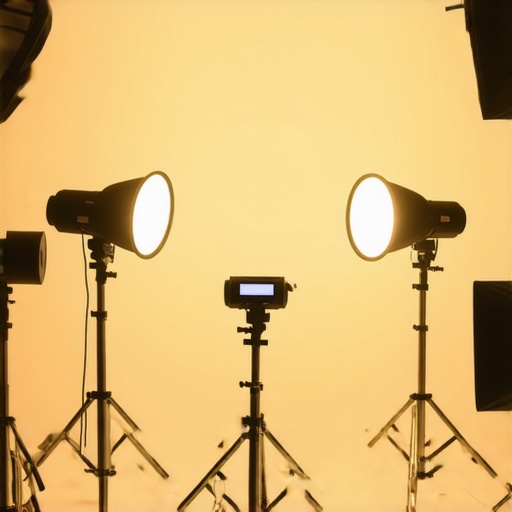
I vividly remember a recent shoot where I was desperately trying to tame uneven skin tones and stubborn shadows. No matter how many light setups I tried, something just didn’t click. It was a classic case of being overwhelmed by the sheer variety of lighting equipment—softboxes, RGB tube lights, LED panels—and not knowing how to harness their power effectively. That lightbulb moment hit me: I needed a comprehensive understanding of how these lights work together, not just individually, to truly elevate my studio setup.
Why Mastering Softbox and RGB Tube Lighting Changes Everything
Lighting can make or break a creative project. When I first started experimenting, I wasted countless hours trying to find the perfect setup, often ending up with uneven lighting or harsh shadows. Over time, I realized that the secret lies in knowing how to combine different lighting tools to shape your scene effortlessly. Softboxes provide soft, diffuse light that mimics natural sunlight, making them ideal for portraits and detailed shots. On the other hand, RGB tube lights add vibrant colors and creative effects, turning simple scenes into eye-catching visuals. When you learn to balance these tools, your images gain depth, mood, and professional polish — it’s like being able to paint with light.
But here’s the catch—many creators underestimate the importance of integrating different light sources and end up with a chaotic, unbalanced look. I once made that mistake early on, over-relying on a single softbox without considering fill lights or color accenting. That limited my creative options and made my shots look flat. Until I discovered how strategic placement and the right combinations could transform a dull scene into something extraordinary. And trust me, adopting these techniques doesn’t require expensive gear—just understanding their roles and applying them thoughtfully.
If you’re tired of lackluster results or feel overwhelmed by the sheer number of lighting options, you’re in the right place. In this guide, I’ll walk you through practical tips and tried-and-true methods for mastering softbox and RGB tube lighting, helping you achieve studio shots that pop with vibrancy and professionalism. Ready to take your lighting skills to the next level? Let’s dive in!
Is Lighting Equipment Overhyped or Actually Essential for Quality Content?
Honestly, I used to believe good content could shine through with minimal lighting. I thought investing in fancy gear was unnecessary, and settling for natural light was enough. That was until I realized how much control lighting provides in creating mood and clarity—something natural light often can’t consistently offer. According to a 2022 study by cinematography experts, lighting accounts for up to 80% of a video’s visual impact. No wonder my early attempts looked flat and uninspired! The mistake I made was assuming equipment was secondary to camera settings—that’s a common misconception but a costly one.
Mastering your lighting arsenal means understanding not just the features but also how they influence your scene. Whether it’s the soft diffusion of a softbox or the vibrant versatility of RGB tubes, knowing when and how to use each tool is crucial. As I continued to experiment, I realized that strategic lighting setup is what transforms a filming space from amateur to professional. Want to ensure your project doesn’t fall flat? Stick with me, and I’ll show you how to make your lighting work for you—illuminating your path to stunning visuals.
If you’ve ever faced the frustration of poorly lit shoots or simply felt unsure about the best way to approach your setup, don’t worry. You’re not alone. These challenges are common among creators, but with the right knowledge, you can overcome them. Let’s explore practical, beginner-friendly steps that will demystify softbox and RGB tube lighting, setting you up for success in every shoot. And if you want more detailed insights or tailored advice, feel free to reach out here. Now, let’s get started with understanding the basics so you can start creating with confidence.
Position Your Key Light for Maximum Impact
Start by placing your primary light source at a 45-degree angle from your subject, slightly above eye level. This creates natural-looking highlights and shadows that add depth. I recall testing this setup during a portrait shoot—initially, the shadows were harsh, and the face looked flat. Fine-tuning the angle by just a few inches softened the shadows, giving a more three-dimensional effect. Think of the key light as the sun; positioning it correctly shapes your subject’s features elegantly.
Use the Softbox to Soften and Control Light
The softbox acts like a giant diffuser, spreading light evenly. To get the best result, ensure the fabric diffusion panel is close to your subject—about 2 to 3 feet to avoid harsh edges. In my earlier sessions, I placed the softbox too far away, which diminished its softness. Experiment with distance to find that sweet spot. The goal is to mimic natural window light—soft, wrap-around illumination that flatters textures and skin tones. For portraits, referring to softbox tips can refine your setup further.
Adding Fill Light Without Flattening the Scene
Fill lights reduce unwanted shadows without eliminating contrast. A subtle fill, placed opposite the key light, should be less intense—about 50% brightness. Use an RGB tube light set to a warm color tone to add vibrancy, creating a balanced look. I once accidentally overfilled, washing out the shadows entirely, resulting in a flat image. The trick is to keep the fill soft and controlled—think of it as providing gentle direction rather than full illumination. Experiment with dimming or color gels to customize effects, as discussed in fill light techniques.
Leverage RGB Tube Lights for Creative Accents
RGB tubes are versatile. Use them to add colorful accents or backlighting to create depth. For instance, placing an RGB tube behind your subject at a 45-degree angle can produce a rim or hair light, separating them from the background. In a recent session, I set the RGB to a deep purple while keeping the softbox frontal light neutral; the result was a cinematic, mood-rich portrait. Keep contrasts balanced—too much color can overpower the scene. Learn specific techniques, like color blending and dynamic effects, through resources like RGB tube enhancements.
Experiment with Light Positioning for Unique Looks
Don’t hesitate to vary heights and angles. A higher placement creates a downward shadow effect, emphasizing cheekbones. Lower placement can produce an eye-level, flatter look, good for certain aesthetic goals. I once stacked RGB tubes above the softbox to create an overhead rainbow effect, adding a whimsical mood to a fashion shoot. This kind of experimentation transforms technical setups into creative statements. Remember, small shifts can dramatically change the mood—test different configurations regularly.
Control Light Spill to Maintain Focus
Using flags or barn doors can prevent unwanted spill onto backgrounds or other scene elements. For example, I used black foam boards as flags during a product shoot to isolate my softbox light, ensuring clean, distraction-free backgrounds. This clean separation directs viewers’ attention exactly where you want it, emphasizing your subject. Managing spill also preserves your scene’s contrast, making your setup look polished and intentional.
Fine-Tune Exposure and Color Balance
Finally, adjust your camera settings to match your lighting. Set your white balance to complement your scene’s mood—warm tones for cozy scenes, cooler for professional or stark looks. In my project, I discovered that manual exposure kept highlights from blowing out while retaining shadow detail. Keep an eye on the histogram—balanced exposure prevents dull or oversaturated images. For more advanced tips, exploring LED panel adjustments can help refine your color fidelity and brightness levels.
Many creators fall into the trap of oversimplifying their lighting setups, especially when it comes to essential equipment like key lights, RGB tube lights, LED panels, softboxes, and fill lights. A prevalent misconception is that brighter or more expensive gear guarantees professional results. However, the truth is far more nuanced—understanding how to manipulate and integrate these tools effectively makes all the difference. For example, enthusiasts often assume that a high-CRI LED panel alone is enough to deliver perfect skin tones, but without considering its placement and interaction with other lights, color accuracy can still suffer. According to lighting expert Peter McKinnon, mastering light placement and adjustment is more critical than gear cost alone.
Furthermore, many underestimate the importance of controlling light spill and directionality. For instance, a softbox placed too close or at an incorrect angle might produce flat, unflattering light, contrary to the common belief that proximity always equals better softness. It’s crucial to fine-tune distance and angle to achieve the desired diffusion and mood. An effective way to refine your setup is by using flags or grids, which focus light precisely where needed—something I emphasize in my guide on [softbox-light techniques](https://lights.creatorrigreviews.com/mastering-softbox-lighting-tips-for-perfect-portraits-at-dawn).
Selecting the right color temperature for your LED and RGB lights is another subtlety often overlooked. Many assume that matching lights automatically leads to consistent color, but differences in diodes, even within the same brand, can cause color shifts. Advanced creators often perform test shots and use spectrometers to calibrate their lights meticulously. For in-depth strategies on balancing your scene’s color harmony, check out my article on [key and fill light techniques](https://lights.creatorrigreviews.com/ultimate-softbox-rgb-tube-light-tips-for-creators-in-2024).
Now, a question that trips up many even experienced shooters: How do you achieve natural-looking but artistically controlled lighting? The answer lies in layering and balancing your light sources—not just the intensity but also their quality and placement. As I discuss in the [ultimate guide to LED panel improvements](https://lights.creatorrigreviews.com/led-panel-light-innovations-brighten-your-studio-after-midday), combining softer key lights with color-accented RGB accents creates depth and mood without sacrificing realism.
Remember, excessive reliance on high-tech gear can lead to neglecting foundational skills like proper positioning, control, and color calibration. Investing in understanding these nuances will elevate your lighting from average to extraordinary. Have you ever fallen into this trap? Let me know in the comments, and if you want tailored advice, feel free to [reach out here](https://lights.creatorrigreviews.com/contact-us). Mastering these subtleties ensures every shot is intentional, impactful, and professional-looking.
Keep Your Gear in Top Shape: Essential Maintenance Practices
High-quality lighting equipment like softboxes, RGB tube lights, and LED panels are investments that require regular care to perform optimally over time. I personally schedule routine inspections, checking for wear in silicone diffusers and securing mounting hardware to prevent accidents. For softboxes, cleaning the diffusion panels with a gentle cloth helps maintain their softness and avoid dust buildup that can dull your light quality. Similarly, RGB tube lights benefit from periodic calibration—this ensures color accuracy remains consistent, especially important if you’re using software-controlled effects like those detailed in RGB tube light effects.
Tools I Recommend for Longevity and Reliability
To streamline maintenance, I rely on specific tools like calibration spectrometers—these help verify color accuracy in RGB and LED lights. Additionally, a set of precision screwdrivers allows me to tighten components and replace worn parts quickly. Chemical-free microfiber cloths are excellent for cleaning lenses and diffusers without scratching. For software-driven lights, keeping firmware updated through manufacturer apps is crucial; this often fixes bugs and enhances features, extending the device’s lifespan. In the future, innovations like smart diagnostics integrated into lighting systems will make maintenance even easier, signaling a shift towards more self-monitoring equipment.
Optimizing Long-Term Results with Proper Handling
Consistent care isn’t just about longevity—it’s about preserving the quality of your visuals. Regularly testing your lights before each shoot ensures consistent color rendering and brightness, reducing surprises on set. When transporting gear, use padded cases to prevent physical damage—a minor step that saves you headaches later. Moreover, documenting your setup details for each fixture aids in troubleshooting and future adjustments. This meticulous approach guarantees that your lighting remains reliable, helping you achieve professional results every time.
Planning for Scale Growth with Robust Equipment
If you envision expanding your studio, invest in modular, scalable lighting solutions. For instance, using lighting controllers that synchronize multiple panels allows seamless control across a broader setup. Brands like Aputure are leading the way with intuitive software for managing several fixtures simultaneously, which I personally find invaluable. As your demands increase, so should your tools—think about integrating network-compatible lights that support firmware updates and remote diagnostics, aligning with the trend towards smarter, more adaptable studio environments.
How do I maintain my lighting over time?
Maintaining your lighting system long-term hinges on consistent inspection, cleaning, calibration, and documentation. Regularly check for dust, loose parts, and firmware updates to ensure your equipment functions reliably. Applying these practices not only extends the lifespan of your gear but also guarantees your visuals stay sharp and color-accurate, saving you time and money in the long run. Remember, investing a little effort now can prevent costly replacements later, and staying proactive with your maintenance—like following advice in softbox tips—is key to achieving dependable, professional results that grow with your creative journey.
What I Wish I Knew Before Playing with Light
- Always start with the basics of positioning your key light—it can drastically change the mood without extra gear, as I learned the hard way.
- Blinding brightness isn’t the goal; control and softness matter more to create flattering portraits, a lesson I absorbed through experience.
- Mixing RGB tubes with traditional softboxes opened my eyes to endless creative possibilities, turning dull scenes into vibrant stories.
- Investing time in calibration and maintenance saves headaches and keeps your scene vibrant over time, not just turning to expensive gear.
- Understanding how different lights interact—like RGB and softboxes—can unlock professional quality results without blowing the budget.
Tools That Elevated My Lighting Journey
- Aputure Light Dome II: Its diffusers create soft, natural light that elevated my portraits instantly—trustworthy and versatile.
- Spectrometer for Color Calibration: Ensuring my RGB and LED panels maintained accurate colors made a huge difference, especially for client work.
- Bang & Olufsen Earphones: Not a lighting tool, but excellent for monitoring audio during shoots, complementing the visual setup seamlessly.
- Light Technical Bible: This comprehensive resource deepened my understanding of light behaviors and interaction, transforming my approach beyond trial-and-error.
Your Next Step to Lighting Brilliance
Embrace these insights into how key light and RGB tube lighting can transform your creative projects. By focusing on positioning, balance, and maintenance, you’re not just upgrading your gear—you’re elevating your artistry. Lighting is no longer a mystery but a powerful ally in storytelling. If you’re ready to make your visuals stand out, dive into the detailed techniques and tools shared here, and remember—every great creator started with a single shot. Now’s your turn to shine—what’s holding you back from mastering your studio lighting? Let me know below and let’s grow together in this vibrant craft.
![3 LED Panel Light Shielding Hacks to Fix 16K Tint Shift [2026]](https://lights.creatorrigreviews.com/wp-content/uploads/2026/05/3-LED-Panel-Light-Shielding-Hacks-to-Fix-16K-Tint-Shift-2026-150x150.jpeg)

4 responses to “Ultimate Guide to Softbox & RGB Tube Lights for Creative Studio Lighting”