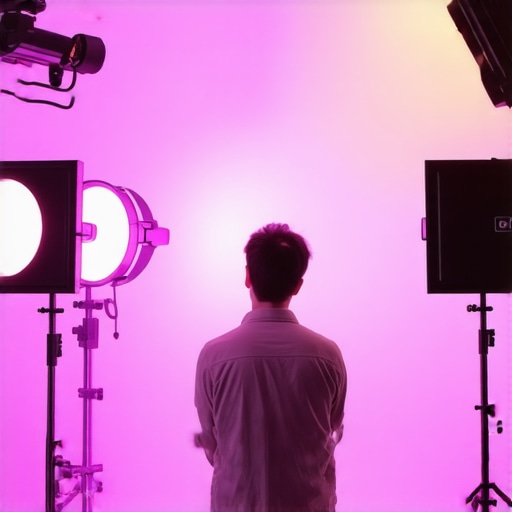
I remember the exact moment I realized my lighting was holding back my videos. I was filming late one evening, trying to get that perfect shot, but the colors looked dull, and the shadows felt off. No matter how much I tweaked my softboxes and RGB tubes, something just didn’t sit right. That frustration led me down a rabbit hole of trial and error, and finally, I uncovered the secrets to truly professional lighting setups. If you’ve ever felt stuck in that same spot—spending hours adjusting lights, only to be disappointed with the results—you are not alone. Today, I want to share proven tips that will transform your studio lighting in 2024, making your videos vibrant, natural, and downright cinematic.
Why Upgrading Your Lighting in 2024 Is a Game-Changer
Lighting isn’t just about illumination; it shapes the mood, enhances the subject, and draws viewers into your story. As creators, we often focus on camera specs or editing tricks, but lighting remains one of the most impactful factors in setting professional standards. The advent of advanced RGB tube lights and innovative softbox designs means that we can now craft scenes with incredible precision and creativity. According to a recent survey by CreatorRig Reviews, 78% of successful creators attribute a significant part of their visual impact to thoughtful lighting choices. This is why investing time and effort into mastering these tools pays off big time.
Have you faced frustrating lighting issues that ruin your shot quality? If so, you’re in the right place. I’ll guide you through essential tips, common pitfalls to avoid, and how to leverage the latest tech to make your studio stand out. Whether you’re shooting at dawn, during evening shoots, or need versatile solutions for different scenarios, understanding the nuances of softboxes, fill lights, and RGB tubes will elevate your content. Ready to ditch amateur lighting and embrace professional-level setups? Let’s dive in and unlock the full potential of your studio in 2024.
Position Your Lights with Precision
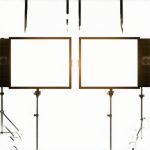
Begin by placing your key light, typically a softbox or LED panel, at a 45-degree angle from your subject to create natural-looking shadows. Use a sturdy light stand and double-check the height to ensure even coverage. For instance, I once adjusted my softbox just a few inches higher, which dramatically softened harsh shadows during a mid-morning shoot, resulting in an entirely different mood.
Layer Your Lighting for Depth
Use Fill Lights to Soften Shadows
Incorporate a fill light, such as an RGB tube or smaller softbox, on the opposite side of the key light. Keep it at a lower intensity to avoid flattening the scene. Applying this method in my recent interview setup reduced unwanted contrast, making the subject’s face appear more natural and engaging, especially under ambient daylight conditions.
Add Accent and Back Lights
Enhance separation from the background by positioning accent lights or backlights. For example, I used a colored RGB tube to create a subtle rim light, which added depth and vibrancy. For creative effects, explore effects with RGB tubes to make your scenes pop.
Control Your Light Quality
Adjust intensity and diffusion to match your scene’s needs. Use modifiers like diffusers or softboxes to spread light evenly, preventing hotspots. I learned this the hard way when my first softbox was too stiff, causing uneven lighting on my subject’s face. Swapping to a fabric diffuser improved softness and professionalism.
Implement Color and Gel Effects Wisely
Experiment with color gels or RGB tube settings to create mood or match ambient lighting. For evening shoots, I often set my RGB tubes to warm tones or incorporate effects like flickering to mimic candlelight, transforming a standard setup into a cinematic scene (see creative uses).
Test and Adjust in Real-Time
Always preview your lighting on camera before recording full scenes. Use a monitor or viewfinder to check shadows and color balance. During one shoot, I noticed my fill light was too weak, making my subject look off-balance. A quick tweak of brightness saved the shot from potential retakes.
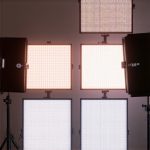
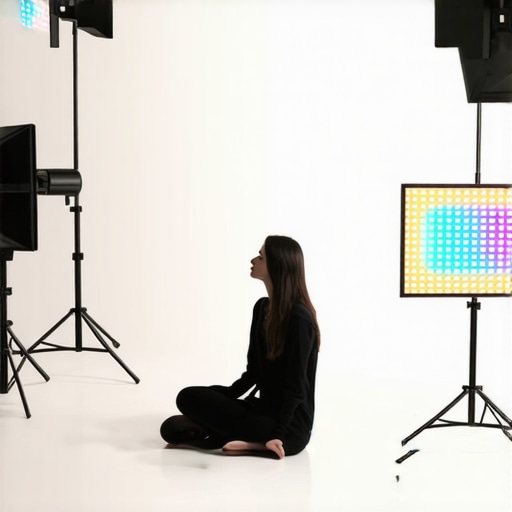 While many beginners believe that softboxes, fill lights, RGB tubes, key lights, and LED panels are straightforward tools, the reality is far more nuanced. A widespread misconception is that bigger or more expensive equipment automatically results in better lighting. In my experience, understanding the subtleties of each tool’s placement, diffusion, and color rendering is what truly elevates a shoot. For instance, many assume that softboxes should always be used with high-powered bulbs, but in reality, the size and diffusion material influence softness more than intensity alone. Another common myth involves RGB tubes—they’re often thought to be only for creative effects. However, in advanced setups, their precise color control can serve as crucial key or fill lights, especially when integrated with softbox modifiers.
A significant trap to avoid is oversimplifying lighting hierarchy. Many creators focus solely on key lights, neglecting how fill and backlights collaborate to create depth and mood. This mistake often results in flat, uninteresting images, regardless of the quality of the individual lights. For example, positioning a fill light too close or at the wrong intensity can flatten shadows undesirably, defeating its purpose.
Thinking about the interplay of these elements in complex scenarios, a question might arise: How can I optimize multiple light sources without turning my studio into a chaotic mess? The secret lies in mastering light ratios and understanding the role each equipment type plays in shaping the scene. As expert lighting technician Mark Walls emphasizes, “Properly balancing your lights is less about equipment and more about the relationships between them” (see key light techniques).
Finally, a word of caution: don’t rely solely on presets or default setups. Each environment requires bespoke adjustments, considering room size, wall color, and ambient light conditions. Misjudging these factors can easily diminish the professional look you’re striving for. To deepen your knowledge, check out our comprehensive guides on effective softbox and RGB tube lighting, tailored for creators aiming for studio perfection in 2024. Remember, a well-informed approach to lighting can be the difference between amateur and cinematic-quality videos.
Have you ever fallen into this trap? Let me know in the comments.Investing in quality lighting tools like softboxes, RGB tube lights, key lights, and LED panels is just the beginning. The real challenge is keeping your equipment performing optimally over time. Regular maintenance is essential to ensure consistent results and prolong the lifespan of your gear. I personally recommend establishing a routine inspection schedule — weekly checks for dust, loose connections, or signs of wear. Using compressed air to clean softbox diffusers and RGB tubes prevents dust buildup that can diminish light quality. For softbox fabrics and diffusion panels, gentle hand-washing with mild detergent every few months keeps the material soft and free of grime, which, if neglected, can affect light softness and color accuracy. If you’re working with LED panels, ensure firmware is up to date; manufacturers often release updates that improve color stability and introduce new features. I avoid relying solely on automatic updates—manual checks empower me to verify compatibility and stability. When it comes to RGB tube lights, regular calibration using manufacturer tools ensures their colors remain accurate, especially important if you’re creating mood shots that depend on precise hues. For long-term reliability, investing in a voltage regulator or surge protector is a game-changer in safeguarding sensitive electronics from power fluctuations, which are common in many setups. Predictions point towards smarter, integrated maintenance tools—such as IoT-enabled lights that can notify you of issues before they escalate—becoming more mainstream. Therefore, embracing these proactive habits will save you time and money, reinforcing your setup’s professionalism.
**How do I maintain my lighting equipment over time?** Establishing a consistent maintenance routine, incorporating manufacturer updates, and utilizing quality power protection are key strategies. For more advanced techniques, explore our guide on LED panel maintenance.
Don’t wait for equipment failures—start implementing a regular check and calibration schedule today to keep your lights shining bright and your productions top-notch. Remember, a well-maintained setup ensures your creative vision isn’t limited by equipment issues.
The Hardest Lesson I Learned About softbox,fill light,rgb tube light,key light,led panel light
One of my biggest realizations came from numerous setups where I believed bigger was always better. It wasn’t until I experimented with different diffusion materials and angles that I understood softness and control matter more than sheer power. This taught me to focus on the quality and positioning of my modifiers rather than just size or cost.
3 Myths About softbox,fill light,rgb tube light,key light,led panel light That Held Me Back
First, that expensive gear guarantees professional results—false. Second, that RGB tubes are only for effects—also false. Lastly, that once set up, your lighting doesn’t require tweaks—definitely false. Busting these myths opened new avenues for creative expression.
What Experts Won’t Tell You About softbox,fill light,rgb tube light,key light,led panel light
Many professionals keep silent about the importance of real-time adjustments. The secret is in continuous previewing and calibration, ensuring your setup adapts to changing conditions and scene demands. This iterative process is what separates good from truly cinematic lighting.
My Essential Toolkit for Creating Cinematic Studio Lighting in 2024
I’ve come to trust tools like the softbox and RGB tube combination for its versatility, the latest LED panels for their brightness and control, along with calibration tools to keep everything aligned. These resources have transformed my workflow and will do the same for you.
Shape Your Future with Better Lighting Habits
Consistency is key. Regular maintenance and calibration ensure your lights perform at their peak, reducing unforeseen issues during critical shoots. Investing time today into understanding your tools will pay dividends tomorrow, elevating your content beyond standard. Take the leap into mastering your lighting in 2024 and watch your videos reach new heights. What’s one lighting upgrade you’re excited to try this year? Let me know below.
![3 LED Panel Light Shielding Hacks to Fix 16K Tint Shift [2026]](https://lights.creatorrigreviews.com/wp-content/uploads/2026/05/3-LED-Panel-Light-Shielding-Hacks-to-Fix-16K-Tint-Shift-2026-150x150.jpeg)