I vividly remember the exact moment I realized my lighting was holding back my videos. It was late evening, and I was trying to shoot a casual Q&A—only to find my softbox casting harsh shadows and making my skin look dull. Frustration hit me hard. Despite my enthusiasm, my lights seemed to betray me, converting what should have been a simple shoot into a struggle. That aha moment sparked a desire to understand lighting deeply, not just for my projects but to truly elevate my content.
How Poor Lighting Can Kill Your Creative Vibe
If you’ve ever spent hours setting up, only to be disappointed with how your footage turns out, you’re not alone. Proper lighting isn’t just about visibility; it shapes the mood, texture, and professional feel of your videos. I learned that many creators overlook the power of tools like LED panels and RGB tube lights, thinking they are optional accessories rather than game-changers. The truth? Good lighting can dramatically enhance your footage with minimal effort.
Did you know that studies show proper lighting boosts viewer engagement by up to 80%? That’s right. The right illumination can make your content stand out in a crowded space, increasing watch time and followers. But I also made a common mistake early on: I relied on cheap, inadequate lights, resulting in color imbalance and unflattering shadows. Recognizing this, I shifted towards more professional solutions, which you can discover more about in my guide to [softbox, RGB tube, and LED panel lighting techniques](https://lights.creatorrigreviews.com/best-softbox-rgb-tube-lights-for-creators-in-2024).
If you’re tired of dull, flat videos or intimidating lighting setups, don’t worry—I’ve been there. In the sections ahead, I’ll share practical insights and personal tips to help you select and use the best lights for your creative needs, ensuring your content is as vibrant as your ideas.
Kickstart with a Clear Setup Plan
Before plugging in any lights, visualize your scene. Think about where you want your subject to stand and how light should shape their appearance. I once set up a softbox directly in front of me without considering shadows, resulting in a flat look. To avoid this, sketch your layout or use a quick test shot to identify problematic shadows or hotspots. This planning prevents wasted time and ensures your lighting enhances your content right from the start.
Choose Your Key Light Wisely for Drama and Depth
The key light is your main illuminator, setting the mood. A softbox placed at a 45-degree angle to your subject mimics natural light and softens features. For a cinematic glow, angle it slightly higher to cast gentle shadows under the chin. I once used a harsh LED panel straight on, washing out my face; switching to a softbox improved my skin tone instantly. Dive into these tips for mastering key light placement that elevates your videos.
Balance with Fill Light to Avoid Flatness
The fill light softens shadows created by the key. Use a softer or lower-powered light—like a smaller softbox or an RGB tube with adjustable color temperature placed opposite the key. I experimented by adding a fill light at 30% intensity, which gave my shot dimension without eliminating shadows entirely. For natural-looking results, consider these techniques to craft the perfect fill.
Incorporate Accent Lights for Depth
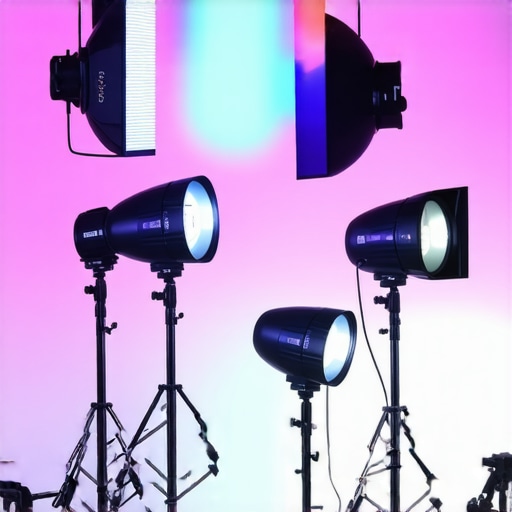
Accent or backlights add separation from the background. An RGB tube light behind the subject can produce vibrant highlights or color accents, making your scene pop. I once used a red RGB tube to add mood during an evening shoot, which dramatically improved the depth. Experiment with different colors and intensities; check out creative RGB uses to inspire your setup.
Fine-Tune Your Light Positions for Flattering Results
Adjust your lights incrementally, observing how shadows fall and skin tones brighten. A slight tilt of the key light can minimize unflattering shadows; tilting the fill allows you to control shadow softness. I remember spending an hour tweaking my softbox angle, finally achieving a natural, professional look. Remember, small adjustments have big impacts. Use your camera’s preview mode often to verify changes.
Maintain Consistent Lighting for Quality
Ensure your lights don’t flicker or change intensity during shoots. Use stable power sources and verify your dimmers and controllers are set properly. I once experienced flickering because my dimmer was incompatible, which ruined an entire take. Regularly test your setup before recording to catch issues early. Reliable lighting creates a seamless aesthetic that keeps viewers engaged.
Study and Replicate Professional Techniques
Observe how pros position lights in their videos. Notice the angles, distances, and color temperatures they use. Practice by mimicking their setup, then adapt it to your scene. Over time, these techniques become second nature. For instance, mastering the key and fill setup will give you a foundation you can build upon endlessly.
Record Test Shots and Analyze Results
Always shoot test footage after adjustments. Review for shadows, color balance, and skin tone accuracy. I once made a small tweak to my RGB tube light, and the difference was immediate—my shot felt more vibrant and lifelike. Keep notes on what works, so your lighting becomes consistently better over time. This iterative process ensures your content looks professional and polished every time.
While many content creators recognize the importance of proper lighting, there’s often a misunderstanding of how these tools work and their nuanced behavior. One prevalent myth is that all LED panel lights are interchangeable, but in reality, many overlook the significance of color temperature consistency and flicker-free operation, especially when shooting at higher frame rates. This oversight can introduce flicker or color shifts that degrade video quality, despite the array of features touted by manufacturers. Always research whether an LED panel supports flicker-free shooting at your desired frame rate to avoid surprises. *Expert tip:* Look for certifications like IEEE flicker-free standards for peace of mind.
Another common pitfall involves softboxes. Creators often assume that any softbox provides a similar softness and quality of light, but the materials, diffusion layers, and size significantly influence the emitted light’s softness and spread. An undersized or poorly diffused softbox can result in harsh shadows or hotspots, counteracting the goal of achieving a flattering key light. To truly elevate your portrait work, consider investing in high-quality diffusion materials and understanding how size impacts light softness. A larger softbox isn’t always better; it depends on your distance and studio space.
Fill lights are frequently underestimated both in placement and intensity. Many beginners set their fill light at full power or place it directly in front, unintentionally flattening their subject and losing depth. Instead, employing a subtle, controlled fill—sometimes with a reflector or a dimmer—can add natural dimension without flattening features. The key is to avoid overfill, which diminishes contrast and muddies the image. For advanced control, I recommend integrating dimmable fill lights and experimenting with angles to craft subtle shadow nuances.
Key lights often get misunderstood as solely providing bright illumination. But the deliberate positioning and angle are what dictate the scene’s mood and texture. Placing the key light too close or at a harsh angle can create unflattering shadows, emphasizing textures or imperfections. Conversely, a soft, well-placed key helps elevate your entire shot. For nuanced control, check out these techniques for professional key light placement.
RGB tube lights are sometimes thought of as mere colorful accent lights, but their true potential lies in their versatility. A mistake creators make is relying solely on static colors; their dynamic capabilities—adjustable hue, saturation, and brightness—offer creative storytelling opportunities. However, if not calibrated properly, RGB tubes can produce inconsistent color rendering. This inconsistency can clash with skin tones or other elements if you’re not careful. To avoid this, ensure your RGB tubes support high CRI ratings and calibrate them with your camera’s white balance for seamless integration. For inspiring ideas, explore these creative uses.Maintaining your lighting equipment is crucial for achieving professional-looking videos consistently. I personally rely on a combination of regular cleaning with microfiber cloths and using manufacturer-approved cleaning solutions to keep my softboxes and LED panels dust-free and operational. For my key lights, I invest in sturdy stands and ensure that all connections are tight and secure before each shoot. When it comes to RGB tube lights, I periodically calibrate their color accuracy with a CRI meter, especially when planning long projects. Using the right tools for maintenance, such as anti-static brushes and proper storage cases, extends the lifespan of your gear and prevents unexpected failures. I also use a dedicated power conditioner to protect my equipment from surges, which can damage sensitive electronics over time. For software management, I keep firmware updated for my LED panels and RGB lights via manufacturer apps, ensuring optimal performance and new features. As technology advances rapidly, I predict that future lighting solutions will incorporate smarter self-monitoring systems, alerting creators to potential issues before they escalate.
How do I maintain my lighting setup over time?
Regular inspections for wear and tear are vital. Check cables for cuts or frays, and replace any worn-out parts immediately. Clean diffusion materials of softboxes gently to avoid damaging the fabric, and make sure to store lights in a cool, dry place to prevent mold and corrosion. Additionally, I schedule quarterly calibration sessions for my RGB lighting to maintain color fidelity, especially for content where accurate skin tones matter most. Investing in high-quality maintenance tools such as anti-static brushes and protective covers not only preserves your equipment but also ensures safety during operation. Remember, a well-maintained setup saves money in the long run by reducing repairs and replacements. If you want to elevate your maintenance routine further, I recommend consulting technical documentation from brands like Aputure or Godox, which often contain detailed care instructions and troubleshooting tips. For example, their firmware update procedures can fix bugs and improve stability, as confirmed by expert reviews on lighting forums. Don’t neglect your gear—integrate these maintenance practices today and experience more consistent, reliable lighting for all your creative projects. Want to delve deeper? Reach out via the contact us page to discuss tailored maintenance strategies or get hands-on advice from industry professionals.
What I Learned About Lighting the Hard Way
One of the most valuable lessons came from my early mistakes, like neglecting the importance of color temperature consistency in LED panels. I relied on cheaper options without verifying flicker-free operation, which resulted in flickering artifacts—an amateur mistake that taught me to always research technical specs thoroughly. Similarly, underestimating softbox material quality led to harsh shadows that no amount of post-production could fix, emphasizing the importance of investing in high-quality diffusion materials and understanding their impact on softness and spread. These setbacks shifted my approach from guesswork to deliberate research, ensuring my lighting setups are both reliable and visually appealing.
I also discovered that fill lights, when overused or incorrectly placed, can flatten your scene rather than add dimension. Instead of full-power fills placed face-on, subtle adjustments with dimmers and angles created depth and natural skin tones. This realization encouraged me to embrace more controlled, nuanced lighting techniques—something I wish I had known earlier. Finally, regularly maintaining and calibrating my RGB tubes and softboxes, rather than neglecting them, proved crucial in keeping colors true and equipment performing at peak levels, saving me time and frustration during shoots.
My Toolkit for Creative Lighting
- Godox SL60W LED Light: Its flicker-free performance and adjustable color temperature make it my go-to for consistent results.
- Neewer Softbox Kit: High-quality diffusion helps create soft, flattering key lighting—essential for portraits or vlogs.
- RGB Tube Lights (e.g., GVM LED RGB Tubes): Versatile for adding vibrant accents and mood, especially when calibrated correctly for skin tones.
- LightMeter: Critical for measuring intensity and balancing multiple lights effectively, ensuring professional quality setups.
Each tool has played a part in elevating my work, and I trust these because of their reliability and performance under real shooting conditions. As technology advances, I look forward to smarter, self-monitoring lighting solutions that preempt issues—saving creators time and frustration. To keep my gear in prime condition, I perform regular calibrations, clean diffusion materials gently, and store equipment securely, following manufacturer guidelines and expert advice. My experiences underscore that consistent maintenance is the backbone of professional-quality content.
Your Next Lighting Move Starts Now
Implementing these lessons and using trusted tools can transform your videos from good to extraordinary. Remember, mastery of lighting isn’t about expensive gear alone but about understanding how each element interacts with your scene and subject. Keep experimenting, stay curious, and don’t shy away from making mistakes—they’re often the best teachers on your creative journey. The future of lighting holds exciting innovations, and as creators, embracing these changes will set your work apart. So, why not start today? Adjust that key light, calibrate your RGB tubes, or invest in a quality softbox—your audience will thank you for the difference.
What’s the biggest lighting challenge you’ve faced so far? Share your story below—let’s learn together!
,
![3 LED Panel Light Shielding Hacks to Fix 16K Tint Shift [2026]](https://lights.creatorrigreviews.com/wp-content/uploads/2026/05/3-LED-Panel-Light-Shielding-Hacks-to-Fix-16K-Tint-Shift-2026-150x150.jpeg)

One response to “Ultimate Guide to LED Panel & RGB Tube Lights for Creators”