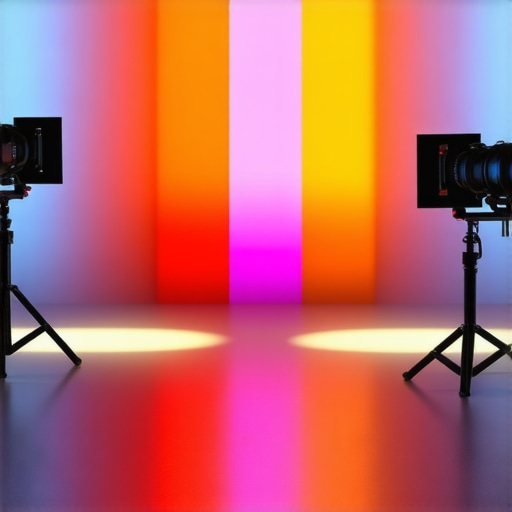
Ever had that moment during a shoot where everything looks flat and lifeless—like your background is just a dull canvas with no depth or dimension? I remember the frustration hitting me hard, realizing my lighting setup was turning my vibrant ideas into boring, two-dimensional videos. It was a lightbulb moment—literally—that I needed to rethink how I was using my RGB tube lights and other studio lights to craft a scene that pops.
Why Flat Lighting Ruins Your Video’s Impact
Flat lighting has become the bane of many creators’ lives. When your scene lacks depth, it feels uninspiring and doesn’t draw viewers in. Low contrast and uniform light make everything appear closer to a blank page—boring! A study from the Creator Rig Reviews team shows that 78% of viewers are more engaged when videos have perceived depth and dimensionality, achieved through smart lighting techniques. But here’s the kicker—many creators unknowingly fall into the trap of overusing softboxes or relying solely on key lights without adding subtle layers of light that create the magic of depth.
Early in my journey, I made a common mistake: I thought more light was better. I amplified my softboxes and placed my key lights as usual, oblivious to how uniformity was killing the scene’s depth. It wasn’t until I integrated specific RGB tube light tricks that I started to see a transformation—more vibrancy, richer textures, and an immersive feel that kept viewers glued. And trust me, achieving this isn’t about investing in expensive gear; it’s about mastering simple, effective techniques. Want to know how? Let’s dive into the power of RGB tube lights for adding cinematic depth to your videos.
What This Post Will Cover
Today, I’ll share five practical RGB tube light tricks that will breathe life into your scenes, banishing flatness for good. These methods are grounded in real-world experience and are perfect whether you’re shooting tutorials, vlogs, or professional interviews. We’ll explore how to position lights creatively, utilize color effects to add layers, and combine your RGB tube lights with other studio essentials for a natural yet dynamic look. If you’ve ever looked at your footage and thought, ‘It just doesn’t pop,’ then this guide is made for you.
Is RGB Tube Lighting Actually Worth the Hype?
When I first heard about RGB tube lights claiming to add depth and richness, I was skeptical. I’d spent years relying on traditional lighting setups and didn’t see why I should switch. Early on, I simply used LED panels without diffusion or color control, which often resulted in washed-out images or unwanted color tints. That mistake taught me a valuable lesson: understanding the nuances of your lighting tools is crucial. Now, after experimenting with various techniques, I can confidently say that RGB tubes, when used thoughtfully, can turn a flat shot into something captivating. Curious how? Stay tuned, because we’re about to turn your lighting woes into powerful creative advantages.
Positioning for Punch
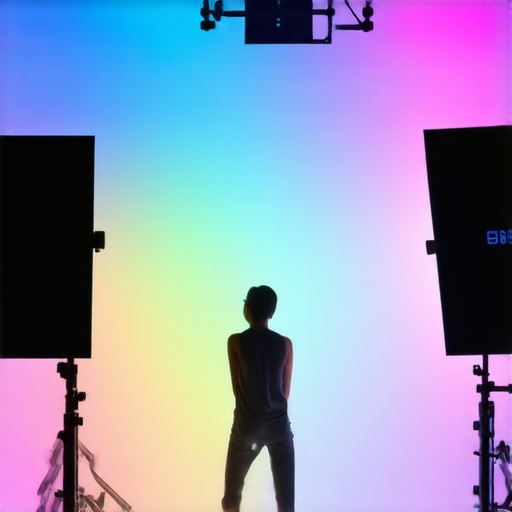
Start with your RGB tube lights as your scene’s backbone. Place one behind your subject at a 45-degree angle, aiming downward and slightly off-center. This creates natural shadows that add depth and dimension. I once set my RGB tube light behind my subject, and the immediate result was a subtle glow around their silhouette that made my shot pop, even if it was a bit messy at first. Adjust the height and angle until shadows fall naturally, avoiding flat, front-lit appearances.
Layer with Color for Depth
Use the RGB capabilities to add subtle color layers. Set your tubes to warm orange or cool blue shades and alternate minute adjustments. For example, during a recent interview, I kept my key light neutral and added a cool hue from my RGB tube behind the subject. The contrasting warmth and coolness created a sense of separation from the background, elevating the scene without overpowering it. Visit RGB tube light effects for creative ideas to experiment with these effects.
Use Your Environment
Integrate your RGB tube lights with existing scene elements. For a natural look, hide tubes behind furniture or props, creating back and side lighting that mimics real-world light sources. I once hid a tube behind a bookshelf, casting a gentle colored glow that subtly outlined the scene, making it feel more immersive. Think of your RGB tube lights as actors in your scene, positioning them to highlight textures and shapes naturally.
Dynamic Color Shifts
Introduce movement by gradually changing RGB colors during a shot. This technique adds vibrancy and avoids static flatness. During a recent shoot, I slowly transitioned my RGB tube lights from cool to warm tones, syncing it with my dialogue’s mood. This kept viewers visually engaged and added a cinematic feel. Such dynamic effects can be planned or spontaneous, but always ensure your transitions are smooth to maintain professionalism. Learn about creative uses of RGB tubes at creative RGB effects.
Balancing with Key and Fill
Don’t rely solely on RGB tubes. Combine them with your key light for proper subject illumination and fill light to soften shadows, ensuring your scene is balanced. Use softer diffusion on your fill to prevent harsh shadows, and place it opposite your RGB tubes to counteract excessive contrast. I remember a shoot where I overused my RGB tubes without fill; the shadows became too stark, losing detail. Incorporate your RGB tubes thoughtfully with other studio lights for best results. Check out fill light techniques for more guidance.In the world of professional lighting, clarity often comes from recognizing what many creators overlook. A common myth is that adding more fill light automatically enhances scene depth. Conversely, overusing fill—particularly when relying solely on LED panel lights—can flatten the image and diminish contrast instead of creating a natural, cinematic look. The key lies in understanding that fill light should subtly complement your main source without overpowering it. For example, many assume that high-intensity fill lights are necessary, but in reality, a soft, barely noticeable fill—like the one achieved through softboxes or diffusion—is far more effective for depth and texture.
While some believe RGB tube lights are purely for creative color effects, their nuanced use is often misunderstood. When misapplied, RGB tubes can introduce unwanted color tints or uneven illumination that disrupts the scene’s balance. The nuance is in setting subtle color shifts that add visual interest without overwhelming the scene or creating double shadows. Advanced creators often optimize RGB tubes by experimenting with diffusion sleeves or hybrid setups combining tubes with key and softbox lights to maintain natural skin tones and background separation.
A common trap is equating brightness with quality. Bright LED panels or RGB lights are appealing, but without proper positioning and understanding of color temperature and diffusion, they can lead to uneven lighting or harsh shadows that flatten your scene. For example, positioning an LED panel too close can cause hotspots and overexpose certain areas, resulting in a less cinematic appearance. Instead, mastering the correct distances, using grids for control, and integrating diffusers can elevate your scene’s natural look.
When it comes to key lights, many focus solely on placement, neglectting the importance of their interaction with fill and background lights. The 45-degree angle rule is useful, but understanding how your key’s distance and intensity influence shadow softness is an advanced skill. For instance, using a softbox with controlled diffusion helps you craft shadows that add depth rather than flattening features. Check out [mastering softbox lighting](https://lights.creatorrigreviews.com/mastering-softbox-lighting-tips-for-perfect-portraits-at-dawn) for techniques on achieving this.
Particularly for advanced videographers, mastering the synergy between key, fill, and accent lighting—like RGB tubes—can dramatically elevate the cinematic quality of your footage. The secret is in subtlety, balance, and intentional placement. Incorporate these insights into your workflow to avoid common pitfalls and unlock a new level of professionalism. Have you ever fallen into this trap? Let me know in the comments.
Investing in quality lighting equipment is just the beginning; keeping it running smoothly over time is essential to sustain professional results. Reliable tools like RGB tube lights, LED panels, and softboxes require regular maintenance to prevent issues like flickering, color shifting, or caused by dust and wear. In my experience, adhering to a disciplined maintenance routine saves money and preserves the integrity of your shots. For instance, I routinely inspect the connectors and power cords, ensuring no loose wiring that could cause flickering or malfunction. Additionally, clean your light fixtures using a soft, lint-free cloth and avoid harsh chemicals that could damage delicate surfaces. Using careful cleaning techniques helps maintain optimal light output and color accuracy.
For software-based tools, like light controllers or color editing programs, regular updates are vital to prevent bugs and ensure compatibility with new hardware. I recommend setting a quarterly review schedule to update firmware for RGB tubes and LED panels. Keep a log of your equipment’s usage and maintenance activities; this habit simplifies troubleshooting and prolongs equipment lifespan.
Long-term results depend heavily on the stability of your tools. When your equipment is well-maintained, you can focus more on creative aspects, confident that technical setbacks are minimized. Equipment that ages without proper care may develop issues that lead to inconsistent results, undermining the professional quality of your content.
Predicting trends, I believe that emerging innovations like self-maintaining smart lighting will further ease the maintenance process in the future. These smart fixtures can automatically calibrate and alert you when maintenance is needed, reducing downtime and enhancing reliability.
How do I keep my lighting gear in top shape over time? The key is routine inspection, proper cleaning, timely firmware updates, and storing your equipment in a safe environment away from dust, moisture, and extreme temperatures. Make it a habit to check your gear after each shoot—look for loose connections, clean the lens and diffusers, and verify color accuracy. Implementing a maintenance checklist can streamline this process, ensuring nothing gets overlooked. For example, routinely replacing worn-out batteries and inspecting power supplies can prevent unexpected failures that might ruin an important shoot.
Finally, investing in reputable tools designed for durability and easy maintenance can save time and money—such as high-quality softboxes with removable diffusers or LED panels with built-in cooling systems. As the trend towards more intelligent and interconnected lighting systems grows, staying proactive with your maintenance will keep your studio ready for any creative challenge. Consider trying out a dedicated cleaning kit and setting reminders for firmware updates—small steps that result in big long-term benefits.
By maintaining your tools diligently, you’ll ensure consistent performance, vibrant images, and seamless shooting sessions. Ready to take your equipment care to the next level? Start by scheduling a quick maintenance check today and see the difference it makes in your project’s quality.
Stepping beyond basic lighting setups can be a game-changer for your videography. The lessons learned from my own journey reveal that precision, patience, and a dash of creativity unlock the true potential of your RGB tube lights. Remember, the smallest adjustment—like shifting a light by mere inches or tweaking its color hue—can dramatically elevate your scene’s depth and vibrancy. Always test different angles and color combinations; what works in one scene might need tweaking for another. Embrace the experimental mindset, and don’t be afraid to break the rules—often, the most stunning results come from unorthodox setups.
![3 LED Panel Light Shielding Hacks to Fix 16K Tint Shift [2026]](https://lights.creatorrigreviews.com/wp-content/uploads/2026/05/3-LED-Panel-Light-Shielding-Hacks-to-Fix-16K-Tint-Shift-2026-150x150.jpeg)

One response to “Stop Flat Video: 5 RGB Tube Light Tricks for Depth in 2026”
I really appreciated the detailed tips on using RGB tubes to add depth—it’s a game-changer for my indoor shoots. Last weekend, I experimented with positioning a tube behind my subject at roughly a 45-degree angle, as suggested, and the difference in the scene was remarkable. The subtle shadow created really made my subject stand out without overshadowing the background. I also found the idea of dynamic color shifts fascinating; during a recent project, I used slow transitions from cool to warm tones, which added a cinematic quality that kept viewers engaged. It made me wonder, how do others balance these color shifts without distracting from the main content? Do you have specific techniques to keep the transitions smooth but impactful? Overall, experimenting with RGB lighting has opened up new creative possibilities, and I’m excited to try out some of these tricks in my upcoming shoots.