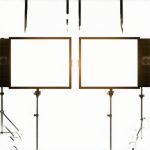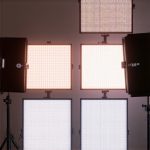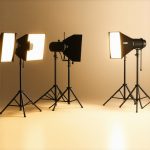
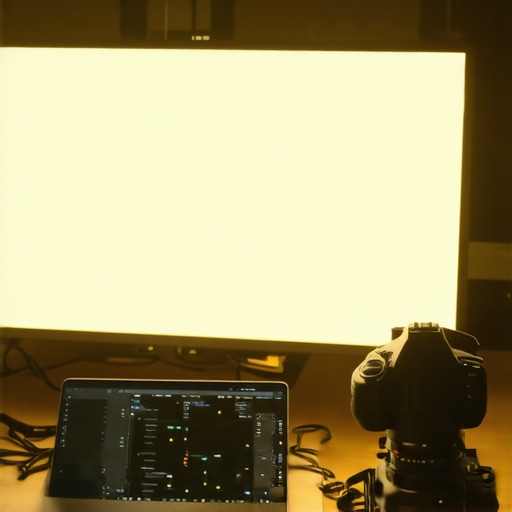
Ever tried to shoot a video in your living room only to realize that the lighting makes everything look flat, dull, and just plain unprofessional? I’ve been there. I remember spending hours fiddling with cheap softboxes and flickering bulbs, only to end up with footage that looked like it was shot in a cave. That frustrating moment was my lightbulb moment—literally. I realized that good lighting isn’t just about having any light; it’s about having the right light, in the right way, at the right time.
Why Lighting Can Make or Break Your Videos
When I first started creating videos, I underestimated the power of lighting. I thought, “How hard can it be? Just turn on a lamp.” But as I learned, lighting is an artist’s brush—an invisible tool that shapes mood, highlights details, and adds a professional polish. Poor lighting can ruin even the best script or camera gear. That’s why investing in quality LED panel lights became my game-changer. They not only improved my video quality but also made shooting easier and more consistent. If you’re tired of grainy footage or uneven shadows, then understanding how to choose and use LED lights is crucial. Today, I’ll walk you through the secrets I’ve picked up along the way, so you won’t have to make the same mistakes I did.
What We’ll Cover Today
From selecting the perfect key light to mastering fill and accent lighting, I’ll share tips that will elevate your videos instantly. We’ll explore the latest innovations in LED panel lights and how they can adapt to different shooting conditions—whether it’s natural sunlight or studio setups. Plus, I’ll point you to some expert resources and guides that helped me master lighting techniques, like the softbox secrets at dawn or the top LED panel tips for videographers. By the end, you’ll know exactly what to look for when picking your next LED panel light, and how to use it like a professional.
Have you ever faced this problem?
Maybe your videos look great during the day but fall flat when you shoot indoors at night? Or perhaps you’ve bought a fancy light only to find it flickering or not adjusting properly? Trust me, I’ve been there. One of my early mistakes was assuming that all LED lights are created equal. I didn’t realize that some are better suited for video than others, and that factors like color temperature and CRI ratings matter more than I thought. That’s why I’m here—to help you avoid those pitfalls and get the most out of your lighting setup.
According to recent studies, proper lighting can boost viewer engagement by over 50%. That’s a game-changer for content creators looking to grow their audience and produce professional-looking videos. So, if you’re ready to shed some of your lighting frustrations and step up your video game, let’s dive into the details of choosing the perfect LED panel light for your needs.
Now, let’s get started with the basics and find the best lighting solutions tailored just for creators like you.
Pick Your Power Source Carefully
Choosing the right light begins with understanding your setup. I once attempted to shoot a quick indoor interview using a cheap LED panel, only to realize it flickered every time I moved. That mess taught me to prioritize lights with high CRI ratings and adjustable color temperatures. An LED panel with a high CRI (Color Rendering Index) — ideally above 95 — ensures colors look natural and vibrant on camera. When I upgraded to a top LED panel, my footage instantly gained clarity and depth, especially during midday shoots. For dynamic scenes, RGB tube lights offer flexibility; their ability to change colors and effects adds mood to your shots. Check out the latest innovations in LED panel tech to find the best fit for your studio.
Position Your Main Light for Impact
Positioning your key light is critical. I recall a shoot where I placed my LED panel directly in front of my subject, resulting in flat, unflattering light. Instead, I learned to angle the key light at about 45 degrees, mimicking natural sunlight. This creates shadows that add dimension. Using a softbox diffuses harsh light, making it more flattering. A common mistake is to place the light too high or too low, which can distort facial features. I fixed this by eyeing the placement and adjusting until shadows fell naturally. For softer, more cinematic results, I recommend mastering softbox techniques. It’s a game-changer for portraits and interviews alike.
Balance with Fill and Accent Lights
After setting my main light, I realized my footage still looked dull. That’s when I added fill lights. I used an RGB tube light with adjustable color to fill in shadows gently. Think of fill lights as the gentle breeze smoothing out harsh shadows — they shouldn’t overpower the primary source. I kept the fill at about half the intensity of the key light and used diffusion to soften it further. For accent lighting, I played with colored RGB tubes to highlight background elements or create mood. During a night shoot, I used RGB tubes for creative effects, adding splashes of color that transformed the scene. Properly balancing these lights prevents your scene from looking flat or overly staged.
Adjust for Natural Lighting Conditions
Natural light can be your best friend or worst enemy. I once shot a product video during sunset, and the changing natural light kept messing with my LED settings. To combat this, I learned to match my LED lights’ color temperature to natural light, which varies from 3000K at sunset to 5600K during midday. Using lights with adjustable color temp lets you blend artificial and natural light seamlessly. When natural light fades, I rely on my LED panels’ brightness and color controls to maintain consistency. For tips on achieving a natural look, see fill light secrets at 6pm. This technique keeps your footage looking authentic, regardless of the time of day.
Practice and Fine-Tune Your Setup
Every scene demands different lighting. My first few attempts were messy, with overexposed backgrounds or underlit subjects. I learned to experiment with distance, angle, and intensity, always reviewing footage on set. Use your camera’s histogram and zebra stripes to avoid overexposure. Take notes on what works best, especially when switching from daylight to artificial lighting. The more you practice, the more intuitive your setup becomes. Over time, you’ll develop an eye for lighting that enhances your storytelling without overcomplicating your workflow.
Remember, mastering lighting isn’t about having the most expensive gear but understanding how to use what you have effectively. Keep experimenting, and you’ll find your signature style — bright, cinematic, or natural — that sets your videos apart.
Many creators jump into lighting setups with a lot of assumptions, but the reality is more nuanced. For instance, a widespread myth is that more expensive softboxes automatically produce better light. While quality matters, the key is understanding how softboxes influence light diffusion and shadow softness. Cheaper models can sometimes produce harsh edges or inconsistent diffusion, which can ruin the shot. Instead, focus on the material quality and the shape of the softbox—those details matter more than price alone. To master this, check out this guide on softbox techniques for professional results.
When it comes to LED panel lights, many assume that brightness is the only factor to consider. However, high brightness without proper color rendering can lead to unnatural skin tones and dull footage. A common mistake is ignoring the CRI (Color Rendering Index), which should ideally be above 95 for accurate color reproduction. Failing to consider this can make your footage look amateurish, especially in close-ups. Keep in mind that a well-balanced LED panel with high CRI and adjustable color temperature will serve you better in varied shooting conditions. For more insights, see latest LED panel innovations.
RGB tube lights are often viewed as just colorful accent tools, but many overlook their versatility. A common trap is using RGB tubes only for background effects, while missing out on their potential as key or fill lights. These lights can be incredibly adjustable, allowing you to match natural light or create mood with precise color control. The mistake is underestimating their power or not calibrating their settings properly, leading to inconsistent hues or flickering. Advanced users leverage RGB tubes for scene shaping, especially when combined with diffusion and modifiers. To get started, explore this comprehensive guide.
What’s the biggest mistake when mixing different lights?
The most common error is mismatching color temperatures or CRI ratings, which can cause your scene to look disjointed. For example, using a daylight LED panel with a warm tungsten softbox can result in color imbalance, making your footage look inconsistent. Always match your lights’ color temperatures or use gels and white balance adjustments to harmonize the scene. This detail separates a good shot from a professional one. For advanced tips, see key lighting techniques.
Remember, lighting is as much about understanding nuances as it is about gear. Don’t fall into these common traps—your videos will thank you. Have you ever fallen into this trap? Let me know in the comments.
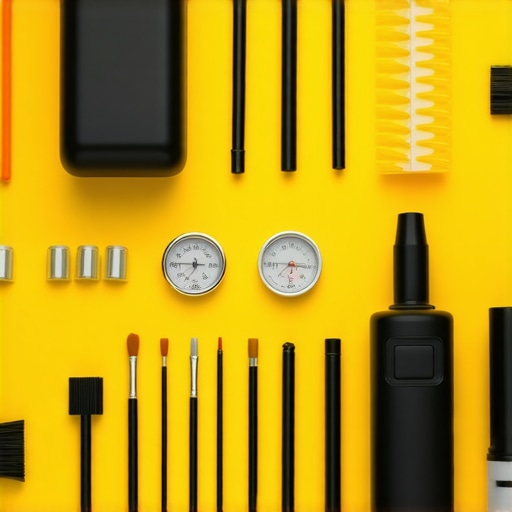
Keeping your lighting setup in tip-top shape is crucial for producing consistently professional videos. Over time, even the best gear can suffer from wear and tear, dust accumulation, or calibration drift. That’s why I rely on specific tools and routines to ensure my softboxes, LED panels, RGB tubes, key lights, and fill lights perform at their best every time I hit record.
How do I maintain my lighting gear over time?
First, regular cleaning is non-negotiable. I use a soft microfiber cloth to wipe down the exterior of my LED panels and RGB tubes, removing dust and fingerprints that can diminish light output. For softboxes, I gently vacuum the diffusion fabric and frame to prevent dust buildup that can cause uneven light diffusion. When cleaning electronic components, I make sure to unplug devices and use compressed air to blow out vents and connectors—this prevents overheating and corrosion, extending the lifespan of your equipment.
Calibration is another key aspect. Over months of use, LED lights can drift in color temperature and brightness. I periodically use a light meter and calibration tools like the LUX meter to check and adjust my LED panels, ensuring consistent color rendering and output. This is especially important if you’re mixing lights from different brands or models. For RGB tubes, I verify that their color accuracy remains intact with a spectrometer or colorimeter, which helps me maintain scene consistency.
Tools I recommend for long-term lighting health
One indispensable tool I swear by is a Digital Colorimeter. It provides precise readings of your lights’ color temperature and CRI, helping me detect subtle shifts that could affect my footage. Additionally, I use a reliable set of spare power supplies, cables, and mounting accessories—think of these as the maintenance kit that keeps everything running smoothly. Investing in quality, durable connectors can prevent frustrating outages during shoots.
For ongoing upkeep, I schedule monthly inspections—checking for loose bolts, frayed cables, or signs of overheating. Keeping a detailed log of these checks helps me identify patterns or recurring issues, so I can replace components before they fail during an important shoot. It’s a simple but effective habit that saves me time and money in the long run.
Looking ahead, I believe the trend in lighting maintenance will lean toward smarter, integrated systems. Future LED panels might include built-in diagnostics, self-calibration, and remote monitoring—saving creators from manual checks. For now, though, a well-stocked toolkit and disciplined routine are your best bets.
So, I challenge you to pick one of these tools—perhaps a calibration device or a microfiber cloth—and incorporate it into your regular maintenance routine. Your lights will thank you with years of reliable performance, and your videos will benefit from consistent, high-quality illumination.
The Hardest Lesson I Learned About softbox, led panel light, rgb tube light, key light, fill light
One of the biggest realizations I had was that investing in cheap lighting gear often leads to more frustration than benefits. I once bought a budget softbox that flickered constantly, ruining my shoots and costing me precious time. It taught me that quality diffusion materials and sturdy construction make a huge difference in achieving soft, professional-looking light. Now, I always prioritize reputable brands and test my softboxes thoroughly before important shoots.
3 Myths About softbox, led panel light, rgb tube light, key light, fill light That Held Me Back
For years, I believed that more expensive LED panels automatically meant better color accuracy, but I found that some high-priced models still struggled with poor CRI ratings. I also thought RGB tubes were only for background effects, but with proper calibration, they became versatile tools for key and fill lighting. Lastly, I assumed all softboxes diffused light equally—until I realized that shape and diffusion material impact shadow softness and light quality more than price.
What Experts Won’t Tell You About softbox, led panel light, rgb tube light, key light, fill light
Most professionals understand that matching color temperatures is crucial when mixing different lights. Yet, many overlook the importance of calibration tools like a light meter to ensure consistent color rendering over time. I learned that regular maintenance, such as cleaning diffusion fabrics and verifying color accuracy, extends the lifespan of your lighting gear and keeps your videos looking flawless scene after scene.
Curated Recommendations for Lighting Success
My Essential Toolkit for Video Lighting includes the latest LED panels with high CRI and adjustable color temperature, a set of quality softboxes for diffusing harsh light, RGB tube lights for creative flexibility, and a reliable light meter for calibration. I trust these tools because they’ve consistently delivered professional results and helped me refine my skills in real-world conditions.
Books That Changed How I View Lighting include “Mastering Softbox Lighting” which taught me softbox positioning, and “Top LED Panel Tips for Videographers” that opened my eyes to better key light setups. These resources provided practical insights I couldn’t find elsewhere.
Where to Go from Here? Explore the ultimate guides on softbox and fill lighting, and experiment with different configurations to discover what works best for your unique style. Remember, mastering lighting is an ongoing journey that pays off in stunning, professional videos.
Your Turn to Try
Now that you know some insider wisdom and curated tools, it’s your chance to elevate your video lighting game. Whether you’re shooting indoors or outdoors, the right lighting setup can transform your footage from amateur to cinematic. Don’t be afraid to experiment with different gear, angles, and techniques—your creative vision deserves the best light possible.
Have you ever struggled with balancing natural and artificial light in your videos? Share your experiences below and let’s learn from each other’s lighting adventures!
![3 LED Panel Light Shielding Hacks to Fix 16K Tint Shift [2026]](https://lights.creatorrigreviews.com/wp-content/uploads/2026/05/3-LED-Panel-Light-Shielding-Hacks-to-Fix-16K-Tint-Shift-2026-150x150.jpeg)