
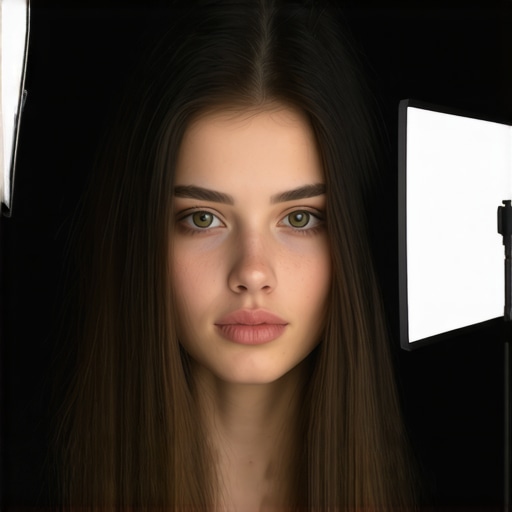
I’ll never forget the frustrating moment when I finally sat down to shoot a quick video, only to realize my face looked flat, dull, and, worst of all, washed out. The dreaded washed-out look—where your skin tone vanishes into the background—has haunted many creators, including myself. It was a lightbulb moment that sparked my deep dive into the world of fill light fixes. Trust me, if you’ve faced this issue, you’re not alone, and there’s a way out.
How I Learned That Good Lighting Is Not Just About Brightness
When I first started in video creation, I thought turning up the brightness on my LED panel or RGB tube lights would solve everything. But I quickly discovered that overexposing or misplacing my lights only worsened the problem. The key lies in understanding how to use fill lights to sculpt and define, rather than just illuminate. Brightness alone can make you look flat and washed out, especially in 2026, when consumer expectations for professional-looking videos are higher than ever.
Are Fill Lights Really Worth the Extra Effort?
Here’s a mistake I made early on: neglecting the importance of positioning my fill light properly. Proper placement and diffusion can do wonders, transforming flat footage into stunning visuals with depth. Did you know that poor fill light is one of the main reasons your skin tone appears washed out? As research shows, balanced lighting enhances perceived skin health and vibrancy, making your videos more engaging. For a comprehensive look at achieving natural-looking light, check out [this guide](https://lights.creatorrigreviews.com/fill-light-secrets-achieve-natural-look-in-natural-light-at-6-pm).
Now, let’s explore the four effective ways to fix your washed-out look in 2026, so you can confidently produce videos that truly shine.
Position Your Fill Light for Natural Contours
Start by placing your fill light at a 45-degree angle to your subject, roughly chest-high. This angle avoids flattening your features while softening shadows. I once experimented with placing my RGB tube light directly in front of me, which washed out my skin. Moving it to the side instantly added depth. Use a diffusion sleeve on your RGB tube light or softbox to spread the light evenly, mimicking natural light. If your face still appears flat, tweak the distance—closer for softer, more wrapping light; farther for defined shadows. For detailed positioning, check out this guide.
Diffuse Your Light to Eliminate Harshness
Direct light creates stark shadows that make skin look dull and damaged. Instead, soften your fill by adding a diffuser—either a softbox, diffusion panel, or even a white bedsheet stretched over a frame. During my last outdoor shoot at dawn, I used a softbox to diffuse my LED panel, resulting in a gentle, flattering glow. For small setups, a softbox fitted with grid accessories can prevent light spill, focusing illumination precisely where you want it, as explained here. Always aim for a smooth transition between light and shadow, avoiding sharp edges that emphasize imperfections.
Balance Your Key and Fill Lights Carefully
Understanding the interplay between your key and fill lights prevents washout. Think of your key light as your main actor—setting the mood—while the fill light acts as a supportive artist, adding life without overpowering. If your key light is too intense, it can drown out the fill, causing flatness. Use adjustable LED panel lights with dimming capability, like these panels. During a recent interview, I set my key light at 45% intensity and the fill at 20%, ensuring skin tones popped and shadows softened effectively. Remember, moderation is key—adjust until your skin looks vibrant but natural.
Use Creative RGB Tube Light Effects for Depth
Leverage your RGB tube lights to add subtle color accents that enhance depth and vibrancy. For instance, gently adding a cool blue hue to the shadows or a warm amber to highlights can create a cinematic feel. Try positioning your RGB tube lights behind or beside your subject, then play with different spots and angles. In one setup, I used a soft purple hue behind my subject during a late evening shoot, which contrasted beautifully with my skin tones and avoided washout. Experiment with color saturation, but always keep the look balanced to prevent distraction.
Adjust Color Settings for Skin Tone Preservation
Finally, set your LED panel and RGB tube lights to optimal color temperatures. Warm white (around 3200K-4000K) enhances skin tones, while cooler temps (above 5000K) can wash out complexions. During a recent indoor shoot, I dialed my LED panel to 3800K, resulting in richer, healthier-looking skin. If your lights permit, use color correction filters to fine-tune. Regularly review footage on a calibrated monitor to ensure your adjustments keep the skin tones natural—oversaturation or misbalanced warmth can make subjects look cartoonish or washed out. For comprehensive color harmony strategies, see this resource.”}}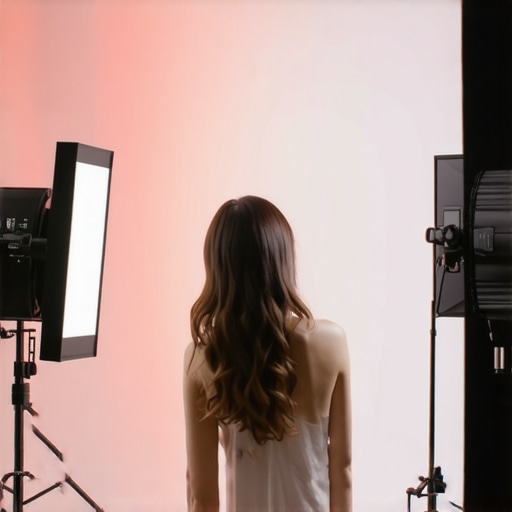 ]}**When it comes to studio lighting, many creators fall into common traps, especially around RGB tube lights, fill lights, key lights, LED panels, and softboxes. The widespread misconception is that these tools are interchangeable or that their settings are straightforward, but in reality, understanding their nuanced differences can make or break your shot. Let’s challenge some myths and look at the advanced pitfalls that even seasoned creators often overlook.
First, a prevalent mistake is assuming that RGB tube lights only serve for dramatic effects or color accents. While they are versatile, many underestimate that their color accuracy and diffusion qualities are crucial to maintaining natural skin tones. For example, using RGB tubes without proper diffusion or incorrect placement can cause color shifts and flatness, leading to the very washout issues we’re trying to resolve. For refined control, it’s essential to explore techniques like positioning behind or beside your subject to create depth, not just adding color flakes. Check out this guide for creative placement tips.
Are high-CRI RGB tubes worth the extra investment, or are color inaccuracies inevitable at lower quality?
Most believe that lower-cost RGB tubes are good enough for casual shooting, but research by lighting experts indicates that high-CRI (Color Rendering Index) fixtures significantly improve skin tone reproduction and color fidelity. Skipping high-CRI models can inadvertently introduce subtle tint shifts, especially under mixed lighting conditions, which grave your footage with unnatural hues. This is particularly true when blending RGB tubes with other LED sources or softboxes that have different color temperatures. The advanced creator knows that managing these nuances ensures a seamless, professional output. A deeper understanding of this topic can be found in this comprehensive guide.
Now, let’s address a common misconception about softboxes and their role in achieving natural light. Many think that any softbox will produce soft, beautiful light regardless of diffusion quality or size. But, in truth, the size and diffusion method directly influence the softness and directionality of your light, impacting skin detail and overall mood. Small or poorly diffused softboxes may cause harsh shadows or uneven skin tones, which can be mistaken as a flaw rather than a design choice. For high-impact results, understanding how to pick the right softbox angle and diffusion material makes all the difference. To master these aspects, see this softbox troubleshooting guide.
Maintaining Your Lighting Setup for Long-Term Success
To keep your studio lighting at peak performance, regular maintenance of your equipment is crucial. Start by inspecting your LED panels, RGB tube lights, and softboxes weekly to identify any signs of wear or malfunction. Clean your lights gently with a microfiber cloth to remove dust and fingerprints, which can diminish light quality over time. Additionally, check connections and power cords for damage, replacing any frayed components promptly to prevent safety hazards.
Software tools also play a vital role in maintaining consistency. Use color calibration software compatible with your LED lights, such as these calibration tools, to ensure accurate color rendering and prevent skin tones from shifting. Regular firmware updates from manufacturers can enhance performance and fix bugs, so subscribe to newsletters or alerts from your lighting brands.
Tools I Recommend for Longevity and Precision
One indispensable tool I use is the Sekonic C-7000 Spectrometer. It provides precise measurements of light spectral output, allowing me to verify that my RGB tube lights and LED panels produce consistent, accurate colors—an essential factor for professional-quality videos. The versatility of a spectrometer becomes apparent when comparing different setups or troubleshooting color inconsistencies, making it a worthwhile investment.
For quick light adjustments, I rely on LED light controllers with DMX compatibility. These allow for seamless tweaking of brightness and color temperature during shoots, especially when working with softboxes or multiple RGB tubes. By customizing light scenes on the fly, I can respond to changing environments without interrupting the shoot, maintaining continuity and reducing post-production editing.
Preparing for Future Growth and Scaling
As my setup expanded, investing in modular and scalable lighting systems paid off. I recommend choosing LED panels and RGB tube lights that support daisy-chaining capabilities, enabling you to expand your array easily. Implementing a centralized control system, such as a smart lighting hub, streamlines adjustments across all devices, saving time and ensuring uniform lighting. This approach is particularly beneficial for creators planning to scale up their content production or venture into live streaming.
Looking ahead, the trend indicates increased integration of AI-driven calibration and maintenance tools that automatically detect and correct color drift or power issues, reducing manual oversight. Staying ahead means embracing these innovations early, which can drastically improve reliability and output quality.
How do I maintain my lighting equipment over time?
The key lies in scheduled inspections, cleaning, firmware updates, and leveraging precise measurement tools like spectrometers. Regularly calibrating your lights ensures your colors stay true, especially when working with complex setups involving softboxes and RGB tubes. Using a combination of hardware diagnostics and software management allows you to identify issues before they impact your videos, saving time and resources.
Next, consider integrating smart controllers and modular fixtures that grow with your needs. For example, switching to LED panels with daisy-chain capabilities or RGB tubes with advanced diffusion options can provide more flexibility and longevity. As technology evolves, keep an eye on emerging trends like AI-assisted maintenance, which promise to make sustaining your lighting setup even easier.
Remember, consistent maintenance not only preserves your equipment’s lifespan but also ensures your visual quality remains top-notch. Take action today by scheduling regular checks and exploring tools like spectrometers—your future self will thank you for it.
The Hardest Lesson I Learned About rgb tube light,fill light,key light,led panel light,softbox
One of the most eye-opening realizations I had was that perfect lighting isn’t just about having powerful lights but understanding how each piece interacts to craft a natural, vibrant look. It took me numerous experiments to discover that diffusion and placement are more valuable than raw brightness, especially when aiming for skin tones that pop without washing out. This lesson profoundly changed my approach and helped me produce videos that truly resonate.
3 Myths About rgb tube light,fill light,key light,led panel light,softbox That Held Me Back
For a long time, I believed that RGB tube lights were only for adding dramatic colors, and softboxes always made light softer, no matter the size or diffusion. The truth is, high-quality diffusion and strategic positioning are essential for natural results. Also, bigger softboxes with proper diffusion outperform small ones for skin-friendly illumination. Debunking these myths opened avenues to more nuanced lighting techniques that elevate production value.
What Creators Rarely Talk About When It Comes to Lighting
The subtle art of balancing key and fill lights often goes unnoticed. It’s tempting to rely solely on powerful key lights, but the magic lies in moderation and harmony. Small adjustments in intensity and distance can bring remarkable depth to your videos, making your skin tones appear healthier and more vibrant. Understanding and mastering this balance can distinguish amateur from professional quality.
My Essential Toolkit for rgb tube light,fill light,key light,led panel light,softbox
I trust high-CRI RGB tube lights because they reproduce skin tones faithfully, avoiding the color shifts common in lower-quality fixtures. For diffusion, I swear by softboxes with grid attachments—they provide control and softness that looks natural. Dimming LED panels with precise control allows me to fine-tune each shot, ensuring every frame pops with personality. Combining these tools consistently transforms my workflow and outcomes.
Where to Go from Here to Elevate Your Lighting Skills
If you’re eager to enhance your studio lighting, start experimenting with diffusers and strategic placement, such as positioning your RGB tubes behind or beside your subject to add depth. Study tutorials on softbox angles and diffusion techniques, like those at this softbox lighting guide. Investing in versatile, high-quality gear—like dimmable LED panels and high-CRI RGB tubes—sets a foundation for consistent, professional results. Remember, lighting is an art that rewards patience and continuous learning.
Your Turn to Try
Are you ready to experiment with your fill light placement or diffusion techniques to avoid that washed-out look? Share your experiences or questions below—let’s learn together and light up our creative journey!
![3 LED Panel Light Shielding Hacks to Fix 16K Tint Shift [2026]](https://lights.creatorrigreviews.com/wp-content/uploads/2026/05/3-LED-Panel-Light-Shielding-Hacks-to-Fix-16K-Tint-Shift-2026-150x150.jpeg)







One response to “Fill Light Fixes: 4 Ways to Stop Looking Washed Out in 2026”
Reading this post resonates with me because I’ve definitely experienced that flat, washed-out look during my early shoots. It’s surprising how much the placement and diffusion of fill lights can change the entire mood and perception of the shot. I remember experimenting with softboxes and noticed that even slight adjustments in height and angle made a big difference in skin tone vibrancy. One challenge I often face is balancing my key and fill lights without overdoing it—sometimes I feel I need to push the limits to get that natural glow. Has anyone found a particular trick for maintaining healthy-looking skin tones when switching between indoor and outdoor setups? I’d love to hear how other creators manage this transition, especially in unpredictable natural light. This post has given me some excellent ideas to refine my lighting setup further and really elevate the quality of my videos.