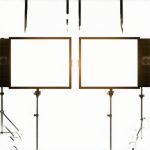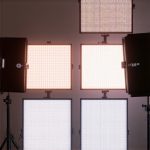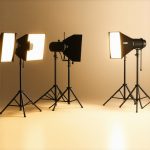
Ever had that frustrating moment during a shoot when your lighting felt… off? Maybe your face looked dull, or the background colors seemed flat, despite pouring hours into your setup. I remember the first time I tried tinkering with RGB tube lights and softboxes, only to end up with more shadows or uneven color tones. I thought, “There has to be a better way.” That lightbulb moment led me deep into the world of professional lighting for creators. And let me tell you, understanding the nuances of LED panels, key lights, and fill lights is a game-changer. In 2024, mastering these tools isn’t just a nice-to-have; it’s essential for anyone serious about elevating their videos and photos. Today, I want to share how you can avoid common pitfalls and set up your studio for perfect lighting every time.
Why Lighting Mastery Defines Your Content Quality
When I started out, I underestimated the power of good lighting. I believed a decent camera and a catchy script would do the trick. Spoiler: they don’t. No matter how creative or compelling your content is, poor lighting sabotages your efforts. A well-illuminated shot highlights your best features, creates mood, and guides your viewers’ focus. In fact, studies show that viewers form an opinion about video content in just milliseconds, influenced heavily by visual quality.
Get this—according to a report by Cisco, video will account for 82% of all online traffic by 2024. That’s millions of potential viewers judging your work based on a split second impression. If your lighting isn’t up to par, you risk losing that audience before they even see your talent. Now, I’m not suggesting you need Hollywood-grade setups. But understanding the right use of LED panel lights, key lights, and fill lights can dramatically upscale your production quality (see the latest LED panel innovations here). It’s about working smarter, not harder, and making informed choices that will stand out in this crowded digital space.
Is It Really Worth Investing in Fancy Lights?
Absolutely, but only if you avoid the rookie mistakes I made early on. For instance, I once bought a set of RGB tube lights because I was sold on the “color-changing” hype—only to find out I struggled with uneven color temperature and complicated controls that slowed me down. It took me months to realize that investing in the right lighting tools — and learning how to use them properly — makes all the difference. The key is understanding which lights suit your niche, your camera, and your workflow. And yes, it’s an investment, but think of it as building a foundation for effortless, professional-looking content (check out key light techniques here). I’ll guide you through the essentials to prevent these mistakes and get your studio lighting right from the start.
Pick the Right Key Light for Your Space
Select a primary light source that matches your shoot size and style. For example, I once used a compact LED panel in my small bedroom, which I adjusted to mimic natural sunlight, resulting in a warm, inviting glow. Aim for a light with adjustable brightness and color temperature to match different shooting times. Think of it like choosing the main actor in your scene—it’s central to the mood you want to create.
Position Your Key Light Effectively
Place your key light at about 45 degrees to your subject’s face, slightly above eye level. This angle creates natural-looking shadows that add depth. When I experimented with a softbox at that angle, I noticed my face looked more three-dimensional, and the shadows were soft enough not to appear harsh. Use a tripod or stable mount so that your light stays consistent throughout the shoot.
Use Fill Lights to Soften Shadows
Introduce a fill light on the opposite side of your key light to reduce harsh shadows. An RGB tube light in a softbox works well here because of its color versatility. During my last setup, I set the fill light to a lower intensity with a warmer hue, balancing the scene and preventing me from looking too flat. Think of fill lights as backstage crew—they subtly enhance the main act without drawing attention.
Incorporate Background and Accent Lighting
Add accent lights or background panels to create depth and interest. I once mounted an LED panel behind me, pointing at a textured wall, which added a pop of color and dimension. For a creative touch, consider using RGB tube lights to add dynamic colors to backgrounds, especially during evening shoots. This layering technique prevents your scene from feeling static and adds visual intrigue.
Adjust and Fine-Tune Your Setup
Test your lighting from the camera’s perspective, and make small adjustments to brightness, angle, and color. I recommend shooting a few test shots, then tweaking the settings. For example, I initially had my key light too bright, causing my face to wash out. By dimming it slightly and adding a subtle fill, I achieved a natural look. Remember, lighting is an art of balance—small changes make a big difference.
Leverage Light Modifiers to Control Spill
Use softboxes, diffusers, or barn doors to shape and control light spill. When I used a softbox with a diffuser, my skin tone looked even and soft, perfect for portrait videos. For harsher lights, adding flags or barn doors helps prevent unwanted reflections or glare. Think of modifiers as your sculpting tools—sculpt the light precisely to fit your scene’s mood.
Many creators assume that all RGB tube lights, LED panels, key lights, softboxes, and fill lights are interchangeable or that their basic functions are enough for professional results. However, this oversimplification can lead to costly mistakes and subpar lighting setups. Let’s dig into some advanced misconceptions and pitfalls that can sabotage your studio lighting effectiveness.
Why Relying Solely on Color-Changing Features Isn’t Enough
It’s a common belief that RGB lights’ primary advantage is their ability to produce a spectrum of colors for creative effects. While versatile, many overlook the importance of color consistency and accurate temperature control, especially during extended shoots. In my experience, overemphasizing flashy color modes can distract from achieving natural, balanced lighting. Experts advise prioritizing lights with stable color temperature and high CRI ratings to ensure skin tones and scenes render accurately (see recommended specs here). Focusing on color fidelity over gimmicks results in more professional and adaptable setups.
Beware of the Allure of Cheap, Overpowered Lights
A common trap is purchasing high-lumen RGB tube lights or LED panels with no regard for beam quality, diffusion, or control. Brightness alone doesn’t guarantee flattering results. I once bought a powerful RGB tube expecting to eliminate the need for modifiers, only to find harsh shadows and glare ruining my footage. Instead, invest in lights that offer adjustable output and good diffusion options. This helps prevent overexposure and ensures your lighting shapes the subject softly and naturally. Additionally, choosing lights that allow precise control over color temperature and intensity reduces post-production editing time, leading to more efficient workflows.
Advanced Tactics for Perfect Placement and Control
Many underestimate the importance of subtle positioning and modification of lights. For example, placing a fill light too close or at an incorrect angle can flatten the scene or introduce color casts. Similarly, using softboxes or barn doors improperly can diffuse or block essential highlights. Discovering the optimal angles and distances for your equipment significantly elevates your lighting quality. Learning to manipulate light falloff and shadows creates depth and dimension that viewers subconsciously find more engaging. For deeper insights, check out these softbox techniques.
Is Your Light Power Matching Your Scene Needs
Another often overlooked nuance is matching light intensity with scene requirements. Using excessively powerful lights in small spaces or underpowered lights in large rooms can produce unnatural results, requiring extra adjustments. Advanced creators use light meters and test shots to dial in perfect power levels, ensuring scenes are neither washed out nor too dim. This level of precision separates hobbyists from professionals and avoids the trap of over- or under-lighting. Remember, the goal is to create a balanced, well-lit scene that complements your subject and mood. For tips on achieving this balance, see key light strategies here.
Have you ever fallen into this trap? Let me know in the comments and share your experiences. By understanding these hidden nuances, you can truly elevate your lighting game and produce content that stands out. Proper equipment choice, positioning, and control are crucial for professional-quality results—don’t let misconceptions hold you back from mastering your studio environment.Once you’ve set up your ideal lighting environment, consistent maintenance and the right tools become essential to keep everything functioning smoothly. Regularly inspecting your equipment for dust, loose connections, or wear can prevent unexpected failures during shoots. I personally use compressed air to clean diffuser lenses and softboxes, helping maintain even light quality. Investing in a dedicated light meter, like the Sekonic C-700, allows me to fine-tune brightness and color temperature over time, ensuring consistent results across sessions. Additionally, keeping spare bulbs, batteries, and connectors in your toolkit minimizes downtime, especially in remote shoots. I also rely on software like LRTimelapse to calibrate my LED panels periodically, preserving color fidelity. Prediction suggests that smart, networked lighting systems—offering remote diagnostics and auto-calibration—will become a standard in home studios within the next few years, reducing manual maintenance efforts.
How do I maintain my lighting tools over time?
Developing a routine to check connections, clean lenses, and update firmware keeps your gear performing at its best. Using high-quality power sources and surge protectors prevents damage from voltage fluctuations, which can shorten equipment lifespan. For software, always keep drivers and control apps updated to leverage new features and security improvements. Remember, effective maintenance not only prolongs your equipment’s life but also ensures your creative work remains consistent and professional. To dive deeper into softbox maintenance techniques, check out this guide. Don’t forget to regularly document your setup settings and maintenance routines—it makes troubleshooting faster and easier. Try implementing a weekly check of your vital equipment, and you’ll notice fewer unexpected surprises during your shoots.
The Hidden Lessons That Transformed My Lighting Approach
One of the most valuable insights I gained was how crucial subtle adjustments are. Small tweaks in light positioning or intensity can dramatically change the mood and professionalism of your content. I once spent hours trying to make my RGB tube lights work perfectly, only to realize that minor angle changes made all the difference in eliminating glare and creating soft shadows. These moments taught me to pay attention to details I might otherwise overlook.
Another lesson was the importance of understanding your own space. Studio size, background textures, and even ceiling height impact how lights behave. Initially, I used the same setup for different rooms, which often led to uneven results. Customizing each environment with specific light placement strategies, like those discussed in these softbox techniques, proved invaluable.
Finally, I learned that patience and testing are your best friends. Rushing to finalize your lighting setup only increases errors. Taking the time to shoot test images, analyze shadows, and adjust accordingly helps achieve consistent excellence. These lessons grew from trial and error but ultimately saved me time and improved my content quality significantly.
Tools That Changed How I Master My Studio Setup
Investing in a quality light meter like the Sekonic C-700 allowed me to measure and calibrate my lights precisely, ensuring consistent results. Pairing this with high-CRI LED panels such as those highlighted in forward-thinking guides has elevated my lighting game. I also rely on software for calibration and updates, which keeps my setup current and reliable. Efficiently maintaining and upgrading my gear prevents unexpected surprises and keeps my content sharp.
For background creativity and dynamic color effects, RGB tube lights and softboxes equipped with adjustable settings have become staples. Tools that offer adaptive controls, like those discussed in these strategic guides, make it easier to craft mood and atmosphere tailored to each project.
Embrace Your Lighting Evolution and Keep Moving Forward
Remember, mastering your studio lighting is a journey. Great results come from continuous learning, experimentation, and knowing when to invest in the right tools. Don’t be discouraged by initial setbacks; instead, see them as stepping stones toward creating content that truly stands out. Technology like smart lighting systems and innovative modifiers will keep evolving, so stay curious and proactive.
Now is the perfect time to refine your lighting skills and build a setup that speaks to your unique style. With patience and persistence, you’ll unlock creative possibilities you never imagined. Your content deserves that professional glow—go for it!
What’s the most surprising lighting trick you’ve discovered in your journey?
Share your experiences or questions below—let’s learn and grow together in mastering studio lighting for 2024 and beyond!
,
![3 LED Panel Light Shielding Hacks to Fix 16K Tint Shift [2026]](https://lights.creatorrigreviews.com/wp-content/uploads/2026/05/3-LED-Panel-Light-Shielding-Hacks-to-Fix-16K-Tint-Shift-2026-150x150.jpeg)