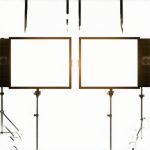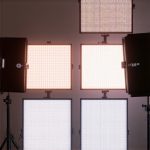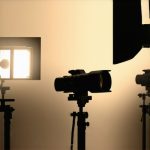
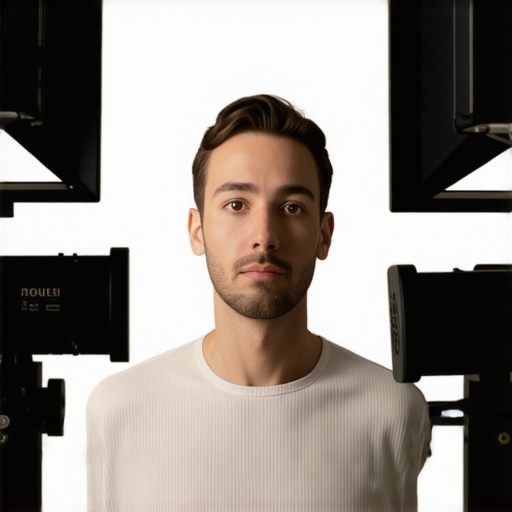
I vividly remember the moment it hit me—after hours of trying to shoot a professional-looking scene, I looked at the playback and, instead of a warm, inviting face, I saw a flat, almost cartoonish version of my subject. Despite using top-tier softboxes and RGB tube lights, something was off. The skin tones looked washed out, and the facial features seemed disconnected from reality, almost like a two-dimensional cutout. It was my light setup, or more accurately, the lack of proper fill light, that caused this 2D Face Syndrome in my footage.
Why Fill Lights Are Your Secret Weapon Against 2D Faces
If you’ve been battling with flat-looking skin tones, harsh shadows, or faces that seem to lack depth, you’re not alone. As creators gear up for the 2026 visual standards, the challenge of maintaining natural, three-dimensional facial appearance becomes more critical than ever. The culprit? Often, it’s insufficient or poorly positioned fill lights that fail to balance the primary key lighting. This unbalanced lighting makes faces appear dull and lifeless, stripping away their natural contours and warmth.
Is It Really Worth the Extra Effort?
I used to think that investing time in fine-tuning fill lights was overkill. I believed good key lights alone would do the trick. But early on, I made the mistake of relying solely on a softbox placed directly in front of my subject—leaving the sides and under-chin areas shadowed, creating that undesirable flatness. Once I understood that proper fill lighting is what breathes life into my videos, everything changed. Today, I’ll share the essential fixes that transformed my setup and can save your content from looking 2D.
Ready to add dimensionality back into your videos? Let’s dive into the three proven fill light techniques that will help you achieve natural, captivating skin tones and facial depth—regardless of your studio size or budget. These tips are rooted in real-world experience and scientific lighting principles, so you can trust they’ll make a noticeable difference. Want to see how proper fill lighting can elevate your visuals? Keep reading, and consider exploring our ultimate guide to studio lighting for more in-depth techniques.
Position Your Fill Light Correctly
Start by placing your fill light at a 45-degree angle to your subject, opposite the key light. Use a stand or mount that allows precise height adjustment—about nose level or slightly higher—to avoid unnatural shadows and maintain even skin tones. I once worked with a softbox on a boom arm, wielding it like a weapon to fine-tune that perfect angle, which corrected the flatness I previously experienced. This setup prevents the dreaded “flattened” face appearance and creates subtle shadows that give facial features depth.
Control the Intensity for Natural Results
Set your fill light’s power to balance the key light without overpowering it—aim for a ratio around 2:1 or 3:1, depending on your scene. Using dimmers or adjusting the distance can fine-tune this balance. I recall during a shoot, I increased the fill light’s brightness slightly after observing too much shadow, leading to a more vibrant skin tone. This avoids washed-out looks and keeps faces lively and dimensional.
Diffusion Is Your Best Friend
Add diffusion material—like a softbox grid, diffusion gel, or an Chinese lantern—between the fill light and your subject. Softening the light prevents harsh edges and creates a gentle wrap effect around facial contours. I once used a frosted plastic sheet over my LED panel, which smoothed out shadows drawn by a harsh softbox, resulting in skin tones that felt warmer and more natural. This step elevates flat lighting into cinematic depth.
Fine-Tune with Lighting Effects
Experiment with colored or subtle RGB effects to add dimension—like a hint of warmth or coolness—to complement skin tones. This works especially well with RGB tube lights or colored gels. For instance, during an evening shoot, I subtly shifted the fill light’s hue to match the environment’s mood, enriching the scene’s realism. Combining color and diffusion enhances depth perception and prevents your face from looking dull or plastic.
Use Multiple Fill Sources
For complex setups, supplement your main fill with small, directional lights—like tiny LED panels—to illuminate shadowed areas such as under the chin or around cheekbones. I once added a small LED panel beneath my camera’s view, bouncing light toward the neck, resulting in a more natural transition from face to background. This multi-layer approach creates a dynamic, textured look that mimics the natural interplay of light in real environments.
Practice Makes Perfect
Adjust, test, and observe each change critically—small shifts can drastically improve facial depth. During a prior shoot, I kept stepping back and tweaking the angle and intensity until the face had a lively, three-dimensional quality. Remember, every face reacts differently; what works for one subject may need modification for another. Keep experimenting with your fill light placement and settings until your footage reflects genuine warmth, depth, and vitality.
Need help with specific lighting equipment or setup advice? Reach out via our contact page for tailored guidance.
Many creators believe that simply owning high-end lighting equipment guarantees cinematic results, but this is a dangerous oversimplification. Most people get wrong the nuances of light quality, placement, and color temperature. It’s not enough to buy a glossy softbox or a powerful LED panel; understanding their limitations and best practices is essential. For instance, relying solely on a softbox without considering diffusion can lead to harsh shadows and flat skin tones, undermining your footage’s depth.
Do We Overlook the Power of Light Modulation?
One prevalent mistake is treating all lights as interchangeable. Softboxes and RGB tube lights have different spectral and diffusion properties, impacting how skin and colors render on camera. A common myth is that RGB lights are mainly for color effects; in reality, thoughtful color recipes can add sophisticated depth.
Additionally, many underestimate the importance of proper LED panel light Kelvin settings or the significance of softening via diffusion, which can prevent that plastic, over-processed look.
Beware the Fill Light Trap
A widespread mistake involves using fill lights at full power or from the wrong angles, which can flatten facial features instead of enhancing them. Instead, effective fill hinges on subtlety and placement—placing it at a 45-degree angle, slightly below eye level, and controlling its intensity creates a natural, three-dimensional look. Our fill-light secrets detail how small adjustments can dramatically improve your image’s depth.
Overdoing fill light can result in dull, washed-out faces, so it’s critical to balance it carefully—think of it as a tool for shaping shadows, not eliminating them entirely.
What About RGB Tube Lights for Cinematic Depth?
Many assume RGB tube lights are only for vibrant, color-washed backgrounds. But when used with subtle hues and proper diffusion, they can sculpt scenes with nuanced tonal variations. Combining them with softboxes or diffusers creates a soft, cinematic glow that enhances facial contours and background textures. For advanced users seeking that next-level look, exploring creative RGB effects can add multi-layered depth, especially during evening shoots where ambient lighting is key.
Curious how to get maximum effect from your RGB tube lights? It’s all about color temperature balancing and placement.
Remember, the devil is in the details: subtle hues, diffusion, and precise positioning often outperform flashy, high-output fixtures. Having a comprehensive understanding of each light’s spectrum, diffusion capability, and directional control helps avoid common pitfalls and achieves professional depth.
Have you ever fallen into this trap? Let me know in the comments and share your experiences with lighting nuances to help fellow creators avoid these subtle but costly mistakes.
Ensuring your lighting setup remains consistent and effective requires a combination of the right tools and regular maintenance routines. I personally rely on a few key pieces of equipment that help me troubleshoot and maintain optimal performance. For instance, a digital lux meter is indispensable—not just for initial setup but for ongoing calibration. I use the Sekonic LightMeter, which offers precise readings of ambient and studio light levels, ensuring my softboxes, LED panels, and RGB tubes stay within the desired brightness ranges. Regularly verifying color temperature and light intensity with such tools prevents drift over time, preserving the professionalism of your footage.
Additionally, I recommend investing in a reliable diffuser cleaning kit. Dust, fingerprints, or residual moisture can distort diffusion materials, dulling light quality and causing unwanted hotspots or shadows. I make it a habit to inspect and clean my diffusion screens monthly, which rarely takes more than 10 minutes but hugely impacts consistent light softness and color accuracy.
To troubleshoot issues that crop up unexpectedly, having a versatile multimeter on hand is helpful. It allows me to quickly test power supplies and ensure my LED panels or RGB tube lights aren’t suffering from voltage inconsistencies, which can cause flickering or color shifts. I personally favor the Fluke 117 because of its reliability and ease of use in a studio environment.
Hardware wears out or becomes less predictable after extensive use, so I keep spare parts—like replacement diffusion gels, power adapters, and mounting brackets—organized in a dedicated toolbox. This proactive approach reduces downtime and keeps the creative flow smooth, especially during critical shoots.
As lighting technology evolves rapidly, staying updated with firmware and software updates is equally vital. LED panels and RGB tubes often release improvements that enhance stability or add new effects. I subscribe to manufacturer newsletters and set calendar reminders for firmware upgrades, ensuring my gear benefits from the latest enhancements. This practice is particularly crucial for RGB tube lights, as firmware updates can significantly improve color accuracy and synchronization capabilities.
Forecasting the future, I believe this trend towards integrated diagnostics and smart maintenance tools will only grow. Imagine a lighting system that can self-diagnose issues, alert you via an app, and even recommend troubleshooting steps—saving time and preventing costly failures. To stay ahead, I recommend adopting a routine of regular checks with digital tools and maintaining a well-stocked toolkit for quick fixes. Why not try calibrating your key and fill lights with a lux meter today? It’s a small step that ensures your footage always looks its best.
How do I maintain my lighting over time?
Developing a consistent routine is the key. Schedule quarterly inspections of diffusion materials and mounts—cleaning and replacing parts as needed. Keep firmware updated to benefit from enhancements and prevent bugs. Regularly test your lights with a lux meter before important shoots, and keep an organized set of spare parts handy. These steps help you catch issues early, extend equipment lifespan, and maintain professional-quality lighting day after day. For detailed maintenance tips, check out our comprehensive guide.
Lessons Lights Taught Me That I Didn’t Expect
- Consistency in placement matters more than the fancy gear I thought I needed. Minor adjustments in angle and height transformed my footage from flat to lively.
- Over-relying on powerful lights without diffusion or proper fill often results in shiny, plastic-like skin tones. Subtlety and balance are king.
- Color temperature isn’t just about matching my key light; it’s about creating mood and depth. I learned that tweaking hues with RGB effects could mimic natural skin nuances.
- Sometimes, small, inexpensive diffusers outperform expensive softboxes—softening shadows and adding warmth, making subjects look more authentic.
- Regular calibration using tools like lux meters prevented drift and kept my lighting consistent, saving me time and frustration in post-production.
My Secret Arsenal for Creative Lighting Success
- Sekonic LightMeter: My trusted companion for precise light measurements and maintaining color consistency.
- Diffusion cleaning kits: Keep diffusion materials dust-free to ensure soft, even lighting every time.
- RGB tube lights: Versatile for adding subtle color accents or shaping shadows with care.
- Firmware updates from manufacturers: Staying current with technology improvements ensures my lights perform reliably and unlock new creative features.
Your Next Step Toward Stunning, Lifelike Faces
“
Embracing these fill lighting strategies will elevate your filmmaking and create visuals that truly resonate. Remember, the magic lies in the details—small tweaks can unlock incredible depth and warmth in your subjects. Don’t hesitate to experiment with placement, diffusion, and color—your faces deserve nothing less. Ready to transform your lighting game? Share your biggest challenge with fill lights below, and let’s troubleshoot together!”
![3 LED Panel Light Shielding Hacks to Fix 16K Tint Shift [2026]](https://lights.creatorrigreviews.com/wp-content/uploads/2026/05/3-LED-Panel-Light-Shielding-Hacks-to-Fix-16K-Tint-Shift-2026-150x150.jpeg)