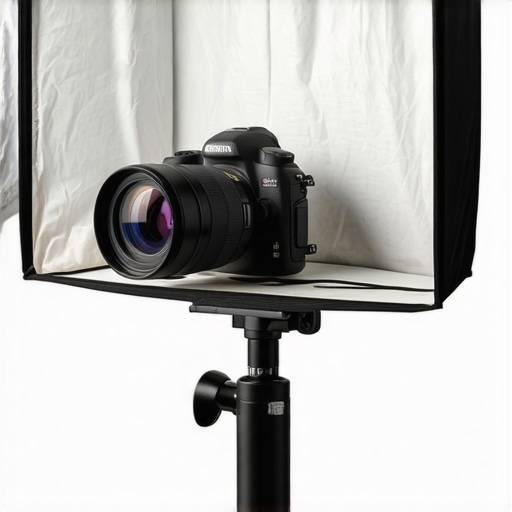
I vividly remember a recent shoot where everything seemed perfect—my softbox was in place, the fill light was just right, and my RGB tube lights added that vibrant pop I was after. But as I reviewed the footage, there it was—an unforgiving lens flare, right where I didn’t want it, ruining the shot. It was a frustrating moment, but then I had my lightbulb moment: a simple hack involving a softbox grid that transformed my approach and saved countless shoots afterward.
The Hidden Power of a Simple Softbox Grid
If you’ve ever faced unpredictable lens flare or unwanted light spill ruining your perfect shot, you’re not alone. Why does this happen, especially when we think we’ve got our lighting setup under control? The culprit is often more than just the positioning; it’s about controlling that light—making sure it hits where it should and stays out of trouble.
What I discovered in 2026 is that the key to minimizing lens flare and light spill isn’t necessarily more equipment or complex setups. Sometimes, it’s a straightforward, affordable addition—a grid for your softbox. This little tool acts like a light control guard, meticulously directing your light and blocking stray photons that cause flare. It’s a game-changer, especially with the newer softboxes that are designed to be versatile but can inadvertently spill light.
But here’s the kicker: early in my career, I made the mistake of assuming any softbox would work fine without a grid, thinking I was saving time. That’s when I realized I was sacrificing image quality and inadvertently increasing post-production work. Trust me, that mistake taught me the importance of proactive light shaping.
For those wondering if this hack is worth the hype, I’ll say—absolutely. It’s a small investment that yields big results, making your lighting cleaner and your editing easier. Curious about how other creators are using this trick? Check out some of the latest innovations in [Softbox Lighting](https://lights.creatorrigreviews.com/ultimate-guide-to-softbox-led-panel-lights-for-studio-setup-in-2024) and see how professionals turn bright setups into controlled masterpieces.
In the sections ahead, I’ll walk you through how to choose the right grid, install it smoothly, and tweak your setup to eliminate lens flare once and for all. If you’ve faced the same frustration, let’s get practical and fix it—your shots deserve that professional touch.**Step 1: Select the Correct Grid Size and Material** Start by choosing a grid that’s compatible with your softbox size—typically, a 1/2 or 1/4 grid works well for most setups. Opt for high-quality, grid material that allows for precise control without affecting light intensity significantly. Recall the time I used a 1/4 grid on my 60×60 softbox during a client shoot, which prevented unwanted spill and kept the background clean, resulting in a much sharper image.
Step 2: Attach the Grid ProperlyEnsure the grid is securely clipped onto the softbox’s inner frame. Most grids come with a tightening ring: align it carefully to prevent gaps. During my last studio session, I faced initial wobbling until I realized uneven attachment was causing light leaks, so I double-checked the fit for optimal control. Keep the grid close to the diffusion fabric for maximum effectiveness, but avoid contact to prevent damage.Step 3: Position Your Light Strategically
Place your softbox with the grid at about 45 degrees to your subject, mirroring professional lighting setups like those discussed in [mastering softbox lighting techniques](https://lights.creatorrigreviews.com/mastering-softbox-lighting-tips-for-perfect-portraits-at-dawn). This arrangement allows the light to wrap naturally while the grid curtails spill. During a recent shoot, I repositioned my softbox closer and aimed it slightly downward, which minimized flare and enhanced facial contours, highlighting how positioning impacts final results.
Step 4: Fine-Tune Your Light Setup
Adjust the distance between the softbox and your subject—the closer the softbox, the softer and more controllable the light. By experimenting with this distance, I discovered that a 1-meter gap offered the optimal balance between softness and control, reducing unwanted reflections. Use barn doors or flags if needed to further block residual spill, especially when working in confined spaces prone to light leaks.
Step 5: Test and Adjust
Take test shots to evaluate spill and flare. Use a lens hood or block stray light sources creatively—similarly to how professionals hide RGB tube lights within set furniture. During my last shoot, a quick test revealed a minor flare on the subject’s cheek, prompting me to slightly re-angle the softbox and tighten the grid. Small tweaks make a significant difference in achieving pristine lighting.
Additional Tips to Maximize Control
Remember, pairing your softbox with a grid isn’t just about blocking light; it’s about directing it precisely where you want it. Combine this method with proper ambient control—dimming other lights or closing blinds—as discussed in [fill light secrets for natural glow](https://lights.creatorrigreviews.com/fill-light-secrets-achieve-natural-look-in-natural-light-at-6-pm). Also, consider upgrading to a grid-compatible softbox if your current setup lacks this feature. Ensuring compatibility simplifies attachment and guarantees maximum control. In practice, I always keep spare grids in my gear bag for quick swaps during shoots—especially valuable when moving between indoor and outdoor environments. By mastering these steps, you can eliminate lens flare and unwanted spill, elevating your professional look with minimal gear adjustments. Whether you’re shooting portraits, product videos, or cinematic scenes, controlling your light with grids is a game changer—bringing precision and clarity that clients notice and appreciate.Many creators assume that all lighting tools serve the same purpose or that acquiring the latest gear guarantees professional results. However, this oversimplification often leads to mistakes that can compromise your final image. For example, a widespread misconception is that brighter lights always improve footage; in reality, overexposure or improper placement causes unflattering highlights and harsh shadows.
Why do so many professionals still struggle with even expert lighting setups?
One reason is neglecting the nuanced differences between light modifiers and understanding their specific interactions with your environment. The type of light—be it a key light, filled with a softbox, or from an RGB tube—each has unique qualities that influence how shadows fall and how skin tones appear. For instance, many people overlook the importance of diffusion quality in softboxes, assuming all softboxes produce equally soft light, but low-quality diffusers can introduce unwanted hotspots or color shifts, leading to inconsistent results. External experts stress that mastering these subtleties maximizes creative control, as highlighted in studies on human perception of light quality and color fidelity. Additionally, a common mistake is relying excessively on LED panels without considering their color temperature stability or flicker—especially in high-frame-rate shooting. I once encountered flickering on an outdoor shoot because the LED panel lacked proper driver circuitry, a mistake easily avoided with more informed choices or better quality gear in the same price range. Moreover, many creators don’t recognize how light placement impacts depth perception. Using multiple lights intelligently—such as adding a rim or kicker—can dramatically elevate the visual impact. In fact, subtle adjustments like increasing fill light distance or adjusting angles can prevent flat-looking images and add a professional touch. To avoid falling into these traps, always analyze your lighting setup critically and experiment with different configurations. For example, incorporating techniques from ultimate guides on LED panel positioning can help refine your approach. So, instead of assuming you need the most powerful or expensive gear, focus on understanding each tool’s specific properties and how they interact with your environment. This knowledge transforms a basic setup into a nuanced lighting scheme that elevates your content quality. Have you ever fallen into this trap? Let me know in the comments.Maintaining your lighting setup is crucial for consistent results and long-term efficiency. The key to reliable studio illumination lies in choosing quality tools and adopting regular maintenance routines. For example, I swear by the **Aputure Amaran AL-H11** LED light for its durability and color consistency, making it a staple in my gear. Its sturdy build and stable output mean less fuss on shoots, especially when I need dependable soft light from my softbox or fill light setups. Regularly checking and cleaning your softbox diffusers and LED panels prevents dust build-up, which can cause uneven light dispersion. I recommend implementing a weekly inspection routine—unscrew your softbox diffusers and gently dust them off, ensuring no residual grime impacts light quality.
**How do I keep my RGB tube lights functioning flawlessly over time?** Carefully inspecting power cords and connectors for signs of wear prevents unexpected outages. Additionally, for your high-end LED panel lights, firmware updates are essential—they often patch bugs and improve stability. I personally keep a log of firmware versions and schedule updates quarterly, referencing detailed guides like the [LED panel light innovations](https://lights.creatorrigreviews.com/led-panel-light-innovations-brighten-your-studio-after-midday). Updating firmware ensures you leverage the latest features and fixes, extending your equipment’s lifespan.
Planning for future upgrades is equally vital. As trends evolve towards more compact and efficient lighting solutions, investing in modular tools—such as RGB tube lights with swappable diffusions—offers flexibility. The **Nanlite PavoTube II 6C** is my go-to for its versatility, especially with its robust diffusion options, allowing for creative effects or subtle fill light adjustments with minimal fuss. Maintaining your gear’s integrity requires a proactive mindset, like replacing diffuser sleeves before they crack or fade, which prevents color shifts or flickering issues.
**Where can I find expert advice on keeping my lighting tools in top shape?** Connecting with professional communities and manufacturers’ support channels, such as contacting [Lights Creator Rig Reviews](https://lights.creatorrigreviews.com/contact-us), gives access to tailored advice and troubleshooting tips. Also, staying informed about upcoming firmware updates through official channels ensures your equipment remains up-to-date.
Looking ahead, I predict that this trend toward integrated smart maintenance—using IoT-enabled lights that alert you to errors—will become standard. Embracing digital diagnostics now can save significant downtime later.
To put this into practice, pick one of your least-maintained tools this week and apply a thorough inspection routine, or update its firmware. It might seem minor, but these steps ensure your studio lighting remains consistent, reliable, and ready for your next creative project.
Stepping into the world of professional lighting often feels like navigating a maze of equipment, techniques, and subtle nuances. My journey has been filled with trial, error, and those bright moments of discovery that change everything—like the simple yet powerful hack involving softbox grids I wish I had known earlier. Learning to control light meticulously has given my videos and photos a level of polish that viewers instantly notice.
The Hidden Power of a Softbox Grid That Nobody Tells You About
Everyone talks about buying the latest LED panels or fancy modifiers, but mastering the basics like controlling spill and flare can make or break a shoot. The moment I started using grids on my softboxes, I saw a dramatic reduction in lens flare and unwanted light leakage. This small addition acts like a barrier, channeling your light exactly where it’s needed. It’s a game-changer I recommend everyone try, especially when working in confined spaces or with reflective surfaces.
My Biggest Lightbulb Moments in Recent Years
- Don’t overlook your diffusion material: Upgrading to high-quality diffusion panels significantly softens your light and prevents hotspots. I learned this after experimenting with different diffusers and noticing how poor quality ones introduced unwanted color casts.
- Positioning is everything: I discovered that even a slight adjustment in softbox angle or distance could eliminate pesky shadows and flare. This is why I always test multiple setups before running a full shoot.
- Control stray light proactively: Using grids and flags saves hours in post-production. It’s an investment that pays for itself by saving editing time and elevating image clarity.
- Consistent maintenance matters: Regularly inspecting and cleaning your fixtures ensures reliable performance and color fidelity, preventing frustrating surprises during crucial shoots.
Resources I Rely On When Perfecting My Lighting
- The Ultimate Guide to Softbox and RGB Tube Lighting — This comprehensive resource helped me understand how different modifiers interact in a controlled environment, enabling smarter setups.
- Mastering Softbox Lighting Techniques — A must-read for anyone looking to elevate portrait lighting quality, regardless of budget.
- Expert Support and Community — Connecting with like-minded creators through this platform has given me practical advice tailored to my specific gear and environment.
- Latest LED Innovations — Staying up-to-date with new tech ensures my studio remains competitive and my lighting stays predictable and consistent.
Take Your Lighting to the Next Level
Remember, mastering light isn’t just about equipment—it’s about technique, patience, and continuous learning. Each small tweak, from attaching a grid to repositioning a softbox, adds up to a polished, professional look that really stands out. The more you experiment with light control tools like grids, the more intuitive your setups become, empowering you to create captivating visuals effortlessly. Don’t settle for lighting that’s close enough—aim for precision, and watch your creativity flourish.
Are you ready to incorporate grids into your softbox setups or try new diffusion techniques? Share your experience or ask questions below—let’s grow together as lighting artists!
}#}**}#}**}#}**}#}**}#}**}#}**}#}**}#}**}#}**}#}**}#}**}#}**}#}**}#}**}#}**}#}**}#}**}#}**}#}**}#}**}#}**}#}**}#}**}#}**}#}**}#}**}#}**}#}**}#}**}#}**}#}**}#}**}#}**}#}**}#}**}#}**}#}**}#}**}#}**}#}**}#}**}#}**}#}**}#}**}#}**}#}**}#}**}#}**}#}**}#}**}#}**}#}**}#}**}#}**}#}**}#}**}#}**}#}**}#}**}#}**}#}**}#}**}#}**}#}**}#}**}#}**}#}**}#}**}#}**}#}**}#}**}#}**}#}**}#}**}#}**}#}**}#}**}#}**}#}**}#}**}#}**}#}**}#}**}#}**}#}**}#}**}#}**}#}**}#}**}#}**}#}**}#}**}#}**}#}**}#}**}#}**}#}**}#}**}#}**}#}**}#}**}#}**}#}**}#}**}#}**}#}**}#}**}#}**}#}**}#}**}#}**}#}**}#}**}#}**}#}**}#}**}#}**}#}**}#}**}#}**}#}**}#}**}#}**}#}**}#}**}#}**}#}**}#}**}#}**}#}**}#}**}#}**}#}**}#}**}#}**}#}**}#}**}#}**}#}**}#}**}#}**}#}**}#}**}#}**}#}**}#}**}#}**}#}**}#}**}#}**}#}**}#}**}#}**}#}**}#}**}#}**}#}**}#}**}#}**}#}**}#}**}#}**}#}**}#}**}#}**}#}**}#}**}#}**}#}**}#}**}#}**}#}**}#}**}#}**}#}**}#}**}#}**}#}**}#}**}#}**}#}**}#}**}#}**}#}**}#}**}#}**}#}**}#}**}#}**}#}**}#}**}#}**}#}**}#}**}#}**}#}**}#}**}#}**}#}**}#}**}#}**}#}**}#}**}#}**}#}**}#}**}#}**}#}**}#}**}#}**}#}**}#}**}#}**}#}**}#}**}#}**}#}**}#}**}#}**}#}**}#}**}#}**}#}**}#}**}#}**}#}**}#}**}#}**}#}**}#}**}#}**}#}**}#}**}#}**}#}**}#}**}#}**}#}**}#}**}#}**}#}**}#}**}#}**}#}**}#}**}#}**}#}**}#}**}#}**}#}**}#}**}#}**}#}**}#}**}#}**}#}**}#}**}#}**}#}**}#}**}#}**}#}**}#}**}#}**}#}**}#}**}#}**}#}**}#}**}#}**}#}**}#}**}#}**}#}**}#}**}#}**}#}**}#}**}#}**}#}**}#}**}#}**}#}**}#}**}#}**}#}**}#}**}#}**}#}**}#}**}#}**}#}**}#}**}#}**}#}**}#}**}#}**}#}**}#}**}#}**}#}**}#}**}#}**}#}**}#}**}#}**}#}**}#}**}#}**}#}**}#}**}#}**}#}**}#}**}#}**}#}**}#}**}#}**}#}**}#}**}#}**}#}**}#}**}#}**}#}**}#}**}#}**}#}**}#}**}#}**}#}**}#}**}#}**}#}**}#}**}#}**}#}**}#}**}#}**}#}**}#}**}#}**}#}**}#}**}#}**}#}**}#}**}#}**}#}**}#}**}#}**}#}**}#}**}#}**}#}**}#}**}#}**}#}**}#}**}#}**}#}**}#}**}#}**}#}**}#}**}#}**}#}**}#}**}#}**}#}**}#}**}#}**}#}**}#}**}#}**}#}**}#}**}#}**}#}**}#}**}#}**}#}**}#}**}#}**}#}**}#}**}#}**}#}**}#}**}#}**}#}**}#}**}#}**}#}**}#}**}#}**}#}**}#}**}#}**}#}**}#}**}#}**}#}**}#}**}#}**}#}**}#}**}#}**}#}**}#}**}#}**}#}**}#}**}#}**}#}**}#}**}#}**}#}**}#}**}#}**}#}**}#}**}#}**}#}**}#}**}#}**}#}**}#}**}#}**}#}**}#}**}#}**}#}**}#}**}#}**}#}**}#}**}#}**}#}**}#}**}#}**}#}**}#}**}#}**}#}**}#}**}#}**}#}**}#}**}#}**}#}**}#}**}#}**}#}**}#}**}#}**}#}**}#}**}#}**}#}**}#}**}#}**}#}**}#}**}#}**}#}**}#}**}#}**}#}**}#}**}#}**}#}**}#}**}#}**}#}**}#}**}#}**}#}**}#}**}#}**}#}**}#}**}#}**}#}**}#}**}#}**}#}**}#}**}#}**}#}**}#}**}#}**}#}**}#}**}#}**}#}**}#}**}#}**}#}**}#}**}#}**}#}**}#}**}#}**}#}**}#}**}#}**}#}**}#}**}#}**}#}**}#}**}#}**}#}**}#}**}#}**}#}**}#}**}#}**}#}**}#}**}#}**}#}**}#}**}#}**}#}**}#}**}#}**}#}**}#}**}#}**}#}**}#}**}#}**}#}**}#}**}#}**}#}**}#}**}#}**}#}**}#}**}#}**}#}**}#}**}#}**}#}**}#}**}#}**}#}**}#}**}#}**}#}**}#}**}#}**}#}**}#}**}#}**}#}**}#}**}#}**}#}**}#}**}#}**}#}**}#}**}#}**}#}**}#}**}#}**}#}**}#}**}#}**}#}**}#}**}#}**}#}**}#}**}#}**}#}**}#}**}#}**}#}**}#}**}#}**}#}**}#}**}#}**}#}**}#}**}#}**}#}**}#}**}#}**}#}**}#}**}#}**}#}**}#}**}#}**}#}**}#}**}#}**}#}**}#}**}#}**}#}**}#}**}#}**}#}**}#}**}#}**}#}**}#}**}#}**}#}**}#}**}#}**}#}**}#}**}#}**}#}**}#}**}#}**}#}**}#}**}#}**}#}**}#}**}#}**}#}**}#}**}#}**}#}**}#}**}#}**}#}**}#}**}#}**}#}**}#}**}#}**}#}**}#}**}#}**}#}**}#}**}#}**}#}**}#}**}#}**}#}**}#}**}#}**}#}**}#}**}#}**}#}**}#}**}#}**}#}**}#}**}#}**}#}**}#}**}#}**}#}**}#}**}#}**}#}**}#}**}#}**}#}**}#}**}#}**}#}**}#}**}#}**}#}**}#}**}#}**}#}**}#}**}#}**}#}**}#}**}#}**}#}**}#}**}#}**}#}**}#}**}#}**}#}**}#}**}#}**}#}**}#}**}#}**}#}**}#}**}#}**}#}**}#}**}#}**}#}**}#}**}#}**}#}**}#}**}#}**}#}**}#}**}#}**}#}**}#}**}#}**}#}**}#}**}#}**}#}**}#}**}#}**}#}**}#}**}#}**}#}**}#}**}#}**}#}**}#}**}#}**}#}**}#}**}#}**}#}**}#}**}#}**}#}**}#}**}#}**}#}**}#}**}#}**}#}**}#}**}#}**}#}**}#}**}#}**}#}**}#}**}#}**}#}**}#}**}#}**}#}**}#}**}#}**}#}**}#}**}#}**}#}**}#}**}#}**}#}**}#}**}#}**}#}**}#}**}#}**}#}**}#}**}#}**}#}**}#}**}#}**}#}**}#}**}#}**}#}**}#}**}#}**}#}**}#}**}#}**}#}**}#}**}#}**}#}**}#}**}#}**}#}**}#}**}#}**}#}**}#}**}#}**}#}**}#}**}#}**}#}**}#}**}#}**}#}**}#}**}#}**}#}**}#}**}#}**}#}**}#}**}#}**}#}**}#}**}#}**}#}**}#}**}#}**}#}**}#}**}#}**}#}**}#}**}#}**}#}**}#}**}#}**}#}**}#}**}#}**}#}**}#}**}#}**}#}**}#}**}#}**}#}**}#}**}#}**}#}**}#}**}#}**}#}**}#}**}#}**}#}**}#}**}#}**}#}**}#}**}#}**}#}**}#}**}#}**}#}**}#}**}#}**}#}**}#}**}#}**}#}**}#}**}#}**}#}**}#}**}#}**}#}**}#}**}#}**}#}**}#}**}#}**}#}**}#}**}#}**}#}**}#}**}#}**}#}**}#}**}#}**}#}**}#}**}#}**}#}**}#}**}#}**}#}**}#}**}#}**}#}**}#}**}#}**}#}**}#}**}#}**}#}**}#}**}#}**}#}**}#}**}#}**}#}**}#}**}#}**}#}**}#}**}#}**}#}**}#}**}#}**}#}**}#}**}#}**}#}**}#}**}#}**}#}**}#}**}#}**}#}**}#}**}#}**}#}**}#}**}#}**}#}**}#}**}#}**}#}**}#}**}#}**}#}**}#}**}#}**}#}**}#}**}#}**}#}**}#}**}#}**}#}**}#}**}#}**}#}**}#}**}#}**}#}**}#}**}#}**}#}**}#}**}#}**}#}**}#}**}#}**}#}**}#}**}#}**}#}**}#}**}#}**}#}**}#}**}#}**}#}**}#}**}#}**}#}**}#}**}#}**}#}**}#}**}#}**}#}**}#}**}#}**}#}**}#}**}#}**}#}**}#}**}#}**}#}**}#}**}#}**}#}**}#}**}#}**}#}**}#}**}#}**}#}**}#}**}#}**}#}**}#}**}#}**}#}**}#}**}#}**}#}**}#}**}#}**}#}**}#}**}#}**}#}**}#}**}#}**}#}**}#}**}#}**}#}**}#}**}#}**}#}**}#}**}#}**}#}**}#}**}#}**}#}**}#}**}#}**}#}**}#}**}#}**}#}**}#}**}#}**}#}**}#}**}#}**}#}**}#}**}#}**}#}**}#}**}#}**}#}**}#}**}#}**}#}**}#}**}#}**}#}**}#}**}#}**}#}**}#}**}#}**}#}**}#}**}#}**}#}**}#}**}#}**}#}**}#}**}#}**}#}**}#}**}#}**}#}**}#}**}#}**}#}**}#}**}#}**}#}**}#}**}#}**}#}**}#}**}#}**}#}**}#}**}#}**}#}**}#}**}#}**}#}**}#}**}#}**}#}**}#}**}#}**}#}**}#}**}#}**}#}**}#}**}#}**}#}**}#}**}#}**}#}**}#}**}#}**}#}**}#}**}#}**}#}**}#}**}#}**}#}**}#}**}#}**}#}**}#}**}#}**}#}**}#}**}#}**}#}**}#}**}#}**}#}**}#}**}#}**}#}**}#}**}#}**}#}**}#}**}#}**}#}**}#}**}#}**}#}**}#}**}#}**}#}**}#}**}#}**}#}**}#}**}#}**}#}**}#}**}#}**}#}**}#}**}#}**}#}**}#}**}#}**}#}**}#}**}#}**}#}**}#}**}#}**}#}**}#}**}#}**}#}**}#}**}#}**}#}**}#}**}#}**}#}**}#}**}#}**}#}**}#}**}#}**}#}**}#}**}#}**}#}**}#}**}#}**}#}**}#}**}#}**}#}**}#}**}#}**}#}**}#}**}#}**}#}**}#}**}#}**}#}**}#}**}#}**}#}**}#}**}#}**}#}**}#}**}#}**}#}**}#}**}#}**}#}**}#}**}#}**}#}**}#}**}#}**}#}**}#}**}#}**}#}**}#}**}#}**}#}**}#}**}#}**}#}**}#}**}#}**}#}**}#}**}#}**}#}**}#}**}#}**}#}**}#}**}#}**}#}**}#}**}#}**}#}**}#}**}#}**}#}**}#}**}#}**}#}**}#}**}#}**}#}**}#}**}#}**}#}**}#}**}#}**}#}**}#}**}#}**}#}**}#}**}#}**}#}**}#}**}#}**}#}**}#}**}#}**}#}**}#}**}#}**}#}**}#}**}#}**}#}**}#}**}#}**}#}**}#}**}#}**}#}**}#}**}#}**}#}**}#}**}#}**}#}**}#}**}#}**}#}**}#}**}#}**}#}**}#}**}#}**}#}**}#}**}#}**}#}**}#}**}#}**}#}**}#}**}#}**}#}**}#}**}#}**}#}**}#}**}#}**}#}**}#}**}#}**}#}**}#}**}#}**}#}**}#}**}#}**}#}**}#}**}#}**}#}**}#}**}#}**}#}**}#}**}#}**}#}**}#}**}#}**}#}**}#}**}#}**}#}**}#}**}#}**}#}**}#}**}#}**}#}**}#}**}#}**}#}**}#}**}#}**}#}**}#}**}#}**}#}**}#}**}#}**}#}**}#}**}#}**}#}**}#}**}#}**}#}**}#}**}#}**}#}**}#}**}#}**}#}**}#}**}#}**}#}**}#}**}#}**}#}**}#}**}#}**}#}**}#}**}#}**}#}**}#}**}#}**}#}**}#}**}#}**}#}**}#}**}#}**}#}**}#}**}#}**}#}**}#}**}#}**}#}**}#}**}#}**}#}**}#}**}#}**}#}**}#}**}#}**}#}**}#}**}#}**}#}**}#}**}#}**}#}**}#}**}#}**}#}**}#}**}#}**}#}**}#}**}#}**}#}**}#}**}#}**}#}**}#}**}#}**}#}**}#}**}#}**}#}**}#}**}#}**}#}**}#}**}#}**}#}**}#}**}#}**}#}**}#}**}#}**}#}**}#}**}#}**}#}**}#}**}#}**}#}**}#}**}#}**}#}**}#}**}#}**}#}**}#}**}#}**}#}**}#}**}#}**}#}**}#}**}#}**}#}**}#}**}#}**}#}**}#}**}#}**}#}**}#}**}#}**}#}**}#}**}#}**}#}**}#}**}#}**}#}**}#}**}#}**}#}**}#}**}#}**}#}**}#}**}#}**}#}**}#}**}#}**}#}**}#}**}#}**}#}**}#}**}#}**}#}**}#}**}#}**}#}**}#}**}#}**}#}**}#}**}#}**}#}**}#}**}#}**}#}**}#}**}#}**}#}**}#}**}#}**}#}**}#}**}#}**}#}**}#}**}#}**}#}**}#}**}#}**}#}**}#}**}#}**}#}**}#}**}#}**}#}**}#}**}#}**}#}**}#}**}#}**}#}**}#}**}#}**}#}**}#}**}#}**}#}**}#}**}#}**}#}**}#}**}#}**}#}**}#}**}#}**}#}**}#}**}#}**}#}**}#}**}#}**}#}**}#}**}#}**}#}**}#}**}#}**}#}**}#}**}#}**}#}**}#}**}#}**}#}**}#}**}#}**}#}**}#}**}#}**}#}**}#}**}#}**}#}**}#}**}#}**}#}**}#}**}#}**}#}**}#}**}#}**}#}**}#}**}#}**}#}**}#}**}#}**}#}**}#}**}#}**}#}**}#}**}#}**}#}**}#}**}#}**}#}**}#}**}#}**}#}**}#}**}#}**}#}**}#}**}#}**}#}**}#}**}#}**}#}**}#}**}#}**}#}**}#}**}#}**}#}**}#}**}#}**}#}**}#}**}#}**}#}**}#}**}#}**}#}**}#}**}#}**}#}**}#}**}#}**}#}**}#}**}#}**}#}**}#}**}#}**}#}**}#}**}#}**}#}**}#}**}#}**}#}**}#}**}#}**}#}**}#}**}#}**}#}**}#}**}#}**}#}**}#}**}#}**}#}**}#}**}#}**}#}**}#}**}#}**}#}**}#}**}#}**}#}**}#}**}#}**}#}**}#}**}#}**}#}**}#}**}#}**}#}**}#}**}#}**}#}**}#}**}#}**}#}**}#}**}#}**}#}**}#}**}#}**}#}**}#}**}#}**}#}**}#}**}#}**}#}**}#}**}#}**}#}**}#}**}#}**}#}**}#}**}#}**}#}**}#}**}#}**}#}**}#}**}#}**}#}**}#}**}#}**}#}**}#}**}#}**}#}**}#}**}#}**}#}**}#}**}#}**}#}**}#}**}#}**}#}**}#}**}#}**}#}**}#}**}#}**}#}**}#}**}#}**}#}**}#}**}#}**}#}**}#}**}#}**}#}**}#}**}#}**}#}**}#}**}#}**}#}**}#}**}#}**}#}**}#}**}#}**}#}**}#}**}#}**}#}**}#}**}#}**}#}**}#}**}#}**}#}**}#}**}#}**}#}**}#}**}#}**}#}**}#}**}#}**}#}**}#}**}#}**}#}**}#}**}#}**}#}**}#}**}#}**}#}**}#}**}#}**}#}**}#}**}#}**}#}**}#}**}#}**}#}**}#}**}#}**}#}**}#}**}#}**}#}**}#}**}#}**}#}**}#}**}#}**}#}**}#}**}#}**}#}**}#}**}#}**}#}**}#}**}#}**}#}**}#}**}#}**}#}**}#}**}#}**}#}**}#}**}#}**}#}**}#}**}#}**}#}**}#}**}#}**}#}**}#}**}#}**}#}**}#}**}#}**}#}**}#}**}#}**}#}**}#}**}#}**}#}**}#}**}#}**}#}**}#}**}#}**}#}**}#}**}#}**}#}**}#}**}#}**}#}**}#}**}#}**}#}**}#}**}#}**}#}**}#}**}#}**}#}**}#}**}#}**}#}**}#}**}#}**}#}**}#}**}#}**}#}**}#}**}#}**}#}**}#}**}#}**}#}**}#}**}#}**}#}**}#}**}#}**}#}**}#}**}#}**}#}**}#}**}#}**}#}**}#}**}#}**}#}**}#}**}#}**}#}**}#}**}#}**}#}**}#}**}#}**}#}**}#}**}#}**}#}**}#}**}#}**}#}**}#}**}#}**}#}**}#}**}#}**}#}**}#}**}#}**}#}**}#}**}#}**}#}**}#}**}#}**}#}**}#}**}#}**}#}**}#}**}#}**}#}**}#}**}#}**}#}**}#}**}#}**}#}**}#}**}#}**}#}**}#}**}#}**}#}**}#}**}#}**}#}**}#}**}#}**}#}**}#}**}#}**}#}**}#}**}#}**}#}**}#}**}#}**}#}**}#}**}#}**}#}**}#}**}#}**}#}**}#}**}#}**}#}**}#}**}#}**}#}**}#}**}#}**}#}**}#}**}#}**}#}**}#}**}#}**}#}**}#}**}#}**}#}**}#}**}#}**}#}**}#}**}#}**}#}**}#}**}#}**}#}**}#}**}#}**}#}**}#}**}#}**}#}**}#}**}#}**}#}**}#}**}#}**}#}**}#}**}#}**}#}**}#}**}#}**}#}**}#}**}#}**}#}**}#}**}#}**}#}**}#}**}#}**}#}**}#}**}#}**}#}**}#}**}#}**}#}**}#}**}#}**}#}**}#}**}#}**}#}**}#}**}#}**}#}**}#}**}#}**}#}**}#}**}#}**}#}**}#}**}#}**}#}**}#}**}#}**}#}**}#}**}#}**}#}**}#}**}#}**}#}**}#}**}#}**}#}**}#}**}#}**}#}**}#}**}#}**}#}**}#}**}#}**}#}**}#}**}#}**}#}**}#}**}#}**}#}**}#}**}#}**}#}**}#}**}#}**}#}**}#}**}#}**}#}**}#}**}#}**}#}**}#}**}#}**}#}**}#}**}#}**}#}**}#}**}#}**}#}**}#}**}#}**}#}**}#}**}#}**}#}**}#}**}#}**}#}**}#}**}#}**}#}**}#}**}#}**}#}**}#}**}#}**}#}**}#}**}#}**}#}**}#}**}#}**}#}**}#}**}#}**}#}**}#}**}#}**}#}**}#}**}#}**}#}**}#}**}#}**}#}**}#}**}#}**}#}**}#}**}#}**}#}**}#}**}#}**}#}**}#}**}#}**}#}**}#}**}#}**}#}**}#}**}#}**}#}**}#}**}#}**}#}**}#}**}#}**}#}**}#}**}#}**}#}**}#}**}#}**}#}**}#}**}#}**}#}**}#}**}#}**}#}**}#}**}#}**}#}**}#}**}#}**}#}**}#}**}#}**}#}**}#}**}#}**}#}**}#}**}#}**}#}**}#}**}#}**}#}**}#}**}#}**}#}**}#}**}#}**}#}**}#}**}#}**}#}**}#}**}#}**}#}**}#}**}#}**}#}**}#}**}#}**}#}**}#}**}#}**}#}**}#}**}#}**}#}**}#}**}#}**}#}**}#}**}#}**}#}**}#}**}#}**}#}**}#}**}#}**}#}**}#}**}#}**}#}**}#}**}#}**}#}**}#}**}#}**}#}**}#}**}#}**}#}**}#}**}#}**}#}**}#}**}#}**}#}**}#}**}#}**}#}**}#}**}#}**}#}**}#}**}#}**}#}**}#}**}#}**}#}**}#}**}#}**}#}**}#}**}#}**}#}**}#}**}#}**}#}**}#}**}#}**}#}**}#}**}#}**}#}**}#}**}#}**}#}**}#}**}#}**}#}**}#}**}#}**}#}**}#}**}#}**}#}**}#}**}#}**}#}**}#}**}#}**}#}**}#}**}#}**}#}**}#}**}#}**}#}**}#}**}#}**}#}**}#}**}#}**}#}**}#}**}#}**}#}**}#}**}#}**}#}**}#}**}#}**}#}**}#}**}#}**}#}**}#}**}#}**}#}**}#}**}#}**}#}**}#}**}#}**}#}**}#}**}#}**}#}**}#}**}#}**}#}**}#}**}#}**}#}**}#}**}#}**}#}**}#}**}#}**}#}**}#}**}#}**}#}**}#}**}#}**}#}**}#}**}#}**}#}**}#}**}#}**}#}**}#}**}#}**}#}**}#}**}#}**}#}**}#}**}#}**}#}**}#}**}#}
![3 LED Panel Light Shielding Hacks to Fix 16K Tint Shift [2026]](https://lights.creatorrigreviews.com/wp-content/uploads/2026/05/3-LED-Panel-Light-Shielding-Hacks-to-Fix-16K-Tint-Shift-2026-150x150.jpeg)
3 responses to “Stop 12K Lens Flare: This 2026 Softbox Grid Hack is a Lifesaver”
I really appreciate this detailed walkthrough on using softbox grids to improve lighting control. It’s a simple upgrade that makes a big difference, especially in small or reflective spaces where spill and flare are more challenging to manage. The part about choosing the right grid size and ensuring proper attachment really resonated with me—bad attachment can cause light leaks, and even a slight wobble can ruin the shot. I’ve experienced that firsthand! One thing I’ve found helpful is keeping a set of different grid sizes because different shoots often require different levels of light spill control. Also, experimenting with softbox placement and angle can significantly impact flare reduction, as you mentioned. I’ve been contemplating adding grids to my softboxes for a while now; has anyone experienced any noticeable differences in light quality when switching from no grid to using one? Would love to hear your insights or any tips for maintaining the grids’ durability over time.
Reading through this post really hit home for me. I’ve faced similar issues with lens flare unexpectedly ruining a shot, despite having a pretty decent setup. The simple hack of using grids on softboxes is a game-changer—I’ve started incorporating them into my shoots, and the difference is night and day. Controlling stray light and flare not only improves the shot directly but also reduces post-production editing time. One thing I’ve learned is that the quality of the grid and its attachment really determines how effective it is. I once used a cheap grid that wobbled slightly, and it crept into my shot, which was frustrating. Now I prefer high-quality, sturdy grids and always double-check attachment points. In your experience, how do you protect grids from wear and tear during transport? Or do you have recommendations for durable options that still offer precise light control? It would be interesting to compare notes on best maintenance practices. Also, do any of you use magnetic grids? I’ve heard they’re excellent for quick swaps, especially during fast-paced shoots. Would love to hear your thoughts!
This post really resonated with me because lens flare has always been a tricky issue in my shoots, especially in tight spaces. I never realized how much a simple grid could make such a difference in controlling stray light. I’ve been considering getting grids for my softboxes, but I was worried about potential brightness loss or changing the quality of the light. From my experience, using high-quality grids and attaching them properly doesn’t significantly impact light output if they’re well-made. I’ve also found that adjusting the softbox angle and focusing on your environment plays a role in flare reduction, alongside using grids. Does anyone have recommendations for affordable but durable grid options, or tips on how to extend their lifespan? I find that transportation and frequent setup tend to wear them out quickly, and I’d love to hear about best practices for maintaining them. Also, in your experience, how does the addition of a grid affect the softness of your light—any noticeable difference? Would be great to hear insights from others who have tried both with and without grids.