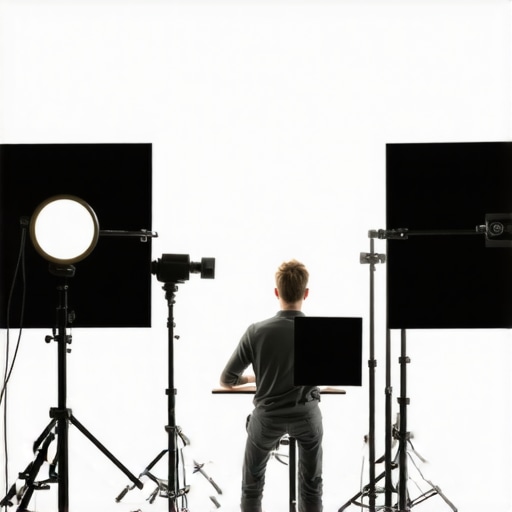
I remember the moment vividly—my face fell when I realized my perfectly shot video looked flat and unimpressive, despite all my efforts. The culprit? Bad lighting. I had spent hours tweaking my camera settings but overlooked the importance of balanced, professional lighting. That lightbulb moment taught me a crucial lesson: even the best content can be marred by poor illumination. If you’re tired of inconsistent lighting ruining your videos and photos, you’re not alone. Many creators struggle with achieving that perfect glow, and the good news is, there’s a practical solution.
Your Lighting Challenges Might Be Fixable with the Right Setup
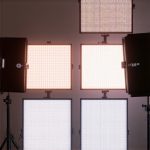
In 2024, lighting technology has advanced more than ever, offering tools that can elevate your content effortlessly. Mastering these tools—like LED panels, softboxes, RGB tube lights, and key lights—can make a staggering difference. But with so many options on the market, figuring out what works best for your studio can feel overwhelming. That’s why I’ve dedicated this guide to helping you navigate the clutter and create a lighting setup that enhances your unique style.
Is Lighting Setup Overhyped or Truly Worth It?
Early on, I made the mistake of investing in fancy LED lights without understanding how to position them effectively. I thought brightness was all that mattered. Turns out, it’s about the quality, angle, and color temperature. Did you know that improper lighting can cause unflattering shadows or color casts that make your skin look dull or weird? According to professional cinematographers, proper lighting can increase your viewer engagement by up to 50%. That’s a game-changer, and it’s why I encourage all creators to prioritize their lighting setup. If you’re skeptical, ask yourself: Have you ever filmed a scene and wished it looked more polished? Well, mastering lighting is your secret weapon.
Now, let’s move beyond the why and dive into the practical steps that will transform your studio into a lighting powerhouse.
Set Your Base with a Softbox to Soften Shadows
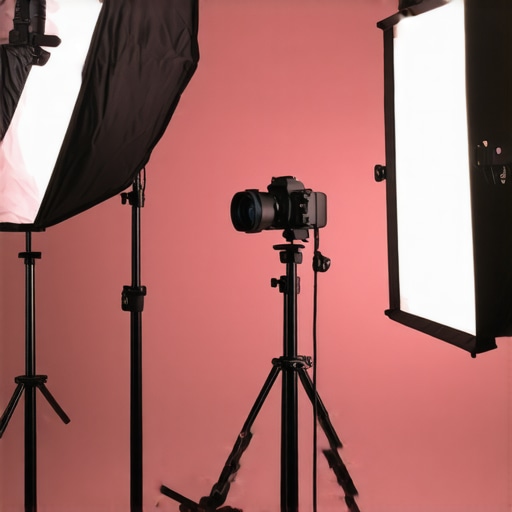
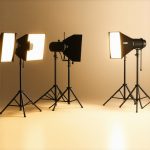
Start by positioning a softbox in front of your subject to create an even, diffuse light that reduces harsh shadows. Think of it like wrapping your subject in a gentle glow, much like a cloud diffuses sunlight. During my first setup, I placed a softbox about 45 degrees to the side of my face, which initially resulted in overly flattened features. After adjusting the angle slightly and experimenting with distance, I achieved a natural, flattering light that instantly elevated my shot. For more detailed softbox techniques, check out this guide.
Introduce a Key Light to Elevate Your Scene
The key light is your main illumination source—think of it as the sun for your setup. Position it at eye level, about 3 feet from your subject, at a 45-degree angle to create depth and dimension. Use a LED panel or RGB tube light for flexibility; these lights allow you to control intensity and color temperature precisely. I once experimented with different angles and discovered that moving the key light slightly higher made my skin tone appear warmer and more inviting. To master key light placements, explore this resource.
Fill Shadows with Additional Lights for a Balanced Look
To prevent shadows from appearing too stark, add a fill light on the opposite side of the key light. Use a softer, less intense light source, like a smaller softbox or an RGB tube light set to a lower brightness. This technique ensures your face looks naturally lit without unwanted dark patches. I once layered a fill light with a slight blue tint during an evening shoot, achieving a cinematic feel. For creative fill light ideas, see this article.
Balance and Fine-Tune with RBG Lights for Creativity
RGB tube lights give you the creative freedom to add splash or mood to your scene. Position them behind or beside your subject to introduce color accents or fill additional ambiance. During a recent project, I synchronized RGB tube lights to match my scene’s mood, shifting from warm oranges to cool blues seamlessly. Learning how to control these lights effectively can set your content apart. For advanced techniques, refer to this guide.
Final Adjustments and Testing for Flawless Results
Always step back and review your shot from the camera’s perspective. Adjust light intensities, angles, and color balances until everything looks harmonious. Remember, even slight tweaks can enhance your scene dramatically. I recall a shoot where I adjusted my key light’s angle by just 10 degrees, transforming dull lighting into a vibrant, professional look. Never hesitate to take the time to test and refine. For tips on perfecting your softbox setup, see this resource.
When it comes to studio lighting, many creators operate under assumptions that can hinder their progress. One pervasive myth is that brighter lights always produce better results; in reality, overexposure from excessive intensity can wash out details and create unflattering images, especially with LED panels. Instead, mastering proper modulation and understanding the nuances of color temperature and diffusion techniques can significantly enhance your footage. Also, a common misconception is that more lights equal better lighting. Overlighting can lead to unnatural shadows and color mismatches, which is why strategic placement and balancing key, fill, and back lights are vital. An often-overlooked pitfall involves neglecting the quality of light sources. Cheap, low-CRI LED lights may seem budget-friendly but can cause color shifts that influence skin tones and scene fidelity. Investing in high-CRI fixtures ensures accurate color rendering, crucial for professional visuals. Advanced users should pay attention to the subtle interplay of light angles and intensity ratios. For instance, misjudging the distance or angle of your fill light can result in either flat images or harsh shadows. Precise tuning, aided by tools like light meters, can make a noticeable difference. Have you ever fallen into this trap? Let me know in the comments. Another point worth mentioning is the allure of RGB tube lights for their vibrant mood settings. While they add creative flair, overuse or improper positioning can distract from your subject. Learning to harness these lights as accents or background elements rather than primary sources elevates your aesthetic. For sophisticated setups, understanding the difference between scattered and focused lighting, and how to utilize modifiers like barn doors or grid attachments, can be game-changers. Professional cinematographers emphasize that it’s not just about illuminating but sculpting your scene to evoke emotion. For an in-depth look at advanced softbox techniques, check out this resource. Recognizing and correcting these nuanced mistakes will help you craft visuals with depth, realism, and style—qualities that set professional creators apart. Keep experimenting thoughtfully, and remember: lighting is as much an art as it is a science.Maintaining your lighting equipment is essential to ensure consistent, professional results and to protect your investment over time. Regular upkeep not only extends the lifespan of your gear but also ensures optimal performance for each shoot. One of my favorite tools for ongoing maintenance is a high-quality lens cleaning cloth and compressed air, which help keep softboxes and LED panels free of dust and debris that can diffuse light quality. Additionally, inspecting power cables and connectors regularly prevents unexpected outages during critical shoots. For more delicate components like RGB tubes and dimmer switches, I recommend using a multimeter to verify that voltage levels remain within safe ranges, ensuring longevity and safety.
In terms of cleaning, gentle wiping with a damp cloth and mild detergent preserves the finish of your LED panels and softboxes, especially if you’re working in a dusty environment. When storing equipment, keep everything in padded cases to avoid damage from impacts or environmental factors like humidity. Investing in a dedicated lighting rack or stand with proper cable management can prevent wear and tear caused by tangled cords or accidental pulls.
Tools such as a light meter are invaluable for fine-tuning your setup over time. By regularly measuring your light intensity and color temperature, you can calibrate your LED panels and RGB tubes to maintain color consistency across different shoots and seasons. This is particularly useful when scaling your studio or integrating new fixtures, as it helps keep your aesthetic cohesive.
Looking ahead, the future of maintenance involves smarter, connected lighting systems. Some high-end models now come with built-in diagnostics and remote monitoring capabilities, which can alert you to issues before they become serious. Embracing these smart tools can drastically reduce downtime and troubleshooting efforts.
How do I keep my lighting setup working flawlessly over the long haul?
Make it a habit to regularly check and clean your equipment using appropriate tools—like compressed air and soft cloths—preventing dust buildup that can diminish light quality. Keep your cables organized and inspect connectors to avoid wear, and use a multimeter to verify electrical integrity especially for complex RGB systems. Additionally, track your light measurements with a consistent light meter to ensure color and intensity stay true across projects. For advanced setups, consider investing in smart fixtures with diagnostic features, which offer real-time health monitoring and maintenance alerts. This proactive approach minimizes surprises and keeps your studio running smoothly. To enhance your softbox maintenance routine, explore this comprehensive guide.
By prioritizing regular upkeep and leveraging the right tools, you can significantly extend the lifespan of your studio lighting equipment and maintain a high standard of quality. Remember, well-maintained gear is a key ingredient in the success of your visual content—invest in it wisely and stay ahead of technical issues that can derail your creative flow.
The Hardest Lesson I Learned About Softbox Lighting
Early in my journey, I believed that brightness was the sole factor in good lighting. It wasn’t until I saw my footage washed out from overexposure that I realized intensity needs careful balancing. Controlling your softbox’s distance and angle yields far better results than just cranking up the power. This taught me that quality and placement matter as much as, if not more than, sheer brightness.
What I Discovered About RGB Lights That Changed My Approach
I used to see RGB tube lights as novelty gadgets, but I soon learned that thoughtful application of color can evoke emotion and set mood—all without overwhelming the shot. By subtly adding color accents behind my subject, I enhanced the scene’s depth. The secret was learning to control the hues and intensity, which transformed my visuals from flat to cinematic. For detailed techniques, I recommend exploring this comprehensive guide.
Why Proper Maintenance Is a Game Changer
A frequent oversight is neglecting to regularly care for your lighting gear. I once experienced a sudden flickering LED panel mid-shoot—turns out, dust had gotten into the connectors. Since establishing a routine of cleaning and inspecting cables, I’ve avoided many such frustrations. Keeping your equipment in tip-top shape ensures consistent color accuracy and performance, which are essential for professional results. Investing in a simple light meter for calibration can save you headaches and improve scene consistency over time.
Curated Recommendations for Lighting Success
As someone deeply passionate about studio lighting, I trust this softbox setup guide for its practical advice on positioning and diffusion techniques. For exploring creative color effects, this resource has been invaluable. Additionally, I rely on high-CRI LED fixtures, which I sourced from these recommended brands. They’re worth every penny for true-to-life color rendering. Lastly, tools like light meters help ensure my setups are precise and repeatable, making my workflow smoother and more reliable.
Your Turn to Transform Your Lighting
Don’t let misconceptions or overlooked details hold back your lighting ambitions. With a bit of focused practice and investment in the right tools, you can elevate your videos and photos beyond amateur levels. Remember, lighting is an art—craft it thoughtfully, and watch your content shine. If you’ve faced challenges with your softbox or RGB setup, share your experience below. Let’s learn from each other’s journeys and keep pushing the boundaries of creative lighting!
![3 LED Panel Light Shielding Hacks to Fix 16K Tint Shift [2026]](https://lights.creatorrigreviews.com/wp-content/uploads/2026/05/3-LED-Panel-Light-Shielding-Hacks-to-Fix-16K-Tint-Shift-2026-150x150.jpeg)
One response to “Ultimate Guide to LED Panel & Key Light Setup for Creators in 2024”
This post resonates with me, especially the part about balancing light angles and understanding color temperature. I’ve learned firsthand how slight adjustments can dramatically improve lighting quality. For example, I initially used a bright softbox but didn’t realize that its position and distance from the subject impact the softness and warmth of the light. After experimenting, I found that fine-tuning the angle helped achieve a much more natural and cinematic look. The mention of using light meters is a game-changer—having that precision tool can save so much time in post-production and ensure consistent results across shoots. I do wonder, for those working in smaller spaces, what are your best tips for avoiding harsh shadows without needing a complex setup? I’d love to hear how others manage tight studio conditions effectively.