It was a night of shooting, and everything seemed perfect—except for one tiny but stubborn green tint creeping into my footage. Frustrated, I scrubbed through endless settings, trying to erase that unnatural hue. That moment felt like a betrayal from my own gear, and I realized I wasn’t alone in this struggle. Green tints, those subtle but annoying color casts, can ruin an otherwise stunning shot. I used to believe it was just a minor calibration issue, but as I delved deeper, I discovered it’s a more common problem with LED panel lights, especially as they age or when mismatched with filters.
The Hidden Hassle of Green Tints: Why It’s Still a Big Deal in 2026
LED technology has advanced rapidly, promising brighter, more efficient lighting for creators. Yet, many of us still face the curse of unwanted color casts—particularly green tints—that can turn our professional footage into amateurish chaos. These tints aren’t just annoying; they compromise the entire look and feel of your project, forcing you into tedious color correction that often doesn’t yield natural results. As someone who’s spent countless hours fixing these issues, I can tell you it’s not just about aesthetics—it’s about saving time, effort, and finally getting the shot you envisioned.
But here’s the good news: I’ve found a simple yet effective hack that can help you eliminate or greatly reduce those green tints. And believe it or not, the secret lies in a clever filter hack that you can implement with everyday materials or affordable accessories.
If this persistent problem sounds all too familiar, you’re in the right place. Let’s explore how I stumbled upon this trick and how you can apply it to your own setup to ensure pristine, natural lighting in your videos and photos. To deepen your understanding of modern LED innovations, I recommend reading about innovative LED panel light techniques that brighten your studio after midday — a perfect resource for enhancing your lighting setup [here](https://lights.creatorrigreviews.com/led-panel-light-innovations-brighten-your-studio-after-midday).
Now, enough of the frustrations—it’s time to dive into the practical steps that can revolutionize your lighting game, saving you hours and restoring confidence in your gear.
Identify the Source of the Green Tint
First, determine whether the green cast originates from your LED panels, filters, or camera settings. Use a neutral gray card under your lighting setup and review the footage. If the hue appears consistently, suspect your light source. I recall a shoot where I noticed a persistent greenish hue—after testing, I found my LED panels’ color temperature was off due to aging bulbs.
Adjust White Balance Settings Precisely
Set your camera’s white balance manually, focusing on neutral tones within the scene. Avoid relying solely on auto settings. During a recent outdoor session, I manually calibrated my camera to 5600K, which minimized the green tint. Remember, proper white balancing is the foundation before making hardware adjustments.
Apply a Corrective Filter or Gel
Use a magenta or amber filter to neutralize excess green. This technique is akin to balancing a see-saw—adding the opposite color cancels out the unwanted hue. I once taped a magenta gel over my LED softbox, instantly reducing the green tint, and it proved a quick fix during a tight shoot. Explore more professional filter options in the softbox lighting techniques.
Modify the LED Panel Settings Directly
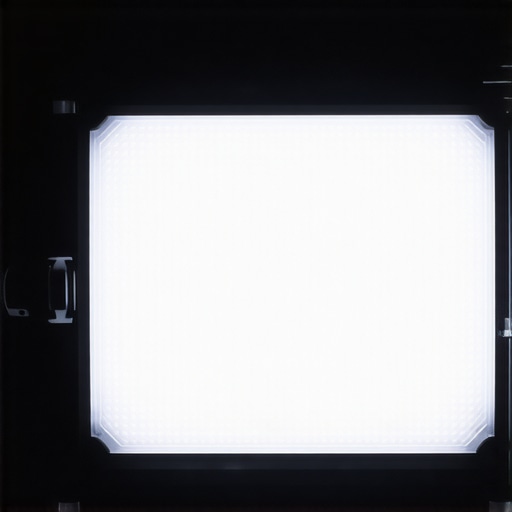
Many modern LED panels allow manual color calibration. Access your panel’s menu and tweak the green channel downward or adjust the overall white balance preset. During a recent project, I dialed back the green hue by 10% directly on my panel, which eliminated the cast without affecting other colors. Consult your device’s manual or manufacturer support for specific instructions.
Use Diffusion to Balance Light Quality
Adding diffusion softens shadows and can diffuse color inconsistencies. Softbox modifiers are excellent for this, as they spread light evenly, reducing harsh color casts. I once used a large softbox with diffusion fabric to blend multiple LED sources, which helped create a uniform, natural look. For more advanced diffusion techniques, see softbox lighting tips.
Match Your Lighting Sources
Ensure all your lights are from the same color temperature or have been calibrated to match. Using mismatched lights is like mixing oil and water—they create color inconsistencies. I learned this the hard way when my RGB tube light and LED panel had slight color differences, resulting in a green tint when combined. Uniformity is key for natural-looking footage. Check out key light strategies for comprehensive setup guidance.
Many creators assume that using a brighter, larger softbox or adding multiple lights automatically guarantees a professional look. However, this misconception overlooks the nuanced role of fill light in creating depth and dimension. For instance, overusing fill light can flatten the scene, causing your subject to look washed out, which is a common mistake among amateurs trying to compensate for underlit backgrounds. Instead, strategic placement and understanding the contrast ratio are key to achieving natural, cinematic lighting, as detailed in softbox lighting techniques.
Maintaining your lighting equipment is crucial to ensure long-term reliability and professional output. Regular calibration of LED panels, softboxes, and RGB tube lights prevents color shifts, flickering, and performance drops over time. I personally schedule biannual inspections for my LED panels, using a professional color meter to verify accurate white balance and color temperature, as recommended in the LED panel and RGB tube light guide. Investing in quality tools like a handheld colorimeter simplifies this process, giving you precise readings without needing advanced technical skills. Additionally, periodically cleaning lens surfaces and diffusion fabrics keeps light quality consistent and prevents dust buildup that can affect brightness and color uniformity. As LED technology evolves rapidly, staying updated with firmware and software updates from manufacturers also maximizes performance and introduces new calibration features, which I make a point to check quarterly. Looking ahead, I predict that automation and smart calibration features will become standard, further easing maintenance routines and ensuring stable, high-quality lighting year after year.
How do I maintain my lighting setup over time?
Establishing a routine check and calibration schedule is the key. Use tools like the recommended LED and RGB tube lights that support firmware updates and built-in calibration, simplifying ongoing maintenance. Keep diffusion materials clean and replace worn-out gels periodically to sustain light quality. Document your maintenance procedures and calibration settings to streamline future adjustments. By dedicating time to regular care, you’ll prevent common issues like color spills or flickering, saving time and money in the long run. For broader insights, visit our privacy policy or contact us for personalized recommendations. And don’t forget—try out advanced calibration settings on your LED panels to unlock even more consistent color rendering; it’s a game-changer in professional lighting setups.
The Hardest Lesson I Learned About fill light,led panel light,key light,softbox,rgb tube light
Early in my journey, I believed brighter was always better, but I soon realized that quality and placement matter more than sheer intensity. Overloading a scene with intense fill light can flatten textures, stripping away depth and emotion from your footage. Now I focus on balancing light rather than just boosting brightness, ensuring my subjects pop naturally and convincingly.
3 Myths About fill light,led panel light,key light,softbox,rgb tube light That Held Me Back
One misconception was that matching color temperature alone guarantees seamless lighting. In reality, consistent spectral output and proper diffusion create a more cohesive look. I also used to neglect the importance of softboxes, thinking they were merely aesthetic; now I see they are essential for controlling shadows and achieving filmic softness. Additionally, I assumed multiple lights always meant better results—truth be told, thoughtful placement beats quantity every time.
What Experts Won’t Tell You About fill light,led panel light,key light,softbox,rgb tube light
Real mastery is about understanding the purpose of each light source. It’s not just about illumination; it’s about shaping mood, depth, and focus. I learned that toggling between different diffusion materials and angles can dramatically change your scene’s storytelling. Furthermore, investing in quality gear and regular calibration pays off in consistent color rendering, a detail often overlooked but key to professional-grade results. For cutting-edge insights, check out LED panel innovations and stay ahead in your craft.
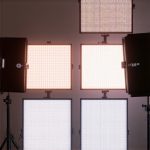
![3 LED Panel Light Shielding Hacks to Fix 16K Tint Shift [2026]](https://lights.creatorrigreviews.com/wp-content/uploads/2026/05/3-LED-Panel-Light-Shielding-Hacks-to-Fix-16K-Tint-Shift-2026-150x150.jpeg)


One response to “Stop Green Tints with This LED Panel Light Filter Hack for 2026”