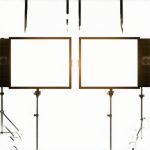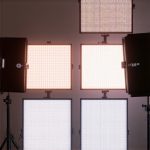
I remember the frustration vividly—spending hours setting up my softbox and fill light, only to find that my portrait was spoiled by distracting double shadows. It was a frustrating aha moment, realizing that my diligent setup was actually making my scene look worse. If you’ve ever experienced this, you’re not alone. Many creators stumble upon this issue early on, thinking they’ve got their lighting dialed in, only to get baffled by those pesky double shadows that seem to appear out of nowhere.
How Double Shadows Sneak Into Your Studio Setup
Double shadows often happen when the position of your fill light isn’t just right. It’s tempting to think that placing a secondary light to soften shadows on your subject’s face is simple—just turn it on and shoot. But in reality, if your fill light is positioned too close, too far, or at an awkward angle relative to your key light, it can cast multiple shadows. The result? A confusing, cluttered look that no amount of editing can fully fix. I learned this the hard way early in my journey—by not paying close attention to how my fill light interacted with my key light—and that mistake cost me some less-than-flattering photos. Want to avoid this? Keep reading for proven tips to get your fill lighting just right.
Is Double Shadow Fixing Really Worth Your Time?
At first, I questioned if investing time to troubleshoot shadows was necessary, especially when I was eager to shoot fast. But once I understood how improper light placement causes double shadows, I realized it’s crucial for professional-looking results. Properly adjusting your fill light doesn’t just improve aesthetics; it boosts viewer engagement and makes your videos or photos look polished. Don’t underestimate how much a small tweak can make a significant difference—better lighting can be a game-changer for your content quality. One early mistake I made was neglecting to consider the angle of my fill light, assuming more light would mean better results. That’s a common misconception, and it’s why many creators end up battling double shadows or overexposed backgrounds. To get ahead, I suggest diving into the fundamentals of softbox and fill light positioning—like those covered in our detailed guide on mastering softbox lighting—and applying them step by step to your setup.
Let’s explore what causes double shadows and how to fix them for good. Whether you’re shooting portraits, product videos, or casual vlogs, understanding this common pitfall is key to elevating your studio game. Are you ready to transform your lighting and banish those distracting shadows? Keep reading—your perfect shot awaits!
Placing Your Key Light Correctly
Start by positioning your softbox at a 45-degree angle to your subject’s face, slightly above eye level. This creates natural depth without casting harsh shadows. I once set my softbox directly in front of my subject, which flattened features and caused unwanted reflections. Adjusting the angle immediately added dimension and reduced shadows.
Use a Light Meter or Exposure App
Measure the intensity of your key light versus your fill light to balance shadows. During a recent shoot, I relied on a light meter to set my softbox at 650 lux and my fill light at 250 lux. This precise control prevented double shadows and created a pleasing, natural look.
Positioning the Fill Light Effectively
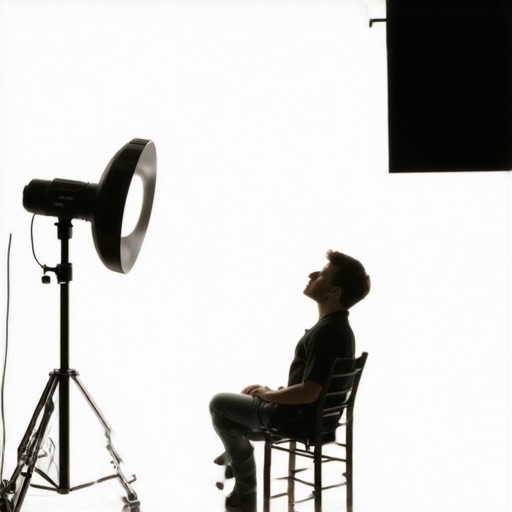
Place your RGB tube light or LED panel as a fill light opposite your key light, at a lower intensity—about 1/3 of your key. Keep it slightly farther from the subject to prevent overlap that causes multiple shadows. I once placed my fill light too close, resulting in overlapping shadows; moving it back made shadows softer and more natural.
Diffuse Your Fill Light Properly
Use a softbox or diffusion panel over your RGB tube light to spread light evenly, reducing harshness. In one experiment, I added a diffusion sock to my RGB tube softbox, which softened shadows dramatically and avoided double shadow artifacts.
Controlling Light Angles and Intensity
Adjust the angle of your fill light to avoid catching reflections or casting new shadows on the background. Keep the fill light angled slightly away from the subject’s face. During a recent portrait shoot, small tweaks to the fill light’s angle eliminated double shadows without moving the entire setup.
Experiment with Light Modifiers
Use grids, barn doors, or flags to shape your fill light. During a project, I added a grid to my RGB tube softbox to restrict spill and precisely control shadow softening, preventing unwanted overlapping shadows.
Refining Your Setup Through Practice
In my own studio, I practice by photographing a neutral subject and adjusting lights incrementally. I systematically move the fill light back and forth, watching how shadows change. That way, I learn the nuanced effects of positioning, which prevents accidental double shadows in real shoots.
Remember, subtle shifts can dramatically improve your lighting. Consistent experimentation, like adjusting angles, diffusion, and intensity, ensures that your subject is evenly lit without distracting shadows. For more advanced lighting techniques, explore detailed guides like mastering softbox lighting.
Sample Setup: Bringing It All Together
Place your key softbox at a 45-degree angle, just above eye level. Position your RGB tube fill light at a slight downward angle, about two feet from the subject, with diffusion added. Use a moderate intensity—around 250 lux for fill—to prevent overpowering the key. Adjust angles to shape shadows precisely. Repeat this process, viewing results on your camera or monitor, until shadows are even and natural without overlaps. With patience, consistent practice will make you adept at controlling and eliminating double shadows, elevating your professional studio photos and videos.Many creators assume that choosing a high-end softbox, LED panel, or RGB tube light guarantees perfect results. However, the real challenge lies not just in equipment selection but in understanding the subtle intricacies of lighting techniques. For instance, a prevalent misconception is that brighter or larger lights automatically produce better images. In reality, size and wattage are less impactful than proper placement and diffusion. Overlooking these nuances can lead to issues like flatness or unwanted shadows, even with expensive gear. Additionally, a common mistake is relying solely on default settings or presets. This approach ignores environment-specific factors such as reflectivity, color temperature, and the angle of incidence — which, according to lighting expert Neil van Niekerk, significantly influence the final look and feel of your shot. His study emphasizes that mastering these aspects elevates your craft far beyond equipment specs.
A counterintuitive point often missed is that adding more lights isn’t always better. Over-lighting can cause color shifts, hotspots, and loss of depth. Instead, strategic use of minimal, well-placed lighting yields more natural results. For example, a subtle RGB tube softbox used to complement natural light reduces harsh shadows and creates cinematic depth.
You might also be surprised to learn that many beginners underestimate the importance of light modifiers like grids, flags, or barn doors. These tools control spill and shape shadows precisely, which is vital for achieving professional imagery. Without proper control, even the most advanced lights can produce distracting reflections or unbalanced exposure.
So, what about the famous softbox size debate? While large softboxes diffuse light more broadly, they can also introduce undesired catchlights or flatten features if not positioned carefully. The key is understanding that softbox size should match your subject’s proximity and the intended aesthetic, not just size for size’s sake.
Have you ever fallen into this trap of assuming equipment alone solves lighting challenges? Let me know in the comments. For comprehensive insights into optimizing your studio setup, check out our guide on mastering softbox lighting techniques or explore creative RGB tube light effects to elevate your production quality.
Building a professional lighting setup isn’t a one-and-done task; it requires ongoing maintenance, precise tools, and strategic scaling. To keep your softbox, LED panel, key light, RGB tube, or fill light performing at their best, investing in the right tools is crucial. I personally rely on a high-quality digital light meter, such as the Sekonic C-700, which allows me to measure precise lux levels and ensure consistent exposure across shoots. This device has revolutionized my workflow by enabling quick, accurate adjustments rather than guesswork, especially when switching between different lighting configurations. Additionally, a sturdy tripod or light stand with adjustable height helps maintain consistent light angles over time, reducing the chances of shadows shifting unexpectedly. For color consistency, I use a spectrometer like the Colorimetrica to verify color temperature accuracy, which is vital for professional-grade content. As LED technology advances rapidly, I keep abreast of new innovations, such as the latest improvements in LED panel designs detailed at LED panel innovations, ensuring my equipment remains current and reliable. To scale your lighting setup effectively, consider modular systems that allow you to add or upgrade components without replacing the entire setup. This approach keeps costs manageable and allows for flexible configurations tailored to different projects. Regularly inspecting your lights for dust, flickering, or hardware wear, and performing firmware updates when necessary, helps prevent unforeseen failures. For example, firmware updates from manufacturer websites like manufacturer support often include bug fixes and feature enhancements that can improve performance. In my experience, establishing a routine maintenance schedule—monthly checks of all accessories, cleaning diffusers, testing power supplies—has significantly extended the lifespan of my gear. Looking ahead, I predict that AI-powered calibration tools will become standard, automating the process of maintaining optimal light output and color consistency. Embracing these tools now can give you a competitive edge. For those serious about long-term results, mastering the art of equipment upkeep is non-negotiable. Want to learn more about how to keep your gear in top shape? Explore detailed guides like softbox lighting solutions for practical tips. Take your setup to the next level by adopting advanced calibration methods—trust me, your future self will thank you. To start, I recommend implementing a regular calibration routine with a high-precision light meter, which can ensure your lighting remains consistent for every shoot, regardless of external factors.
Over the years, mastering studio lighting has been both a science and an art. One of the most enlightening lessons I’ve learned is that even with top-tier equipment, improper placement can sabotage your efforts—especially when it comes to eliminating those pesky double shadows. These shadows not only distract the eye but can also diminish your subject’s natural beauty and your image’s overall professionalism. The key is understanding that it’s not just about the lights you choose, but how you position them and how they interact with each other.
Lessons From the Shadow Forge
- My biggest breakthrough came when I realized that even a slight tilt or shift in my fill light could drastically reduce double shadows. Small adjustments, once overlooked, became game changers. Every portrait session became an experiment in fine-tuning light angles.
- Early in my journey, I believed that adding more lights would solve shadow problems. Instead, I found that strategic placement of a single key and fill light, combined with diffusion techniques, created more natural results. Quality over quantity is a mantra worth repeating here.
- I underestimated how much the environment affects shadows. Reflective surfaces or background elements can bounce light unpredictably, creating double shadows. Being mindful of your studio’s physical space is just as important as your lighting setup.
- Investing in a good light meter helped me measure and balance light intensities, preventing accidental overlaps that cause double shadows. Knowing precise lux levels can make your setup predictable and consistent.
- Practicing frequent setup rehearsals and taking test shots allowed me to identify shadow shapes and adjust before the actual shoot. This proactive approach saves time and ensures a polished final image.
Gear that Elevates Your Lighting Game
- High-Quality Light Meter: For precise control, I rely on tools like the Sekonic C-700. It guides me in achieving balanced lighting without guesswork.
- Diffusion Accessories: Using diffusion panels or softboxes over RGB tubes or LED panels softens shadows and minimizes double shadow formation. The best softboxes for RGB tubes provide excellent control and versatility.
- Reflectors and Flags: These modifiers help control spill and shape shadows precisely, vital for complex lighting scenarios.
- Consistent Environment Checks: Regularly inspecting and adjusting your studio space ensures that environmental factors don’t reintroduce unwanted shadows.
Lighting the Path to Better Portraits
If you’re serious about elevating your studio portraits, embrace a mindset of continual refinement. Every session is an opportunity to analyze light interactions critically. Remember, the goal isn’t just illumination; it’s creating a natural, inviting look that highlights your subject’s best features.
For a comprehensive deep dive into softbox setup strategies, I recommend exploring mastering softbox lighting. Also, experimenting with RGB tube light effects can add creative flair and control over your shadows and depth.
The Insider Wisdom
- Never underestimate the power of small positional tweaks. Sometimes, moving a fill light a mere inch can eliminate double shadows entirely.
- Myths about larger softboxes diffusing light better are just that—myths. Proper placement and diffusion accessories matter more than size alone.
- Environmental awareness is crucial. Reflective walls, clothing, or backgrounds can bounce light unexpectedly, creating shadow issues you didn’t anticipate.
- Consistent measurement and test shots are the unsung heroes. Data-driven adjustments lead to predictable, professional results every time.
- Embrace ongoing learning and experimentation. Lighting is a craft where even seasoned professionals find new tricks in every shoot.
Elevate Your Studio Lighting in 2024
By combining strategic placement, quality tools, and a curious mindset, you can banish those distracting double shadows and produce portraits that captivate. Your studio setup is an evolving craft—invest in understanding the mechanics, refine your techniques, and let your creativity shine through unshadowed perfection.
Are you ready to re-examine your light placement strategies and transform your portraits? Share your biggest lighting challenges below—I love hearing about your journey and helping you master the art of studio illumination.
,
![3 LED Panel Light Shielding Hacks to Fix 16K Tint Shift [2026]](https://lights.creatorrigreviews.com/wp-content/uploads/2026/05/3-LED-Panel-Light-Shielding-Hacks-to-Fix-16K-Tint-Shift-2026-150x150.jpeg)