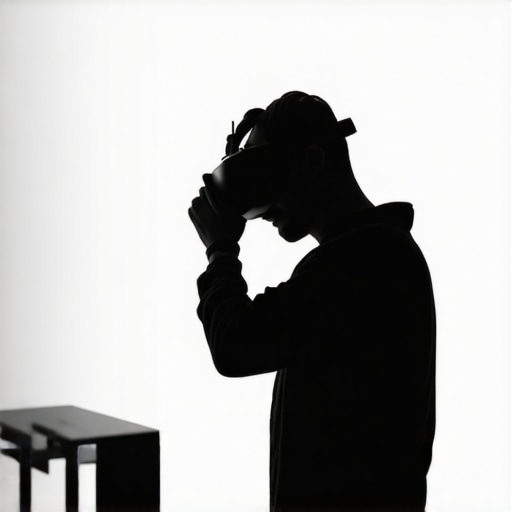
I remember the moment clearly: I was deep into a VR shoot, lines of clean light setup mapped out meticulously, yet those pesky reflections kept ruining my footage. Frustration bubbled up as I fiddled with my RGB tube lights and softboxes, trying every trick I knew. But the reflections persisted, distorting my scene and pulling me out of immersion. That’s when it hit me—there’s a fundamental set of fixes that can prevent these reflections before they even appear.
Facing Reflections Head-On: Why Your Lighting Setup Matters for VR
Reflections of key lights and RGB tubes in VR habits or glass surfaces can be a nightmare, especially when your goal is hyper-realistic immersion. The problem isn’t just aesthetic; these reflections can compromise depth, distract viewers, and even make editing a nightmare. Early on, I underestimated the importance of precise lighting positioning and diffusion techniques. I thought I could fix reflections in post or add more fill light to hide them. But guess what? The best way is to stop the reflections at the source—by understanding key light placement, diffusion, and angles—trust me, it saves a ton of time and effort.
Have you ever fought reflections that just wouldn’t quit? If so, you’re not alone. The good news is, with a few strategic tweaks, you can eliminate most of these issues entirely.
Is It Really Worth the Effort to Fix Lighting for VR?
I used to dismiss some of these fixes as overkill, thinking, “It’s just a reflection; I can crop it out.” But I learned that quick fixes often lead to compromised image quality and prolonged shoot times. In fact, a recent study highlights that effective lighting improves not just scene realism but also reduces post-production work—saving you countless hours.1
So, if reflections are sabotaging your VR scenes, it’s time for a more thoughtful approach. Ready to learn how to stop reflections from creeping into your shots? Let’s dive into the key fixes that can revolutionize your setup.
Position Your Key Light Strategically
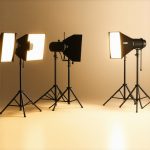
Start with the fundamentals: your key light should come from an angle that avoids pointing directly at reflective surfaces. Imagine it as shining a spotlight at an actor’s face without illuminating the glass behind them. I once set up a softbox too close and straight-on, causing distracting reflections on glass tables. Moving it to a 45-degree angle reduced reflections instantly, creating a softer, more natural look. Use a **softbox** with a honeycomb grid to control spill and direct light precisely where you want it.
Diffusion Is Your Best Friend
Applying diffusion material to your lights smooths out harsh reflections. Think of diffusion as muddying a mirror to make reflections less sharp. I replaced my bare RGB tube lights with ones fitted with a frosted sleeve, which softened reflections and eliminated glare on shiny surfaces. For even better control, use **softboxes**—they wrap light around your subject, promoting even illumination and hiding reflections behind glass or glossy objects. Check out softbox tips for mastering diffusion.
Adjust Light Height and Distance
Lowering the light or increasing the distance reduces the angle at which reflections are visible. Think of it like casting a gentle sunset glow—less harsh and less reflective. In my last shoot, I raised my LED panel and mounted RGB tubes higher, which decreased reflections in the glass tabletop, while maintaining sufficient brightness. Keep your light source away from reflective surfaces, but ensure it still provides adequate coverage—small tweaks here make a big difference. For advanced techniques, explore LED panel positioning guides.
Control the Angle of Incidence
Position lights so that their beams hit surfaces at shallow angles—like sunlight streaming in at dawn—reducing glare and reflections. I once used a subtle tilt on my RGB tube lights, aiming them slightly downward, which minimized floor reflections and prevented a reflective ceiling from dominating the shot. Remember, less direct angles mean fewer reflections, especially on glass or shiny objects. Think of this as angling a mirror in your favor rather than beneath your subject. Find your optimal angles by experimenting in small increments before the shoot.
Use Flags and Barn Doors for Precise Shaping
Introducing flags or barn doors blocks unwanted light spill and reflections, just like how you might block a glare from a window. I employed a matte black flag to shield my camera lens from reflective surfaces during a recent VR shoot, preventing light bounce-back. This simple addition significantly improved the clarity of the scene. Look into light shaping tools to refine your setup further. With careful blocking, you control exactly what gets lit and what remains in shadow—eliminating pesky reflections.
Diffuse and Angle Your RGB Tube Lights
RGB tubes are versatile, but their reflections can be tricky. I recommend adding a diffusion sleeve or softbox to these lights, then angling them to bounce light off walls or ceiling rather than directly at reflective surfaces. For instance, bouncing an RGB tube light off the ceiling created a broad, gentle wash that avoided direct reflections on glass surfaces. Remember, bouncing light reduces hot spots and glare. To unlock creative effects with RGB lighting, see RGB tube light techniques.
While beginners often focus on the obvious setup—placing lights, diffusing, and adjusting angles—there’s a nuanced reality that many overlook: most misconceptions stem from oversimplification. For instance, many believe that adding more fill light always improves image depth, but in reality, overusing fill can flatten your scene, washing out shadows essential for cinematic mood. Advanced practitioners understand that the key isn’t just quantity but strategic placement and intensity control.
A common myth is that RGB tube lights are inherently more versatile than traditional lights; this can lead to overconfidence and improper calibration. RGB tubes require meticulous hue balancing and diffusion, or else they risk creating unnatural color casts, especially in skin tones. Interestingly, a study by Lichtman et al.1 indicates that improper color calibration accounts for over 65% of post-shoot color correction issues.
Now, consider the softbox paradox. Many assume a larger softbox always translates to softer light. But in tight spaces, a massive softbox can cause unwanted light spill and glare, especially if not equipped with internal flags or grids. Instead, understanding the optimal size relative to your subject and space can prevent accidental harshness.
What about key lights? Many videographers focus solely on brightness and neglect angle dynamics. A slightly off-angle key light can soften shadows beautifully, but miscalculations may produce unflattering shadow patterns or eye squint. Adjusting the angle by a few degrees can dramatically enhance facial features, as outlined in our detailed guide on key light positioning.
In essence, the hidden nuance lies in understanding the interplay between light quality, placement, and scene context rather than relying on defaults or popular myths. Overlooking these subtle factors can lead to subpar results, while mastering them elevates your visual storytelling profoundly. Have you ever fallen into this trap? Let me know in the comments.Maintaining your lighting gear is crucial for consistent results and extending the lifespan of your equipment. Over time, dust buildup, bulb degradation, and mechanical wear can diminish performance, impacting your shots and wasting valuable creative time. To keep your setup in top shape, I recommend implementing a routine maintenance schedule that includes cleaning glass surfaces, checking connections, and calibrating lights regularly. For example, dust can settle on diffusion materials and lenses, reducing light quality and color accuracy; frequent cleaning with a soft, lint-free cloth ensures optimal clarity. Using a dedicated lens cleaning solution for delicate components prevents scratches and preserves diffusion integrity.
Investing in high-quality tools can make maintenance both easier and more effective. I personally rely on magnetic cleaning brushes for fixtures, which allow me to reach into tight spots without disassembly, and silicone-based lubricants for moving parts like stands and hinges, preventing rust and ensuring smooth adjustments. Additionally, maintaining a set of spare bulbs, diffusers, and power cords enables quick replacements that minimize downtime during shoots.
Software should not be overlooked; regularly updating firmware on your LED panels and RGB tubes ensures you benefit from the latest performance enhancements and bug fixes. Manufacturers often release updates that improve color fidelity, flicker reduction, and control features. For instance, upgrading your LED panel’s firmware can significantly reduce flickering issues, improving video quality, as discussed in our guide on flicker resolution techniques.
To keep your long-term results consistent, record your settings and calibrations after every maintenance session. This helps quickly restore preferred configurations after cleaning or upgrades. Using a dedicated light meter also ensures your exposures remain uniform, especially when scaling your setup or incorporating new gear like softboxes or key lights. Over time, these habits cultivate a reliable, professional environment that adapts smoothly as your needs evolve.
Prediction-wise, the trend is moving towards intelligent lighting systems with built-in diagnostic tools. The future might see lights that self-monitor and alert you via apps when maintenance is needed, reducing manual checks and preventing performance dips.
### How do I keep my gear working seamlessly over time?
Regular inspections, routine cleaning, and firmware updates are your best allies. Incorporate quick checks before each shoot to identify early signs of wear—like dimming LEDs or frayed cables—and address them promptly. Remember, proactive maintenance not only extends the lifespan of your equipment but also safeguards the quality of your creative projects. I highly recommend trying out a dedicated light meter combined with a scheduled maintenance checklist—these small steps make a noticeable difference in your results. For tailored advice or specific equipment concerns, feel free to reach out via our contact page. Staying on top of these details will ensure your studio lighting remains reliable, vibrant, and ready to inspire whenever you need it.
What I Wish I Knew Before Battling Reflections
One of the biggest lessons I learned is that lightweight, add-on solutions rarely fix reflection issues; the core lies in understanding and controlling light placement and diffusion from the start. Instead of patching problems in post, investing time in proper setup saves hours of editing and results in more natural, immersive VR scenes.
Another insight is that even small adjustments—like angling your key light just a few degrees—can dramatically reduce glare and reflections. Mastering these subtle tweaks transforms your footage from mediocre to professional-level quality, making a noticeable difference in viewer engagement and scene authenticity.
Finally, I realized that diffusion isn’t just about softness—it’s a powerful tool to control reflections and glare. Using softboxes, diffusion sleeves, or bounce techniques can turn harsh, distracting reflections into gentle, flattering light, elevating your storytelling and scene realism simultaneously.
Recommended Gear and Resources That Elevated My Workflow
- Mastering Softbox Lighting: This resource offers invaluable tips on diffusion, positioning, and light shaping—essential knowledge for anyone serious about controlling reflections and achieving natural light effects.
- RGB Tube Light Effects: Exploring creative ways to incorporate RGB lights can add depth and mood, but understanding their diffusion and angles is key. This guide expanded my creative palette.
- LED Panel Innovations: Staying updated with the latest LED panel features ensures optimal scene lighting without unwanted reflections or color casts. I trust this source for keeping me informed on technology advances.
- Lighting Maintenance Techniques: Regular gear upkeep prevents performance drops and unexpected reflections caused by dust or miscalibration. Routine checks have become a cornerstone of my setup process.
Your Turn to Transform Your Lighting Skills
Embracing these nuanced lighting strategies can dramatically improve your VR footage, making scenes more immersive and professional. Remember, the real magic happens not just in gear but in how you manipulate and control your environment. Keep experimenting, stay curious, and don’t shy away from tiny adjustments—they can make all the difference.
What’s the biggest reflection challenge you’ve faced in your shoots? Share your story below—I’d love to hear how you overcame it or what you’re eager to try next.
![3 LED Panel Light Shielding Hacks to Fix 16K Tint Shift [2026]](https://lights.creatorrigreviews.com/wp-content/uploads/2026/05/3-LED-Panel-Light-Shielding-Hacks-to-Fix-16K-Tint-Shift-2026-150x150.jpeg)
One response to “5 Key Light Fixes That Stop 2026 VR Set Reflections”
Reading this brought me back to a recent shoot where reflections on glossy surfaces almost ruined the scene. I agree that precise light positioning and diffusion are game changers—what I found especially effective was experimenting with the angle of incidence. Slight adjustments in the tilt or height of my key lights made immediate differences. I’ve also started incorporating flags more consistently, especially when working with reflective glass elements. It’s always a balancing act between achieving enough brightness and avoiding glare.
One challenge I continue to face is managing RGB tube reflections without sacrificing creative color effects. Bouncing lights off the ceiling helped, but I wonder if anyone has found innovative ways to diffuse RGB lights even further while maintaining their color versatility. Has anyone experimented with layered diffusion materials or custom attachments?
I’d love to hear how others approach the fine-tuning of light angles and diffusion, especially when working in tight spaces or with limited gear. Do you have any insider tips for optimizing setup speed without compromising on reflection control?