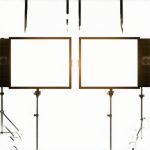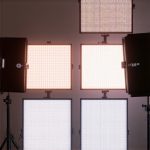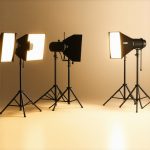
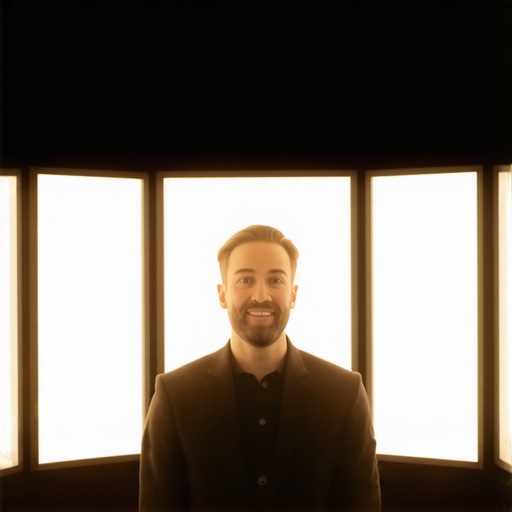
I remember the moment vividly—trying to nail that perfect interview shot with my LED panel lights, only to be met with harsh shadows and a skin tone that looked more plastic than natural. It was frustrating. I knew I wasn’t alone in this struggle; many creators face the same challenge: how to achieve that warm, natural glow on camera without investing in costly equipment or complicated setups. That’s when I discovered that simply bouncing light off surfaces could be a game-changer. This realization changed everything.
The Power of Light Bounce Techniques for Authentic Tones
In today’s content creation landscape, subtle lighting adjustments can make your videos look more professional and inviting. Thanks to emerging innovations in LED panel bounce hacks, achieving those natural interview tones in 2026 is more accessible than ever. Whether you’re working with a key light, softbox, or RGB tube lights, bouncing light effectively softens shadows and wraps your subject in a gentle glow, enhancing skin tones and overall image quality. Want to step up your lighting game? We’re about to explore three practical bounce hacks that I’ve personally tested—and swear by—to dial in perfect, natural tones in any environment.
Is Bounce Lighting Actually Worth the Hype?
I’ll admit, when I first heard about bouncing light, I was skeptical. I thought, “Will this really make that much difference?” Early on, I made a costly mistake—failing to test different surfaces for bouncing, which led to uneven light spread and color casts. That oversight taught me the importance of surface reflectivity and positioning. These pitfalls are common but easily avoidable once you understand the basics. For more tips on softbox setups that mimic natural window light, check out this guide, which emphasizes the importance of diffusion and reflection in achieving authentic lighting conditions.
Now, let’s dive into three bounce hacks that will help you get that natural, interview-ready look with your LED lights. Stay tuned—your camera will thank you.
*
Position Your Lights Strategically
Start with your key light—whether it’s an LED panel, RGB tube, or softbox—placing it at a 45-degree angle to your subject. Think of your key light as the main artist defining the scene’s mood; its position influences shadows and skin tones significantly. For example, I once shot a talking head setup where I initially placed the LED panel directly in front, causing flat lighting. Moving it to a side at 45 degrees instantly added depth and warmth. Always remember: the angle affects the natural falloff and should complement your bounce surfaces.
Choose the Right Reflective Surface
The surface you bounce light off determines how evenly your scene lights up. Use materials with high reflectivity—like white foam boards or glossy wall paint—to mirror light softly onto your subject. Avoid dull or dark surfaces, which absorb light, and steer clear of matte black walls unless creatively intentional. During a recent indoor interview, I experimented with a white foam board behind my camera. It reflected the LED’s light subtly onto my subject’s face, enhancing skin tones without harsh shadows, transforming a flat scene into a lively face shot.
Using Color-Accurate Surfaces
For skin-accurate tones, avoid colored or tinted surfaces. Recently, I mistakenly bounced off a painted wall with a cooler tint, resulting in a bluish skin hue. To fix this, I replaced the wall with a neutral white board, which restored natural warmth. As an alternative, some creators use reflective flags or specific bounce screens designed for color neutrality—check out key light techniques for more insights on balancing light color and intensity.
Position Your Bounce Surface Effectively
Place your reflective surface opposite the light source, shoulder-to-shoulder with your subject, at about eye level or slightly higher. Imagine the surface as a mirror extension of your key light—its goal is to soften shadows and add a natural glow. For example, I once propped a large white foam board at a slight angle, directly facing my LED panel, right beside my vlogger setup. This simple move spread light evenly across my subject’s face, reducing unflattering shadows and creating a more engaging shot. Always tweak the distance—closer surfaces intensify bounce, while farther ones soften it.
Fine-Tune for a Natural Look
Adjust your light and bounce positions iteratively. Slight shifts can dramatically change the tone—moving the bounce surface just a few inches can warm or cool the skin tones. Use a subtle hand; overbouncing can lead to unnatural flatness or color casts. During a recent midday interview, I rotated the foam board until the skin tone looked vibrant and authentic. Don’t hesitate to test different angles and surfaces—think of it as sculpting light rather than setting it and forgetting. For additional techniques, review softbox diffusion tips to enhance your overall lighting setup.Many creators believe that simply choosing a high-wattage LED panel or RGB tube guarantees professional results, but this is a misconception. The real challenge lies in understanding the subtle nuances that influence your lighting quality. For example, excessive focus on brightness can lead you to ignore important factors like color rendering index (CRI) and spectral quality. According to lighting expert Mark Rea, high CRI values are crucial for authentic skin tones and vibrant visuals, yet many overlook this and settle for lower-quality LEDs that appear bright but distort colors.
Why Do So Many Fall for Simplistic Assumptions About Lights?
It’s common to think that brighter always means better, but this can lead to overexposure or washed-out footage—especially if the light lacks proper diffusion or hue balance. A common trap is equating wattage with quality, when in reality, lumen efficiency and color accuracy are more indicative of output quality. When using RGB tube lights, beginners often neglect to calibrate their settings correctly, resulting in color shifts that appear unnatural. Be cautious: not all that shines brightly translates to a good image. For advanced tips on optimizing your LED setup, check out this guide that covers the nuances of choosing the best LED technology.
Another prevalent myth involves softboxes—many believe that attaching multiple layers of diffusion will always produce softer light. While diffusion is essential, over-diffusing can actually reduce light intensity excessively, leading to underexposed scenes. It’s a delicate balance; opting for a thinner diffusion panel or adjusting the distance between the light source and diffuser often yields better results. Moreover, equipping your softbox with an effective grid can prevent spill, especially in small studios, as outlined in this article. Think of diffusion and control as tools for shaping light, not just diminishing it indiscriminately.
In the realm of key lights, many creators focus solely on placement without considering the light’s spectral quality or the impact of different color temperatures. Using a mismatched color temperature between key and fill lights can cause skin tones to appear unnatural or washed out. Advanced users will often employ gel filters or choose lights with adjustable Kelvin temperature to fine-tune the scene. For example, mixing a daylight-balanced key with a tungsten fill can create a pleasing contrast or a flat, unflattering look—it’s all about mastering these subtleties. A recent study in professional studio lighting recommends matching spectral output to your camera’s sensor sensitivity for optimal results—something many overlook in pursuit of convenience.
In essence, achieving cinematic quality is less about raw brightness and more about understanding how light interacts with surfaces, your subject, and the environment. Failing to consider these nuances often results in common mistakes, like unwanted color casts, harsh shadows, or flat images. To deepen your expertise, dive into this resource on fill light techniques or explore how tiny adjustments in your RGB tube light’s power and hue can dramatically elevate your shot. Remember: mastery in lighting is a blend of technical knowledge and artistic sensibility. Have you ever fallen into this trap? Let me know in the comments.
To keep your lighting setup performing at its best over time, investing in the right tools and following consistent maintenance routines is crucial. One of my top recommendations is a reliable contact cleaner for your LED panel connectors. Regularly cleaning the contacts helps prevent flickering, which can occur from dust buildup or corrosion, extending the lifespan of your equipment. Moreover, using a power meter like the Assess 34 or similar models allows me to monitor the actual wattage consumption and ensure my lights are operating efficiently, avoiding overloads or premature component wear. This is especially important when scaling setups with multiple RGB tube lights or softboxes, as uneven power distribution can lead to color shifts or flickering artifacts.
When it comes to software, a lighting calibration app—such as the X-Rite i1Studio—helps me maintain consistent color accuracy across different fixtures. Regular calibration ensures skin tones stay true whether I shoot indoors or outdoors. Additionally, utilizing a dimmer controller like the Lutron Caséta allows for fine-tuning light intensity without physically adjusting the fixtures, saving time and maintaining consistency during long shoots.
Preventative maintenance extends beyond cleaning and calibration. For hardware longevity, I always keep my key lights and softboxes in a dedicated carrying case when not in use. This prevents accidental damage and dust accumulation. Replacing fragile components like diffusion gels or softbox grids periodically keeps your light soft and free of unwanted hotspots. Remember, the durability of your gear isn’t just about the quality of the initial purchase but ongoing care.
Looking ahead, I predict that intelligent, IoT-enabled lighting systems—integrating sensors and automation—will become more prevalent, allowing remote diagnostics and automatic adjustments to optimize performance. For now, these practical tools and routines are your best bet for sustaining professional-quality lighting in your studio or on location.
How do I maintain my lighting equipment over time?
Establishing a regular maintenance schedule is key. Clean lenses, dust off heat sinks, and check cable connections monthly. Implement routine calibration every few months—especially if you notice color shifts during shoots. When scaling your setup, monitor power consumption with a quality power meter, and keep all gear stored properly to prevent physical damage. Staying proactive with these habits not only prolongs the life of your lights but also ensures your footage remains top-notch. For detailed tips on upgrading your softbox setup or troubleshooting flickering issues, consider exploring this guide. Try applying one new maintenance tip today and see how your lighting performance improves significantly.
The Deepest Lessons I Learned from Lighting Mishaps
- Sometimes, the biggest breakthroughs come from mistakes—like bouncing light off a dull surface that only made shadows worse. Trial and error, combined with genuine curiosity, helped me discover that surface reflectivity is everything.
- Many creators underestimate the power of positioning—shifting a softbox or bounce surface just a few inches changed my entire shot’s warmth and depth. It’s about small, intentional tweaks.
- Color temperature mismatches are sneaky villains. I learned to always match my key and fill lights’ Kelvin settings to avoid unflattering hues.
- Over-diffusing softboxes can dim the scene excessively. Finding the right diffusion balance made my images not only softer but also more vibrant and true to life.
- Investing in simple tools like a power meter and calibration apps transformed my approach—allowing consistent, professional results every time without guesswork.
Tools That Changed My Lighting Game in 2026
- Assess 34 power meter: Monitoring actual wattage and ensuring balanced power across multiple lights keeps my setup efficient and consistent.
- Key light techniques guide: This resource taught me how subtle adjustments in key light angle dramatically improve skin tone warmth and depth.
- Softbox diffusion tips: Perfect for achieving that natural, gentle light that flatters every skin type, especially in tight indoor spaces.
- LED panel innovations: They introduced me to smarter, more color-accurate LEDs that elevate my overall lighting quality and save me time on set.
Light Your Path: Embrace the Creative Challenge
Lighting is as much an art as it is a science. The more I experiment, the more I realize that every subtle shift in position, surface, or color temperature can unlock new creative possibilities. Don’t shy away from pushing your setup—your best images and videos await beyond your comfort zone. Remember, mastery in lighting is a continual journey of learning and adaptation. If you’re ready to elevate your video tones and create visuals that truly pop, start experimenting today. What’s one lighting tweak you’re excited to try next? Share your ideas below and let’s grow together in this illuminating journey!
![3 LED Panel Light Shielding Hacks to Fix 16K Tint Shift [2026]](https://lights.creatorrigreviews.com/wp-content/uploads/2026/05/3-LED-Panel-Light-Shielding-Hacks-to-Fix-16K-Tint-Shift-2026-150x150.jpeg)