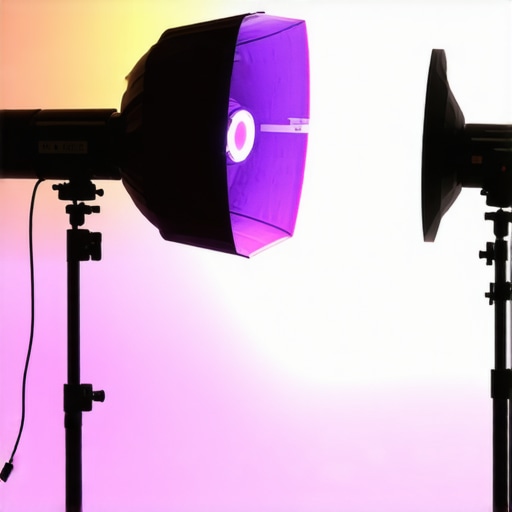
Have you ever set up your softbox or RGB tube lights, only to realize that your shots look flat, dull, or just not quite right? I’ve been there. I thought I had everything under control—until I saw the footage and wondered what went wrong. It’s a frustrating moment that many creators face, especially when trying to get professional-looking lighting without a huge budget or complicated setup.
Why Lighting Is the Secret Sauce for Stunning Videos and Photos
Good lighting can make or break your content. It’s the difference between a grainy, forgettable shot and one that captivates your audience. When I first started experimenting with softboxes and RGB LEDs, I underestimated how much proper setup and understanding could elevate my work. I used to just point my lights at my subject and hope for the best. Spoiler: It rarely worked. Over time, I learned that lighting isn’t just about having equipment—it’s about mastering techniques that bring out the best in your scene.
That’s why I want to share some tried-and-true tips for making your softbox and RGB tube lights work smarter, not harder. These insights will help you avoid rookie mistakes and achieve cinematic quality, even if you’re working in a small space or on a tight budget. Plus, I’ll guide you through how to use creative lighting effects, like those achievable with RGB tubes, to add mood and depth to your videos. Curious? Stick around, because your lighting game is about to get a serious upgrade.
Is All the Hype About RGB Tube Lights and Softboxes Just Marketing?
Honestly, I used to think so. I bought a fancy RGB tube light thinking it would instantly transform my videos. Big mistake. I didn’t take the time to learn how to use it properly, which led to inconsistent results. Early on, I made the mistake of thinking that more expensive equipment would automatically deliver professional results. Spoiler: It doesn’t. Proper technique and understanding are what truly matter. For example, I discovered that softbox fill light techniques can dramatically improve your scene’s realism, while creative use of RGB effects can add that extra punch.
So, if you’ve ever felt overwhelmed by the myriad of lighting options or skeptical about whether these tools are worth the investment, you’re not alone. I’ve been there, and I’ve learned that the real magic happens when you understand how to manipulate light to serve your vision. Ready to take your lighting skills to the next level? Let’s dive into the practical tips that will help you craft stunning visuals every time.
Position Your Key Light for Impact
Start with your key light, which is the main source illuminating your subject. Place it at a 45-degree angle to your face, slightly above eye level. This setup mimics natural sunlight and creates pleasing shadows that add depth. I once struggled with flat lighting until I moved my softbox closer and adjusted its height, resulting in a more three-dimensional look. For detailed key light techniques, check out these tips.
Fine-tune the angle and height
Adjust the softbox or RGB tube light so that the shadow falls subtly on the opposite side of your face. Avoid placing the light directly in front or too high, as it can flatten features or create unflattering shadows. Use a reflector or fill light to soften harsh shadows if needed.
Set Up the Fill Light for Natural Skin Tones
The fill light softens shadows cast by your key light, ensuring your skin looks natural and well-lit. Use a softer, less intense light source—like a smaller softbox or a diffuser on your RGB tube light. Position it opposite your key light, about 2-3 feet away, and at a similar height. I once used my RGB tube as a fill, diffusing it through a soft umbrella, which produced a gentle, even glow that made my footage pop.
Adjust for balance
Turn the fill light down until shadows are softened but not eliminated. The goal is to maintain some shadow for dimension, not to eliminate contrast entirely. For more nuanced fill techniques, see this guide.
Create a Backlight or Hair Light
Add a backlight behind your subject to separate them from the background. Place a small RGB tube or softbox above and slightly behind your subject, pointing towards their hair or shoulders. This adds rim light, highlighting edges and adding depth. I experimented with different angles until I found the glow that made my subject stand out crisply against the background.
Control intensity and color
Keep the backlight subtle—just enough to create separation. Use RGB tubes to experiment with color accents, adding mood or style. For example, a blue rim light can evoke cool, modern vibes. Check out this article for creative backlight ideas.
Use Creative Effects with RGB Tubes
RGB tubes shine when you want to add mood or dynamic elements. For nighttime scenes or energetic videos, experiment with effects like color cycling, strobing, or pulsing. I once shot a moody music video using RGB effects, syncing the color shifts with the beat, which dramatically enhanced the scene’s impact. For more inspiration, explore this resource.
Experiment and refine
Don’t be afraid to play with brightness, saturation, and timing. Use your camera’s settings to capture the effects vividly. Remember, the key is to complement your scene’s mood and story, not overpower it.
Test and Adjust Your Setup Regularly
Lighting is an iterative process. After setting up, record a few test clips and review them carefully. Look for any shadows that are too harsh, hotspots, or color inconsistencies. Adjust your lights’ positions, intensities, or colors accordingly. I often tweak my softbox angle and RGB tube color balance until I get the perfect look. For detailed adjustment techniques, see this article.
< >
>
Many creators assume that lighting equipment like softboxes, LED panels, and RGB tubes are straightforward tools that simply need to be placed and turned on. However, this oversimplification often leads to subpar results and missed opportunities for cinematic excellence. Let’s dig deeper into what most people get wrong about these essential lighting tools and uncover some hidden nuances that can elevate your craft.
Myth: Bigger Means Better
One of the most pervasive misconceptions is that larger softboxes or more powerful LEDs automatically produce superior lighting. In reality, it’s about quality, control, and placement. An oversized softbox may create diffuse, soft light, but if it’s too far or too close, it can wash out your subject or introduce unwanted spill. Similarly, high-wattage LED panels might seem impressive, but without proper diffusion and color temperature management, they can cause harsh shadows or color inconsistency. The key is understanding how to tailor your light source to your scene, not just increasing its size or power. For advanced techniques, check out this guide.
Beware of the “Set and Forget” Approach
Many beginners set up their lights, tweak the intensity, and then forget about them. This is a trap. Lighting requires ongoing adjustment, especially when working with RGB tubes or variable LED panels. Small changes in distance, angle, or color temperature can dramatically alter your shot’s mood and realism. For example, I once used my RGB tube as a fill light, but forgot to adjust its saturation after changing my scene background, resulting in a disconnect that distracted viewers. Regular testing and iterative tweaks are essential. For nuanced adjustments, explore this article.
Overlooking the Power of Light Positioning
Positioning your key, fill, and backlights is where many go wrong. The common mistake is placing lights at eye level or directly in front of the subject, flattening features and reducing depth. Instead, aim for dynamic angles—placing your key light at a 45-degree angle, backlight slightly above and behind, and fill light at eye level but softer. This setup creates natural shadows and highlights that add dimension. Advanced practitioners also manipulate light falloff and distance to control the scene’s mood, a technique often overlooked. To master this, see this resource.
Why do RGB tubes sometimes ruin your scene even when they look cool?
This is a question advanced users ask. RGB tubes are versatile but can introduce color cast issues if not balanced properly. Over-saturation or mismatched color temperatures with other lights can make skin tones look unnatural. Precise control over hue, saturation, and brightness is crucial. Moreover, RGB tubes tend to flicker or produce banding artifacts if not set to the correct refresh rate or if your camera’s shutter speed isn’t optimized. For best results, experiment with effects like color cycling, but always review footage to avoid distracting inconsistencies. For creative effects, consider these tips.
Finally, a common trap is neglecting the importance of understanding your gear’s limitations. No matter how advanced your RGB or softbox setup is, improper use—like ignoring color temperature mismatches or over-relying on effects—can diminish your footage quality. Remember, mastering lighting is about subtlety and precision, not just flashy gadgets. Want to avoid costly mistakes and learn the secrets of professional lighting? Reach out through this contact page.
Investing in quality softboxes, LED panels, and RGB tube lights is just the beginning. To ensure your lighting setup continues to deliver stunning results over time, regular maintenance and smart tool choices are essential. I personally rely on specific cleaning routines and equipment to keep my gear performing at peak levels, especially during intensive shooting schedules.
How do I maintain my lighting equipment over time?
First, always keep your softboxes and diffusers clean. Dust and dirt can affect light quality, causing uneven output or color shifts. I use a soft microfiber cloth and a gentle, non-abrasive cleaner for the fabric surfaces, avoiding harsh chemicals that could degrade the material. For the LED panels and RGB tubes, I regularly check and clean the vents and fans—dust buildup can cause overheating and reduce lifespan. A compressed air canister works wonders here, especially if used monthly.
Second, verify your power supplies and cables. Loose connections or frayed cords can lead to flickering or inconsistent brightness. I recommend investing in high-quality, durable cables and connectors; brands like Neutrik and Mogami are reliable choices that withstand daily use. Also, periodically test your lights’ color accuracy using a tool like the color calibration chart to ensure consistent performance.
Third, keep software and firmware updated. Many modern LED panels and RGB tubes support firmware upgrades that fix bugs and add features. Check your manufacturer’s website regularly and follow their update procedures—this can prevent issues before they arise, especially with complex effects like color cycling. For example, the latest firmware updates for RGB tube lights often include flicker-free operation modes, which are crucial for smooth video footage.
Tools I recommend for long-term upkeep
I swear by a few dedicated tools: a high-quality microfiber cloth for cleaning, compressed air for dust removal, and a multimeter to confirm electrical stability. For software, I use manufacturer apps to monitor firmware status and adjust color profiles remotely. If you’re serious about maintaining studio equipment, investing in a small, portable multimeter like the Fluke 101 can save hours by diagnosing power issues quickly.
Looking ahead, the trend in lighting is moving towards smarter, more connected devices with self-diagnostic features. In the future, I predict integrated health monitoring systems will alert creators proactively when maintenance is needed, reducing downtime and extending gear lifespan. Staying ahead of this curve means choosing equipment with robust build quality and software support now, so you’re ready for the innovations to come.
Try this tip: Keep your RGB tubes in top shape by experimenting with color cycling effects—just like in the creative lighting guide. Regularly updating your firmware and cleaning the tubes ensures vibrant, flicker-free colors that elevate your videos. Don’t neglect maintenance—your future self will thank you for it!
Maintaining your studio lighting gear might seem tedious, but it’s a small investment of time that pays huge dividends in the quality and longevity of your equipment. Stay proactive, keep your tools in check, and your lighting will continue to impress for years to come.
Lessons That Broke My Illusions About Studio Lighting
- One of the hardest lessons I learned was that size doesn’t equal quality. I used to rely on large softboxes thinking bigger meant better, but I realized that precise placement and control matter more than sheer size. Small, well-placed lights often outperform oversized setups.
- Getting obsessed with power can be a trap. High-wattage LEDs are tempting, but without proper diffusion and color management, they cause harsh shadows and inconsistent hues. It’s about tuning your light to your scene, not just cranking up the wattage.
- Regular tweaks are essential. I used to set up my lights and forget about them. Now, I review footage regularly, adjusting angles, intensities, and colors. Little refinements make a huge difference in the final look.
- RGB tubes are versatile but tricky. Over-saturation or mismatched hues can ruin a shot. I learned to balance colors carefully and always review footage for flicker or artifacts before finalizing.
- Maintenance isn’t glamorous but is critical. Cleaning diffusers, dusting vents, updating firmware — all keep your gear performing at its best and extend its lifespan. A little effort saves a lot of headaches later.
Tools That Changed How I Approach Lighting
- Color Calibration Charts: Essential for maintaining consistent hues and skin tones, especially when using RGB lighting. I trust them for professional results.
- High-Quality Microfiber Cloths: Keep diffusers and softboxes dust-free for even light distribution. Small but powerful.
- Compressed Air Canisters: Perfect for cleaning vents and fans on LED panels, preventing overheating and flickering.
- Reliable Power Cables and Connectors: Investing in durable, high-quality cables like Neutrik reduces downtime and ensures safety.
- Firmware Update Software: Staying current with manufacturer updates prevents bugs and unlocks new features, especially for RGB effects.
Your Next Step in Lighting Mastery
Embracing the nuances of softbox, LED panel light, RGB tube light, key light, and fill light techniques can truly elevate your creative work. The future of lighting is about smart, adaptable tools that respond to your needs, so staying informed and proactive is key. Whether you’re refining your setup or experimenting with new effects, remember: mastery comes from patience, experimentation, and a willingness to learn. Ready to transform your studio lighting? Dive into the latest guides and keep pushing your craft forward. How have you recently improved your lighting setup? Share your story below!”,
![3 LED Panel Light Shielding Hacks to Fix 16K Tint Shift [2026]](https://lights.creatorrigreviews.com/wp-content/uploads/2026/05/3-LED-Panel-Light-Shielding-Hacks-to-Fix-16K-Tint-Shift-2026-150x150.jpeg)
2 responses to “Ultimate Softbox & RGB Tube Lights: Expert Lighting Tips 2024”
This post really hits home for me. I used to think that the biggest, brightest softboxes would automatically give me the cinematic look I wanted. But after some trial and error, I realized that proper placement and understanding the qualities of my lights are far more important. I’ve found that even small tweaks, like adjusting the height or angle of my softbox, can make a huge difference in adding depth and reducing flatness. The same goes for RGB tubes—carefully controlling saturation and color temperature is key to avoiding unnatural skin tones.
One thing I’ve struggled with is managing the balance between key and fill lights, especially when working in tighter spaces. I’d love to hear others’ tips on optimizing light placement in small studios. How do you manage to create that perfect balance without overcomplicating your setup? Also, does anyone have experience with using color cycling effects creatively without distracting from the main scene? Would be great to exchange ideas on harnessing these tools effectively.
I completely agree with the emphasis on positioning and subtle control. Over the years, I’ve learned that a small change in the angle or distance of a softbox can dramatically shift the overall mood of a shot. I remember initially stacking bright, large softboxes in my small studio, thinking bigger was better, only to realize it washed out my subject and flattened the scene. Now, I focus on getting the light to fall naturally with precise placement, which is often more effective than sheer size.
Regarding RGB tubes and creative effects, I found that limiting the saturation and using gradual color transitions helps prevent distractions while adding mood. Have others experienced flickering when using effects with certain shutter speeds? I’d love to hear tips on syncing effects to avoid this common issue, especially for smoother video output. Also, for tight spaces, do you prefer using smaller, more directional lights or diffused softboxes? It seems like a balance worth exploring to keep the setup simple yet effective.