My Journey into the World of LED Panel Lights and Key Lighting
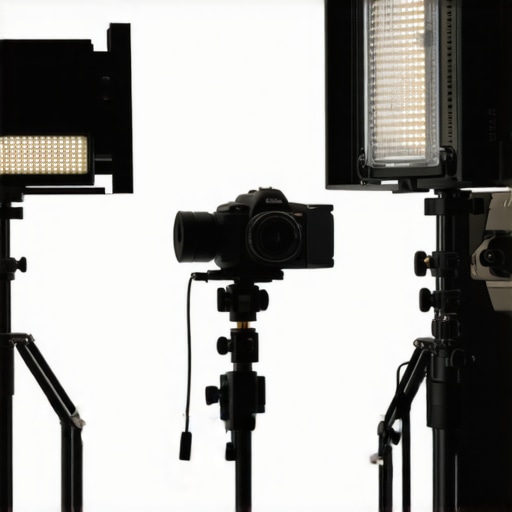
As a passionate videographer, I remember the first time I struggled with lighting on a shoot. I was overwhelmed by the array of equipment, especially when it came to choosing the right LED panel lights and setting up an effective key light. Over time, I learned that lighting isn’t just about equipment—it’s about understanding how to craft the perfect visual atmosphere. Today, I want to share some personal tips and insights I’ve gathered, especially focusing on the best LED panel lights and key light techniques that truly elevate my filmmaking.
Why I Switched to High-Quality LED Panel Lights
Initially, I used basic lighting setups, but I quickly realized that LED panel lights offer unmatched versatility and control. They are energy-efficient, produce minimal heat, and have adjustable color temperatures, which means I can match natural light or create dramatic effects effortlessly. After experimenting with various brands, I found that investing in top-tier LED panels made a significant difference in my video quality. For example, the latest LED innovations have features like wireless control and high CRI ratings, which help me achieve more accurate color reproduction.
My Personal Approach to Key Light Setup
Setting up the key light is both an art and science. I prefer to think of it as sculpting light to shape my subject’s face and mood. I usually position my key light at a 45-degree angle to the subject, slightly above eye level, to create natural shadows that add depth. I also adjust the intensity to ensure the background remains balanced. When I want a softer, more flattering look, I use a softbox to diffuse the light, which I learned from softbox lighting tips. For a more dramatic or cinematic effect, I sometimes incorporate RGB tube lights for creative color accents, especially during evening shoots. Their flexibility helps me craft compelling visual stories.
What Makes a Good Key Light Technique?
To me, a good key light technique involves understanding the scene’s emotional tone and adjusting accordingly. For instance, during a recent outdoor interview shoot, I used a combination of natural daylight and a portable LED panel with a warm filter to match the sunset glow. This approach made my subject look natural yet vibrant. I also pay attention to the background lighting to ensure the subject doesn’t blend into the surroundings. For more advanced techniques, I often refer to the key light techniques guide to refine my skills. Remember, mastering lighting is a continuous journey, and practice is key.
How Can I Combine LED Panel Lights and Key Lights for Cinematic Results?
Combining LED panels with well-placed key lights creates depth and dimension in your shots. I usually start with my key light to establish the subject’s primary illumination, then add fill lights or RGB accents to enhance mood and atmosphere. For example, during a recent music video shoot, I used a large LED panel as my key light, complemented by colorful RGB tube lights to add visual interest. This layered approach helps me achieve a cinematic look that captivates viewers. If you’re interested in exploring creative lighting effects, check out this article on RGB tube light effects.
Lighting is an art that combines technical skill with creative intuition. I encourage fellow videographers to experiment with different setups, learn from authoritative sources, and trust their instincts. Whether you’re just starting or looking to elevate your craft, understanding your lighting tools—especially LED panel lights and key lighting techniques—will always be a valuable investment. Feel free to share your experiences or ask questions in the comments—I love hearing how others approach their lighting challenges!
Mastering the Art of Lighting Layering for Cinematic Impact
Once you’ve grasped the basics of using LED panel lights and key lights, the next step is understanding how to layer your lighting to craft visually compelling scenes. Layering involves combining different light sources—such as fill lights, background lights, and accent lights—to create depth and mood. For example, in a recent project, I used a soft LED panel as my key light, then added a subtle backlight to separate the subject from the background, and finally incorporated RGB tube lights to introduce color accents that reflected the scene’s emotional tone. This approach transforms flat images into rich, cinematic visuals. For more nuanced control, exploring the ultimate guide on softbox and RGB tube lights can provide deeper insights into layering strategies and equipment choices.
How Can Understanding Color Temperature Influence Your Lighting Decisions?
Color temperature is a crucial factor that can dramatically alter the atmosphere of your shots. As an expert, I often adjust my LED panel’s color temperature based on the scene’s mood—using warmer tones to evoke intimacy or cooler tones for a clinical or modern feel. Matching your artificial lighting with natural light sources, such as during sunset or golden hour, requires precise control over color temperature, which high-quality LED panels facilitate. Incorporating gels or filters can further refine this effect. It’s worth noting that the trusted resource on color temperature control offers advanced techniques for seamless integration of artificial and natural light, ensuring your scenes appear natural and intentional.
What Role Do Practical Lights Play in Enhancing Your Scene’s Realism?
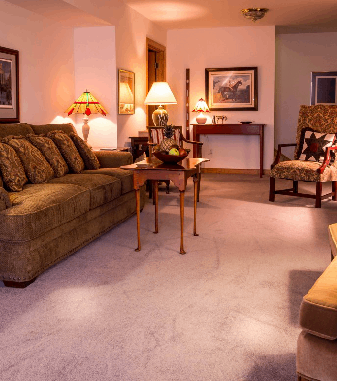
Practical lights—like lamps, candles, or streetlights—are often overlooked but are essential for grounding your scene in reality. When combined with your professional lighting setup, practical lights add authenticity and depth. For instance, I use practical lights as background accents or to highlight specific scene details, which can be more convincing than solely relying on artificial lighting. Balancing practical lights with your LED panels and key lights requires a nuanced understanding of exposure and shadow control. If you’re interested in integrating practical lighting seamlessly, the softbox lighting tips for realistic scenes can guide you through creating natural-looking illumination that complements your scene’s practical sources.
How Can I Use Creative Lighting to Reinforce Narrative Themes?
Creative lighting isn’t just about aesthetics; it’s a storytelling tool. By manipulating light color, intensity, and placement, you can subtly reinforce a scene’s emotional or narrative themes. For example, I often use harsh shadows with colored gels to depict internal conflict or danger, while soft, warm lighting can evoke comfort or nostalgia. The flexibility of RGB tube lights allows me to experiment with vibrant hues that symbolize character traits or plot points, especially during evening or night shoots. The key is to understand the psychological impact of lighting choices and how they influence viewer perception. To explore this further, consider delving into resources on creative uses of RGB tube lights for storytelling.
Remember, lighting is a dynamic aspect of filmmaking; it requires both technical skill and artistic intuition. Experimenting with different setups and learning from authoritative sources will deepen your expertise. If you’re eager to elevate your lighting game, sharing your experiences or asking questions in the comments can lead to valuable exchanges. Keep exploring the endless possibilities of light and shadow, and your scenes will undoubtedly resonate with cinematic depth and emotional clarity.
Embracing the Nuances: How Personal Experience Shapes Advanced Lighting Strategies
Over the years, my journey with LED panel lights and key lighting has evolved from simple setups to intricate layers that tell compelling stories. One aspect I’ve come to deeply appreciate is how the choice of lighting gear influences not just the technical quality of a shot but also the emotional resonance. For instance, experimenting with high-CRI LED panels, like those highlighted in latest LED innovations, has enabled me to fine-tune color accuracy in challenging environments, such as mixed lighting conditions. This refinement allows my subjects to appear authentic, and the scene’s mood to be more palpable, fostering an intimate connection between viewer and character.
Refining the Art of Key Light Placement: Beyond Basics
Positioning the key light is more than a technical choice; it’s a narrative decision. I often reflect on how subtle shifts—like raising the light a few degrees or softening its intensity—can dramatically change a scene’s emotional tone. During a recent interview, I experimented with a softbox’s diffusion to create a gentle, flattering glow, but then introduced a secondary RGB backlight to inject a splash of color that hinted at the subject’s inner complexity. These layered choices, though nuanced, convey deeper stories without words, emphasizing the importance of understanding lighting’s psychological impact.
What Are the Hidden Layers of Cinematic Lighting?
Layering isn’t merely stacking lights—it’s about orchestrating a symphony of visual cues. In my experience, adding subtle backlights or practical sources like lamps adds depth that makes scenes more immersive. For example, I recall a scene where a backlight not only separated my subject from a cluttered background but also created a halo effect that symbolized hope amid chaos. Exploring the comprehensive guide on softbox and RGB tube lights has helped me understand how to achieve these effects with precision, balancing light ratios and color temperatures to evoke specific emotional responses.
How Does Color Temperature Deepen Narrative Layers?
Color temperature isn’t just about matching daylight or creating cool scenes; it’s a storytelling device. I often analyze how warm tones evoke comfort or nostalgia, while cooler tones suggest detachment or modernity. During an outdoor shoot, matching my LED panel’s warmth to the setting sun created a seamless transition that made my subject appear naturally integrated into the environment. This technique, supported by resources like advanced temperature control methods, empowers me to craft scenes that resonate on an emotional level, guiding viewers’ perceptions subtly but powerfully.
How Can Practical Lights Elevate Your Visual Realism?
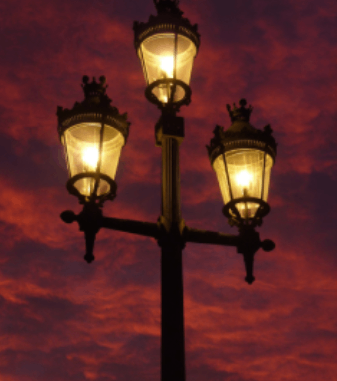
Practical lights anchor scenes in reality, yet mastering their use requires finesse. I’ve found that blending practical sources with professional LED lighting enhances believability—like using a streetlamp’s warm glow to complement a cool LED fill in an urban night scene. Achieving this harmony involves understanding exposure and shadow interplay, which I’ve honed through continuous experimentation. For those eager to refine this balance, the practical lighting tips for realism provide practical insights. When thoughtfully integrated, practical lights can transform a scene from staged to authentic, enriching storytelling.
How Can Creative Lighting Reinforce Character and Mood?
Creative lighting is perhaps the most expressive aspect of cinematography. I often reflect on how color gels, shadow patterns, or light direction can subtly influence viewers’ emotional responses. For instance, using harsh, colored shadows during tense scenes amplifies internal conflict, while soft, warm glows evoke tenderness or safety. RGB tube lights, with their vibrant hues, have become invaluable tools for me to symbolize character traits or thematic elements. As explored in creative RGB applications, experimenting with these effects amplifies storytelling depth, making scenes more layered and memorable.
Ultimately, mastering advanced lighting techniques demands an ongoing commitment to learning and experimentation. I encourage fellow creators to embrace the complexity, explore authoritative resources, and trust their intuitive judgments. Every scene offers an opportunity to refine your craft—share your experiences or questions in the comments, and let’s grow together in this luminous journey. The art of lighting is endless, and its potential to elevate your storytelling is boundless.
Harnessing the Power of Dynamic Color Manipulation for Mood Enhancement
One of the most nuanced aspects of my lighting repertoire involves the deliberate manipulation of color within scenes to evoke specific emotional responses. While adjusting the color temperature of LED panels is fundamental, integrating RGB capabilities offers a spectrum of creative possibilities that go beyond simple warmth or coolness. For instance, during a recent psychological thriller project, I employed subtle shifts in RGB hues to mirror the protagonist’s fluctuating mental state, seamlessly blending multiple color layers to mirror internal conflict and external tension. This technique requires a keen understanding of color psychology, as articulated in the comprehensive analysis by research on color psychology in visual storytelling. By carefully selecting and layering these hues, I was able to deepen the narrative without explicit exposition, allowing viewers to feel the characters’ emotional undercurrents.
Integrating Practical Light Sources for Hyper-Realistic Atmospheres
While professional LED panels and RGB tubes provide controlled, cinematic lighting, I’ve found that incorporating practical light sources—such as vintage lamps, neon signs, or even streetlights—can dramatically enhance scene authenticity. The challenge lies in balancing these sources with your primary lighting to avoid overexposure or unnatural shadows. During a recent urban night scene, I used a combination of a warm desk lamp as a practical source and a cool LED fill, adjusting exposure settings to create a convincing street-level ambiance. This hybrid approach not only grounds the scene in reality but also introduces a layer of visual complexity that elevates storytelling. For those exploring how to master this blend, the article on practical lighting for realism offers invaluable insights into achieving seamless integration and authentic visual cues.
How Can Advanced Layering Techniques Transform Your Cinematic Narratives?
What are the best practices for orchestrating multiple lighting layers to enhance depth and emotional nuance?
Advanced layering involves more than stacking lights; it’s about orchestrating a harmonious interplay that guides viewers’ focus and amplifies emotional resonance. My approach starts with defining the scene’s core mood, then thoughtfully introducing key, fill, back, and accent lights to sculpt the visual narrative. For example, in a recent dramatic scene, I used a high-CRI LED panel as the key light, complemented by a subtle backlight with a slight color tint to create a halo effect, symbolizing hope amidst despair. I then added practical sources—like a softly glowing table lamp—to deepen the realism and emotional context. Achieving this balance requires meticulous control over light ratios, color temperatures, and diffusion techniques. The ultimate guide to softbox and RGB tube lights provides comprehensive strategies for mastering these layers effectively. Experimenting with this multi-layered approach transforms flat images into immersive, cinematic worlds that speak directly to the viewer’s subconscious.
Refining Your Artistic Vision Through Technical Mastery and Experimentation
Ultimately, the journey toward cinematic lighting mastery is deeply personal and ongoing. Over the years, I’ve learned that technical knowledge alone isn’t enough; it’s about cultivating an intuitive sense for how light shapes narrative and emotional impact. This involves relentless experimentation—trying new gear, testing unconventional setups, and studying the work of legendary cinematographers. For example, I often revisit my early projects to identify opportunities where different layering or color choices could have heightened the scene’s impact. The continuous learning process is supported by authoritative resources, such as the detailed insights found in latest LED innovations. Sharing these insights and experiences with fellow creators fosters a community of growth and innovation. I encourage you to deepen your understanding, push your creative boundaries, and embrace the nuanced complexity of lighting as a storytelling tool. Your scenes will become more emotionally compelling and visually captivating as a result. Feel free to reach out or share your experiments—there’s always more to discover on this luminous journey.
Things I Wish I Knew Earlier (or You Might Find Surprising)
The Power of High-CRI LED Panels
Looking back, I underestimated how much color accuracy impacts the mood and realism of my shots. Investing in high-CRI LED panels early on would have saved me countless hours of tweaking and re-shoots. These lights make a subtle but profound difference, especially when capturing skin tones or intricate details.
The Art of Softening Light for Flattering Results
It took me a while to realize that diffusers and softboxes are more than accessories—they are essential for achieving that natural, flattering glow. Soft light not only reduces harsh shadows but also enhances the emotional connection with the viewer.
Layering Lights Transforms Scenes
Initially, I relied solely on a single key light, but layering with fill and background lights creates depth and cinematic richness. Experimenting with RGB tube lights as accents has opened new storytelling possibilities I hadn’t considered before.
Color Temperature as a Narrative Tool
Adjusting the warmth or coolness of my LED panels has become a storytelling technique. Warm tones evoke intimacy, while cooler hues suggest modernity or detachment. Mastering this control helps me subtly influence viewers’ perceptions.
The Role of Practical Lights in Scene Authenticity
Practical lights—like street lamps or lamps in the background—ground scenes in reality. When balanced well with professional lighting, they add layers of authenticity that elevate the overall production quality.
Creative Lighting as a Storytelling Device
Using colored gels, shadows, and light placement allows me to reinforce narrative themes. For example, harsh colored shadows during tense scenes can heighten internal conflict, making the emotional impact more visceral.
Resources I’ve Come to Trust Over Time
- Lights.creatorrigreviews.com – This site offers in-depth reviews and guides on LED panels and lighting techniques, helping me stay updated with the latest innovations and best practices.
- NCBI – Research on Color Psychology – For understanding how colors influence emotions and storytelling, this resource provided a scientific foundation that improved my lighting choices.
- Mastering Softbox Lighting Tips – The comprehensive guide on softbox techniques gave me practical skills to achieve professional-looking portraits and scenes.
- Ultimate Guide to Softbox and RGB Tube Lights – This resource deepened my understanding of layered lighting setups and creative effects for cinematic visuals.
Parting Thoughts from My Perspective
Reflecting on my journey, I realize that mastering LED panel lights and key lighting techniques is both an art and science. The key is understanding your tools—like high-quality LED panels and diffusers—and experimenting with layering, color temperature, and practical sources to tell compelling stories. The most valuable insight I’ve gained is that lighting is an ever-evolving craft that rewards curiosity, patience, and a willingness to learn. If this resonates with you, I’d love to hear your thoughts or experiences. Share this with someone who might find it helpful, and keep exploring the endless creative possibilities that lighting offers in filmmaking and content creation.
![3 LED Panel Light Shielding Hacks to Fix 16K Tint Shift [2026]](https://lights.creatorrigreviews.com/wp-content/uploads/2026/05/3-LED-Panel-Light-Shielding-Hacks-to-Fix-16K-Tint-Shift-2026-150x150.jpeg)
10 responses to “Top LED Panel Lights & Key Light Setup Tips for Videographers”