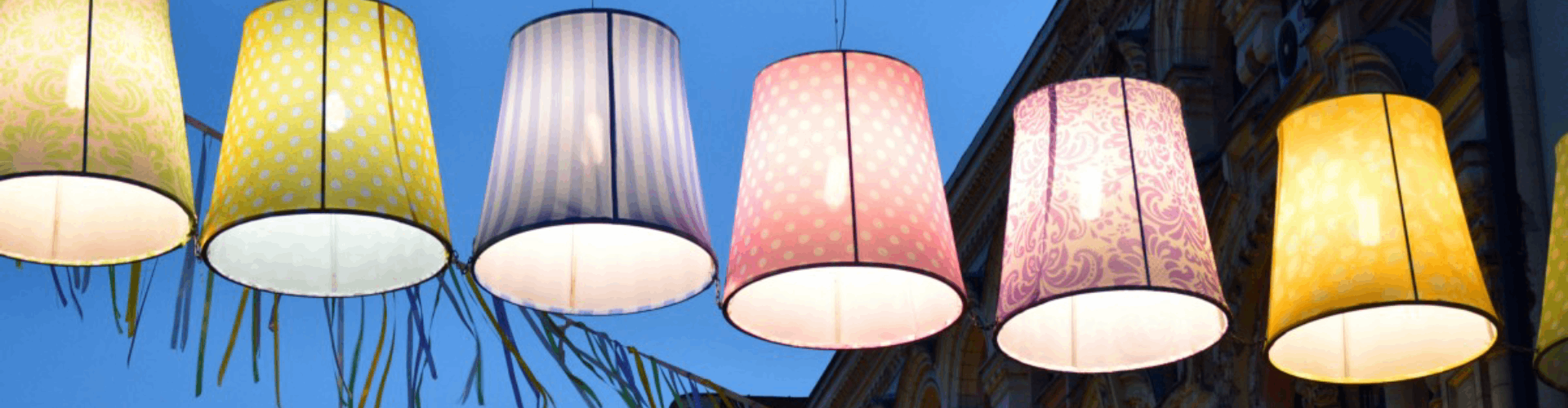
![This Softbox Grid Trick Fixes Light Spill in Dark Scenes [2026]](https://lights.creatorrigreviews.com/wp-content/uploads/2026/01/This-Softbox-Grid-Trick-Fixes-Light-Spill-in-Dark-Scenes-2026.jpeg)
Have you ever spent hours setting up the perfect shot, only to be frustrated by pesky light spill ruining your dark scene? I vividly remember a shoot where I was thrilled with my lighting setup—until I reviewed the footage and saw that unwanted glow creeping into the shadows, stealing the mood I was aiming for. It was a classic case of softbox light bleed, and it instantly made me realize just how much control matters when crafting cinematic lighting.
Why Light Spill Can Kill Your Scene’s Atmosphere
Light spill isn’t just a minor inconvenience; it can completely undermine the narrative tone you’re trying to establish. In dark scenes, especially when working with softboxes and fill lights, those stray beams can soften or wash out shadows that are crucial to the mood. The good news? With a simple trick I discovered—you can significantly reduce or even eliminate this issue.
Have You Faced This Specific Problem?
If you’re nodding along, thinking, “Yes, that’s exactly what I struggle with,” then you’re in the right place. I want to share a technique that’s been a game-changer for me and might be just what you need to elevate your lighting game.
Is This Softbox Grid Fix Actually Worth the Hype?
Initially, I was skeptical. I’ve tried numerous tools and hacks, and not all live up to their promises. But early on, I made the mistake of thinking that an expensive, high-quality softbox alone would solve my spill problems. Spoiler alert: it wasn’t enough. The secret really lies in using a grid—a simple, affordable addition that focuses the light where you want it and blocks it where you don’t. Curious about how this tiny accessory can make such a difference? Keep reading, and I’ll walk you through the setup step by step. Meanwhile, for more in-depth tips on achieving perfect softbox lighting, check out this comprehensive guide to softbox lighting solutions.
By understanding and implementing this simple fix, you’ll protect your dark scenes from unwanted light leakage, maintaining the atmosphere that makes them compelling. Ready to see how it works? Let’s dive into the method that has transformed my filming sessions.
Set Up Your Lights with Precision
Begin by choosing the right lighting tools: a LED panel for your key light, RGB tube lights for ambient effects, and a softbox for softer fill. When positioning your key light, aim it at the subject’s face at an angle about 45 degrees, ensuring it creates dimension without excessive spill. Place your fill light opposite the key, softer and less intense, to balance shadows. Use a light stand and secure clamps to avoid accidental shifts during shoots.
Focus the Light Using a Grid
Attach the Grid Properly
Secure an egg crate grid onto your softbox or LED panel. Think of it as a funnel—channeling light directly onto your subject while blocking stray beams. During my last shoot, I accidentally left the grid slightly skewed, causing uneven spill. Once corrected, the light focused sharply on my subject’s face, dramatically improving the scene’s mood.
Fine-Tune Light Direction and Spotting
Adjust the angle of your softbox or LED panel so that the beam hits only the intended subject area. Use barn doors or flags if necessary, like shutters in a camera, to block any light from spilling into unintended zones. During a recent interview, I used black foam core as a flag to prevent light bouncing off the background, which kept the scene dark and intimate, emphasizing the subject’s expression.
Control Background Light Effectively
Incorporate RGB tube lights with diffusion sleeves to create subtle background effects. Position them behind or beside your subject, but always check their spill pattern. Maintaining a distance and angling the tubes away from the camera lens prevents unwanted glow. I once mixed RGB tubes with my softbox setup and discovered that slight tilts and diffusion reduced the spill further, creating a cinematic depth.
Use Practical Tips for Clean Light Boundaries
Always test your scene by reviewing footage after initial setup. Small adjustments—like shifting a light by a few inches or tightening the grid—can make a big difference. During my last shoot, I discovered that raising the softbox slightly prevented light from spilling onto the background, enhancing depth. Practice with different setups to find the perfect balance between illumination and shadow, ensuring your scene’s atmosphere remains intact.
Leverage Resources and Techniques
For more detailed insights, explore softbox lighting tips and RGB tube light strategies. These resources provide step-by-step guidance to refine your control over spill and focus, enabling you to craft truly cinematic scenes with precision.
When it comes to professional lighting, many creators operate under assumptions that might hinder their results. One common myth is that all LED panels, key lights, or RGB tube lights are interchangeable, but in reality, each tool has unique nuances that can drastically affect your scene’s mood and quality. For instance, many believe that increasing brightness alone improves footage quality, yet oversaturation can lead to unnatural skin tones or washed-out backgrounds. Understanding the subtle differences, such as the color rendering index (CRI) or TLCI ratings, can be the game-changer in achieving consistent and vibrant results. Moreover, novice users often overlook the importance of proper diffusion or the physical placement of lights, which impacts shadow softness and light spill.
An often-neglected detail is the advanced mistake of ignoring the spectral spectrum of LEDs. Certain cheap LED panels might boast high lumens but lack the full spectrum necessary for accurate color reproduction. This can lead to scenes where skin tones appear off or colors don’t match your environment, defeating the purpose of professional-grade lighting. Experts emphasize that investing in lights with a CRI of 95 or higher ensures color fidelity, particularly in cinematography. According to lighting expert Mitch Gross, “Fidelity in light sources is paramount for storytelling, especially when matching multiple fixtures.” This aspect is frequently underestimated by newcomers eager to save costs, but it impacts the overall realism and aesthetic of your footage.
Why do some LED lights cause color shifts over time, and how can you prevent that from ruining your shoot?
This phenomenon occurs because many low-quality LEDs have poor phosphor coatings or inferior diodes that degrade with use, leading to color shift or flickering. To avoid this, consistent brand reputation and reviews matter; always opt for reputable manufacturers, and test your lights thoroughly before critical shoots. Additionally, familiarize yourself with the flicker-free specifications—many modern LED fixtures support high-frequency operation that prevents flickering under camera frame rates. Being aware of these nuances allows creators to plan better, allocate budgets wisely, and avoid last-minute surprises on set.
Another advanced consideration involves the spectral consistency across different fixtures. For example, a softbox equipped with an LED panel with a high CRI paired with RGB tubes that have narrow spectral outputs might not blend seamlessly, causing your scene to “look off.” Achieving harmony requires matching spectral profiles or balancing different lights with gels and filters—details often missed by beginners, but crucial for a cohesive look. For comprehensive insights into optimizing softbox and RGB tube lighting, check out resources like this detailed guide.
In essence, mastering lighting isn’t just about choosing the brightest or cheapest options but understanding these nuanced technical parameters. By delving into specs like spectral output, CRI ratings, flicker-free operation, and physical placement, creators can elevate their visual storytelling to new heights. Remember, the devil is in the details—embrace these subtleties to avoid common pitfalls. Have you ever fallen into this trap? Let me know in the comments.
Tools and Techniques for Long-Term Lighting Success
Investing in quality lighting equipment is only half the battle; maintaining it properly ensures consistent performance and longevity. Regular cleaning with microfiber cloths and compressed air removes dust buildup, which can reduce the efficiency of LED panels and RGB tubes. Applying manufacturer-recommended lubricants to moving parts of adjustable stands and mounts prevents rust and ensures smooth adjustments during critical shoots. Additionally, inspecting power cables and connectors regularly helps avoid unexpected failures—sometimes a simple replacement can prevent a shoot from being derailed.
For softboxes and modifiers, gentle cleaning with a damp cloth and avoiding abrasive cleaners preserves their reflective interior surfaces. When it comes to softboxes, replacing worn diffusion panels or grids prolongs their effectiveness in controlling light spill. For LED-based fixtures, using software tools like LED panel light management software can help calibrate color temperatures and ensure color fidelity over time, preventing color shifts that may compromise your footage.
What Tools I Recommend for Consistent Results
I personally swear by high-quality lens brushes and air blowers for cleaning sensitive components without scratching surfaces. For software, tools like calibration applications help maintain white balance accuracy across all your fixtures. When dealing with RGB tube lights, I recommend investing in diffusion sleeves and color gels to fine-tune lighting effects and reduce color inconsistencies caused by spectral differences among fixtures.
Looking ahead, the trend points toward smarter, IoT-enabled lighting systems that can self-monitor and adjust parameters automatically, reducing manual maintenance. Manufacturers are integrating sensors that detect aging LEDs and notify users when components need replacing, which is a game-changer for professional studios aiming for reliability. Keeping your gear updated with firmware and utilizing remote diagnostic tools can save time and ensure your setups are always ready for prime time.
How do I maintain my lighting gear over time?
Establishing a routine inspection schedule—checking connections, cleaning surfaces, and testing color output—keeps your equipment performing at its best. Incorporate preventive measures like using surge protectors to avoid power surges and storing gear in temperature-controlled environments to prevent thermal damage. Manufacturers recommend consulting their specific maintenance guides, such as the privacy policy page, for tailored advice. Additionally, always test fixtures with a spectrometer or color meter periodically to catch subtle shifts in spectral output early, preventing compromised footage.
For example, replacing aging diffusion filters before they become hazy ensures your softboxes maintain their light-softening qualities. Using calibration tools like the X-Rite i1Display Pro enables precise verification of color temperature and luminosity, safeguarding the visual consistency across multiple shoots. As tech evolves, I predict we’ll see more integrated maintenance alerts built into fixtures, simplifying upkeep and maximizing durability.
Ready to take your gear maintenance a step further? Try setting up a monthly inspection routine that includes cleaning, testing, and calibration. It might sound simple, but consistent attention to your tools guarantees professional results time after time, preventing small issues from becoming costly repairs or project delays. Keep your lights bright and your scenes flawless!
Over the years, I’ve realized that achieving professional-quality lighting in my studio isn’t just about buying the most expensive gear or following popular tutorials. Sometimes, the real breakthrough comes from those messy, overlooked details that many overlook. For instance, I once spent hours fine-tuning my led panel and softbox setup only to find that small, subtle light spill ruined the scene’s mood. That experience taught me an invaluable lesson: no matter how advanced your equipment, control and precision are everything in cinematic lighting.
The Hardest Lesson I Learned About Softbox and RGB Tube Lighting
Initially, I believed that higher lumen output and vibrant colors would automatically elevate my scenes. But I discovered the hard way that without proper focus and spill control, all that brightness could work against me, washing out shadows or flattening depth. The breakthrough was understanding how crucial tools like grids and flags are—simple yet powerful additions that can focus light precisely and prevent unwanted spill, maintaining the scene’s atmosphere and mood.
3 Myths About LED Panel Lights That Held Me Back
One common misconception I had was that any LED panel with high lumens would suffice for cinematic quality. I soon learned that spectral quality, CRI ratings, and flicker-free operation matter far more. Cheap LEDs might seem bright but often lack accurate color reproduction and can introduce flickering issues during recording. Investing in quality fixtures with high CRI and proper spectral output transformed my footage from flat to vibrant and consistent. For creators aiming for professional results, understanding these nuances is essential and can save a lot of frustration.
What Experts Won’t Tell You About Light Placement and Lens Quality
High-quality gear alone isn’t enough. The way you position your softbox, RGB tubes, or fill lights can make or break the shot. Small adjustments—like raising a softbox slightly to prevent background spill or angling RGB tubes for subtle background depth—can add cinematic richness. Pairing this with quality lenses that enhance light focus and reduce glare amplifies these effects. Combining strategic light placement with the right lens choice has consistently elevated my work, pushing scenes from good to truly professional.
Keep Pushing Your Creative Limits
Mastering studio lighting is a journey of continuous learning. Each shoot teaches me something new, whether it’s about refining light focus or understanding spectral nuances. Embracing these lessons, staying curious, and investing in the right tools—like softbox grids, quality RGB tubes, and proper lens filters—are the keys to consistent, stunning results. Remember, it’s the fine details, the control over your light, that will set your work apart. Do you have a lighting tip that changed your workflow? Share below, I’d love to hear your insights!
![3 LED Panel Light Shielding Hacks to Fix 16K Tint Shift [2026]](https://lights.creatorrigreviews.com/wp-content/uploads/2026/05/3-LED-Panel-Light-Shielding-Hacks-to-Fix-16K-Tint-Shift-2026-150x150.jpeg)

One response to “This Softbox Grid Trick Fixes Light Spill in Dark Scenes [2026]”