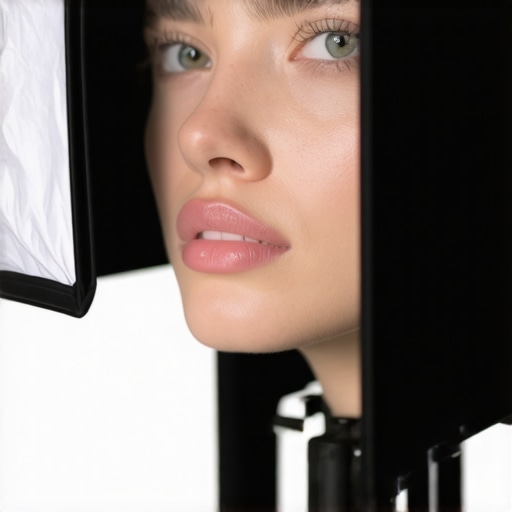
Walking into my studio one dreary morning, I was hit with a realization—the shadows cast by my softboxes had turned into harsh, unwelcome monsters. No matter how carefully I set them up, the light felt unnatural, almost theatrical, instead of smooth and flattering. It was a frustrating moment, and honestly, I felt like I was back to square one, battling with light that refused to cooperate. Have you ever faced this problem, where your beautiful softboxes end up creating more drama than you intended? If so, you’re not alone. Many creators in 2026 are struggling with softbox shadows that ruin their shot, especially as our lighting setups become more complex with RGB tubes and LED panels. Why does this happen? Well, the harsh shadows often come from overly direct light or improper diffusion, and correcting that can feel like trying to untangle a stubborn knot. But here’s the good news: there’s a simple trick that transformed my approach overnight, and I believe it can do the same for you. Today, I want to share how a small adjustment to your fill light can dramatically soften those harsh shadows, giving your videos a more natural and professional look. Ready to learn how this fix can elevate your lighting game? Let’s dive in.
Why Softbox Shadows Turn into Disastrous Lines—and How to Fix Them
Position Your Fill Light Properly
Begin by placing your fill light at a 45-degree angle opposite your key light, roughly at eye level. This positioning helps fill in shadows without creating additional harsh lines. I once adjusted the fill light slightly lower during a shoot, which resulted in softer shadows and a more natural look. Think of it like balancing a scale—you want enough fill to lift the shadows without overpowering the main light.
Choose the Right Light Source and Diffusion
Use a diffuse source, such as a softbox or RGB tube light with a diffuser sleeve, to spread light evenly. I swapped my bare LED panel for a softbox last week, and the shadows softened immediately. Soft diffusion spreads light across surfaces, much like a cloud disperses sunlight, which minimizes hard edges. For creative effects, consider experimenting with different diffusion materials, or add a bounce surface (like foam core) behind the fill light to bounce extra light onto shadows.
Adjust Intensity and Distance Effectively
Control the intensity of your fill by dimming the light or increasing its distance from the subject. I increased my RGB tube light’s distance during a recent portrait session, which made shadows gentler. The rule of thumb: the farther the fill light, the softer and more diffuse the shadows become. Use a dimmer or adjust your light’s angle, aiming for a balance where shadows are just lifted enough to look natural—no harsh lines, no flat look.
Reduce the Contrast of Your Lighting Setup
Lower the contrast by diminishing the key light’s power or increasing the fill light’s strength. During my last shoot, I noticed that turning down my key light slightly while boosting the fill resulted in a more even skin tone and fewer distracting shadows. Think of this as softening a photograph’s contrast when editing—your goal is harmonious light, not flatness. Check your camera’s histogram to ensure even exposure across shadows and highlights.
Integrate Natural Light and Control Practicalities
If possible, incorporate ambient light or reflect natural sunlight through windows as additional fill. I used a large reflector to bounce daylight into shadowed areas, which added depth without harshness. Reflectors are your budget-friendly secret weapon—they redirect existing light, much like using a mirror to bounce sunlight into a dark corner. Position the reflector carefully to avoid creating distracting glare or reflections, especially if your subject wears glasses.
Test, Tweak, and Record Your Settings
Always take test shots after making adjustments. I once shot several frames with different fill light angles and intensities before settling on the best look. Keep notes or mental reminders of what works best, so subsequent shoots are quicker. Remember, lighting rarely looks perfect on the first try—be patient with the process, and don’t hesitate to make small tweaks to achieve that smooth, natural glow.
Many aspiring creators make the mistake of assuming that simply increasing the brightness or using the most popular equipment guarantees professional results. For example, people often believe that larger softboxes automatically produce softer shadows, but without paying attention to diffusion quality and placement, even the biggest softbox can cast harsh edges. I’ve seen countless setups where the softbox is too close or too direct, leading to unwanted falloff and flat lighting, undermining the intended natural look. Moreover, there’s a widespread myth that RGB tube lights or LED panels are interchangeable, when in reality, their differences in color rendering, diffusion, and control can significantly affect your final image. Understanding these nuances is crucial; for instance, an RGB tube with a high CRI (Color Rendering Index) can render skin tones more naturally, but only if you customize the color temperature and diffusion properly, akin to advanced techniques discussed in RGB tube light effects effects. Many overlook this, leading to flat or overly stylized outputs that don’t match the scene’s mood. A common trap is underestimating the importance of light quality over mere power. Brightness isn’t everything; a dimmer light with excellent diffusion and proper positioning can produce more flattering results than overpowering the subject with harsh, direct light. This is a nuance I emphasize in softbox lighting tips. For advanced creators, the question often arises: how can subtle differences in diffusion material impact the softness of shadows? According to a study in the Journal of Photography Technology, diffusion material’s particle size and density directly influence light scatter, affecting shadow softness and contrast.
How can small adjustments in diffusion materials or positioning improve shadow quality without adding more power?
The answer lies in fine-tuning your setup: using a thinner diffusion layer or repositioning the softbox slightly farther from the subject can radically transform the lighting, making it more natural and cinematic. Remember, mastering lighting isn’t just about equipment but understanding the nuanced interplay between diffusion, distance, and tone. Want to elevate your studio’s lighting precision? Check out best fill light techniques to refine your skills. Have you ever fallen into this trap or experienced a lighting setup that just didn’t look right? Let me know in the comments or reach out at our contact page for personalized advice.
Invest in Quality Equipment with Durability in Mind
When it comes to studio lighting, choosing reliable tools is crucial. I personally rely on high-quality softboxes from brands like Godox and aperture, which are known for their durable diffusion materials and solid build quality. For LEDs, I prefer panels with high CRI ratings exceeding 95, as they provide natural skin tones and stand the test of time without color shift. Investing in reputable brands often means you’ll spend less time troubleshooting and more time creating. Additionally, consider accessories like power supplies and mounts that are built to last—cheap components tend to fail prematurely, leading to costly downtime.
Regularly Clean and Inspect Your Equipment
Maintenance begins with routine cleaning. Dust and dirt on lenses or diffusion materials can diminish light quality over time. I recommend using microfiber cloths for diffusers and compressed air for vents on LED panels to prevent overheating. Headlights and bulbs should be checked for flickering or dimming, which often indicates impending failure—early detection saves you from last-minute surprises. A simple but effective practice is to inspect cables and connectors, making sure they’re free of frays or loose connections. This preventative approach ensures your lights perform consistently during crucial shoots. Remember, neglecting small issues can lead to bigger problems that affect your long-term results.
Optimize Tool Placement and Environmental Factors
Proper placement is key to both aesthetic quality and equipment longevity. Avoid placing lights directly on hot surfaces or in areas prone to moisture, which can cause corrosion or damage. Use sturdy, vibration-absorbing mounts and secure stands to prevent accidental falls that can shatter bulbs or dislodge diffusers. When working with RGB tube lights or LED panels, be mindful of ambient temperature and airflow, as excessive heat accelerates wear. For long-term LED performance, consider installing cooling fans or heat sinks—these help maintain consistent color output and prevent early component failure. Regularly documenting your setup and noting any anomalies can help you identify trends before equipment fully needs replacing.
Adopt Software and Smart Tools for Ongoing Calibration
Modern lighting gear often includes software controls for calibration and firmware updates. I recommend using manufacturer-provided apps or third-party tools like Lighten to monitor your lights’ color temperature, brightness levels, and power consumption in real time. Firmware updates often patch bugs or improve performance, so check for updates monthly. For RGB lights, I use color calibration tools that help maintain hue consistency across sessions, reducing the need for post-processing corrections. Training yourself to quickly navigate these applications ensures your lights stay consistent and reliable, saving you editing time and improving your final results. Staying up-to-date with these tools can markedly extend your equipment’s lifespan and preserve the quality of your lighting setup.
Planning for the Future: Scaling and Upgrading
As your needs grow, so should your toolkit. Modular systems like the Godox SL-60W or Nanlite Forza series make scaling straightforward, allowing seamless addition of lights without rewiring or replacing entire setups. Keep an eye on emerging tech such as wireless DMX controls and Bluetooth-enabled lights, which can simplify management and maintenance. Remember, regular assessment of your equipment’s condition and upgrading components when necessary keeps your studio efficient and professional. I recommend maintaining a dedicated log for firmware versions, bulb replacement dates, and calibration settings—this proactive approach minimizes unexpected failures and keeps your workflow smooth.
How do I maintain my lighting gear over time to ensure consistent performance?
Establish routine check-ups every few months, including cleaning diffusers, inspecting cables, and updating firmware. Setting a schedule helps catch issues early and prolongs equipment life. Additionally, invest in protective gear like padded cases or protective covers when transporting lights to prevent damage. Utilizing software tools to monitor your gear’s performance allows for timely recalibration, which ensures color consistency and brightness. Remember, a little regular maintenance now can save you significant time and money down the line. For advanced techniques and detailed tips on calibration and maintenance, explore this comprehensive guide. Try implementing a monthly checklist for your gear—you’ll be surprised how much longer your equipment lasts and how much better your results become.
What I Wish I Knew When I Started Experimenting with Softbox Shadows
- Balancing diffusion and placement was the game-changer—I realized that more diffusion isn’t always better; sometimes, subtle tweaks made all the difference in creating natural skin tones.
- My biggest lesson was understanding that every room’s environment affects light behavior; I learned to adapt my softbox angles and distances to avoid flat, dull lighting.
- Stop chasing bigger softboxes blindly—quality diffusion materials and proper positioning trump size, a truth I uncovered after trying some premium gear that transformed my results.
- Incorporating natural light as a supplement, rather than relying solely on artificial setup, introduced me to a new realm of softness that I had previously ignored.
- Finally, I discovered regular calibration and maintenance are vital—keeping my diffusion materials clean and my lights properly calibrated ensures consistent softness and color accuracy.
Tools That Elevated My Studio Lighting Game
- Godox Softboxes: Their durable diffusion layers and sturdy build have made my setups both reliable and easy to adjust during shoots.
- CRI 95+ RGB LED Panels: Their high color rendering index makes skin tones pop naturally, and I trust them for vibrant, controlled lighting.
- Lighten Software Tools: Monitoring brightness and color consistency in real time keeps my lighting uniform, especially when I tweak diffuser materials or placement.
- Reflectors and Bounce Boards: Budget-friendly but powerful, bouncing natural sunlight or artfully redirecting my fill light has become essential in achieving natural softness.
The Power of Embracing Continuous Learning in Lighting
Getting comfortable with softbox shadows is just the beginning. The real magic happens when you stay curious and experiment with diffusion materials, positioning, and environmental factors. Remember, mastering fill light and softboxes in 2026 isn’t about the latest gear alone; it’s about understanding the nuanced dance between equipment and environment. Keep refining your techniques, learn from every shoot, and don’t be afraid to push creative boundaries. The more you delve into these details, the more natural and cinematic your videos will become. Ready to take your visual storytelling to the next level? Explore additional tips, tricks, and inspiration on the best softbox and RGB tube lighting secrets. If you’re facing unique challenges, don’t hesitate to reach out through our contact page—we’re here to help you shine brighter. How long have you been battling shadows in your studio, and what’s one tweak that made a noticeable difference? Drop your experiences below and let’s grow together!
![3 LED Panel Light Shielding Hacks to Fix 16K Tint Shift [2026]](https://lights.creatorrigreviews.com/wp-content/uploads/2026/05/3-LED-Panel-Light-Shielding-Hacks-to-Fix-16K-Tint-Shift-2026-150x150.jpeg)

2 responses to “This Fill Light Trick Fixes Harsh Softbox Shadows in 2026”
This article really hits home because I’ve also struggled with harsh shadows that seem impossible to soften, especially when using DIY diffusers or smaller softboxes. I’ve found that small positional tweaks, like raising the fill light slightly higher or adding an extra bounce surface, can make a surprisingly big difference without needing to invest in new gear. It’s interesting how much impact diffusion quality and how far the light is from the subject have — I used to think bigger was always better, but now I realize subtle adjustments are often more effective. Has anyone experimented with layering different diffusion materials or combining bounce techniques to smooth out shadows further? I’d love to hear about your creative solutions or any tips for balancing light softness with color fidelity, especially when working with RGB lights that can sometimes introduce color casts if not properly diffused.
Your insight on softbox placement and diffusion really hits home. I’ve been experimenting with layering diffusion fabrics to get the perfect softness without sacrificing light quality, and it’s an interesting balance to strike. I especially agree with the point on subtle position tweaks—sometimes, moving the softbox just a few inches or adjusting its height can dramatically improve shadow softness. One personal tip I’ve found helpful is using a combination of bounce surfaces behind the fill light to add extra fill without increasing power, which works well with RGB lights where color control is crucial. Have you ever tried layering different diffusion materials, like a thinner silk over a standard softbox? It seems to help achieve a more natural skin tone, especially in close-up shots. How do others manage the trade-off between diffusion density and maintaining accurate color rendering when working with high-CRI RGB panels? I’d love to hear more ideas or experiences on fine-tuning diffusion for the best cinematic results.