Ever spent hours fiddling with your softbox or key light, only to end up with flat, unflattering footage that makes you want to toss your gear out the window? I’ve been there. That frustrating moment when you think, “Why does my lighting look so bad even after following all the advice?” It’s a common struggle among creators trying to get that perfect shot without breaking the bank or losing their mind.
The Real Challenge Behind Good Lighting
Lighting isn’t just about shining a bulb; it’s an art form. The right setup can elevate your videos from amateurish to professional-looking. But with so many options—softboxes, RGB tube lights, LED panels—how do you know what works for you? Early on, I made the mistake of buying a fancy softbox without understanding how to position it or use it effectively. The result? Overexposed faces, harsh shadows, or flat images that lack depth. Trust me, I learned the hard way that setup is everything. The good news? With a few simple principles, you can avoid my mistakes and create a lighting setup that enhances your style and keeps viewers engaged.
Is Overpaying for Fancy Gear Actually Worth It?
Before diving into the latest gear, I used to think bigger, brighter, more expensive meant better. Turns out, not necessarily. Sometimes, a well-placed RGB tube light or a softbox in the right position can do more than a costly setup. For example, mastering softbox lighting for portraits at dawn can make all the difference in achieving a natural, flattering look. You can check out some expert tips on softbox lighting for portraits to see what I mean. The key is understanding your environment and how to manipulate light, not just throwing money at the problem.
So, if you’ve ever faced the dilemma of uneven lighting, harsh shadows, or just feeling overwhelmed in your setup process, you’re not alone. Today, I’m going to walk you through practical, proven tips to transform your lighting game in 2024. No fluff, just actionable advice that I’ve tested and refined over years of creating content. Ready to shed some light on your creative process? Let’s get started!
Position Your Key Light Like a Pro
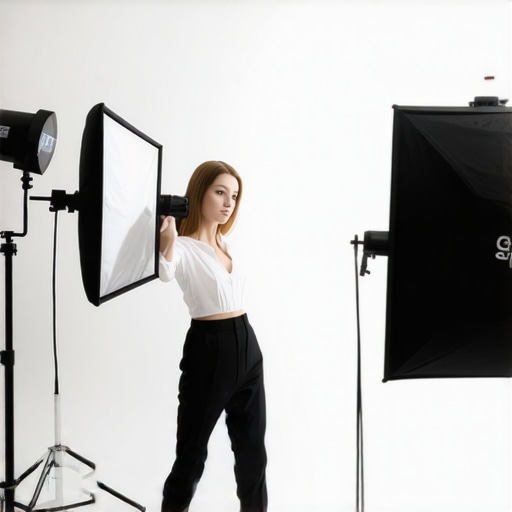
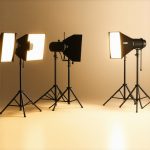
Start with your key light at about 45 degrees to your subject’s face, slightly above eye level. This angle creates natural-looking shadows that sculpt the face, avoiding flatness. I once placed my softbox directly in front of my subject during a test shoot, resulting in dull, unflattering light. When I moved it to the side, the face gained depth and dimension. Think of your key light as the main sculptor—place it intentionally to highlight features.
Use the 45-Degree Rule
Imagine a clock face; position your light at roughly 2 or 10 o’clock relative to your subject. This setup produces a flattering, natural glow while maintaining shadows that add interest. During my last shoot, I experimented with moving the softbox from 45° to 30°, which softened shadows and made my subject’s skin look more even. Small adjustments here can significantly improve your look.
Adjust Your Softbox for a Soft, Flattering Effect
Softboxes are excellent for creating smooth, even light, but their effectiveness depends on distance and size. Place your softbox close enough to your subject—about 2 to 3 feet—to maximize softness. I once had a small softbox far away, which caused harsh edges; moving it closer transformed the light into a gentle, wrapping glow. Think of your softbox as a big, cozy blanket—closer is softer.
Control the Spread with Modifiers
Use grids or barn doors to restrict light spread and prevent spill onto unwanted areas. During a recent indoor shoot, I added a grid to keep light focused on my subject’s face, preventing background distractions. This focus created a professional separation—like a spotlight—making your subject pop.
Balance with Fill Light for Depth
Without proper fill, your scene can look overly dramatic or flat. Use a secondary light, like a smaller softbox or an RGB tube light, on the opposite side of your key to fill shadows softly. I learned this lesson when my shadows turned into black holes; adding a fill light at a lower intensity balanced the scene. Think of fill light as a gentle breeze softening harsh shadows, revealing details.
Set the Right Intensity
Adjust your fill to be about 1-2 stops lower than your key. This subtle difference maintains contrast but softens shadows. During my last setup, I used a dimmer on my fill light to prevent washing out my subject, resulting in a balanced, natural look. Use your camera’s histogram as a guide—avoid clipping highlights or crushing shadows.
Fine-Tune with Practical Tips
Always test your setup by recording short clips and reviewing on a larger screen. Slight tweaks—like raising the softbox or dimming your fill—can make a big difference. Remember, lighting is an art of trial and error, so don’t be afraid to experiment. For advanced nuances, explore key light techniques and softbox tips for even better results.
Many creators believe that investing in high-end lights or complex setups automatically guarantees professional results. However, what most people overlook are the nuanced mistakes that can severely undermine even the best gear. Let’s dig deeper into these hidden pitfalls and how to sidestep them to elevate your lighting game.
Why Bigger Isn’t Always Better
It’s a common myth that larger or more expensive lights will produce superior results. In reality, the key lies in understanding the quality and direction of light, not just size or price. For example, some creators assume that a massive softbox will instantly give a soft, flattering look. But if you don’t position it correctly, it can cause unwanted spill or harsh shadows. Remember, a well-placed smaller light with proper modifiers often beats a giant softbox used incorrectly. Mastering light placement and modifiers like grids or barn doors is where the real magic begins. You can learn more about effective softbox techniques in this guide.
Common Misconception About Color Temperature
Many forget that matching your lights’ color temperature is crucial for a cohesive look. Using mismatched lights—say, a daylight-balanced softbox with an RGB tube light set to warm—can result in jarring color shifts. Advanced creators often use gels or adjustable RGB lights to fine-tune color for consistency. A little attention here can make your footage look more professional and polished, especially when combined with proper white balance settings. If you want to get this right, check out this article on color matching techniques.
Overlooking the Power of Shadows
Shadows aren’t your enemies—they’re your allies. Many creators aim for evenly lit scenes, but in doing so, they flatten the image and lose depth. The secret lies in controlling shadow intensity and placement. For instance, a slight underexposure of your fill light or moving your key light to a different angle can create natural shadows that add dimension. Think of shadows as sculpting tools—used correctly, they reveal facets of your subject that flat lighting hides. To see how advanced lighting setups leverage shadows, explore this resource.
How Do You Achieve Natural-Looking Fill Light?
A common mistake is setting the fill light too high, washing out the subject or creating an unnatural look. The goal is to achieve a subtle fill that enhances detail without overpowering the key light. Typically, setting your fill at about 1-2 stops lower than your key light yields the best results. Using tools like a histogram can help you monitor exposure levels precisely. For more insights, check out this guide.
Have you ever fallen into this trap? Let me know in the comments. Remember, mastering lighting means understanding these nuances—small adjustments can make a massive difference in your results. Keep experimenting, stay curious, and your videos will shine brighter than ever!
Keeping your lighting setup reliable over time is crucial for consistent, professional results. The right tools and routine maintenance ensure your lights perform optimally, saving you money and headaches down the line. I rely heavily on certain gear and practices that have proven their worth in my workflow, and I recommend them to anyone serious about long-term success.
Investing in Quality Cables and Connectors
First, never underestimate the importance of high-quality power cables and connectors. Cheap cables tend to degrade faster, causing flickering or loss of power, which can ruin a shoot. I personally use heavy-duty, shielded cables from reputable brands like Neutrik or Mogami. These withstand wear and tear, maintain a stable connection, and prevent unexpected failures. Regularly inspecting and replacing worn cables is a simple yet effective way to keep your lights working seamlessly.
Routine Checks and Cleaning
Dust and dirt are silent killers of lighting equipment. Dust buildup on LED panels or softboxes can reduce light output and affect color accuracy. I schedule monthly cleaning sessions using compressed air and soft, lint-free cloths. For more delicate parts, like lenses or diffusers, I use lens cleaning solutions. Additionally, checking for loose screws or damaged parts prevents small issues from turning into major failures. Developing a habit of quick inspections after each shoot keeps your gear in top shape.
Using Proper Storage Solutions
Proper storage extends the lifespan of your lights and accessories. I store my softboxes and RGB tube lights in dedicated cases with foam inserts, preventing accidental damage. For cables, I use Velcro straps to keep them organized and avoid tangling. Keeping your equipment protected from extreme temperatures, humidity, and direct sunlight also preserves their integrity. Investing in quality racks or shelving makes it easier to organize and access your gear, reducing setup time and potential mishaps.
Leveraging Software and Firmware Updates
Modern lights often come with firmware that improves performance and adds features. I regularly check manufacturer websites or contact support to stay updated. Firmware updates can fix bugs, improve color rendering, or enhance compatibility with control systems. For software, I use dedicated control apps that allow precise adjustments and presets, saving time during shoots. Staying current with updates ensures your tech remains reliable and takes advantage of the latest improvements. For instance, the latest LED panel innovations often include software enhancements that streamline workflows.
How do I maintain my lighting gear over time?
The key is consistency. Schedule regular inspections, clean your equipment, and store everything properly. Keeping firmware and software updated is also essential. By doing so, you ensure your setup remains dependable and ready to deliver stunning results whenever you need them. Remember, a little effort today saves big headaches tomorrow. Try incorporating a routine check and cleaning schedule into your workflow—your future self will thank you!
Ever wondered what separates amateur videos from professional productions? The answer often lies in the mastery of lighting. But here’s the insider scoop: it’s not just about having the latest gear; it’s about understanding how to use what you have to its fullest potential. Over the years, I’ve discovered that a few subtle adjustments and strategic choices can dramatically transform your footage, making it look polished and engaging. Whether you’re shooting in a small room or a sprawling studio, these lighting secrets will help you craft visuals that captivate your audience and elevate your brand.
The Hardest Lesson I Learned About Lighting in 2024
One of my biggest lightbulb moments was realizing that placement beats equipment every time. I used to think investing in expensive lights would automatically improve my videos. But I learned that even a modest softbox, placed correctly at 45 degrees and slightly above eye level, creates natural shadows and depth. This simple shift made my subjects look more three-dimensional and lifelike. The lesson? Master the fundamentals of positioning and moderation before chasing the latest gear. It’s the secret behind consistent, professional-looking lighting.
3 Myths About Lighting That Held Me Back
- More light is better: Not necessarily. Overlighting can flatten your scene and wash out details. Sometimes, less is more—especially when you control shadows and contrast effectively.
- Size equals softness: A giant softbox isn’t magic if it’s far away. The closer your softbox, the softer and more flattering the light becomes. Distance is key.
- Color temperature doesn’t matter: Mismatched lights create jarring color shifts. Matching your lights’ temperature and white balance is essential for a cohesive look.
What Experts Won’t Tell You About Creating Perfect Lighting
Many seasoned creators keep a few tricks up their sleeves. For instance, controlling shadows with subtle fill lights can add depth without flattening your scene. Using grids or barn doors to restrict spill helps focus your light precisely where it’s needed. And don’t underestimate the power of even, soft light—especially during golden hour or in a controlled environment. These nuances can make your content stand out in a crowded feed, turning simple setups into visually compelling stories. For detailed techniques, check out this resource.
Where to Go from Here
If you’re ready to take your lighting to the next level, invest in quality control tools like reliable cables and regular maintenance routines. Use software updates to keep your gear performing optimally. Remember, lighting isn’t static—continually experiment with angles, modifiers, and balance to discover what works best for your style. With patience and practice, your videos will not only look better—they’ll tell more compelling stories. Want to see more tips? Dive into this comprehensive guide for advanced lighting techniques that can elevate your production quality even further.
Make Your Shots Shine in 2024
Lighting mastery is an ongoing journey, and every small adjustment can lead to big results. Embrace experimentation, stay curious, and don’t be afraid to try unconventional angles or modifiers. Your audience will notice the difference in how your videos look and feel. The future of lighting is bright—literally—and with these insider secrets, you’re well on your way to creating stunning visuals that leave a lasting impression.
What’s the biggest lighting challenge you’re facing right now? Share your experience below, and let’s grow together!
![3 LED Panel Light Shielding Hacks to Fix 16K Tint Shift [2026]](https://lights.creatorrigreviews.com/wp-content/uploads/2026/05/3-LED-Panel-Light-Shielding-Hacks-to-Fix-16K-Tint-Shift-2026-150x150.jpeg)
5 responses to “Key Light & Softbox Setup Tips for Creators in 2024”
This post really hit home for me, especially the part about placement sometimes being more important than expensive gear. I used to believe I needed the biggest softbox or the most high-end LEDs to get professional-quality lighting, but I was often disappointed with the results. Once I started focusing on positioning — like setting my softbox at about 45 degrees and slightly above eye level — everything changed. Shadows became more natural, and my shots instantly looked more three-dimensional. I also found that experimenting with modifiers like grids really helped concentrate the light and reduce spill, making my subjects stand out more. Has anyone else found that paying close attention to placement and modifiers, rather than just gear size or price, has improved their lighting dramatically? I’d love to hear what setups or tips others have found especially effective!
Reading through this post really resonated with me. I’ve spent quite a bit of money on fancy lighting gear in the past, but the real game changer was understanding proper placement and how to shape the light with modifiers. I remember a shoot where I used a large softbox, but it was too far away, causing harsh shadows and a flat look. Moving it closer, along with adding a grid, really transformed the scene. It made me realize that good lighting isn’t just about the equipment—it’s about technique and understanding light behavior.
I’m curious, have others found that small, strategic adjustments to light positioning or using simple modifiers like barn doors can have a bigger impact than upgrading gear? For me, these tweaks often produce more natural and appealing results. Also, balancing fill and key lights properly has been a revelation—sometimes turning down the fill can add a pleasing contrast that makes the subject pop without looking overdone.
Would love to hear some of your favorite setup tips or any common mistakes you’ve learned to avoid in this process!
I completely agree with the importance of placement and understanding light behavior over just investing in expensive gear. Early in my setup journey, I wasted a lot of money on fancy equipment, only to realize that small tweaks in position and modifiers made a huge difference. For instance, I found that adding a simple reflector opposite my key light can help fill shadows subtly without overdoing it, creating more depth and dimension. It’s also interesting how even slight adjustments in the angle of the softbox or moving it closer can soften shadows significantly.
Has anyone experimented with different angles for the softbox or even tried using DIY solutions like foam boards or household items to bounce or block light? I’d love to hear some creative techniques that others have found useful without breaking the bank. Sometimes, the simplest tools and ideas can produce professional results if used thoughtfully.
This post really underscores something I’ve learned the hard way—positioning is everything. I used to think I needed the most expensive gear to get good lighting, but after spending time experimenting, I found that small adjustments in where I place my softbox or key light can make all the difference. For example, I used to keep my softbox far away, which led to harsh shadows, but moving it closer resulted in softer, more flattering light.
I’m curious, do others use different modifiers or household items like foam boards to bounce or block light? I’ve found DIY solutions can be surprisingly effective without breaking the bank. Also, what’s your experience with balancing fill and key lights? I’ve noticed that turning down the fill just a bit can really add depth to the shot. Sharing techniques or mistakes you’ve learned along the way could really help fellow creators refine their setups!
Thanks for such detailed tips—lighting truly is an art of small, strategic adjustments.
I really appreciate this detailed breakdown on lighting, especially the emphasis on positioning rather than just gear! I started focusing on the placement of my softbox at about 45 degrees and slightly above eye level, just like you suggested, and it made a noticeable difference in the quality of my shots. I also found that using DIY modifiers, like holding a foam board as a bounce or using household items to block stray light, has been surprisingly effective without needing expensive accessories. It’s empowering to see how small adjustments can elevate the look of your footage so much.
Has anyone tried combining practical lighting with natural light at different times of day? I’ve noticed that mixing the two can add a lot of depth and warmth to the scene. I’d love to hear about your experiences and any tricks for balancing artificial and natural lighting to keep everything cohesive. It seems like understanding these nuances really takes your videos to the next level and makes the production more flexible and creative.