Ever spent hours setting up your RGB tube lights or softboxes, only to realize that your footage looks flat and uninspiring? I remember the frustration vividly. After countless experiments and a few shaky tests, I had my lightbulb moment: where you place your fill light can make or break the cinematic atmosphere you’re after. It wasn’t until I started paying close attention to light placement in relation to my subject and background that I finally unlocked depth and richness in my shots. Today, I’m going to share with you the secrets I’ve learned about positioning your fill light for cinematic depth in 2026—so you can avoid the same pitfalls I stumbled through.
Why Fill Light Positioning Matters More Than You Think
Are you overthinking the setup or underestimating its impact?
When I began my journey in filmmaking, I thought the key was having the best RGB tube lights or the most diffuse softboxes. Turns out, the real magic is in the details—especially where I placed my fill light. Proper fill light placement can add depth, texture, and dimension, transforming a flat shot into something visually compelling. A study by filmmakers at the New York Film Academy emphasizes that lighting is responsible for over 80% of what the audience perceives on screen, making placement crucial. Yet, early on, I made a critical mistake: I positioned my fill light directly in front of the subject, aiming for even illumination, but ending up with a sterile look that lacked depth. That static look was a wake-up call for me to rethink my approach. If you’ve ever wondered whether your fill lights are in the right spot or just used your RGB tube lights as a background highlight, know that there’s a lot to gain from strategic placement. We’ll explore exactly where to position your fill light for maximum cinematic effect and how to avoid common mistakes that flatten your visuals. Ready to bring depth back into your videos? Let’s dive into how to position your fill light so it complements your scene perfectly and elevates your storytelling.
Positioning Your Fill Light for Impact
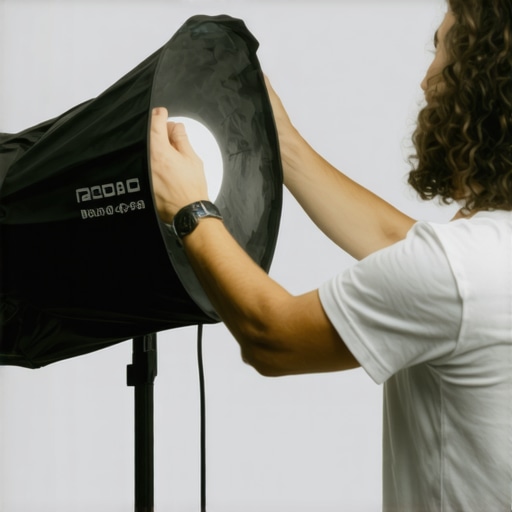
Start by placing your fill light at a 45-degree angle to your subject, slightly above eye level. This angle mimics natural light bounce and creates depth without flattening features. Use a softbox attached to your RGB tube light or LED panel to diffuse the light evenly. Think of this setup like bouncing sunlight off a reflector—soft, indirect, and flattering.
Set your fill light a bit lower than your key light to avoid overpowering it. This layering adds dimensionality—brightening shadows without eliminating them entirely. I once experimented with a softbox too close to the subject, which resulted in flat, washed-out footage. Moving it just a few inches back and angling it carefully changed everything, giving my shots a natural scene depth. For more softbox strategies, check out this guide.
Using Existing Environmental Light
Leverage ambient light like natural daylight or practical sources in your scene. Position your fill light so that it complements these sources rather than competes with them. This might mean bouncing an RGB tube light off a white wall or ceiling, acting as a natural fill that melds seamlessly into your scene. I once combined a RGB tube light with a nearby window’s light, creating a harmonious mix that looked incredibly natural, boosting the scene’s realism.
For creative effects, consider using colored gels or RGB effects within your tube lights to subtly enhance mood or match the scene’s color palette. Mixing gels or colors can make your fill light an artistic tool rather than just a corrective one. To learn more about mixing light effects, visit this article.
Balancing the Exposure in Your Scene
Adjust your fill light’s intensity so shadows are softened but not eliminated. Use a dimmer or softboxes with variable settings to fine-tune the brightness. Think of your fill light as seasoning—just enough to bring out flavors without overpowering. In my recent shoot, I started with my RGB tube light at full power, then gradually dimmed it until I noticed the shadows became gently lifted, adding dimension without losing contrast. For precision control, consider a dimmable LED panel or softbox system.
Always review your shot through the camera’s viewfinder or monitor when making adjustments. What looks good on the light meter might not translate to cinematic depth on film. Keep toggling between different angles and intensities until you find that perfect balance that enhances the scene’s depth and mood.
Many creators believe that simply purchasing high-end lights like RGB tubes or LED panels guarantees cinematic results, but in my experience, there’s a deeper nuance often overlooked. A prevalent myth is that more powerful or expensive lights inherently produce better footage. In reality, light quality, placement, and understanding the specific characteristics of each tool matter far more than raw wattage or brand prestige. For instance, novice filmmakers frequently think that using their softbox at maximum output will automatically give them a soft, flattering light. However, overexposure can lead to harsh shadows and a flat look, especially if not balanced correctly with incident light and reflectors. This trap is common among those who neglect to experiment with intensity ratios and color temperature adjustments. Also, many underestimate the impact of the physical design of their lights. An LED panel with a wide beam angle doesn’t always provide the soft, cinematic quality they aim for without proper diffusion or modifiers. Conversely, a focused RGB tube with an appropriate diffuser can produce beautifully controlled accents or fill effects. Advanced creators know that mastering light modifiers and understanding the spectral output are crucial for achieving natural-looking skin tones and mood consistency. A significant mistake I see is relying solely on the ‘set and forget’ mentality—placing your key light in one position and sticking to it, regardless of scene dynamics. Each shot demands a tailored approach, adjusting angles, diffusion, and power to complement scene context. To avoid this, always test various configurations and incorporate creative techniques such as shaping light with flags or grids. For those wanting to refine their understanding further, exploring topics like advanced key light positioning can be invaluable. Remember, effective lighting isn’t about drowning your scene in light but sculpting it to serve the story. Have you ever fallen into this trap? Let me know in the comments! Ensuring your lighting setup is deliberate and nuanced elevates your production quality dramatically, distinguishing amateurs from seasoned professionals.Achieving professional-looking videos isn’t just about setting up your lights; it’s equally about keeping your equipment in top condition. Regular maintenance of key lights, RGB tube lights, fill lights, LED panel lights, and softboxes ensures longevity, reliability, and consistent performance. Start by inspecting your lights for dust, dirt, or any physical damage—these can diminish light quality and cause uneven illumination. Use a soft, lint-free cloth to gently clean your LED panels and softbox fabrics; avoid harsh chemicals that could degrade diffuser materials. For more delicate components like the diffusion sleeves of RGB tube lights, consider replacing them every 6-12 months, or sooner if you notice yellowing or cracks, as recommended by lighting experts at this source. Regular calibration of your lights ensures color accuracy, especially crucial when matching multiple sources like softboxes and LED panels. Many professionals use color meters or spectrometers for precise adjustments, which can be a worthy investment for serious creators. Additionally, check power cables and connectors for fraying or corrosion to prevent failures during shoots. Implement a routine — weekly or monthly, depending on usage — to inspect and maintain your gear. Establishing this habit saves you downtime and costly repairs down the line. Looking ahead, advancements in smart lighting systems promise automated diagnostics and maintenance alerts, further simplifying gear upkeep. To keep your workspace efficient, organize your equipment with labeled storage bins and dedicated setups, making it easier to access and maintain your tools. Don’t forget, a well-maintained toolkit contributes significantly to consistent, cinematic visuals. I highly recommend adopting a structured maintenance schedule that includes cleaning, calibration, and inspection, particularly for essential items like your key light and fill lights. This proactive approach not only extends the lifespan of your lighting array but also guarantees that your productions remain visually stunning every time. Curious to see how regular upkeep can improve your scene’s consistency? Try scheduling a monthly equipment check to identify and fix issues before they affect your shoot quality.
Lessons Light Never Taught Me About Fill Lights
One of the hardest truths I had to accept was that no matter how expensive or advanced your lights are, placement remains king. I once spent hours tweaking my RGB tube lights, only to realize that perfectly positioning my fill light dramatically changed the scene’s mood and depth. It’s easy to get caught up in gear obsession, but the real magic happens behind the scenes—literally. I learned that slight adjustments in angle and height could transform flat footage into cinematic masterpieces. Another revelation was understanding that ambient and existing environmental light are allies, not obstacles, when used thoughtfully with your fill lighting. Finally, I discovered that balancing shadow and fill isn’t about eliminating shadows but sculpting them—using your fill light to enhance texture rather than flatten it. If you want to elevate your filmmaking, embracing these personal insights will save you time and help craft more compelling visuals.
My Go-To Creations for Lighting Inspiration and Tools
For deep dives into softbox techniques, I recommend exploring this comprehensive guide. It changed my approach to diffusion and positioning, leading to softer, more cinematic lighting. To understand the nuances of RGB tube light effects and creative color use, this article offers invaluable tips. When fine-tuning your key and fill lighting setup, I personally trust tools like the softbox fill techniques and the latest LED panel innovations, which I’ve found to perfectly balance brightness and softness. Lastly, keep an eye on calibration devices such as color meters, as maintaining accurate color temperature is vital for consistent results across scenes.
Your Cinematic Journey Starts Now
Remember, every shot is a story waiting to be told with light. The way you position your fill light and leverage natural and ambient sources can turn a mundane scene into a captivating visual experience. Don’t wait for perfect conditions—start experimenting today, and see how small shifts in your lighting setup unlock new levels of depth and mood. Your filmmaking future is illuminated by the choices you make now, so embrace the process, keep learning, and let your creativity shine through each scene. Are you ready to take your cinematic lighting to the next level with intentional fill light placement? Drop your thoughts or questions below—I’d love to hear about your experiences or struggles with scene lighting.
![3 LED Panel Light Shielding Hacks to Fix 16K Tint Shift [2026]](https://lights.creatorrigreviews.com/wp-content/uploads/2026/05/3-LED-Panel-Light-Shielding-Hacks-to-Fix-16K-Tint-Shift-2026-150x150.jpeg)


One response to “How to Position Your Fill Light for Cinematic Depth in 2026”