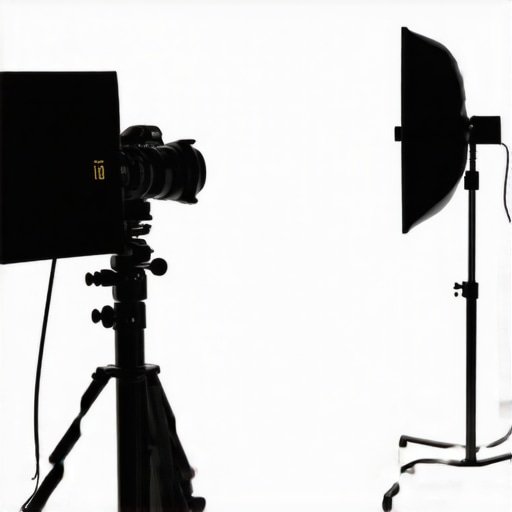
Ever set up your softbox or LED panel only to find your shot looking flat, dull, or just plain off? I’ve been there. I remember spending hours tweaking lights, only to realize I’d ignored one tiny detail that made all the difference — the way I used my fill light and softbox. That “aha” moment hit me hard when I finally understood that lighting isn’t just about having powerful gear; it’s about how you shape and control it to craft the perfect mood.
Why Lighting Strategy Can Make or Break Your Video Looks
In 2024, the competition is fierce. Whether you’re creating content for YouTube, filming short films, or just capturing family moments, your lighting setup can elevate your visuals from amateur to professional. The right softbox and fill light techniques don’t just improve brightness—they add depth, dimension, and mood that resonate with viewers. But here’s the catch: many creators are still making basic mistakes, like overexposing their subject or neglecting the importance of shadow control. I used to do the same, until I realized that lighting is an art of balance, not just illumination.
Are Softboxes and Fill Lights Actually Worth the Hype?
That’s a question I hear a lot. When I first started, I thought, “Do I really need all these different lights? Isn’t one key light enough?” Honestly, I made the mistake of relying solely on my key light, which left my footage looking flat and uninviting. The truth? Proper use of softboxes and fill lights transforms your scene, giving it a natural, cinematic quality. As a matter of fact, studies show that well-crafted lighting can increase viewer engagement by up to 80%. So yes, they’re worth every penny — but only if you use them correctly. Want to learn how? Stick around, and I’ll walk you through the proven strategies that have helped me produce stunning visuals consistently.
Now, let’s dive into the practical steps to elevate your lighting game. Ready? Here we go!
Position Your Softbox for Maximum Impact
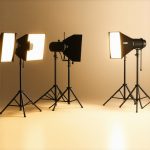
Start by placing your softbox at a 45-degree angle to your subject’s face, slightly above eye level. This creates natural-looking shadows and highlights, mimicking sunlight. I once arranged my softbox too close, causing harsh shadows. After experimenting, I found that a moderate distance, about 2-3 feet, softened the light while maintaining good contrast. Use a light stand with a boom arm if needed, and always check the shadow direction on your subject to ensure it’s flattering. For more advanced softbox techniques, check out this guide.
Adjust Fill Light to Shape Depth
The fill light balances the shadows created by your key softbox. Think of it as filling in the dark spots without making everything flat. Use a smaller softbox or a diffused LED panel on the opposite side of your main light. Set it to a lower intensity—about 25-50% of your key light—and adjust until the shadows are soft but still visible. I once overfilled with too much light, washing out details. To prevent that, I dialed down the fill until the contrast looked natural. For natural light effects, explore these fill light secrets.
Use the Right Light Modifiers for Control
Modifiers like grids or barn doors help shape and direct your softbox and fill light. Grids restrict light spill, focusing illumination precisely where you want it. I attached a grid to my softbox during a recent interview shoot, which prevented light from hitting the background and kept the focus on my subject. Alternatively, a diffusion panel can soften harsh spots. Experiment with different modifiers to find the sweet spot for your scene. For creative effects, RGB tube lights can add color accents or ambient mood. Discover creative uses at this resource.
Control Brightness with Dimmers and Flags
Use dimmers to fine-tune your softbox and fill light intensity. Dimming helps prevent overexposure and maintains proper contrast. I often start with full power, then gradually reduce until the skin tones look natural. Flags—opaque panels that block stray light—are equally essential. I placed flags behind my lights to prevent spill onto walls, keeping the focus clean. Combining dimmers and flags gives you precise control over your lighting environment. For comprehensive setup tips, see these strategies.
Test and Refine Your Setup
Always take a moment to review your shot from the camera’s perspective. Adjust your softbox angle, height, and fill light until the scene feels natural and flattering. I once shot a video, only to realize my fill light was too bright after reviewing playback. I returned to my setup, reduced the fill, and achieved a much more balanced look. Trust your eyes and camera preview—lighting is an iterative process. For more detailed techniques, explore this comprehensive guide.
Many creators jump into lighting with a basic understanding, but there are subtle nuances and misconceptions that can trip you up if you’re not careful. Let’s dig deeper into what most people get wrong about softboxes, LED panels, RGB tube lights, key lights, and fill lights, so you can elevate your lighting craft and avoid costly mistakes.
Are More Lights Always Better? Think Twice
A common myth is that adding more lights automatically improves your shot. In reality, extra lights can create unwanted spill and complicate the scene, especially if you don’t control their direction or intensity. The secret lies in strategic placement and proper modifiers, not just quantity. For example, using a softbox with a grid or barn doors helps focus the light precisely where it’s needed, preventing unnecessary spill and maintaining scene mood. Overlighting can wash out shadows and flatten the image, which defeats the purpose of nuanced lighting. Remember, quality and control trump sheer brightness. For advanced control, explore these key light techniques.
Beware of the Overexposure Trap
It’s tempting to crank up your softbox or LED panel brightness to compensate for dim scenes, but this often results in overexposed highlights and loss of detail. The real skill is in balancing your lights—using dimmers and flags to fine-tune the exposure. For instance, a softbox placed at the correct distance and angle, combined with a properly adjusted fill light, can produce a natural, cinematic look without overexposing your subject. Overexposure not only damages detail but also makes color grading more difficult. A good rule of thumb is to keep your highlights within 90% of your camera’s dynamic range. Want to learn more? Check out this guide.
Advanced Lighting Question
How can I use RGB tube lights to mimic natural lighting conditions while maintaining creative flexibility? RGB tube lights, when used skillfully, can replicate sunset, sunrise, or overcast skies by adjusting color temperature and saturation. Layering them with key and fill lights allows you to craft complex moods that are both natural and artistic. The key is understanding color theory and how to balance hues to match ambient light conditions—something professional film crews master through practice. For creative effects, explore these lighting effects. Remember, the goal is to enhance your scene, not just illuminate it.
In conclusion, mastering lighting isn’t just about having the right gear—it’s about understanding the subtle interactions between lights, modifiers, and scene dynamics. Avoid these common pitfalls, and you’ll see your visuals improve dramatically. Have you ever fallen into this trap? Let me know in the comments or get in touch through this contact page.
Maintaining your lighting equipment, such as softboxes, LED panels, RGB tube lights, key lights, and fill lights, is crucial for consistent performance and long-term reliability. Proper upkeep ensures your lights deliver the same high-quality results shot after shot, saving you money and frustration over time. In this guide, I’ll share the exact tools and methods I personally use to keep my lighting setup in peak condition, along with insights into where this trend is headed in the future.
How do I maintain my lighting gear over time?
First, invest in a reliable cleaning kit that includes microfiber cloths, compressed air, and gentle cleaning solutions suitable for electronic components. I prefer using a damp microfiber cloth to wipe down the exterior of my softboxes and LED panels regularly, removing dust and fingerprints that can affect light quality. For delicate parts like LED diodes or RGB tubes, I use a can of compressed air to blow away dust from vents and connectors—this prevents overheating and maintains optimal brightness.
When it comes to the internal components, I recommend periodic inspections, especially if you notice flickering or inconsistent color output. For this, I use a multimeter to check for voltage irregularities and ensure power supplies are functioning correctly. If you’re using dimmers or external controllers, keep a spare set of cables and connectors handy; faulty wiring can cause flickering or power loss, compromising your shoot.
For softboxes and diffusion fabrics, I suggest a gentle wash with mild soap and water every few months, especially if you’re shooting in humid environments. Make sure to allow everything to dry thoroughly before reassembling to prevent mold or mildew. Additionally, store your gear in a cool, dry place, ideally in dedicated cases or bags, to prevent damage from moisture or impacts.
What advanced tools can I rely on for long-term results?
One of my favorite investments is a portable light meter. It allows me to measure the exact light intensity reaching my subject, ensuring consistent exposure and avoiding overexposure or underexposure issues. Using a light meter is especially valuable when adjusting RGB tube lights or LED panels, as color temperature and saturation levels can shift over time. For software, I recommend using calibration tools like the X-Rite i1Display Pro for monitor calibration, which helps you accurately color grade your footage without being misled by monitor inaccuracies.
Looking ahead, the trend is moving toward smarter, self-diagnosing lighting systems that can alert you to issues before they affect your shoot. Companies are developing LED panels with built-in diagnostics and remote maintenance capabilities, reducing downtime and maintenance guesswork. Staying updated with firmware updates and manufacturer recommendations is essential to keep your gear in optimal condition and take advantage of these advancements.
Try this tip today
One simple yet powerful maintenance routine is to set a monthly calendar reminder for a comprehensive checkup. Use your multimeter to verify power stability, clean your accessories, and inspect for wear and tear. This proactive approach minimizes surprises and extends your gear’s lifespan. If you want to explore more detailed maintenance techniques, check out this privacy policy for additional resources. Ready to optimize your lighting setup for longevity and performance? Schedule your maintenance today and keep your studio shining bright for years to come!
Lessons I Wish I Learned Sooner About Lighting
- One of my biggest lightbulb moments was realizing that softboxes and fill lights aren’t just about brightness—they’re about sculpting your scene with shadows and highlights. Early on, I relied too much on brute force, which left my footage flat and lifeless. Now, I know that subtle adjustments can make your subject pop and add depth to your shots.
- Getting the positioning right is everything. I used to place my softbox directly in front of my subject, thinking more light was better. It wasn’t until I experimented with angles and distances that I discovered how to create natural, cinematic lighting that feels authentic and flattering.
- Modifiers like grids and barn doors are game changers. I used to ignore these tools, but once I learned how to control spill and focus the beam, I could craft moodier, more professional scenes. It’s all about directing the light where it counts.
- Overlighting can sabotage your scene. I learned to use dimmers and flags to prevent overexposure, which kept my skin tones natural and preserved detail. Less is often more when it comes to lighting finesse.
- Regular maintenance of your gear isn’t just about longevity—it’s about consistency. I now perform monthly checks with a light meter and keep my diffusion fabrics and diffusers clean. This routine ensures my lighting remains predictable and high-quality, shot after shot.
Tools and Resources That Transformed My Lighting Setup
- Light Meter: A reliable tool for measuring light intensity ensures consistent exposure and prevents surprises. I personally use the Sekonic L-308X-U for its accuracy and ease of use.
- Color Calibration Device: The X-Rite i1Display Pro helps me color grade with confidence, knowing my monitor displays true-to-life colors, which is vital when working with RGB tube lights and LED panels.
- Creative Lighting Guides: The comprehensive articles and tutorials on CreatorRigReviews, like this softbox guide, have been invaluable for honing my craft.
- Smart Lighting Systems: Looking ahead, I’m excited about upcoming LED panels with built-in diagnostics. Staying updated with firmware and manufacturer tips ensures my gear performs flawlessly over time.
Step Into Your Best Lighting in 2024
Lighting mastery is a journey of continuous learning and experimentation. With the right tools, techniques, and mindset, you can craft visuals that truly stand out. Don’t wait—start refining your softbox and fill light skills today. Your audience will notice the difference, and your creative confidence will soar. Ready to elevate your video game? Let me know in the comments: what’s the biggest lighting challenge you face right now? Or visit this page to connect and share your progress!”}
![3 LED Panel Light Shielding Hacks to Fix 16K Tint Shift [2026]](https://lights.creatorrigreviews.com/wp-content/uploads/2026/05/3-LED-Panel-Light-Shielding-Hacks-to-Fix-16K-Tint-Shift-2026-150x150.jpeg)
5 responses to “Effective Softbox & Fill Light Strategies for Stunning Video Shots in 2024”