
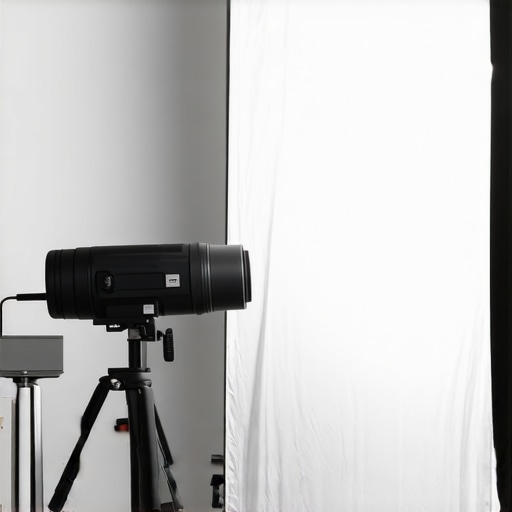
Have you ever shot a video or taken a photo only to realize the lighting was completely off? That frustrating moment when your subject looks flat, shadows are unflattering, or the scene feels lifeless. I’ve been there—staring at my camera, trying to fix the lighting with makeshift solutions, only to end up with subpar results. It was a lightbulb moment for me: I needed to get serious about my softbox and key light setup. But where to start? The world of lighting can be overwhelming, especially with so many options and techniques claiming to be the best. That’s exactly what I want to share with you today.
Why Proper Lighting Matters More Than Ever in 2024
In 2024, the demand for high-quality visual content has skyrocketed. Whether you’re a solo creator, a professional videographer, or a hobbyist, the quality of your lighting can make or break your content. According to a recent study by TechRadar, viewers are 80% more likely to engage with videos that are well-lit and visually appealing. That’s a staggering statistic, and it highlights why investing in the right softbox and key light techniques is crucial.
But here’s the catch: many creators, myself included initially, fall into the trap of using cheap equipment or neglecting the fundamentals. I used to think that any light would do, just point it at my subject and shoot. Big mistake. The early days were filled with inconsistent results, harsh shadows, and unprofessional looks. It wasn’t until I understood the importance of soft, controlled lighting that my content started to stand out.
Have you faced the same struggles? Or are you still unsure if investing in proper lighting is worth it?
That’s why I’ve dedicated myself to mastering softbox and key light setups. My goal is to help you avoid the mistakes I made early on — like underestimating the power of diffuse light or cluttering your space with unnecessary equipment. Instead, I want to guide you through practical, proven tips that will elevate your videos and photos in 2024.
Next, we’ll dive into the core principles of effective softbox and key light use, along with some insider secrets. Whether you’re working in a small studio or a makeshift setup at home, these tips will help you craft professional-quality lighting without breaking the bank. Ready to transform your content? Let’s get started.
Understanding the Basics of Softbox & Key Light Setup
Set Up Your Softbox Correctly
Start by placing your softbox at a 45-degree angle to your subject, slightly above eye level. This angle mimics natural sunlight and creates soft, flattering shadows. I remember when I first did this, I tilted the softbox too far downward, resulting in unflattering shadow harshness under my subject’s chin. Adjusting the angle and height made an immediate difference, softening shadows and brightening the face evenly.
Position Your Key Light Strategically
The key light is your primary illumination source and should be the brightest light in your setup. Think of it as the sun in a mini landscape. Place your key light so that it illuminates your subject’s face and creates depth with subtle shadows. Use a reflector or fill light to bounce some light back into shadowed areas, preventing the face from appearing flat. During a recent shoot, I used a small reflector to fill in shadows on my subject’s cheek, which made her eyes pop and added dimension without losing the natural look.
Adjust Light Intensity and Distance
Light intensity and distance are your tools for controlling shadow softness and contrast. Move your softbox closer for a more diffused, softer light; pull it back for sharper shadows. For instance, I once mounted my softbox too far from my subject, which resulted in a harsh, high-contrast look. Bringing it closer created a gentle, studio-quality glow. Use a light meter if you want precise control, but a simple trial and error approach works fine for most creators.
Control Spill and Light Direction
Use flags or barn doors to prevent light spill into unwanted areas, ensuring your subject is isolated from the background or environment. During one shoot, I used a piece of black foam board as a flag to block light from hitting the background, which kept the focus solely on my subject. Also, pay attention to the angle of your softbox; a slight tilt can dramatically change how the shadows fall and how natural the lighting looks.
Balance Your Fill Lights
Fill lights soften shadows created by your key light, adding a natural, three-dimensional look. Use a smaller softbox or LED panel at a lower intensity opposite your key light. I often use a softbox fill technique to achieve this balanced lighting, especially for portraits. Adjust the fill’s brightness until shadows are softened but not eliminated entirely, maintaining depth.
Experiment and Fine-Tune
Every space and subject is different, so don’t hesitate to experiment. Move your lights around, tweak angles, and adjust power levels until you find that perfect glow. For example, during a recent outdoor shoot, I used my softbox at a different height to match the natural light, creating a seamless blend that looked professional without any additional editing.
If you’re serious about elevating your content, check out more tips on best softbox and key light practices and experiment with different setups to see what works best for your style.
Many creators believe that simply purchasing a high-quality softbox or key light guarantees professional results. However, the real challenge lies in understanding the nuanced behavior of light, which can easily be misunderstood or misapplied. Let’s dig deeper into some common misconceptions and advanced pitfalls that often trip up even seasoned videographers and photographers.
Myth: More Light Always Means Better Results
Contrary to popular belief, increasing light intensity or adding multiple lights doesn’t automatically improve your shot. Over-lighting can lead to washed-out images, loss of contrast, and unnatural appearances. For example, using a softbox at full power to compensate for a poorly lit environment can result in overly flat or harsh lighting. Instead, mastering the art of balancing your key and fill lights, and understanding the appropriate intensity for your scene, is key. For advanced users, this guide offers insights into achieving natural-looking results without overexposure.
Oops! The Trap of Uniform Diffusion
Many creators fixate on buying the biggest or most expensive softbox, assuming that size alone guarantees softer light. But the key nuance is in the diffusion material and how you position the softbox. A large softbox with poor diffusion can produce uneven, blotchy light. Conversely, a smaller, well-diffused softbox can outperform a larger, cheaper one. Furthermore, the distance between the softbox and your subject plays a crucial role; too close, and you risk creating overly soft or flat lighting, while too far, the diffusion becomes less effective. For more advanced techniques, check out these best practices.
Why Do My Shadows Sometimes Look Wrong?
This is a common frustration. Shadows can appear either too harsh or too soft, depending on your softbox’s angle, distance, and the ambient light. The advanced nuance here is understanding the inverse square law and how light falloff impacts shadow quality. Small adjustments, like tilting your softbox slightly or adding a subtle flag to block spill, can make a significant difference. Also, be cautious of relying solely on the built-in diffusion without considering the overall environment. For complex scenes, integrating key and fill light strategies is essential for nuanced control.
Have you ever fallen into this trap? Let me know in the comments. Mastering these subtleties is what separates good content from great content, especially in 2024’s competitive landscape. Remember, understanding the behavior of light, rather than just its source, unlocks truly professional results.
Investing in quality lighting gear is just the beginning; maintaining it properly is crucial to ensure longevity and consistent performance. Over time, softboxes, LED panels, and other lighting accessories can suffer from wear and tear, dust accumulation, and misalignment. Staying proactive with your maintenance routine will save you money and keep your setups looking professional. Today, I’ll share my favorite tools and tips for keeping your lighting equipment in top shape, along with insights into future trends that will influence how we care for our gear.
How do I maintain my lighting equipment over time?
First, regular cleaning is essential. Use a microfiber cloth and a gentle, lint-free cleaner to wipe down softboxes and LED panels. For softboxes, I prefer a slightly damp cloth to remove dust without damaging the diffusion material. For LED panels, compressed air can help clear dust from vents and internal components. Always turn off and unplug your devices before cleaning. Additionally, check for loose connections and wear on power cords; replace damaged cables immediately to prevent failures. My go-to toolkit includes a small set of screwdrivers, cable organizers, and cleaning brushes designed specifically for electronic equipment.
Next, calibration is key. If you’re using digital lights with adjustable color temperature and brightness, periodically recalibrate them to match your desired settings. This ensures color consistency across shoots, especially when working with multiple lights. I use a dedicated light meter to verify output and color accuracy, which is invaluable for professional projects. For software-based adjustments, many LED panels come with proprietary apps that allow for precise control and firmware updates. Regular firmware upgrades can fix bugs and improve stability, so stay current with manufacturer updates.
Tools I recommend for long-term maintenance
One of my favorites is the LensPen. It’s compact, gentle, and perfect for cleaning diffusion surfaces and small crevices without causing scratches. For dust removal, I rely on a compressed air canister. When it comes to cables, I use Velcro straps to organize and prevent wear, and a multimeter to troubleshoot electrical issues. For digital calibration, a light meter helps verify output consistency. Lastly, keep a maintenance log to track repairs, firmware updates, and calibration dates.
Future of lighting maintenance: automation and smart tools
Looking ahead, I predict that smart, connected lighting systems will simplify maintenance. Firmware will automatically notify us of issues, schedule calibration, and even adjust settings based on ambient conditions. Companies like Nanlite and Aputure are already integrating app-based diagnostics, which will become standard in the next few years. This shift will make it easier to keep gear performing at peak levels without manual checks as often. Staying updated with these innovations will be essential for professional creators aiming for seamless long-term operation.
Ready to put these tips into action? Start by inspecting and cleaning your equipment today, and consider investing in a good light meter if you haven’t already. Proper maintenance isn’t just about prolonging lifespan; it’s about ensuring every shot looks as flawless as possible. If you want more detailed advice on specific tools or troubleshooting tips, don’t hesitate to reach out. Keep your gear in top shape, and your content will shine for years to come!
The Hidden Lessons That Transformed My Lighting Approach
One of the biggest revelations I had was realizing that soft, diffuse light isn’t just about equipment size—it’s about understanding how diffusion materials work and positioning your softbox correctly. I once wasted hours experimenting with large softboxes that barely softened shadows because I overlooked the diffusion quality. Learning to choose the right diffusion and place my light closer to the subject gave me a professional glow I couldn’t achieve with brute force.
Another lightbulb moment was understanding the inverse square law’s role in shadow quality. Small adjustments in distance changed my contrast dramatically, making me appreciate every inch of my setup. It’s these subtle lessons—often overlooked—that elevate your lighting from decent to stunning.
Lastly, I learned that mastering light control tools like flags and barn doors can prevent unwanted spill and help craft a natural, cinematic look. It’s not just about having the right gear but knowing how to manipulate it with finesse. These lessons, born from trial and error, have become my go-to principles for creating compelling visual stories in 2024.
My Top Picks for Elevating Your Lighting Arsenal
For consistent, reliable results, I rely on tools that have stood the test of time. First, the best softbox RGB tube lights offer versatile diffusion and color control—perfect for creative setups. I trust them because they combine quality with flexibility, allowing me to experiment with mood and tone.
Next, the ultimate LED panel RGB tube lights are my go-to for consistent key and fill lighting, especially in small spaces. Their adjustable brightness and color temperature save me time and deliver professional results.
For maintaining my gear, I swear by the maintenance tools and calibration devices. Regular cleaning, firmware updates, and calibration are essential for longevity and performance, and these tools make it manageable even for busy creators.
Finally, I always keep a contact us page handy for expert advice and troubleshooting, ensuring my setup stays optimal. Combining the right equipment with expert knowledge is the secret to professional-looking content in 2024.
Step Into Your Creative Power—Lighting Awaits
Don’t let lighting be a barrier to your creative vision. With the insights and tools shared, you’re equipped to transform any space into a professional studio. Remember, the secret isn’t just the gear but how you understand and manipulate light to craft your story. Take action today—inspect your setup, experiment with diffusion and positioning, and embrace the subtleties that make your content truly shine. Your journey to mastering lighting starts now, and I can’t wait to see what you create next.
![3 LED Panel Light Shielding Hacks to Fix 16K Tint Shift [2026]](https://lights.creatorrigreviews.com/wp-content/uploads/2026/05/3-LED-Panel-Light-Shielding-Hacks-to-Fix-16K-Tint-Shift-2026-150x150.jpeg)




5 responses to “Best Softbox & Key Light Tips for Creators in 2024”