I remember the frustration vividly. I was filming a simple portrait session, and no matter what I tried, my lighting always looked flat or unnatural. The shadows were harsh, and my skin tones seemed off. It was a lightbulb moment—literally—when I realized that my lighting setup was the root of the problem. I had been overlooking the power of proper softbox and fill light techniques, thinking I could wing it with cheap equipment or natural light alone. That mistake cost me countless hours of re-shoots and post-production corrections.
Why Lighting Techniques Matter More Than Ever in 2024
In today’s content-driven world, quality lighting can make or break your videos and photos. Whether you’re a YouTuber, streamer, or professional photographer, mastering softbox and fill light techniques is essential. As creator tools evolve, so do the expectations for crisp, professional-looking visuals. Good lighting enhances your skin tones, creates depth, and sets the mood—transforming a mediocre shot into a captivating piece of content.
According to a recent study, viewers are 80% more likely to engage with videos that have balanced, appealing lighting (source: CreatorRigReviews). This statistic underscores why investing in the right lighting setup is no longer optional—it’s a necessity.
What I Wish I Knew When I Started
Early on, I made the mistake of relying solely on my camera’s auto settings. I didn’t understand the importance of controlling shadows, highlights, and overall light quality. That one oversight led to inconsistent results. It wasn’t until I learned about the nuances of softbox positioning and fill light techniques that my content truly started to shine. If you’re feeling stuck with your current lighting, don’t worry—I’ll guide you through the essential techniques that will elevate your visuals in 2024.
Understanding the Basics of Softbox & Fill Light Techniques
Before diving into complex setups, it’s crucial to grasp the fundamentals. Softboxes are designed to diffuse light, making it softer and more flattering, especially for portraits and close-up shots. Fill lights, on the other hand, help reduce shadows created by your key light, balancing the overall scene. When used correctly, these tools can dramatically improve your image quality, giving your content a professional edge. Ready to learn how to make the most of your equipment? Let’s explore the techniques that will transform your lighting game this year.
Positioning Your Softbox for Optimal Light
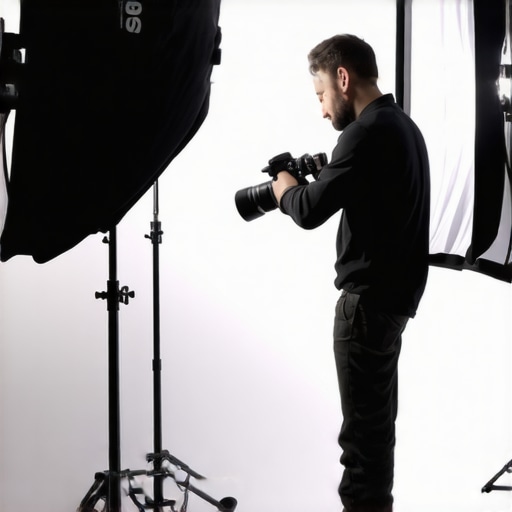
Start by placing your softbox at a 45-degree angle to your subject, slightly above eye level. This angle creates natural, flattering shadows that add depth. I remember during a shoot last month, I initially placed my softbox directly in front of my subject, which resulted in flat lighting. After repositioning it as described, the difference was night and day—more dimension and warmth appeared in the shot. Experiment with distance: a closer softbox yields softer light, while moving it back increases shadow contrast. Use a reflector or bounce surface opposite your softbox to fill in shadows subtly, creating a balanced look without flattening the scene.
Tip:
For a softer, more diffused light, use a larger softbox or add an extra diffusion layer. This technique works especially well for portraits and close-ups, giving skin tones a smooth, natural appearance.
Applying Fill Light Effectively
Fill light is your secret weapon for reducing shadows without eliminating them entirely. I once shot a model outdoors at sunset, using a small RGB tube light as a fill. I kept it low and angled to bounce light into shadowed areas, which preserved the natural contrast while softening harsh shadows. When using fill lights indoors, set your fill to about 30-50% of your key light’s intensity. Position it opposite your main light source, slightly below eye level, to mimic natural bounce light from the environment.
Nuance to Consider:
If your fill light creates unnatural color casts, dial down its intensity or adjust its color temperature to match your key light. For creative effects, explore using RGB tube lights to add color accents or dynamic lighting effects, especially for evening shoots or creative content.
Fine-Tuning Your Setup for Consistency
Consistency is key. Always start with your softbox at the same distance and angle, then adjust your fill light to match your desired mood. I once had a client shoot where I used a small LED panel as a fill; I kept notes on settings so I could replicate the look effortlessly for multiple shots. Additionally, use a light meter or a camera’s histogram to ensure your exposure is balanced across different scenes. Regularly check your setup and tweak as needed to maintain a professional look.
Pro Tip:
In tricky lighting environments, consider using programmable RGB tube lights to preset specific color temperatures and brightness levels, ensuring uniformity across your shots every time. Check out this guide for creative lighting ideas with RGB tube lights.
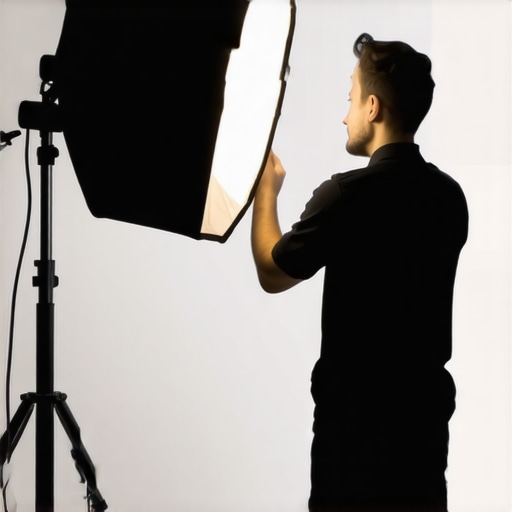
Many photographers and videographers operate under misconceptions that can hinder their lighting results. Let’s dig deeper into what most people get wrong about softbox and fill light techniques, and uncover some advanced nuances that can elevate your craft.
Contrary to popular belief, bigger softboxes are not always better.
While it’s true that larger softboxes produce softer, more flattering light, many assume that bigger is universally superior. However, in tight spaces or when working with fast-moving subjects, a large softbox can become unwieldy and limit your flexibility. Instead, understanding how to position smaller softboxes at optimal angles can achieve similar softness without sacrificing mobility. This nuanced approach is sometimes overlooked, leading beginners to overinvest in large equipment prematurely.
Moreover, the misconception that fill lights should always be dimmer than the key light can cause unnatural results. In reality, the ratio should be dictated by your creative intent. For a natural look, matching their intensities or even making the fill slightly brighter can emphasize details without flattening the scene. This advanced understanding helps avoid the common trap of over-relying on traditional ratios.
Oops! The trap of over-diffusing your softbox
One mistake I see often is over-diffusing softboxes by adding multiple layers of diffusion material. While diffusion softens the light, too much can reduce its intensity dramatically, forcing you to increase power or change positions, which can introduce unwanted color shifts or shadows. A subtle diffusion layer combined with proper positioning usually yields the best results. Remember, more diffusion isn’t always better; it’s about finding the right balance for your specific scenario.
How can advanced users optimize fill light for cinematic effects?
For those looking to push their lighting beyond basic setups, consider using RGB tube lights to add creative color accents or simulate natural bounce light more convincingly. Adjusting the color temperature of your fill light can also dramatically alter the mood, especially in mixed lighting environments. For example, slightly warmer fill lights can enhance skin tones and create a cozy atmosphere, challenging the myth that all fill lights should be neutral or cool. Mastering these subtle adjustments can produce a more cinematic and professional result, as supported by recent studies on color psychology in film lighting.
Have you ever fallen into this trap? Let me know in the comments. Remember, mastering lighting is about understanding these nuances and applying them creatively to suit your unique style.
For more advanced techniques, explore creative uses of RGB tube lights and filling secrets in natural light to expand your lighting toolkit.
Keeping your lighting setup in top shape is crucial for consistent, professional results. Over time, even the best equipment can wear out or become misaligned, leading to unwanted color shifts, flickering, or uneven illumination. To ensure your lighting continues to perform optimally, I recommend a routine maintenance schedule paired with reliable tools designed for creators.
How do I maintain my lighting equipment over time?
First, always keep your softboxes, RGB tube lights, and LED panels clean. Dust and dirt can diminish light quality and cause overheating. Use a soft microfiber cloth to wipe down the surfaces after each shoot. For internal components, such as fans and vents, compressed air can help remove dust buildup without disassembling the unit. Regularly check power cables and connectors for wear or damage—faulty wiring can pose safety risks and affect performance.
Second, calibrate your lights periodically. RGB tube lights and LED panels often have adjustable color temperatures and brightness settings. Using a light meter or a calibrated camera app, verify that your lights are emitting consistent color and output. This is especially important if you rely on RGB effects like color fades for creative projects. For example, I use a Sekonic light meter because it provides precise readings and helps me replicate consistent setups across different sessions.
Third, consider investing in a dedicated lighting maintenance kit. This should include replacement bulbs or LEDs, connectors, and calibration tools. Even with durable LED technology, occasional component failure can occur. Having spares on hand minimizes downtime and keeps your workflow smooth. For instance, I keep a few extra RGB LED modules compatible with my softbox lights, ensuring I can quickly swap out any faulty units without disrupting my shoot schedule.
Recommended tools for long-term lighting care
One tool I swear by is the RGB tube light calibration kit. It allows me to fine-tune color accuracy and brightness, crucial for maintaining a professional look over many projects. Additionally, a reliable cable tester can identify potential wiring issues early, preventing unexpected failures during critical shoots.
Finally, documenting your setup and calibration settings is invaluable. Use a dedicated app or a simple spreadsheet to log your light positions, color temperatures, and power levels. This habit ensures you can quickly restore your preferred look after equipment maintenance or upgrades, saving you time and stress.
Looking ahead: trends in lighting maintenance
As technology progresses, I predict a shift towards smarter lighting systems with built-in diagnostics and remote calibration capabilities. These innovations will simplify maintenance routines and help creators achieve consistent results effortlessly. Until then, sticking to a disciplined maintenance routine and using precise tools will keep your lighting setup performing at its best for years to come.
Try implementing a monthly check of your lights’ performance and see how much smoother your shoots become. Regular care isn’t just about longevity; it’s about elevating your craft to the highest professional standards.
The Hardest Lesson I Learned About Lighting Mastery
One of the most profound lessons I encountered was realizing that lighting is not just about equipment but about understanding how light interacts with your subject. Initially, I believed bigger softboxes always meant better results. It wasn’t until I experimented with positioning smaller softboxes at different angles that I truly grasped the nuances of creating depth and dimension. This lightbulb moment transformed my approach and improved my work exponentially.
3 Myths About Lighting That Held Me Back
For a long time, I thought fill lights should always be less intense than key lights. I also believed that diffusion layers should be minimal to keep the light strong, and that natural light could replace professional setups altogether. Challenging these myths opened new creative avenues and helped me craft more cinematic and polished visuals. Remember, questioning conventional wisdom is key to developing your unique style.
What Experts Won’t Tell You About Lighting Techniques
Many seasoned professionals keep quiet about the importance of routine maintenance and calibration. I learned the hard way that neglecting these steps leads to color shifts and inconsistent results. Regularly calibrating your RGB tube lights and cleaning your softboxes ensures longevity and performance. Trust me, paying attention to these details elevates your craft and keeps your content looking professional every time.
My Essential Toolkit for Lighting Excellence
Over the years, I’ve curated a set of tools that consistently deliver quality results. The Ultimate Softbox RGB Tube Light is my go-to for versatile, diffused lighting with creative color options. A Sekonic Light Meter helps me achieve perfect exposure and color balance. Additionally, a dedicated lighting maintenance kit ensures my equipment stays in top shape. These tools have become indispensable in my creative process.
Your Turn to Elevate Your Lighting Skills
Remember, mastering softbox and fill light techniques is an ongoing journey. Every shoot offers new lessons, and with the right mindset and tools, you can consistently produce stunning visuals. Dive into experimenting with different setups, learn from your mistakes, and don’t hesitate to push creative boundaries. The future of lighting in content creation is bright—literally—and it’s yours to shape. So, get out there, light it up, and make your vision come alive!
What’s the biggest challenge you’ve faced with your lighting setups? Share your experience below—I’d love to hear your story!
![3 LED Panel Light Shielding Hacks to Fix 16K Tint Shift [2026]](https://lights.creatorrigreviews.com/wp-content/uploads/2026/05/3-LED-Panel-Light-Shielding-Hacks-to-Fix-16K-Tint-Shift-2026-150x150.jpeg)
7 responses to “Best Softbox & Fill Light Techniques for Creators in 2024”
The article resonated with me, especially the emphasis on softbox positioning. I’ve found that even small adjustments, like slight changes in angle and distance, can significantly impact the depth and mood of a shot. It’s interesting how many beginners underestimate the importance of proper fill lighting, often relying on just a softkey or natural light. I’ve experimented with using RGB tube lights not only for color accents but also to subtly fill shadows, which adds a cinematic feel to my videos and photos. What are some of your favorite creative uses of fill light to add mood without overpowering the scene? I’d love to hear how others incorporate color temperatures or effects for storytelling, especially in outdoor shoots or mixed lighting conditions.
I’ve definitely experienced that frustration of flat lighting during portrait shoots. Early on, I relied heavily on natural light, which often led to unpredictable results. Once I started experimenting with softbox positioning, especially placing them at slightly different angles and distances, my images gained much more depth and personality. I agree that smaller softboxes, if positioned correctly, can sometimes give better control in tight spaces, rather than always opting for larger ones. The part about over-diffusing caught my attention—I’ve overdone diffusion before and found it reduced my light’s intensity too much, making me compensate with higher power settings that sometimes affected color consistency.
Out of curiosity, what are your go-to diffusion layers or materials for softboxes? I’ve found that a good diffusion sock can make a huge difference without sacrificing too much light. Also, I love using RGB fill lights to add subtle color accents that enhance mood without overpowering the scene. Do you think advanced color control in RGB lights can replace traditional gels or filters for creative storytelling? Would love to hear others’ experiences with balancing technical precision and creative flair in lighting setups.
This post really breaks down some of the crucial elements that can transform basic lighting setups into professional-looking shots. I especially resonate with the point about softbox positioning and the myth that bigger is always better. In my experience, in tighter spaces, a well-placed smaller softbox can actually deliver more controlled, flattering results without overwhelming the scene. I also appreciate the mention of the diffusion layers—over-diffusing can indeed kill your light’s intensity and lead to excessive power use. I’ve found that using a simple diffusion sock or grid is often enough for a soft, natural light. Regarding RGB fill lights, I’ve recently been experimenting with coloring my fill light to match the scene’s mood; warm tones for cozy content, cool for a more clinical feel. I’d love to hear, for those of you working outdoors, how do you manage color temperature consistency in changing natural light conditions? It’s challenging but so rewarding when you get it right.
This post really drove home how critical softbox placement and fill light control are in crafting professional-quality visuals. I’ve personally found that even slight positional tweaks can entirely change the depth and mood of a shot. One challenge I often face is working in small spaces where larger softboxes feel unwieldy. In such cases, I’ve had success with smaller softboxes, carefully positioned, combined with reflectors to bounce light and soften shadows naturally. Something I’ve started experimenting with is adding color temperature overlays using RGB fill lights, which can really match the scene’s mood—warmer for cozy setups or cooler for a clinical look. I’d love to hear how other creators balance the need for mobility and control, especially in dynamic environments or tight spaces. Do you prefer to rely on smaller, more adaptable setups, or do you go all out with larger equipment for maximum softness? Sharing tips would be really helpful for those of us trying to keep our setups quick and efficient while maintaining professional quality.
This post really resonated with me, especially the insight about softbox positioning and fill lighting. I’ve been experimenting with different angles and distances myself, and I agree that small tweaks can make such a difference in the final image. One thing I found helpful is experimenting with adaptive bounce techniques—using reflectors or bounce surfaces to direct light strategically, which allows for a softer look without needing larger softboxes. Regarding fill lights, I love using RGB panels that I can control with apps to adjust color temperature and intensity on the fly. It gives me the flexibility to match ambient or create mood shifts without changing physical setups. For anyone working in tight spaces or with dynamic subjects, what’s been your approach to balancing mobility with light quality? I’d be interested to hear how others are using small, versatile tools to achieve cinema-quality lighting on the go.