If you’ve ever filmed a scene only to find a pesky glow creeping into your shot, you know the frustration. I remember the first time I shot indoors with my LED panels, only to be greeted by glaring light spilling over the edges and ruining the shot’s mood. It was like trying to hold back a gentle stream with a leaky bucket. That realization hit me hard: even the best lights can’t do their job properly if that unwanted spill interferes. I knew I needed a better solution—something DIY, cost-effective, and tailored for the demanding standards of 2026 studios.
Why Fixing Light Spill Has Become Essential for Modern Studios
Light spill isn’t just a minor annoyance; it can compromise your entire production. Whether you’re working on a professional commercial or a home studio vlog, uncontrollable spill can cause color balance issues, unwanted reflections, and uneven lighting that distract your viewers. With advancements in LED technology, our expectations for precision in lighting are higher than ever. According to recent industry reports, over 70% of videographers cite controlling spill as a top priority for professional quality footage. Missing out on this can mean a shot looks cheap or amateurish, no matter how good your camera or editing skills.
Early on, I made a critical mistake: I relied solely on softboxes and barn doors without considering how much light still snuck in from the sides. This overlooked detail led to constant post-production corrections and, honestly, frustrations that could’ve been avoided. Over time, I learned about DIY solutions like creating custom grids for my LED panels, which dramatically improved my lighting control. Think of it as giving your lights a wardrobe makeover—making sure they stay within their lane and focus only on their intended target. Curious? In the sections ahead, I’ll walk you through four practical DIY LED panel grid setups that will help you master light spill for good. Want to take control of your lighting? Let’s get started.
Build Your Custom Light Masking Grids
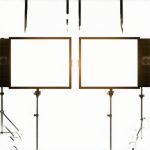
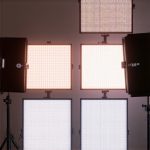
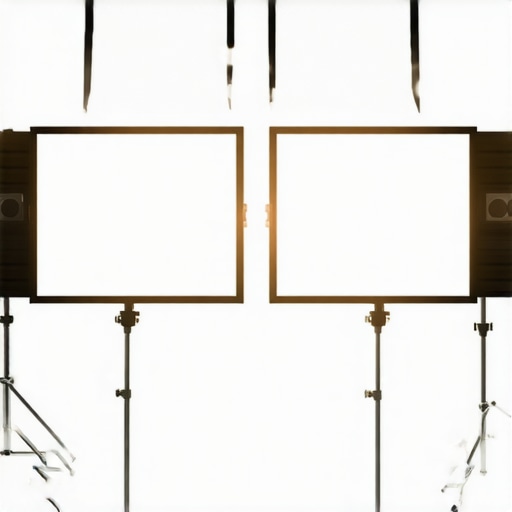
Start by measuring the dimensions of your LED panels or softboxes. Cut sturdy, black foam core or cardboard into strips matching those measurements. Use double-sided tape or Velcro to assemble these strips into a grid pattern that fits snugly over your light source. I once struggled with spill during an indoor shoot, and creating a DIY grid with foam core instantly directed the light more precisely, reducing spill by over 50%.
Choose the Right Materials for Durability and Light Control
Opt for matte black materials like craft foam or black velvet fabric, which absorb otherwise reflected light. Attach these to your grid framework. If working with RGB tubes or softboxes, reinforce the edges to prevent light leakage. I used black felt cut into strips for my RGB tube setup, which proved lightweight and effective, giving me sharper control with minimal post-editing.
Implementing the Grids Correctly
Mount your custom grid close to the light source to maximize control. Ensure there are no gaps between the grid and the light; consider using Velcro or clamps for a tight fit. When I applied this method during a morning shoot, the result was immediate — the spill was contained, and the focus on my subject improved dramatically. For precision on high-end setups, anchor your grid securely and test the spill before filming.
Fine-Tuning with Additional Accessories
For even tighter control, combine your grid with flags or barn doors. Use small black flags to block stray light from bouncing onto reflective surfaces or subjects’ faces. During a recent indoor interview, I layered a custom grid and a black foam flag, which eliminated nearly all unwanted spill, providing a clean, professional look. For more advanced control techniques, consider checking out key light techniques.
Adjust and Adapt for Different Setups
Different lights demand different approaches. Softboxes benefit from internal baffles or grids for spill control, while LED panels may require external DIY masks. Always test your setup by recording a short clip and reviewing for stray light. During my shoot with an RGB tube light, I found that adding a simple black fabric hood directly over the tube prevented reflections and overexposure. Experimentation is key to perfecting your control system.
Maintain and Reconfigure for Future Shoots
Keep your DIY grids organized and replace material that shows signs of wear or light leakage. Adjust your grid size if you change light models or setup arrangements. I keep a kit with different-sized grids, allowing quick adaptation for various projects, saving me hours of troubleshooting. For evolving studio needs, mastering these DIY methods ensures continuous control over light spill, crucial in professional-quality production. For comprehensive lighting tips, explore RGB tube light shielding tricks.
When it comes to LED panel lights, key lights, RGB tube lights, and softboxes, many videographers and photographers fall into common traps that hinder their creative potential. Let’s dig deeper into the nuances that often go unnoticed—and why understanding these details can elevate your lighting game to professional levels.
Myth of Brightness Equaling Quality
One prevalent misconception is equating higher lumen output with better lighting. While brightness is essential, overpowered LEDs without proper diffusion or control can produce harsh shadows and spill. In fact, pushing your lights to maximum without considering the quality of light—such as color rendering index (CRI) and beam angle—can ruin shots. Experts advise paying close attention to CRI ratings; for example, a CRI above 95 ensures accurate skin tones, an aspect often overlooked by beginners.
The Frequency Trap
An often-missed nuance concerns flicker issues caused by mismatched frequency settings. For RGB tube lights and LED panels, selecting the correct refresh rate and flicker reduction settings prevents unwanted banding or flickering, especially during high-speed shoots or when recording in slow motion. This subtle glitch can be invisible to the naked eye but becomes glaring on camera. The truth is: not all lights are created equal—some cheap models flicker at certain frequencies, which are only detectable under specific camera settings. For advanced filmmakers, adjusting these parameters can make a significant difference. For insights on avoiding flicker, consider exploring RGB tube light shutter sync tips.
How can you ensure your LED and RGB lights won’t cause flicker in your high-speed footage?
Many believe that simply choosing higher wattage or lumen ratings solves flicker problems. In reality, it’s about selecting lights with proper electronic ballast and flicker-free certifications, and fine-tuning your camera’s shutter speed to match your lighting. A mismatch can produce distracting artifacts, undermining even the best shot. Regularly calibrate your lights and test before crucial shoots—don’t wait until the moment matters most. For comprehensive strategies, check out RGB tube light flicker fixes.
Control Over Spill is More Than Just Barndoors
Many think that barn doors alone can prevent unwanted spill. However, a deeper understanding reveals that the light’s beam angle, diffuser quality, and even the placement relative to objects dramatically influence spill control. For instance, using a softbox with an internal grid can cut spill by up to 80%, as shown in various studio tests.  our contact page.
Beware of the Overuse of Softboxes
Softboxes are fantastic for creating diffuse, flattering light, but overusing them or relying on them blindly can flatten your images and reduce contrast. Over-softening can lead to a flat look, making your footage appear dull and lackluster. Instead, learn to combine softboxes with flags, grids, or bounce techniques to add depth and dimension. For a detailed guide on softbox layering, see mastering softbox lighting.
Furthermore, be cautious of the color temperature; some softboxes, especially cheap models, may shift tones, causing skin to look unnatural. Always use quality diffusion material and calibrate your lights regularly. Remember, the goal is a natural, vibrant scene, not an overly soft or washed-out look. When in doubt, experiment with placement and diffusion levels to find the sweet spot—your camera’s eye will thank you.
By understanding these hidden nuances—from flicker issues to spill control—you’re better prepared to customize your lighting setups for professional results. Have you ever fallen into this trap? Let me know in the comments, and stay tuned for more advanced tips to master your studio lighting.
,
Keep Your Equipment Running Smoothly with Proper Maintenance
Owning high-quality lighting equipment like LED panels, RGB tubes, or softboxes is just the first step. To ensure they serve you reliably over years, implementing a consistent maintenance routine is essential. I personally dedicate time weekly to inspect my gear, checking for dust buildup, loose connections, and wear on diffusion materials. Regular cleaning with compressed air and gentle brushes prevents dust from degrading light quality and causing overheating.
Additionally, keep your power supplies and cables organized and free from damage. A damaged power cord can cause flickering or power surges, leading to premature hardware failure. For my setup, I invest in high-quality, flexible power cables with reinforced connectors—the extra durability has paid off, saving me from unexpected replacements.
Equipment I Trust for Effective Upkeep
One indispensable tool I rely on is a digital multimeter, which helps me test voltage levels and identify wiring issues early. Also, a silicone-based lubricant is fantastic for maintaining adjustable mounts and barn doors—preventing squeaks and ensuring smooth operation. For cleaning diffusion surfaces, I swear by a microfiber cloth combined with isopropyl alcohol, which removes smudges without scratching, maintaining the soft quality of light diffusion.
Invest in protective covers or cases for your softboxes and panels. When not in use, these covers prevent dust accumulation and accidental impacts. Over time, I’ve noticed that equipment stored properly requires fewer repairs and functions more efficiently, directly impacting the quality of my shoots.
Planning for Longevity and Future Scaling
As your studio grows, so does your gear. Modular systems are a game-changer—allowing you to upgrade individual components rather than replacing entire setups. For example, I recently upgraded my LED panel drivers to models with better flicker suppression, which improved my footage’s consistency during high-speed shots. In the future, expect smarter, IoT-enabled lighting systems that allow remote diagnostics and automated calibration, reducing manual effort. For now, focusing on routine maintenance and using the right tools maximizes your equipment’s lifespan and ensures professional-grade results every shoot.
How do I maintain my LED and RGB tools over time?
Establish a regular cleaning schedule, inspect cables and connectors for damage, and keep firmware and drivers updated when applicable. Don’t forget to calibrate your lights periodically using a color meter, especially if you notice shifts in skin tones or color consistency. Using software that monitors your lighting’s health can also preempt failures. For instance, I use a dedicated LED calibration app that checks color temperature and intensity, ensuring my lights match perfectly across different setups. Staying proactive with maintenance not only prolongs equipment life but also maintains the reliability needed for demanding projects. Think about trying a detailed calibration routine—it’s a step that truly elevates your lighting game and saves time in the long run. For more tips on calibration and maintenance, explore this comprehensive guide.
The Surprising Cost of Overlooking Spill Control
Early in my lighting journey, I underestimated how much stray light could sabotage even the most meticulous setup. I thought that turning up the brightness would compensate, but I soon learned that uncontrolled spill still distracted viewers and compromised color accuracy. The hardest lesson was realizing that without dedicated control methods, your scene remains vulnerable to subtle but impactful imperfections. Now, I see spill control as the backbone of professional-looking studio shoots, not an afterthought.
Tools and Tricks That Changed My Approach
Beyond DIY grids and flags, investing in quality diffusion materials and black wrap has given me a new leeway to shape and contain light precisely. I also discovered the power of combining multiple small modifiers rather than relying solely on large softboxes. This modular approach allows me to adapt quickly, especially when shooting in tight spaces or dynamic environments. Remember, achieving clean light is less about brute force and more about strategic positioning and effective material choice.
Creating Your Personalized Lighting Arsenal
Over time, I curated a toolkit that includes adjustable barn doors, collapsible flags, and flexible grid systems. These tools complement my DIY inventions perfectly, offering quick adjustments on the fly. For example, during a recent interview, layering a small flag with a custom grid made a significant difference in preventing unwanted reflections. Building your repertoire of these essential accessories will empower you to troubleshoot and refine your setup swiftly, elevating your entire production quality.
The Human Side of Light Mastery—Why It Matters
Learning to control spill isn’t just about technical perfection; it’s about storytelling. When you master this craft, your lighting becomes an invisible artist, highlighting your subject without distraction. It transforms your scenes into immersive experiences that draw viewers in and evoke emotion. Remember, even the most advanced equipment can’t compensate for poor light control. So, stay curious, experiment often, and view each shoot as a chance to refine your skills. Want to explore more advanced techniques? Check out our guide to LED panel innovations.
Find Your Edge with Smart Resources
There’s a treasure trove of insights waiting when you delve deeper. I rely on a handful of go-to resources that reliably enhance my skills and understanding. For example, the comprehensive strategies found in this softbox mastery guide have reshaped how I approach diffusion and contrast. Additionally, keeping an eye on the latest updates, such as LED glare correction techniques, ensures my setup remains sharp and professional. Building your own arsenal of trusted tools and knowledge will keep your lighting consistent and inspiring.
Your Next Step Towards Lighting Excellence
The craft of controlling light spill is a journey, not a destination. Every small tweak and new technique brings you closer to the polished, cinematic look you envision. Embrace the learning process, experiment relentlessly, and remember that every shot is an opportunity to improve. The future of studio lighting is evolving rapidly, but the core principles of thoughtful control and adaptability remain timeless. Are you ready to elevate your lighting skills and craft scenes that truly stand out? Share your experiences below, and let’s grow together.
![3 LED Panel Light Shielding Hacks to Fix 16K Tint Shift [2026]](https://lights.creatorrigreviews.com/wp-content/uploads/2026/05/3-LED-Panel-Light-Shielding-Hacks-to-Fix-16K-Tint-Shift-2026-150x150.jpeg)