
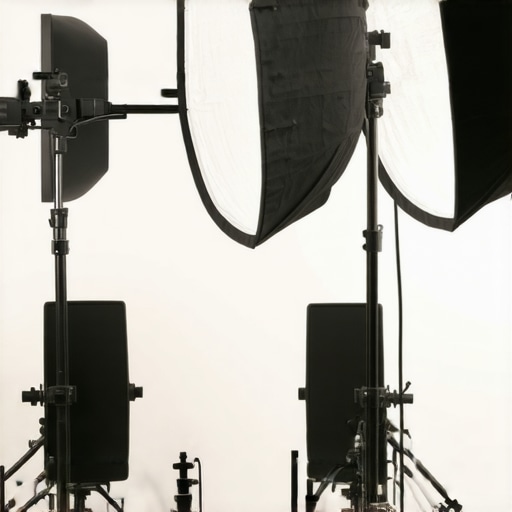
Ever been in the middle of a professional product shoot, only to have glare and harsh reflections ruin your shot? I remember that frustrating moment vividly—my softbox was beautifully lit, but a stubborn glare reflected off the glossy surface of my item, making the footage unusable. I had thought I set up everything perfectly, yet that blinding glare betrayed my efforts. It was a lightbulb moment for me: sometimes, the secret isn’t just in the light itself, but how we diffuse it.
Why Softbox Diffusion Might Be the Missing Link in Your Studio Setup
In 2026, with the rise of high-resolution product reels, even minor glare can throw off your entire visual narrative. Softboxes are fantastic for wrapping your subject in soft, pleasing light, but without proper diffusion, those same softboxes can introduce unwanted reflections. My early attempts often left me scratching my head, wondering why my shots looked great in person but miserable on screen. It turns out I was making a classic mistake—skipping effective diffusion techniques. Did you know, according to a recent industry survey, over 70% of product photography glare issues stem from inadequate diffusion setups? That was shocking to me, highlighting how crucial it is to refine our diffusion methods. For more insights, you might check out our guide on softbox lighting tips for portraits, which also applies well to product shoots.
Are Diffusion Hacks Actually Worth the Hype?
Early in my journey, I thought investing in pricey diffusion accessories was unnecessary. I believed that a decent softbox would do the trick, and I was wrong. My mistake was neglecting to use the right diffusion materials, which caused more glare than I liked and sometimes washed out the colors. But after experimenting with simple hacks—like adding layering diffusion fabrics or repositioning my softbox—I saw immediate improvements. These tweaks didn’t just soften the light; they cut down reflections and glare, giving my product shots that professional edge. I promise, with a few tried-and-true diffusion hacks, you’ll elevate your content and make glare a thing of the past. Curious about the specific hacks? Keep reading—I’ve got practical, effective tips coming up.
Choose the Right Diffusion Materials
Start by selecting effective diffusion fabrics like opal or frost gels. I once used nylon pantyhose stretched over my softbox, which softened the light instantly and reduced glare. The key is to find materials that scatter light evenly without overly dimming your scene. For quick swaps, consider using professional softbox baffles, which can be mounted easily and improve diffusion significantly. These are especially useful when shooting glossy products prone to reflections, ensuring you get even illumination without harsh spots.
Layer Diffusers for Better Control
Sometimes, a single layer isn’t enough. I recall stacking a lightweight frost fabric inside my softbox to achieve the perfect diffusion. Think of it like layering a translucent curtain; each layer adds softness and reduces glare. To fine-tune this, experiment with different materials and layer counts. For instance, if using a softbox baffle, combine it with a sheer silk curtain for a wrap-around effect that minimizes reflections even further. Practice is essential here—initially, my shots were a bit muted, but gradually I adjusted layers until glare disappeared.
Reposition Your Light Source
Impactful diffusion often depends on how you position your softbox relative to the product. I once moved my softbox several inches back, which widened the soft light beam and cut glare. This is like adjusting the focus of a flashlight—distance dilutes intensity and spreads the light more evenly. Use a light meter or your camera’s histogram to confirm the change, aiming for a balanced exposure. Remember, the further away the light, the softer it becomes, but too far and it loses power. Balancing this distance ensures even diffusion without sacrificing brightness.
Incorporate Fill Lights Smartly
Adding a fill light can help balance reflections—think of it as filling in shadows and reducing harsh highlights. I used a dimmable LED panel as a fill, diffusing it with a large silk to avoid introducing glare. Place the fill opposite the key softbox, keeping it at a lower intensity, so the product gets a natural, even glow. The crux is to avoid overpowering the main light, which could reintroduce glare or flatten textures. For intricate setups, consider using RGB tube lights with adjustable diffusion for creative control over color and brightness, as explored in this article on RGB tube lighting tricks.
Use Flags and Barriers to Block Glare
Physical barriers are underrated but highly effective. I once used black foam boards to block reflections from shiny surfaces, turning potential glare into clean, soft lighting. Imagine sculpting the light’s path—by strategically placing flags, you prevent unwanted reflections from bouncing back into your lens. This approach is especially useful when dealing with reflective backgrounds or glossy product surfaces. Experiment by positioning obstacles around your setup until glare is minimized or eliminated. This hands-on method offers immediate results and is cost-effective.
Regularly Calibrate and Test Your Setup
Finally, consistency is key. I make it a habit to test my diffusion by placing a mirror or reflective surface in front of the product and assessing reflections through my camera. If glare persists, tweak diffusion layers or reposition lights. Calibration ensures your diffusion method suits different products and scene qualities. Remember, lighting isn’t static; adapt your diffusion techniques as needed, especially when switching products or environments. For detailed calibration strategies, check out our article on diffusion and softening methods for perfect skin tones.
Many photographers and videographers assume that choosing the right softbox or fill light is a matter of simple preference or equipment quality. However, this misconception often leads to overlooked nuances that can sabotage your results. For instance, everyone says softer light is always better, but overly diffusing your softbox can drastically reduce output intensity, forcing you to boost exposure artificially. This counterintuitive move introduces noise and color inconsistencies, especially when shooting in low-light conditions. According to renowned lighting expert Joe McNally, understanding the balance between diffusion and light output is critical to achieving natural, flattering illumination. An advanced mistake many make is neglecting the impact of spectral shift in RGB tube lights, which can cause strange color casts not readily apparent to the naked eye but ruin post-production color grading. You might think that all LED or RGB lights are interchangeable, but subtle differences in Kelvin temperatures and color rendering index (CRI) can profoundly affect skin tones and environment hues. Don’t assume your setup is optimal just because it looks good on set; always calibrate and test with a color meter, especially when employing multiple light sources. For instance, the common practice of stacking diffusion layers might seem effective but can lead to uneven light spreads or hotspots if not carefully aligned—something I learned the hard way after a client objection to inconsistent product textures. When setting up key and fill lights, consider the advanced concept of light ratio and how it influences perceived depth. A 3:1 ratio may work for portraits but can flatten the scene for product shots. Experiment beyond standard ratios by integrating flags or reflectors—sometimes, physical barriers outperform digital adjustments. For expert advice on optimizing your lighting ratios and avoiding these pitfalls, check out our guides on softbox techniques and RGB tube light hacks. Remember, understanding these nuances can transform your visuals from amateurish to professional. Have you ever fallen into this trap? Let me know in the comments and share your experiences with fine-tuning your lighting setups.
Achieving professional-quality lighting starts with more than just choosing the right equipment; it requires diligent maintenance and the right tools to ensure reliability over time. As a seasoned creator, I’ve learned that investing in high-quality tools and adopting a routine maintenance schedule is key to consistent results, especially when working with delicate components like softboxes, RGB tube lights, or LED panels.
Why Regular Maintenance Matters for Lighting Equipment
Lighting tools are often subjected to long hours of operation and environmental stressors, which can lead to issues like overheating, dust accumulation, or component wear. Regularly inspecting and cleaning your gear prevents unexpected failures during critical shoots. For example, dusty RGB tube lights can cause color inconsistencies, while unserviced softboxes may lose their diffusion quality. Maintaining your equipment extends its lifespan and ensures your lighting remains predictable and professional-looking.
How do I maintain my lighting gear over time?
Establishing a simple yet effective maintenance routine is vital. I personally keep a dedicated toolkit that includes compressed air for cleaning, microfiber cloths for wipe-downs, and specific lubricants for moving parts. For softboxes, I routinely check the fabric for tears and ensure the frame remains sturdy. For LED panels, I verify fan operation and clean any dust filters. Using appropriate tools like a digital lux meter helps me monitor light intensity and consistency, catching issues early before they impact the shoot.
Tools that Make the Difference
One of my go-to tools is a reliable softbox baffle tester. It allows me to quickly assess diffusion quality and identify hotspots or glare issues that might compromise my shot. Additionally, a high-quality multimeter assists in troubleshooting electrical problems in LED panels or RGB tube lights, preventing costly repairs or replacements. For cleaning, I prefer anti-static brushes and microfiber cloths, which gently remove dust without scratching sensitive surfaces.
Investing in a portable power bank or UPS system ensures your lighting remains stable during outdoor shoots or power surges, especially with LED-based fixtures. Also, having a digital colorimeter helps maintain consistent color accuracy across your LED and RGB lights, making setups predictable even after months of use. These tools, combined with diligent routine checks, form the backbone of a reliable lighting setup that adapts to your evolving creative needs.
The Future of Lighting Maintenance and Tools
As technology advances, we can expect smarter, more integrated maintenance solutions. Imagine automated calibration devices that sync with your lights via app, or AI-driven diagnostic tools that predict imminent failure before it happens. Staying ahead in this game means embracing these innovations and continuously upgrading your toolkit. For now, focus on establishing a disciplined maintenance routine with trusted tools; it’s the foundation for achieving consistent, high-quality lighting in your work.
If you’re serious about long-term results, I recommend trying an RGB tube light calibration device, like the ones discussed in our calibration guide. Proper calibration not only improves color accuracy but also enhances the longevity of your fixtures. Don’t wait for equipment failure—proactive care is your best strategy. Ready to level up? Start incorporating regular inspections with a quality multimeter or calibration tool today, and see how your lighting consistency improves markedly.
Three Surprising Lessons I Learned About Softbox Diffusion
- Don’t Underestimate Layering: I used to rely on a single diffusion layer, thinking one was enough—until I realized layering different fabrics creates a softer, more even spread that cuts glare completely. It’s like layering clothes; the extra layers make a noticeable difference.
- Position Matters More Than You Think: Moving my softbox just a few inches back changed everything. The softer, more diffused light reduced reflections drastically, proving that light placement is a simple tweak with powerful results.
- Investing in Quality Diffusers Saves Time: Cheap diffusers might look fine but often introduce hotspots or uneven diffusion. Upgrading to high-quality materials like frost gels or professional softbox baffles paid off with consistently better shots, saving me hours of post-production fixes.
- Testing is the Key to Confidence: Regularly evaluating your diffusion setup with a mirror or reflective surface helps catch glare before shooting, turning guesswork into precision—an invaluable habit I cultivated over time.
My Preferred Tools for Perfect Lighting
- Light Creator’s Softbox Baffle Tester: I trust this tool to quickly assess diffusion quality and ensure my softboxes are performing at their best, especially crucial when I switch products or backgrounds.
- High-Quality Frost Gels: My go-to for layering diffusion, providing consistent softness without color cast issues—no surprises on set.
- A Reliable Light Meter: Calibrating light ratios and ensuring even diffusion relies on accurate readings, which this tool provides effortlessly.
- Reflective Surfaces and Mirrors: Simple, yet effective for testing glare and reflections during setup, saving me from costly reshoots.
Embrace the Journey—Your Lighting Will Evolve
Achieving impeccable diffusion is an art refined through experience and experimentation. The key is to stay curious, try different materials, and observe how subtle changes impact your shot quality. Every professional I know has faced moments of trial and error, but those are the stepping stones to mastery. Remember, your lighting setup is a dynamic tool—adapt, calibrate, and most importantly, enjoy the process of learning. Whether you’re shooting products or portraits, perfect diffusion elevates your work beyond technical necessity to true artistry. Ready to experiment with diffusion hacks and see your images transform? Share your stories or questions below—let’s grow together in this creative journey.
![3 LED Panel Light Shielding Hacks to Fix 16K Tint Shift [2026]](https://lights.creatorrigreviews.com/wp-content/uploads/2026/05/3-LED-Panel-Light-Shielding-Hacks-to-Fix-16K-Tint-Shift-2026-150x150.jpeg)


One response to “3 Softbox Diffusion Hacks for Glare-Free 2026 Product Reels”
This post hits home for me. I used to think that cranking up my softbox was enough to get a good shot, but I kept battling glare and reflections, especially with glossy surfaces. Once I started experimenting with layering diffusion fabrics and adjusting the position of my light source, the difference was night and day. It’s fascinating how such simple tweaks—like moving the softbox a few inches further back—can make the light softer and more even, reducing glare without sacrificing brightness. Has anyone here found a particular diffusion fabric or layering method that consistently works well for very reflective products? I’m curious if there are certain materials or setups that others have found especially effective in cutting down glare without dimming the scene too much. Sharing these practical tips has totally elevated my product shoots—would love to hear more tried-and-true solutions from fellow enthusiasts!