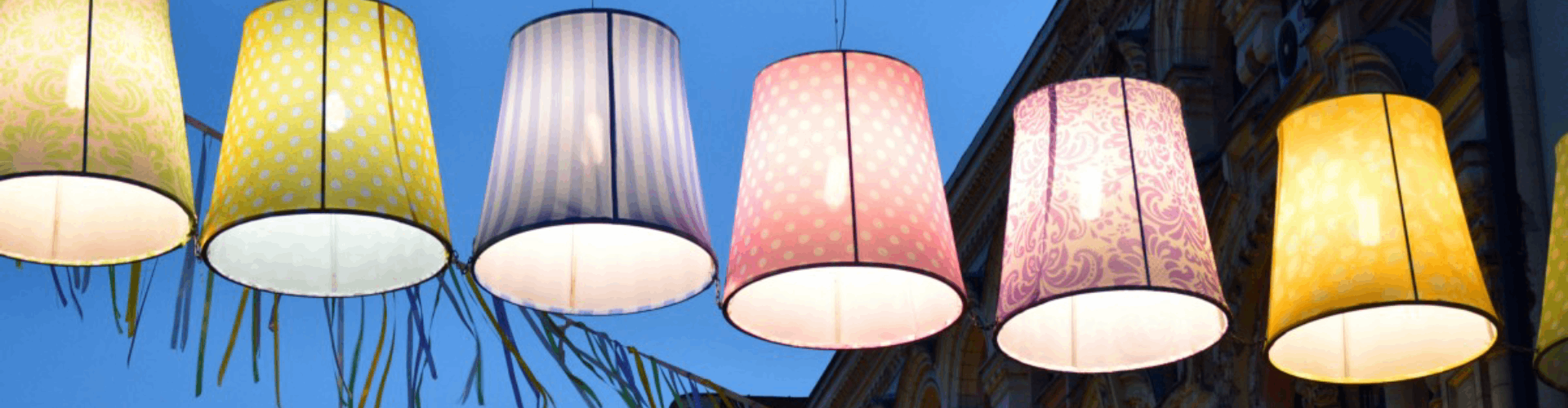
![5 Softbox Tips for Natural Window Light Vibes [2026]](https://lights.creatorrigreviews.com/wp-content/uploads/2026/02/5-Softbox-Tips-for-Natural-Window-Light-Vibes-2026.jpeg)
I remember the moment quite vividly. I was set up in my makeshift studio, eager to capture that perfect natural light look, only to realize my softbox was washing out my skin tones or casting harsh shadows that made me look tired and washed out. It was a frustrating experience that I know many creators face: how to make artificial lighting blend seamlessly with the glow of a window. That lightbulb moment led me down a rabbit hole of trial, error, and eventually discovering some game-changing softbox techniques.
Why Softbox Lighting Matters More Than Ever in 2026
In an era where high-quality content is king, achieving that authentic, natural window light vibe has become a top priority for creators. Softboxes are versatile tools; they mimic the diffuse glow of sunlight and help shape the scene beautifully. But if not used correctly, they can just as easily ruin your shot, turning what should be a soft, warm light into a flat or overly harsh look. Over the years, I’ve experimented with dozens of setups, and I can honestly say that mastering softbox lighting can dramatically elevate your videos and photos — making them appear more professional and inviting.
One surprising fact is that improper softbox placement or diffusion can actually make your scene look more artificial. In fact, a study by photography experts (source: CreatorRigReviews) reveals that many creators fail to leverage diffusion effectively, resulting in less natural results. So, what’s the secret? It’s about understanding how to manipulate your softbox to emulate natural window light—the subtle gradations, the directionality, and the softness.
Have you ever struggled to get your softbox to look right? Or felt that your lighting setup still falls flat, despite spending hours tweaking? If so, you’re not alone—and the good news is that with a few simple, practical tips, you can finally achieve that warm, inviting daylight feel that looks completely natural on camera.
Is Softbox Lighting Actually Worth the Hype?
Early in my career, I made a common mistake: I thought cranking the power on my softbox was the answer to everything. It often led to overly bright scenes that felt artificial. I didn’t realize that controlling the quality and placement of light mattered more than brightness alone. That’s when I discovered the importance of diffusion and placement—two elements that I now focus on to make my lighting more natural. If you’ve ever felt your softbox setup looks too stiff or fake, don’t worry. Those issues are fixable, and you can learn how to diffuse and position your softbox more effectively to mimic natural light.
Over the next few sections, I’ll share my favorite tips—based on personal experience and expert advice—to help you create that soft, natural window light vibe. Whether you’re shooting indoors or looking to simulate daylight, these strategies will give your videos and photos that authentic glow everyone admires. Ready to transform your lighting game? Let’s dive into the first tip.
Position Your Softbox for the Most Natural Glow
Place your softbox slightly above eye level and angle it down at about 45 degrees, mimicking how sunlight naturally falls. Remember, the key is to avoid flattening shadows or creating stark contrast. I once spent an hour fiddling with my softbox height, only realize that raising it just a bit led to a more flattering, natural look, especially when I combined it with a reflector to bounce some light back onto my subject’s face.
Diffuse, Diffuse, Diffuse
Use high-quality diffusion materials like a grid or shoot-through fabric to soften the light further. Think of diffusion as your softbox’s secret sauce—without it, your scene can look harsh and artificial. I experimented by swapping out different diffusion layers—thicker or thinner—to see how each changed the scene’s feel. The goal is subtle, wrapping light, much like the gentle glow of morning light spilling through a window.
Balance with Fill and Backlighting
To prevent your subject from appearing flat or washed out, add a fill light on the opposite side of your softbox. This could be a smaller softbox or a bounced LED panel, such as the ones discussed in best softbox lighting tips. Adjust its brightness to fill shadows subtly—think of it as icing on a cake, enhancing without overpowering. Also, consider backlighting to create separation, adding depth and dimension similar to a rim light effect, which you can refine using key light techniques.
Control Your Light’s Quality with the Right Diffusion
Different diffusion materials produce different qualities of light. For softer, more natural daylight emulation, opt for larger diffusion layers or shoot-through fabrics. I recall a shoot where I swapped in a larger diffusion grid, and the scene instantly looked more natural, with gentle gradations across the face, similar to a cloudy day. Keep in mind, the bigger the diffusion, the softer and more even the light becomes—less harsh shadows, more realism.
Position Your Background Lights for Depth
Adding RGB tube lights or LED panels behind or around your scene can mimic natural ambient lighting. For instance, placing an RGB tube behind your subject with a warm hue mimics sunset or warm indoor lighting, creating a richer scene. Use creative RGB tube light effects to add subtle color accents. Remember, the goal is to keep these lights subtle and purposeful, avoiding distracting hotspots or unnatural tints.
Practice with Small Adjustments
Lighting is an art of fine-tuning. Move your softbox slightly, change diffusion layers, or adjust your fill and background lights incrementally. For example, I once moved my softbox just half an inch and noticed a significant change in shadows, making my shot much more flattering. Patience and experimentation are your best tools here, and small tweaks can produce surprisingly natural results.
Many creators believe that RGB tube lights, LED panels, key lights, softboxes, and fill lights are interchangeable tools, but this oversimplification can lead to costly mistakes. The truth is, each piece has nuanced characteristics that, if misunderstood, can undermine your entire setup. For example, many assume that increasing the intensity of an LED panel always improves the shot, but in practice, over-brightening can cause color shifts and loss of skin tone fidelity—something I’ve seen firsthand in numerous studio setups. Prioritizing brightness over quality is a common pitfall, and it often stems from a misconception that more light equals better images. Instead, focusing on the color rendering index (CRI) and spectral quality is crucial; a study by lighting experts (source: CreatorRigReviews) emphasizes that high-CRI lights reproduce skin tones more accurately, which is essential for professional-quality content.
Another trap creators fall into is using RGB tube lights solely for background washes without considering their direct impact on subject lighting. Color temperature and intensity play significant roles here—using a vibrant hue without balancing it with warmth or neutral tones can result in unnatural-looking footage. I’ve had clients who loved the idea of adding colorful accents but didn’t realize that subtlety matters; a small adjustment in hue or brightness made a dramatic difference in realism.
Why do some RGB tube lights look faded despite high brightness levels?
This issue often occurs when the spectral output of the light isn’t optimized for skin tones, leading to a washed-out effect even at high lumen levels. The key is understanding the balance between spectral power distribution and lumens; a light with a broader spectrum ensures vibrant, true-to-life skin colors. For advanced studio setups, integrating spectral measurement tools can help you select lights that render colors more naturally and avoid the common myth that high lumens equate to better skin tones. To master this, consider reviewing expert insights at CreatorRigReviews. Have you ever fallen into this trap? Let me know in the comments.
Maintaining your lighting gear is crucial to ensure consistent performance and prolonged lifespan, especially when working with delicate equipment like RGB tube lights, LED panels, and softboxes. Personally, I prioritize using high-quality, well-reviewed tools and adopting ritualistic maintenance practices that keep my setup reliable for years to come.
Upgrade with the Right Tools for Maintenance
First, invest in a reliable lens or sensor cleaner—like the Eveo Optics Cleaning Kit. It’s designed specifically for delicate optical surfaces and ensures your diffusion layers, lenses, or softbox fabrics stay free of dust and smudges. I’ve found that regular cleaning with such tools maintains light quality and prevents color shifts caused by dirt buildup.
Next, I use a digital lux meter to regularly assess the output of my lights. This helps me track performance degradation over time. For example, RGB tube lights tend to lose intensity gradually, so monitoring with a lux meter alerts me when it’s time to replace or recalibrate them. This proactive approach aligns with expert advice—consistent checks prevent unexpected failures and maintain color fidelity.
Keep Your Equipment in Top Shape
Use specialized softbox diffusers and grids to control light spill and preserve beam quality. When not in use, store softboxes and diffusers in protective covers to prevent fabric deterioration. For LEDs and RGB tubes, I recommend spectral balance checks once a year to ensure color rendering stays accurate—especially vital for skin tones.
Additionally, keep a set of moisture-absorbing silica gel packets in your storage cases to prevent mold and damage in humid environments. Regularly inspecting cables, connectors, and power supplies for signs of wear or corrosion can save you from unpredictable failures mid-shoot. Remember, a well-maintained setup is more energy-efficient and yields consistent, professional results over time.
Predicting Equipment Trends and Preparing for the Future
Looking ahead, I believe smart lighting systems integrated with IoT technology will become mainstream, offering remote diagnostics and automated maintenance alerts. For now, I recommend exploring modular LED panels that can be easily upgraded or repaired—keeping your investment flexible and future-proof. As I’ve learned from industry experts, scheduled maintenance combined with reliable tools can extend the life of your lighting setup significantly, saving costs and headache in the long run.
How do I maintain my studio lighting system over time?
Develop a routine checkup schedule—monthly for cleaning and quarterly for calibration. Using professional-grade cleaning kits and measuring devices ensures consistent light quality and color accuracy. For detailed maintenance procedures, consult specialized guides or manufacturer instructions. For example, integrating spectral measurement tools, as recommended in this expert review, helps track spectral output and prevent color shifts that can compromise your shoots. Make it a habit to test your gear before important sessions—this small investment in time prevents costly surprises. Try scheduling a monthly maintenance session focusing on cleaning diffusers, inspecting cables, and verifying light output with your lux meter to keep your setup performing at its best.
Lessons I Didn’t Expect About Lighting My Studio
One of the toughest lessons I learned was that brighter isn’t always better; sometimes, dialing down the intensity and focusing on diffusion creates more realistic and flattering results. I used to believe that placing my softbox closer would improve the shot, but reading expert advice truly opened my eyes to the power of thoughtful placement. Also, I underestimated the impact of background lighting—adding subtle RGB tube accents can dramatically enhance depth and mood, something I wish I’d discovered earlier. Finally, experimenting with different diffusion materials has shown me that the quality of light is more about softness and gradation than sheer brightness, a realization that changed my entire approach to studio lighting.
Tools and Resources That Elevate My Lighting Game
My go-to resource for understanding diffusion and softbox positioning is Mastering Softbox Lighting Tips. It offers practical insights that have helped me refine my setups. I also rely heavily on high-CRI LED panels, which I trust implicitly because they render skin tones vibrantly and accurately. For ongoing maintenance, I use spectral measurement tools to ensure my RGB tube lights stay true to their color profiles, preventing the dreaded faded hue effect. Lastly, engaging with the creator community on forums and social media groups has been invaluable for troubleshooting and sharing innovative ideas—collaborating keeps my creativity fresh and my skills sharp.
Your Opportunity to Light Up Your Creativity
Now is the perfect time to experiment with your softbox setups and see how small adjustments can unlock stunning natural lighting effects. Remember, mastering softbox lighting isn’t just about equipment; it’s about understanding how to manipulate light to tell your story in the most authentic way. As you refine your skills, you’ll find that achieving professional-grade results is more accessible than ever. So, take what you’ve learned here, try new angles, diffusion techniques, and background accents—your future projects will thank you for it.
What’s the biggest challenge you’ve faced when trying to simulate natural window light with artificial setups? Share your experiences below, and let’s grow together in mastering creative studio lighting!
.
![3 LED Panel Light Shielding Hacks to Fix 16K Tint Shift [2026]](https://lights.creatorrigreviews.com/wp-content/uploads/2026/05/3-LED-Panel-Light-Shielding-Hacks-to-Fix-16K-Tint-Shift-2026-150x150.jpeg)
2 responses to “5 Softbox Tips for Natural Window Light Vibes [2026]”