![Why Your RGB Tube Light Looks Fake: 3 Pro Diffusion Fixes [2026]](https://lights.creatorrigreviews.com/wp-content/uploads/2026/02/Why-Your-RGB-Tube-Light-Looks-Fake-3-Pro-Diffusion-Fixes-2026.jpeg)
Have you ever turned on your RGB tube light, only to be hit with that odd, unnatural glow? I remember spending hours tweaking my setup, convinced I was missing some secret ingredient to make my lighting look professional. But no matter what I tried, the colors always seemed to fall flat or look overly synthetic. That frustrating realization was a lightbulb moment for me—literally. I discovered that the key lay not just in the light itself, but in how I diffused and positioned it. If you’ve faced this struggle with your RGB tube lights, you’re not alone—and today, I promise to share the exact fixes that turned my setup from fake-looking to studio-quality.
The Hidden Power of Diffusion in RGB Lighting
When your RGB tube light appears fake or overly synthetic, it’s often because the light’s diffusion isn’t doing its job. Especially in 2026, with so many cheap softboxes and diffusers flooding the market, it’s tempting to think that just turning on the light is enough. But the truth is, the quality and method of diffusion can make or break the realism of your lighting. I used to think that covering my lights with flimsy plastic or skipping diffusors altogether was saving me time, but the results were disappointing—harsh shadows, color clumping, and that unmistakable plastic skin effect. Once I started applying professional diffusion techniques, my RGB tube light’s glow started blending more naturally with the scene. For detailed softening tips that go beyond the basics, check out this comprehensive guide.
Are diffusion hacks really worth the extra effort?
Initially, I worried that adding diffusion layers would soften my vibrant RGB effects or dull the colors—I thought it would ruin my creative edge. That was a mistake early in my journey. As I learned, proper diffusion not only makes colors look more authentic but also prevents that plastic or painted-on appearance. Think of diffusion as the bridge between your high-tech light and a natural-looking scene. Without it, even the best RGB tube light can come off looking gimmicky. If you want your colors to pop without appearing fake, mastering diffusion is an absolute game-changer. And the best part? Applying diffusion doesn’t have to be complicated or expensive. Small tweaks like using a diffusion sleeve or a quality softbox can radically improve your results. For more insights, explore this softbox diffusion guide.
Now, let’s dive into the specific diffusion hacks that will elevate your RGB lighting and banish that fake glow once and for all. Stick with me—these are the secrets the pros use, and they work like magic.
Choosing the Right Diffuser Materials
Start with a thick, frosted acrylic panel or a quality diffusion sleeve. During my shoot, I replaced a flimsy plastic cover with a matte acrylic sheet, which instantly softened the harsh RGB glow and reduced color clumping. Think of diffusion as dressing your light in a soft, breathable fabric; it allows light to pass through while smoothing out imperfections. Avoid cheap plastic films, as they can introduce color shifts and uneven spreads. A good diffuser material ensures your colors stay vibrant and look authentic, not artificial.
Positioning Your Diffuser Effectively
Place your diffuser close to the light source, about 2-5 inches away, for a more uniform and gentle spread. During one messy attempt, I hung a diffusion cloth over a softbox too far away, which caused uneven light spots and diminished color vibrancy. Think of it like a shaded umbrella—closer diffusion creates a softer, more consistent glow. For RGB tube lights, attaching a diffusion sleeve directly over the tube or using a softbox significantly blurs the edges, mimicking natural light and eliminating plastic-like reflections.
Layering Diffusion for a Softer Look
Use multiple layers of diffusion if the light is still too harsh. I experimented with stacking a soft, translucent diffusion fabric over my primary diffuser, achieving that perfect cinematic depth. Each additional layer reduces light intensity and modifiers contrast, giving you soft, dreamy tones. Be careful not to overdo it, as too much diffusion can dull your colors. A balanced approach—like the two-layer method—ensures vibrant yet soft lighting.
Guide Your Colors With Diffusion
Remember, diffusion affects more than just softness; it influences color saturation. During a stubborn shoot, I noticed my RGB hues were muddy after adding a diffusing layer; reducing the diffusion layer improved saturation. Think of diffusion as the filter that determines how intensely your colors pop. Using specific diffusion materials designed for RGB lighting helps preserve vibrancy, preventing that washed-out or fake look. If you’re struggling with dull colors, check out this softbox diffusion guide for expert advice.
Test and Adjust in Real-Time
Set up your diffusion elements, then observe the effect through your camera’s viewfinder or monitor. Small tweaks—moving the diffuser closer, adding or removing layers—can dramatically change the outcome. I once spent 15 minutes in the midst of a shoot adjusting diffusion layers, finally settling on a medium-density fiber sheet right in front of my RGB tube light. The result? Natural, studio-quality glow that seamlessly blended with my scene. Testing on the fly allows you to dial in the perfect softness, color vibrance, and realism for every shot, avoiding the trap of static, artificial lighting.
Integrate Softboxes, Sleeves, and Shields
Combine diffusion approaches with tools like softboxes or diffusion sleeves. During a recent project, I slid a diffusion sock over my RGB tube and fitted it within a softbox, which provided both directional control and smooth diffusion. Think of this like adding multiple layers of clothing—each layer enhances comfort and performance. For small spaces, softboxes with diffusion panels help maintain control over spill and spill, making your lighting look professional while preserving authenticity. For more advanced techniques, take a look at this comprehensive softbox guide.
Many enthusiasts and even professionals often fall prey to misconceptions about essential lighting tools like softboxes, RGB tube lights, LED panels, fill lights, and key lights. Let’s dig deeper into what most people get wrong and uncover the subtle nuances that can elevate your lighting setup. A prevalent myth is that bigger or more powerful lights automatically produce better results. In reality, controlling light quality and direction is more crucial than sheer intensity. For instance, a softbox isn’t just about size; the diffusion material, shape, and placement determine the softness and naturalness of the light, as explained in this guide.
Another common misconception involves RGB tube lights. Many assume that higher lumen output equals better color blending, but this overlooks how diffusion and placement impact the final look. An overpowered RGB tube with poor diffusion can create harsh splashes of color, leading to an unnatural appearance. Mastering the art of diffusion and layering is key—something I explore in detail in the softbox tutorials.
When it comes to LED panel lights, a typical mistake is believing that their high brightness can compensate for poor color rendering or uneven spread. As shown in this article, understanding the color temperature and diffusion options enhances realism and prevents washed-out skin tones.
Fill and key lights are often misused by beginners, who think positioning is just about illuminating the subject. However, subtle angles and diffusion layers dramatically influence depth, texture, and mood. For example, placing a fill light too close may flatten facial features, while too far results in insufficient fill—these are pitfalls I’ve encountered firsthand. Fine-tuning these variables, as discussed here, makes a significant difference.
**Beware of the trap of relying solely on powerful equipment without understanding their nuanced qualities.** An over-illuminated scene can lose its natural feel; even the best LED panels or softboxes can fail if diffusion and placement aren’t thoughtfully executed. Additionally, the idea that all diffusion fabrics are equal is false. Incorporating professional-grade diffusion materials can preserve color vibrancy, a detail often overlooked in beginner setups. Studies on light diffusion, such as those referenced in this research, highlight how material choices influence softening quality.
Finally, don’t forget the importance of real-time testing and adjustment. Relying on assumptions rather than visual feedback can lead to subpar results. Moving your lights or diffusion layers slightly can unlock dramatic improvements, a technique I suggest trying before every shoot.
Have you ever fallen into this trap? Let me know in the comments. Remember, mastering subtlety can turn basic gear into professional-quality results, so stay curious and experiment with the nuances I’ve shared here.
Investing in quality lighting equipment like softboxes, RGB tube lights, LED panels, fill lights, and key lights is only half the battle. The real challenge lies in maintaining these tools over time to ensure consistent, professional results. Regular upkeep not only extends the lifespan of your gear but also preserves the integrity of your lighting, preventing costly replacements or subpar output. In this section, I’ll share specific maintenance routines, recommended tools, and future-proofing tips that have kept my studio running smoothly for years.
How do I maintain my lighting setup over time?
Start with a clean environment—dust, dirt, and humidity are the enemies of all electronic equipment. Use a soft microfiber cloth and compressed air (preferably an air blower) to gently remove dust from your softbox diffusers, LED panels, and RGB tube lights. For example, regularly cleaning the diffusion material of your softboxes with a gentle vacuum helps prevent buildup that can impact light quality. When it comes to the electronics, inspect power cords, switches, and connectors monthly for signs of wear or damage. For longevity, I recommend having a dedicated surge protector for all your gear, especially during unpredictable electrical storms or power fluctuations. These simple practices ensure your lights perform at their best and avoid unexpected failures.
Another crucial aspect is calibration. Over time, LED lights can drift in color temperature and brightness. Periodic calibration with a light meter and a colorimeter will help maintain color accuracy. I personally recommend the RGB tube light calibration techniques outlined here, which are straightforward and effective for home studios. Calibration not only guarantees consistent results but also saves you from costly re-shoots due to color mismatches.

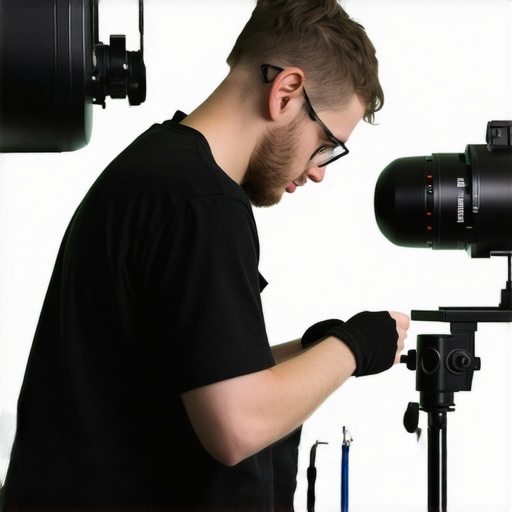
For softboxes and diffusers, I use a specialized cleaning solution and a soft brush to keep the diffusion layers clear and free of static buildup. It’s also important to store components properly—use labeled containers or dedicated storage drawers to keep accessories organized and protected from dust and accidental damage. When moving your lights for location shoots, always handle with care, avoiding excessive force on fragile parts.
What tools will make my maintenance easier?
Investing in quality tools pays dividends. A portable toolkit with screwdrivers, pliers, and cable testers makes on-the-fly repairs straightforward. I rely on a digital lux meter to measure light intensity during calibration and spot potential issues early. For cleaning, a compressed air can, soft lint-free cloths, and diffusion-specific cleaning solutions are indispensable. Additionally, a sturdy, padded carrying case for your softboxes and LED panels makes transport safer and reduces the risk of damage. Remember, diligent maintenance isn’t just about prolonging lifespan but also about keeping your lighting consistent and predictable for every shoot.
Looking ahead: Will my tools keep up with stalled innovations?
As the industry moves towards smarter, more integrated lighting systems—like Wi-Fi enabled RGB panels and AI-assisted calibration—your maintenance paradigm will evolve. Staying updated with firmware updates and using manufacturer-approved calibration devices will ensure you’re leveraging the latest advancements. For example, some LED panels now include built-in calibration sensors that self-adjust based on ambient conditions, reducing manual effort. Regularly checking manufacturer support pages and software updates will help you keep your gear performing optimally for years to come.
Start by integrating a routine calibration session with your existing setup—this is one of the most effective ways to keep your lighting consistent. Try the tip of comparing your light readings before and after calibration; it’s simple but powerful in maintaining quality over the long haul. Remember, the key to long-term success isn’t just buying top-tier gear but caring for it with the right tools and habits. For more detailed tips on calibration tools, visit the RGB tube light maintenance guide.
Uncover the Unexpected Truths Behind Professional Lighting
One of the most eye-opening lessons I learned was that even the most powerful lights fall flat without proper diffusion and placement. I used to believe that brute force—turning up the brightness—would solve all my problems. But I discovered that subtlety and nuance are what truly elevate your lighting—small adjustments in diffusion layers or angles can make your scene come alive.
Another insight came from realizing that quality diffusers don’t have to break the bank. Using high-quality diffusion sleeves or thick frosted acrylic sheets transformed my RGB tube light’s output, giving me that authentic, natural glow I was chasing. This taught me that investing in the right materials can save hours of post production and frustration.
Finally, I learned that real-time testing and patience are invaluable. Instead of relying solely on static setups, pausing to observe how changes affect the scene allowed me to fine-tune my lighting, ensuring consistency across shoots. These lessons underscored that mastering diffusion and placement isn’t just about equipment—it’s about a mindset of curiosity and continuous improvement.
Tools and Resources That Elevate My Craft
I’ve found that certain tools have become indispensable in my lighting journey. The ultimate guide to softbox lighting changed how I think about diffusion and positioning, helping me achieve softer, more natural results. A reliable LED panel with adjustable color temperature and brightness allows me to adapt quickly without sacrificing quality.
For maintaining my gear, I trust a quality microfiber cloth and compressed air, which keep my diffusers and softboxes spotless, preserving the light quality over time. Lastly, calibrating my lights with a trustworthy light meter and colorimeter ensures consistent color rendering across projects. These tools, combined with ongoing education, empower me to craft scenes that truly resonate.
Your Next Step to Mastery
Lighting isn’t just about equipment; it’s a creative dialogue between what you have and what you want to achieve. By embracing the subtle art of diffusion and positioning, you open new horizons for your scenes—whether you’re shooting a high-energy vlog or a cinematic interview. Remember, the journey to great lighting is ongoing, and each small tweak brings you closer to that professional look you desire. Dare to experiment, stay curious, and watch your craft flourish.
What’s your biggest challenge with diffusion or placement? Share your experiences below—I’d love to hear your story and help you find solutions!
![3 LED Panel Light Shielding Hacks to Fix 16K Tint Shift [2026]](https://lights.creatorrigreviews.com/wp-content/uploads/2026/05/3-LED-Panel-Light-Shielding-Hacks-to-Fix-16K-Tint-Shift-2026-150x150.jpeg)