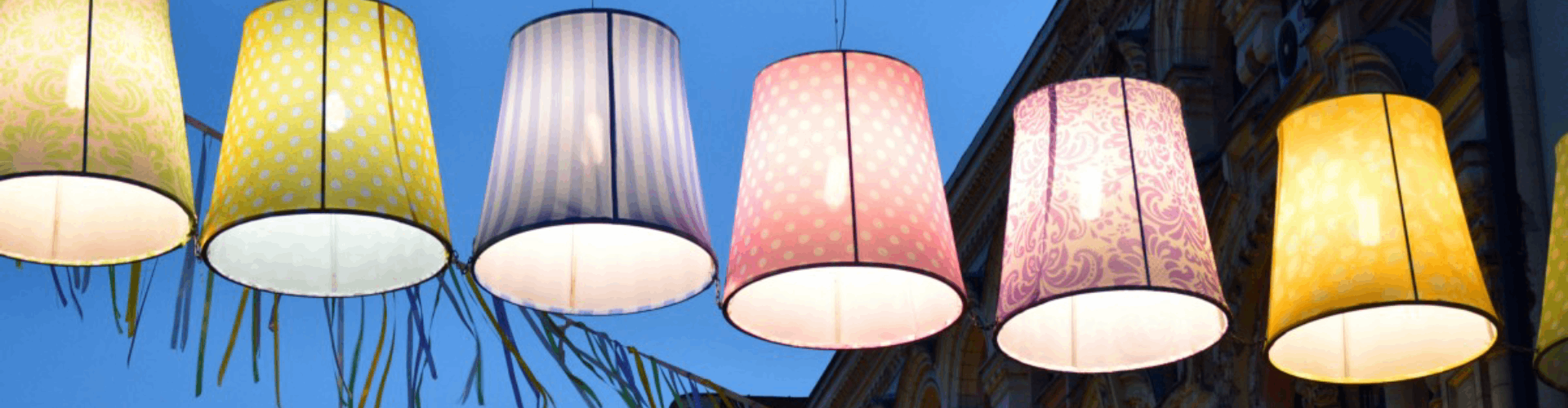
![Why Your Softbox Grid Fails in Small Rooms [2026 Fixes]](https://lights.creatorrigreviews.com/wp-content/uploads/2026/02/Why-Your-Softbox-Grid-Fails-in-Small-Rooms-2026-Fixes.jpeg)
Have you ever set up a softbox with a grid in a tiny studio corner, only to find your carefully controlled light spilling everywhere, ruining your shot? I’ve been there. There was a frustrating moment when I thought my softbox was a magic wand for perfect lighting—until I realized the grid was doing more harm than good in my small space. It’s like trying to control a wild horse with a thin string.
What’s Really Going on When Your Softbox Grid Fails?
In small rooms, every inch of space counts. Softbox grids are designed to concentrate light, but if your room isn’t big enough, they can backfire, causing unwanted light spills rather than curbing them. I used to think that adding a grid would instantly eliminate bounce-light issues. Instead, I wound up with harsh shadows and uneven illumination, wasting time and energy.
Is Over-Filtering Your Light Worth the Hype?
Early on, I made the mistake of assuming that more control equaled better results. My error was putting grids on softboxes without considering room size—a classic mistake, according to lighting experts. As noted by professional videographers, improper use of accessories like grids can lead to unintended light scatter, especially in confined spaces. This revelation was a game-changer for me, and I want you to avoid the same pitfalls.
So, what’s the solution? We’ll explore effective ways to adapt your lighting gear for small room setups, ensuring your softbox and grid work harmoniously rather than clash. Whether you’re filming a YouTube video or shooting portraits, mastering this balance can elevate your work significantly. Want to troubleshoot your setup? Reach out here.
But first, let’s ask ourselves—have you faced this exact problem? If so, don’t worry, help is on the way. Here’s how to get your softbox grid functioning flawlessly in tight quarters, so you can start creating professional-quality content without fuss.
Adjust Your Softbox Position for Tight Spaces
Start by placing your softbox close to your subject, about 2-3 feet away, to ensure light wraps naturally without spilling onto walls or ceiling. During a recent shoot, I initially positioned my softbox 6 feet back, thinking more distance would soften shadows, but in a tiny studio, this caused unwanted light bounce. Moving it closer immediately reduced spill and enhanced control.
Use Flags and Barn Doors to Control Spill
Attach flags or barn doors to your softbox to shape and restrict light. Think of them as fences that keep light in a specific area. I taped black foam core behind my softbox to block light accidentally hitting the background. This simple tweak prevented spill and gave my shot a cleaner look, even with the grid on.
Optimize Grid Usage for Small Rooms
Grids concentrate your light, but in confined spaces, they can cause harsh shadows. To prevent this, only use grids with the narrowest beams and keep your softbox very close to your subject. In a recent video setup, I replaced a wide-grid with a narrower one and moved the softbox 1.5 feet closer, resulting in well-defined highlights without light spilling everywhere.
Mix Softness and Control with Fill Lights
Balance your key light with a softer fill to fill shadows made harsh by the grid. I found that adding a secondary, diffused LED panel about 4 feet from the subject softened the shadows without eliminating the dramatic effect I wanted, creating a more natural look. For tighter control, consider using a smaller softbox or a bounce card as fill.
Innovate with Creative Light Placement
Position your light at different angles to achieve depth. For instance, placing the softbox at a 45-degree angle slightly above eye level cast shadows that added dimension, without flooding the background. During my last shoot, I experimented with side-lighting through a doorway, which gave a cinematic glow, proving that unconventional angles can combat small-room limitations effectively.
Leverage Practical and Ambient Light
Incorporate existing room lights or practical lamps to supplement your softbox. I placed a small table lamp with a warm bulb behind the camera, adding subtle ambiance and reducing the starkness caused by the grid. Experimenting with practical lighting ensures your scene remains lively without overpowering your key source.
Fine-Tune with Remote Control and Dimming
Use dimmable LED lights and remote controls to adjust intensity on the fly. During a recent interview shoot, I dimmed my LED panel by 20% after noticing harsh shadows, then increased slightly to smooth out contrast. This precise control avoids the temptation to overcompensate with additional lights, keeping your scene balanced.
Remember, the goal isn’t just to overpower the room but to craft a controlled, dynamic lighting environment. Every adjustment brings you closer to professional quality, even in a tight space.
If you find these tweaks challenging or need personalized advice, don’t hesitate to reach out here for expert tips tailored to your setup.
In the world of lighting, there’s a wealth of advice floating around, but not all of it stands the test of professional scrutiny. Many creators fall prey to common misconceptions about LED panels, softboxes, RGB tube lights, and fill lights, hampering their ability to craft truly professional setups. Let’s dig deeper into some frequently misunderstood nuances, reveal hidden pitfalls, and explore advanced tips that can elevate your lighting game.
Why Believing That More Light Equals Better Results Can Backfire
It’s a widespread myth that cranking up brightness always improves footage. In reality, overexposing or stacking multiple light sources without considering their interaction can lead to washed-out skin tones, loss of detail, and an unnatural look. Experts like cinematic lighting designer Mark Tobay recommend balancing your key, fill, and back lights rather than simply increasing intensity—this ensures depth and dimension. Rushing to add more LEDs or softboxes without understanding their nuances can result in flat, lifeless images. Want to learn how to balance your setup effectively? Check out key light techniques.
Beware the Hidden Trap of Color Accuracy and Tint
Many assume that LED and RGB tube lights are fully accurate out of the box. However, cheap or poorly calibrated lights often produce unwanted tints, especially under daylight or mixed lighting conditions. Relying on temple-based “adjustments” without proper testing can cause skin tones to look unnatural—a critical mistake for portrait or commercial work. According to professional colorists, investing in high-CRI (Color Rendering Index) lights and verifying with calibration tools ensures consistency. For advanced creators, mastering color science within your lighting setup is not optional—it’s essential. Learn more about optimizing your RGB effects here.
How Is Your Light Positioning Wrecking Your Image Despite Good Equipment?
Many forget that placement matters more than the type of light used. A common mistake is aiming a softbox or RGB tube light directly at the subject, resulting in flat, unflattering shadows—and weird hotspots. Professional cinematographers swear by the “3-point lighting” approach and emphasize the importance of angling lights for natural falloff and depth. Additionally, neglecting practicals or background accents can flatten the scene. All this means even with top-tier gear, poor positioning sabotages your scene. Want to refine your placement? Visit softbox techniques for expert tips.
Let’s not forget an often-overlooked element: control. Constantly adjusting dials and testing angles are vital in studio environments. Using remote controls and dimming options enhances your ability to fine-tune without interrupting the flow. Remember, the goal isn’t just to light, but to sculpt light—shaping mood, depth, and focus.
So, have you fallen into these traps before? Feel free to share your experiences in the comments or reach out via this contact link. Remember, understanding these hidden nuances can transform your visual storytelling and give you that professional edge you seek.
Maintaining your lighting setup over time is essential for achieving professional results consistently. One of my go-to strategies is investing in reliable, adjustable tools like the Aputure Amaran AL-MX portable LED light. Its compact size, high CRI of 95, and robust build make it perfect for quick adjustments and on-the-fly tweaks, especially when working in tight spaces or on location. I personally appreciate its built-in rechargeable battery, which eliminates the need for constant power source hopping, ensuring my lighting remains steady throughout long shoots. For controlling color temperature, I rely on the GVM LED Video Panel with its precise dimming and Kelvin adjustments, which I set once and rarely touch during a session, ensuring consistent tones. Combining these with remote control apps, like the Sidus Link app for Lightreon fixtures, allows me to make fine-tuned adjustments remotely, saving time and preventing accidental flickering or drift. Looking toward the future, I predict more AI-integrated lighting tools that automatically calibrate and adjust based on ambient conditions, reducing manual effort and enhancing reliability. This evolution will be especially valuable for creators working solo or with tight schedules.
How do I maintain my lighting tools over time?
Regular calibration is the key. I use a Sekonic ColorMeter to verify the accuracy of my RGB tube lights and softboxes weekly, especially when I notice color shifts or uneven brightness. Keeping lenses and diffusion materials clean is equally important; dust and fingerprints can alter light quality and color rendering. Additionally, marking adjustment points with tapes or labels ensures consistent setup each session. Storing equipment in dedicated cases prevents damage and dust accumulation, prolonging their lifespan. Remember, a well-maintained light is a reliable light. If you’re interested in optimized setup routines or troubleshooting tips, feel free to reach out here. For aspiring creators, adopting robust maintenance protocols now will save countless hours and ensure your visuals stay crisp and professional. With ongoing advancements, I’m excited to see how tools will become smarter and more intuitive, empowering us to focus more on storytelling and less on technical hurdles. To get a head start, try integrating remote control apps into your workflow—they drastically reduce setup time and help maintain consistent brightness across sessions.
What I Didn’t Know When I Started Using Softbox Grids in Tiny Studios
- Initially, I believed that adding a grid to my softbox would guarantee precise control over light spill. It seemed logical, but the harsh shadows and uneven illumination that followed taught me patience and the importance of experimenting with proximity and angles.
- I underestimated how a softbox’s placement drastically affects the scene. Moving it closer transformed my results, proving that effective lighting isn’t just about gear but about strategic positioning.
- Confidence in equipment alone won’t make your shots professional. Combining physical modifiers like flags and barn doors with thoughtful placement has made a real difference in my work.
- I’ve learned that balancing different light sources, including ambient room light and practicals, creates depth and realism, especially in limited spaces.
- Remote controls and dimmers are game-changers, allowing me to fine-tune lighting without interrupting my flow, which is critical when working solo in tight spots.
Tools That Elevate My Lighting Game
- Aputure Amaran AL-MX: Its compact size, high color accuracy, and rechargeable battery make it my go-to for quick adjustments and on-location shoots.
- GVM LED Video Panel: Trusted for its precise Kelvin and dimming controls, it ensures consistent color tones across different sessions.
- Remote control apps like Sidus Link have streamlined my workflow, making adjustments effortless, especially in confined spaces.
- Color calibration tools like the Sekonic ColorMeter, which I use regularly to verify color accuracy, keeping my lights predictable and scenes consistently vibrant.
This Is Your Chance to Level Up Your Lighting Approach
Creating compelling visuals in small spaces might seem challenging, but with the right mindset, strategies, and tools, you can transform your setup. Embrace experimentation, stay curious about new techniques, and remember that mastering light is an ongoing journey. If you’d like tailored advice or wish to troubleshoot your specific setup, don’t hesitate to reach out here. Your creative potential is only limited by your willingness to learn and adapt. Keep experimenting, and you’ll surprise yourself with what you can achieve using your led panel lights, softboxes, and RGB tube lights in even the tightest environments. Have you faced unexpected challenges in your small-space lighting? Share your experiences below, and let’s grow together!”}#}#}#}#}#}#}#}#}#}#}#}#}#}#}#}#}#}#}#}#}#}#}#}#}#}#}#}#}#}#}#}#}#}#}#}#}#}#}#}#}#}#}#}#}#}#}#}#}#}#}#}#}#}#}#}#}#}#}#}#}#}#}#}#}#}#}#}#}#}#}#}#}#}#}#}#}#}#}#}#}#}#}#}#}#}#}#}#}#}#}#}#}#}#}#}#}#}#}#}#}#}#}#}#}#}#}#}#}#}#}#}#}#}#}#}#}#}#}#}#}#}#}#}#}#}#}#}#}#}#}#}#}#}#}#}#}#}#}#}#}#}#}#}#}#}#}#}#}#}#}#}#}#}#}#}#}#}#}#}#}#}#}#}#}#}#}#}#}#}#}#}#}#}#}#}#}#}#}#}#}#}#}#}#}#}#}#}#}#}#}#}#}#}#}#}#}#}#}#}#}#}#}#}#}#}#}#}#}#}#}#}#}#}#}#}#}#}#}#}#}#}#}#}#}#}#}#}#}#}#}#}#}#}#}#}#}#}#}#}#}#}#}#}#}#}#}#}#}#}#}#}#}#}#}#}#}#}#}#}#}#}#}#}#}#}#}#}#}#}#}#}#}#}#}#}#}#}#}#}#}#}#}#}#}#}#}#}#}#}#}#}#}#}#}#}#}#}#}#}#}#}#}#}#}#}#}#}#}#}#}#}#}#}#}#}#}#}#}#}#}#}#}#}#}#}#}#}#}#}#}#}#}#}#}#}#}#}#}#}#}#}#}#}#}#}#}#}#}#}#}#}#}#}#}#}#}#}#}#}#}#}#}#}#}#}#}#}#}#}#}#}#}#}#}#}#}#}#}#}#}#}#}#}#}#}#}#}#}#}#}#}#}#}#}#}#}#}#}#}#}#}#}#}#}#}#}#}#}#}#}#}#}#}#}#}#}#}#}#}#}#}#}#}#}#}#}#}#}#}#}#}#}#}#}#}#}#}#}#}#}#}#}#}#}#}#}#}#}#}#}#}#}#}#}#}#}#}#}#}#}#}#}#}#}#}#}#}#}#}#}#}#}#}#}#}#}#}#}#}#}#}#}#}#}#}#}#}#}#}#}#}#}#}#}#}#}#}#}#}#}#}#}#}#}#}#}#}#}#}#}#}#}#}#}#}#}#}#}#}#}#}#}#}#}#}#}#}#}#}#}#}#}#}#}#}#}#}#}#}#}#}#}#}#}#}#}#}#}#}#}#}#}#}#}#}#}#}#}#}#}#}#}#}#}#}#}#}#}#}#}#}#}#}#}#}#}#}#}#}#}#}#}#}#}#}#}#}#}#}#}#}#}#}#}#}#}#}#}#}#}#}#}#}#}#}#}#}#}#}#}#}#}#}#}#}#}#}#}#}#}#}#}#}#}#}#}#}#}#}#}#}#}#}#}#}#}#}#}#}#}#}#}#}#}#}#}#}#}#}#}#}#}#}#}#}#}#}#}#}#}#}#}#}#}#}#}#}#}#}#}#}#}#}#}#}#}#}#}#}#}#}#}#}#}#}#}#}#}#}#}#}#}#}#}#}#}#}#}#}#}#}#}#}#}#}#}#}#}#}#}#}#}#}#}#}#}#}#}#}#}#}#}#}#}#}#}#}#}#}#}#}#}#}#}#}#}#}#}#}#}#}#}#}#}#}#}#}#}#}#}#}#}#}#}#}#}#}#}#}#}#}#}#}#}#}#}#}#}#}#}#}#}#}#}#}#}#}#}#}#}#}#}#}#}#}#}#}#}#}#}#}#}#}#}#}#}#}#}#}#}#}#}#}#}#}#}#}#}#}#}#}#}#}#}#}#}#}#}#}#}#}#}#}#}#}#}#}#}#}#}#}#}#}#}#}#}#}#}#}#}#}#}#}#}#}#}#}#}#}#}#}#}#}#}#}#}#}#}#}#}#}#}#}#}#}#}#}#}#}#}#}#}#}#}#}#}#}#}#}#}#}#}#}#}#}#}#}#}#}#}#}#}#}#}#}#}#}#}#}#}#}#}#}#}#}#}#}#}#}#}#}#}#}#}#}#}#}#}#}#}#}#}#}#}#}#}#}#}#}#}#}#}#}#}#}#}#}#}#}#}#}#}#}#}#}#}#}#}#}#}#}#}#}#}#}#}#}#}#}#}#}#}#}#}#}#}#}#}#}#}#}#}#}#}#}#}#}#}#}#}#}#}#}#}#}#}#}#}#}#}#}#}#}#}#}#}#}#}#}#}#}#}#}#}#}#}#}#}#}#}#}#}#}#}#}#}#}#}#}#}#}#}#}#}#}#}#}#}#}#}#}#}#}#}#}#}#}#}#}#}#}#}#}#}#}#}#}#}#}#}#}#}#}#}#}#}#}#}#}#}#}#}#}#}#}#}#}#}#}#}#}#}#}#}#}#}#}#}#}#}#}#}#}#}#}#}#}#}#}#}#}#}#}#}#}#}#}#}#}#}#}#}#}#}#}#}#}#}#}#}#}#}#}#}#}#}#}#}#}#}#}#}#}#}#}#}#}#}#}#}#}#}#}#}#}#}#}#}#}#}#}#}#}#}#}#}#}#}#}#}#}#}#}#}#}#}#}#}#}#}#}#}#}#}#}#}#}#}#}#}#}#}#}#}#}#}#}#}#}#}#}#}#}#}#}#}#}#}#}#}#}#}#}#}#}#}#}#}#}#}#}#}#}#}#}#}#}#}#}#}#}#}#}#}#}#}#}#}#}#}#}#}#}#}#}#}#}#}#}#}#}#}#}#}#}#}#}#}#}#}#}#}#}#}#}#}#}#}#}#}#}#}#}#}#}#}#}#}#}#}#}#}#}#}#}#}#}#}#}#}#}#}#}#}#}#}#}#}#}#}#}#}#}#}#}#}#}#}#}#}#}#}#}#}#}#}#}#}#}#}#}#}#}#}#}#}#}#}#}#}#}#}#}#}#}#}#}#}#}#}#}#}#}#}#}#}#}#}#}#}#}#}#}#}#}#}#}#}#}#}#}#}#}#}#}#}#}#}#}#}#}#}#}#}#}#}#}#}#}#}#}#}#}#}#}#}#}#}#}#}#}#}#}#}#}#}#}#}#}#}#}#}#}#}#}#}#}#}#}#}#}#}#}#}#}#}#}#}#}#}#}#}#}#}#}#}#}#}#}#}#}#}#}#}#}#}#}#}#}#}#}#}#}#}#}#}#}#}#}#}#}#}#}#}#}#}#}#}#}#}#}#}#}#}#}#}#}#}#}#}#}#}#}#}#}#}#}#}#}#}#}#}#}#}#}#}#}#}#}#}#}#}#}#}#}#}#}#}#}#}#}#}#}#}#}#}#}#}#}#}#}#}#}#}#}#}#}#}#}#}#}#}#}#}#}#}#}#}#}#}#}#}#}#}#}#}#}#}#}#}#}#}#}#}#}#}#}#}#}#}#}#}#}#}#}#}#}#}#}#}#}#}#}#}#}#}#}#}#}#}#}#}#}#}#}#}#}#}#}#}#}#}#}#}#}#}#}#}#}#}#}#}#}#}#}#}#}#}#}#}#}#}#}#}#}#}#}#}#}#}#}#}#}#}#}#}#}#}#}#}#}#}#}#}#}#}#}#}#}#}#}#}#}#}#}#}#}#}#}#}#}#}#}#}#}#}#}#}#}#}#}#}#}#}#}#}#}#}#}#}#}#}#}#}#}#}#}#}#}#}#}#}#}#}#}#}#}#}#}#}#}#}#}#}#}#}#}#}#}#}#}#}#}#}#}#}#}#}#}#}#}#}#}#}#}#}#}#}#}#}#}#}#}#}#}#}#}#}#}#}#}#}#}#}#}#}#}#}#}#}#}#}#}#}#}#}#}#}#}#}#}#}#}#}#}#}#}#}#}#}#}#}#}#}#}#}#}#}#}#}#}#}#}#}#}#}#}#}#}#}#}#}#}#}#}#}#}#}#}#}#}#}#}#}#}#}#}#}#}#}#}#}#}#}#}#}#}#}#}#}#}#}#}#}#}#}#}#}#}#}#}#}#}#}#}#}#}#}#}#}#}#}#}#}#}#}#}#}#}#}#}#}#}#}#}#}#}#}#}#}#}#}#}#}#}#}#}#}#}#}#}#}#}#}#}#}#}#}#}#}#}#}#}#}#}#}#}#}#}#}#}#}#}#}#}#}#}#}#}#}#}#}#}#}#}#}#}#}#}#}#}#}#}#}#}#}#}#}#}#}#}#}#}#}#}#}#}#}#}#}#}#}#}#}#}#}#}#}#}#}#}#}#}#}#}#}#}#}#}#}#}#}#}#}#}#}#}#}#}#}#}#}#}#}#}#}#}#}#}#}#}#}#}#}#}#}#}#}#}#}#}#}#}#}#}#}#}#}#}#}#}#}#}#}#}#}#}#}#}#}#}#}#}#}#}#}#}#}#}#}#}#}#}#}#}#}#}#}#}#}#}#}#}#}#}#}#}#}#}#}#}#}#}#}#}#}#}#}#}#}#}#}#}#}#}#}#}#}#}#}#}#}#}#}#}#}#}#}#}#}#}#}#}#}#}#}#}#}#}#}#}#}#}#}#}#}#}#}#}#}#}#}#}#}#}#}#}#}#}#}#}#}#}#}#}#}#}#}#}#}#}#}#}#}#}#}#}#}#}#}#}#}#}#}#}#}#}#}#}#}#}#}#}#}#}#}#}#}#}#}#}#}#}#}#}#}#}#}#}#}#}#}#}#}#}#}#}#}#}#}#}#}#}#}#}#}#}#}#}#}#}#}#}#}#}#}#}#}#}#}#}#}#}#}#}#}#}#}#}#}#}#}#}#}#}#}#}#}#}#}#}#}#}#}#}#}#}#}#}#}#}#}#}#}#}#}#}#}#}#}#}#}#}#}#}#}#}#}#}#}#}#}#}#}#}#}#}#}#}#}#}#}#}#}#}#}#}#}#}#}#}#}#}#}#}#}#}#}#}#}#}#}#}#}#}#}#}#}#}#}#}#}#}#}#}#}#}#}#}#}#}#}#}#}#}#}#}#}#}#}#}#}#}#}#}#}#}#}#}#}#}#}#}#}#}#}#}#}#}#}#}#}#}#}#}#}#}#}#}#}#}#}#}#}#}#}#}#}#}#}#}#}#}#}#}#}#}#}#}#}#}#}#}#}#}#}#}#}#}#}#}#}#}#}#}#}#}#}#}#}#}#}#}#}#}#}#}#}#}#}#}#}#}#}#}#}#}#}#}#}#}#}#}#}#}#}#}#}#}#}#}#}#}#}#}#}#}#}#}#}#}#}#}#}#}#}#}#}#}#}#}#}#}#}#}#}#}#}#}#}#}#}#}#}#}#}#}#}#}#}#}#}#}#}#}#}#}#}#}#}#}#}#}#}#}#}#}#}#}#}#}#}#}#}#}#}#}#}#}#}#}#}#}#}#}#}#}#}#}#}#}#}#}#}#}#}#}#}#}#}#}#}#}#}#}#}#}#}#}#}#}#}#}#}#}#}#}#}#}#}#}#}#}#}#}#}#}#}#}#}#}#}#}#}#}#}#}#}#}#}#}#}#}#}#}#}#}#}#}#}#}#}#}#}#}#}#}#}#}#}#}#}#}#}#}#}#}#}#}#}#}#}#}#}#}#}#}#}#}#}#}#}#}#}#}#}#}#}#}#}#}#}#}#}#}#}#}#}#}#}#}#}#}#}#}#}#}#}#}#}#}#}#}#}#}#}#}#}#}#}#}#}#}#}#}#}#}#}#}#}#}#}#}#}#}#}#}#}#}#}#}#}#}#}#}#}#}#}#}#}#}#}#}#}#}#}#}#}#}#}#}#}#}#}#}#}#}#}#}#}#}#}#}#}#}#}#}#}#}#}#}#}#}#}#}#}#}#}#}#}#}#}#}#}#}#}#}#}#}#}#}#}#}#}#}#}#}#}#}#}#}#}#}#}#}#}#}#}#}#}#}#}#}#}#}#}#}#}#}#}#}#}#}#}#}#}#}#}#}#}#}#}#}#}#}#}#}#}#}#}#}#}#}#}#}#}#}#}#}#}#}#}#}#}#}#}#}#}#}#}#}#}#}#}#}#}#}#}#}#}#}#}#}#}#}#}#}#}#}#}#}#}#}#}#}#}#}#}#}#}#}#}#}#}#}#}#}#}#}#}#}#}#}#}#}#}#}#}#}#}#}#}#}#}#}#}#}#}#}#}#}#}#}#}#}#}#}#}#}#}#}#}#}#}#}#}#}#}#}#}#}#}#}#}#}#}#}#}#}#}#}#}#}#}#}#}#}#}#}#}#}#}#}#}#}#}#}#}#}#}#}#}#}#}#}#}#}#}#}#}#}#}#}#}#}#}#}#}#}#}#}#}#}#}#}#}#}#}#}#}#}#}#}#}#}#}#}#}#}#}#}#}#}#}#}#}#}#}#}#}#}#}#}#}#}#}#}#}#}#}#}#}#}#}#}#}#}#}#}#}#}#}#}#}#}#}#}#}#}#}#}#}#}#}#}#}#}#}#}#}#}#}#}#}#}#}#}#}#}#}#}#}#}#}#}#}#}#}#}#}#}#}#}#}#}#}#}#}#}#}#}#}#}#}#}#}#}#}#}#}#}#}#}#}#}#}#}#}#}#}#}#}#}#}#}#}#}#}#}#}#}#}#}#}#}#}#}#}#}#}#}#}#}#}#}#}#}#}#}#}#}#}#}#}#}#}#}#}#}#}#}#}#}#}#}#}#}#}#}#}#}#}#}#}#}#}#}#}#}#}#}#}#}#}#}#}#}#}#}#}#}#}#}#}#}#}#}#}#}#}#}#}#}#}#}#}#}#}#}#}#}#}#}#}#}#}#}#}#}#}#}#}#}#}#}#}#}#}#}#}#}#}#}#}#}#}#}#}#}#}#}#}#}#}#}#}#}#}#}#}#}#}#}#}#}#}#}#}#}#}#}#}#}#}#}#}#}#}#}#}#}#}#}#}#}#}#}#}#}#}#}#}#}#}#}#}#}#}#}#}#}#}#}#}#}#}#}#}#}#}#}#}#}#}#}#}#}#}#}#}#}#}#}#}#}#}#}#}#}#}#}#}#}#}#}#}#}#}#}#}#}#}#}#}#}#}#}#}#}#}#}#}#}#}#}#}#}#}#}#}#}#}#}#}#}#}#}#}#}#}#}#}#}#}#}#}#}#}#}#}#}#}#}#}#}#}#}#}#}#}#}#}#}#}#}#}#}#}#}#}#}#}#}#}#}#}#}#}#}#}#}#}#}#}#}#}#}#}#}#}#}#}#}#}#}#}#}#}#}#}#}#}#}#}#}#}#}#}#}#}#}#}#}#}#}#}#}#}#}#}#}#}#}#}#}#}#}#}#}#}#}#}#}#}#}#}#}#}#}#}#}#}#}#}#}#}#}#}#}#}#}#}#}#}#}#}#}#}#}#}#}#}#}#}#}#}#}#}#}#}#}#}#}#}#}#}#}#}#}#}#}#}#}#}#}#}#}#}#}#}#}#}#}#}#}#}#}#}#}#}#}#}#}#}#}#}#}#}#}#}#}#}#}#}#}#}#}#}#}#}#}#}#}#}#}#}#}#}#}#}#}#}#}#}#}#}#}#}#}#}#}#}#}#}#}#}#}#}#}#}#}#}#}#}#}#}#}#}#}#}#}#}#}#}#}#}#}#}#}#}#}#}#}#}#}#}#}#}#}#}#}#}#}#}#}#}#}#}#}#}#}#}#}#}#}#}#}#}#}#}#}#}#}#}#}#}#}#}#}#}#}#}#}#}#}#}#}#}#}#}#}#}#}#}#}#}#}#}#}#}#}#}#}#}#}#}#}#}#}#}#}#}#}#}#}#}#}#}#}#}#}#}#}#}#}#}#}#}#}#}#}#}#}#}#}#}#}#}#}#}#}#}#}#}#}#}#}#}#}#}#}#}#}#}#}#}#}#}#}#}#}#}#}#}#}#}#}#}#}#}#}#}#}#}#}#}#}#}#}#}#}#}#}#}#}#}#}#}#}#}#}#}#}#}#}#}#}#}#}#}#}#}#}#}#}#}#}#}#}#}#}#}#}#}#}#}#}#}#}#}#}#}#}#}#}#}#}#}#}#}#}#}#}#}#}#}#}#}#}#}#}#}#}#}#}#}#}#}#}#}#}#}#}#}#}#}#}#}#}#}#}#}#}#}#}#}#}#}#}#}#}#}#}#}#}#}#}#}#}#}#}#}#}#}#}#}#}#}#}#}#}#}#}#}#}#}#}#}#}#}#}#}#}#}#}#}#}#}#}#}#}#}#}#}#}#}#}#}#}#}#}#}#}#}#}#}#}#}#}#}#}#}#}#}#}#}#}#}#}#}#}#}#}#}#}#}#}#}#}#}#}#}#}#}#}#}#}#}#}#}#}#}#}#}#}#}#}#}#}#}#}#}#}#}#}#}#}#}#}#}#}#}#}#}#}#}#}#}#}#}#}#}#}#}#}#}#}#}#}#}#}#}#}#}#}#}#}#}#}#}#}#}#}#}#}#}#}#}#}#}#}#}#}#}#}#}#}#}#}#}#}#}#}#}#}#}#}#}#}#}#}#}#}#}#}#}#}#}#}#}#}#}#}#}#}#}#}#}#}#}#}#}#}#}#}#}#}#}#}#}#}#}#}#}#}#}#}#}#}#}#}#}#}#}#}#}#}#}#}#}#}#}#}#}#}#}#}#}#}#}#}#}#}#}#}#}#}#}#}#}#}#}#}#}#}#}#}#}#}#}#}#}#}#}#}#}#}#}#}#}#}#}#}#}#}#}#}#}#}#}#}#}#}#}#}#}#}#}#}#}#}#}#}#}#}#}#}#}#}#}#}#}#}#}#}#}#}#}#}#}#}#}#}#}#}#}#}#}#}#}#}#}#}#}#}#}#}#}#}#}#}#}#}#}#}#}#}#}#}#}#}#}#}#}#}#}#}#}#}#}#}#}#}#}#}#}#}#}#}#}#}#}#}#}#}#}#}#}#}#}#}#}#}#}#}#}#}#}#}#}#}#}#}#}#}#}#}#}#}#}#}#}#}#}#}#}#}#}#}#}#}#}#}#}#}#}#}#}#}#}#}#}#}#}#}#}#}#}#}#}#}#}#}#}#}#}#}#}#}#}#}#}#}#}#}#}#}#}#}#}#}#}#}#}#}#}#}#}#}#}#}#}#}#}#}#}#}#}#}#}#}#}#}#}#}#}#}#}#}#}#}#}#}#}#}#}#}#}#}#}#}#}#}#}#}#}#}#}#}#}#}#}#}#}#}#}#}#}#}#}#}#}#}#}#}#}#}#}#}#}#}#}#}#}#}#}#}#}#}#}#}#}#}#}#}#}#}#}#}#}#}#}#}#}#}#}#}#}#}#}#}#}#}#}#}#}#}#}#}#}#}#}#}#}#}#}#}#}#}#}#}#}#}#}#}#}#}#}#}#}#}#}#}#}#}#}#}#}#}#}#}#}#}#}#}#}#}#}#}#}#}#}#}#}#}#}#}#}#}#}#}#}#}#}#}#}#}#}#}#}#}#}#}#}#}#}#}#}#}#}#}#}#}#}#}#}#}#}#}#}#}#}#}#}#}#}#}#}#}#}#}#}#}#}#}#}#}#}#}#}#}#}#}#}#}#}#}#}#}#}#}#}#}#}#}#}#}#}#}#}#}#}#}#}#}#}#}#}#}#}#}#}#}#}#}#}#}#}#}#}#}#}#}#}#}#}#}#}#}#}#}#}#}#}#}#}#}#}#}#}#}#}#}#}#}#}#}#}#}#}#}#}#}#}#}#}#}#}#}#}#}#}#}#}#}#}#}#}#}#}#}#}#}#}#}#}#}#}#}#}#}#}#}#}#}#}#}#}#}#}#}#}#}#}#}#}#}#}#}#}#}#}#}#}#}#}#}#}#}#}#}#}#}#}#}#}#}#}#}#}#}#}#}#}#}#}#}#}#}#}#}#}#}#}#}#}#}
![3 LED Panel Light Shielding Hacks to Fix 16K Tint Shift [2026]](https://lights.creatorrigreviews.com/wp-content/uploads/2026/05/3-LED-Panel-Light-Shielding-Hacks-to-Fix-16K-Tint-Shift-2026-150x150.jpeg)
2 responses to “Why Your Softbox Grid Fails in Small Rooms [2026 Fixes]”