Ever had a shoot where everything seemed to go wrong—the lighting, the shadows, the colors? I remember one particular session where my RGB tube lights just wouldn’t cooperate, casting flat, dull backgrounds that made my product look uninspiring. That moment was a lightbulb—literally! I realized I was missing out on a handful of strategic light placements that could transform my visuals instantly.
The Power of Thoughtful Light Placement
Are You Really Using Your RGB Tubes to Their Full Potential?
When I first started experimenting with RGB tube lights, I naively believed placing them everywhere would do the trick. Spoiler alert: it didn’t. I made the classic mistake early on—overlighting or underlighting, causing inconsistent colors or harsh shadows. According to professional lighting guides, strategic placement is key to unlocking the full creative potential of RGB lights. You can check out some innovative effects and uses for RGB tubes in this article.
So, what’s the secret? How do you get those perfect product shots or engaging reels without wasting time, energy, or risking bad results? Well, that’s exactly what we’re about to explore. I’ll share with you the five tactical RGB tube light placements I swear by for 2026—it’s all about positioning, angles, and understanding the unique capabilities of your lights to make every shot count.
Position Your Fill Light for Natural Depth
Start by placing your RGB tube light opposite your key light at a 45-degree angle. This creates soft shadows, adding dimension. I once positioned my RGB tube just above eye level and slightly off-center during a quick product demo. The result? Shadows softened and the product popped without harsh highlights, a trick I learned from this resource.
Use Angled Lighting to Enhance Details
Adjust your RGB tube to a diagonal angle aimed at the area you want to emphasize, such as the product’s texture or the subject’s hair. In a recent shoot, angling my light at about 30 degrees revealed subtle textures on fabric, making the shot more engaging. Think of it as shining a flashlight from the side to reveal contours—this is especially effective with RGB tubes because you can tweak colors to accentuate mood.
Implement Backlighting for Depth and Separation
Place an RGB tube behind your subject to create a rim or hair light, helping separate them from the background. I set this up during a live session, positioning the light just behind the model’s head. Even if the background is flat, this stroke of backlight added a cinematic quality, akin to a subtle halo—much like the effects discussed here.
Experiment with Highlight Placement
Use your RGB tube to highlight specific features or areas that need attention. For instance, during a video review, I aimed the light at the product’s brand logo, making it stand out without overexposing the whole scene. Think of this as spotlights on stage—focus the light where it’s most needed for clarity and emphasis. For more advanced tips, see this guide.
Incorporate Color for Creative Flare
RGB tubes shine not just in brightness but in color. During a shoot, I changed my RGB tube color to a warm orange to mimic sunset, adding mood to a product shot. Position your tube to cast these colors intentionally, enhancing storytelling or branding. A good rule: use it to complement the scene—like adding a splash of red to evoke passion or blue for coolness.
Refine with Dynamic Movements
Lastly, don’t keep your RGB lights static. Slight movements—panning or tilting—can add dynamism, especially for reels or live streams. I experimented with gradually shifting my RGB tube during a tutorial, which kept the scene lively and engaging. Think of it as painting with light—moving your brush for artistic effect.
When it comes to professional lighting, many creators cling to popular beliefs that don’t necessarily hold up under scrutiny. A prevalent myth is that more light always equals better results, but in reality, over-illumination can flatten your image and diminish depth. For example, relying solely on an RGB tube as a fill light, without considering its placement and diffusion, often produces harsh shadows or color inconsistencies, especially if you ignore advanced techniques discussed here. Another misconception is that softboxes are the only way to achieve a professional look; however, improper use or focusing solely on softness can lead to flat images, emphasizing the importance of strategic positioning and modifier choices, as explained here. An often overlooked nuance is that LED panel lights, while versatile, can introduce flickering or color shifts if not properly calibrated or equipped with the right flicker-free technology. Advanced users know that understanding these subtle technical pitfalls is key to maintaining consistent quality, supported by insights from lighting experts. But what about the advanced techniques that separate amateurs from pros? A critical question arises: How can nuanced light placement improve cinematic depth without additional gear? The answer lies in mastering subtle angles and distances—small adjustments that can transform flat lighting into a compelling visual narrative. For instance, positioning your fill light at a strategic angle enhances natural skin tones and prevents double shadows, an essential consideration discussed here. Moreover, understanding the hidden capabilities of RGB tubes, such as dynamic color changes and synchronized movement, can unlock creative potential often missed by casual users. A study from theLighting Research Center highlights that nuanced lighting reduces visual fatigue and enhances viewer engagement, emphasizing the importance of differentiating true expertise from surface-level setups. So, if you’ve ever rushed your light positioning, you might be missing out on these subtle but powerful techniques. Have you ever fallen into this trap? Let me know in the comments.
Maintaining your lighting equipment is crucial for ensuring consistent performance and longevity, especially when working with versatile tools like fill lights, key lights, LED panels, softboxes, and RGB tubes. Investing in the right maintenance routine can save you time and money in the long run.
Prioritize Routine Checks and Cleanings
Regularly inspecting your lights for dust, dirt, or damage is non-negotiable. For instance, softboxes and LED panels accumulate dust in their diffusers and vents, which can diminish light output over time. I recommend setting up a weekly cleaning schedule using a microfiber cloth for external surfaces and a gentle vacuum for intake vents. This simple step prevents overheating and maintains optimal brightness.
Use Quality Power Supplies and Cables
Power fluctuations can cause flickering or even damage your lights. I personally use surge protectors designed for studio equipment to shield against voltage spikes. High-quality, weather-resistant cables also reduce wear and tear, especially if you frequently set up and break down your studio. For LED panel lights, verify that your power sources meet the manufacturer’s specifications to avoid issues like flickering, which can be remedied with tips from this article.
Implement Proper Storage Solutions
Long-term storage protects your pricey gear. Use dedicated cases or padded bags to prevent physical damage. When storing softboxes and RGB tubes, keep diffusers and sleeves in separate compartments to avoid tears or deformation. I’ve found that investing in stackable, labeled storage bins simplifies setup and teardown, reducing handling damage and keeping your tools in top shape.
Upgrade Compatibility and Software Regularly
Many modern lights, like smart RGB tubes and LED panels, rely on firmware updates. Regularly checking for updates ensures stability, new features, and security patches. I subscribe to manufacturer mailing lists to stay informed about critical updates, which often address bugs that could affect long-term performance. Additionally, using reputable control software—such as the ones detailed in this guide—facilitates seamless operation and maintenance.
Anticipate Future Trends in Studio Tech
The future of studio lighting points toward smarter, more integrated systems capable of self-diagnosis. According to industry insights, AI-powered diagnostics may soon alert creators to potential issues before they escalate, saving downtime. Embracing these innovations now by selecting compatible, network-enabled gear can give you a competitive edge in maintaining an efficient workflow.
How do I keep my lighting gear performing at its peak over time?
Consistent maintenance routines, high-quality accessories, proper storage, software updates, and staying informed about emerging tech are your best strategies. Try implementing a weekly checklist for cleaning and inspections, and consider upgrading to smart lighting systems as they become available. Regular attention to these details ensures your studio always shines with optimal clarity and color accuracy.
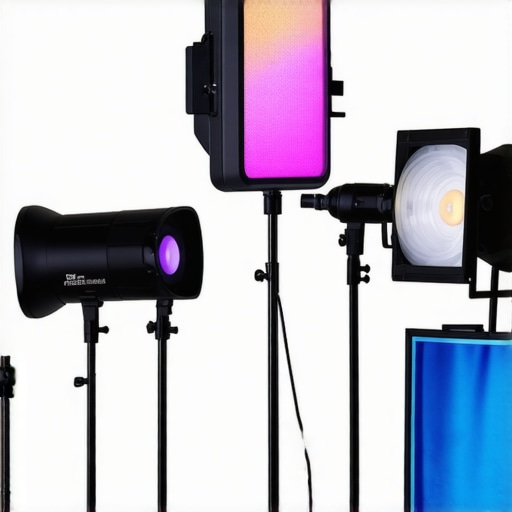
Throughout my journey as a creator, I’ve discovered that no matter how impressive your equipment is, the true magic hinges on your understanding of strategic light placement. Those subtle adjustments—like angling an RGB tube just right or positioning a softbox to eliminate glare—can elevate your visuals from good to extraordinary. A lightbulb moment for me was realizing that mastering these nuances not only saves time but also unlocks limitless creative potential, enabling me to craft immersive, cinematic scenes effortlessly.
The Insider Wisdom You Won’t Find in Manuals
- Less Is More: I used to believe that flooding my scene with light was the way to go. It wasn’t until I started focusing on precise placement that I saw real improvements. Small, targeted adjustments often yield bigger results than cranking up your lights.
- Angles Matter More Than Brightness: A well-placed fill light at a 45-degree angle can create natural depth, even with modest equipment. Remember, your goal is to guide the viewer’s eye, not blind it.
- Color Placement Influences Mood: Shifting RGB tube colors to complement scene elements amplifies storytelling. I learned this when switching from a cool blue to a warm amber enhanced the emotional tone instantly.
- Height and Distance Are Critical: Elevating lights or adjusting their proximity alters shadows and texture. A slight move can soften harsh shadows or reveal intricate details, making your subject pop.
Tools and Resources That Shape My Craft
- RGB Tube Light Effects Guide – This resource opened my eyes to unconventional uses of RGB tubes that add depth and vibrancy to scenes.
- Softbox Masterclass – It taught me how softboxes, when positioned correctly, can produce soft, flattering light that mimics natural conditions.
- Fill Light Techniques – Sharing insights into achieving natural-looking illumination, this guide refined my approach to balancing ambient and artificial light.
- RGB Tube Tips – This collection of tips expanded my understanding of color dynamics and movement, fueling my creativity.
The Power of Applying Real-World Trial and Error
There’s no substitute for hands-on experimentation. Every scene demands a slightly different setup, and the only way to master this craft is by testing, adjusting, and learning from every shot. Remember, the most compelling visuals often come from subtle tweaks—like tilting a light to catch textures you didn’t notice before or changing the color temperature to set a different mood. Embrace the trial-and-error process as your creative partner; it’s the fastest path to understanding what truly works for your style.
Now It’s Your Turn to Bring Your Light to Life
As you incorporate these insights into your practice, remember that light placement is both a science and an art. With patience and curiosity, you’ll discover unique techniques that make your visuals stand out. Keep experimenting, learning, and pushing your creative boundaries—your next masterpiece is just a clever light placement away.
What’s been your biggest breakthrough when adjusting light placement? Share your story below—the community can’t wait to learn from your experience!
![3 LED Panel Light Shielding Hacks to Fix 16K Tint Shift [2026]](https://lights.creatorrigreviews.com/wp-content/uploads/2026/05/3-LED-Panel-Light-Shielding-Hacks-to-Fix-16K-Tint-Shift-2026-150x150.jpeg)