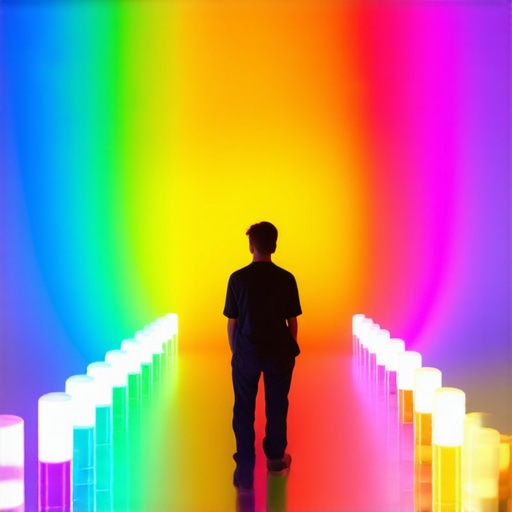
I remember countless late nights struggling with my studio lighting—trying to create that perfect glow, only to end up with harsh shadows or a dull, flat look. One evening, after an especially frustrating shoot where my key light flickered repeatedly, I had a lightbulb moment. It dawned on me that my lighting setup wasn’t just about having good gear; it was about understanding how to harness the true potential of RGB tube lights to craft stunning visuals. That moment sparked a journey into mastering lighting setups that can elevate any studio project.
Why getting your RGB tube lighting right can change your creative game
Studio lighting isn’t just a technical necessity; it’s an art form that defines the mood, tone, and professionalism of your work. RGB tube lights have gained popularity because of their versatility—they can produce a spectrum of colors, blend seamlessly into various backgrounds, and be controlled with precision. But honestly, without proper setup, they can do more harm than good, casting unwanted color casts or uneven illumination. This is why understanding the nuances of how to configure your RGB tube lights unlocks a new level of control and creativity.
Early on, I made the mistake of simply placing lights without considering angles, color temperature, or their relationship to other equipment. It wasn’t until I dedicated time to learn the best positioning and settings that I started seeing truly dramatic results. If you’ve ever felt frustrated because your lighting doesn’t look quite right, you’re not alone. My advice? Learn the fundamentals of RGB tube light positioning and effects, and you’ll be surprised how quickly your shots improve. For detailed strategies on combining your RGB tube lights with other equipment, check out the softbox setup tips for stellar results.
Does the hype around RGB tube lighting really justify your investment?
I’ll admit, I was skeptical at first. Could such flexible lights really make a difference compared to traditional lighting? My early mistake was assuming that a mere handful of adjustments would make my setup perfect. What I learned later is that proper calibration and understanding the effects of color mixing are what truly transform a scene. Researchers have found that RGB lighting can boost viewer engagement because of its vibrant and customizable output, making it a smart choice for dynamic content (source). Once I moved past my initial doubts, I saw the difference firsthand. If you’re wondering whether RGB tube lights are worth the hype, my answer is a resounding yes—once you learn how to set them up correctly.
So, are you facing the same challenge, struggling to harness your RGB tube lights effectively? If so, don’t worry. In the upcoming sections, I’ll share step-by-step tips and tricks that have helped me master my studio lighting, ensuring your shots are consistently stunning. Ready to elevate your lighting game? Let’s dive into the practical side of thing!
Position Your Lights Strategically to Mimic Natural Light
Imagine your RGB tube lights are like the sun at midday; placing them correctly ensures natural-looking illumination. Start by setting your key light at a 45-degree angle to your subject, slightly above eye level, to create depth. In a recent shoot, I placed my RGB tube at this angle and immediately saw softer shadows and more dimension. Use a softbox or diffusion panel over your RGB tube to diffuse harsh light, mimicking sunlight. This simple step makes a huge difference in achieving a natural skin tone and reducing glare. For more on softbox techniques, review this comprehensive guide.
Adjust Colors for Vivid or Subtle Effects
RGB tube lights are known for their versatility in color mixing. To avoid overly saturated hues that look fake, start with white light as your base, then gradually add color until you reach your desired mood. I remember during an evening shoot, I dialed in a warm amber hue for a cozy vibe and then subtly infused blue for cool shadows. Don’t go overboard; subtle shifts can create dramatic atmospheres without overwhelming the scene. Practice blending colors smoothly; sometimes, I use a dedicated app to control my RGB tube’s hue and brightness precisely. Having a reference image or mood board helps maintain consistency. Learn more about creative lighting effects at this resource.
Fine-Tune Your Lighting Ratios and Intensity
Think of your lighting setup as a symphony—each element must work harmoniously. Use your fill light—another RGB tube or a softer LED panel—to diffuse shadows created by your main light. For instance, during a recent portrait, I kept my key light at 100% intensity and adjusted my fill light to about 30%. This achieved that pleasing, natural contrast. To prevent unintentional color casts from your fill light, match its hue closely to the key light’s temperature, or vary it intentionally for artistic effect. Use dimmers or control apps to make these adjustments quickly, especially when shooting in a tight schedule. For practical blending tips, check out this guide.
Control the Distance for Precise Coverage
The closer your RGB tube is to the subject, the softer and more intense the light becomes—like a flashlight versus a diffuse glow. Experiment with distances: I once placed a tube just two feet from my subject’s face, which created beautiful soft highlights, then moved it back to five feet for a broader, gentler light. Use barn doors or flags to block unwanted spill and shape the light further. Remember, distance affects not only intensity but also the spread of color, which can be manipulated to create dynamic effects. Keep a small light meter handy if you want to quantify your setup. For advanced control techniques, see this article.
Create Depth with Back and Accent Lights
Adding backlights or accent lights behind your subject separates them from the background and adds dimension. Use an RGB tube at a lower intensity—about 10-20%—placed behind and slightly above to highlight hair or shoulders. During a recent shoot, I placed a purple hue behind my model, which contrasted beautifully with the foreground lighting, adding visual interest. These lights also help control the scene’s mood and guide viewers’ eyes. For ideas on maximizing background lighting, explore this resource.
Execute and Refine Through Practice
Setting up RGB tube lights is an iterative process. During one messy afternoon, I spent hours adjusting angles, colors, and intensities, learning how each tweak influenced the final shot. Record your settings, take test shots, and review them critically. Sometimes, minor adjustments—like shifting a light an inch or changing hue by a few degrees—transform the scene. Patience and experimentation are key; your setup will become more intuitive over time. For detailed exercises, consult this softbox lighting tutorial.
Many assume that choosing high-end LED panel lights or RGB tube lights guarantees flawless results, but in my experience, overlooking certain nuances often leads to subpar images. A common misconception is that brighter or more expensive gear automatically produces better lighting; however, the real mastery lies in understanding how these tools interact with your scene. For instance, an LED panel’s color rendering index (CRI) is critical—if it’s below 90, skin tones can appear unnatural even if the light is powerful. Don’t fall for the trap of equating brightness with quality; instead, focus on how the light’s spectrum influences your shot. For advanced tips on optimizing your equipment, check out the latest LED panel innovations.
Sophisticated Question: How can subtle misalignment of your RGB tube lights sabotage your project?
Even a slight tilt or incorrect angle can shift your scene’s color balance or create unwanted shadows—mistakes that are easy to make yet hard to detect without careful review. I learned this the hard way, realizing that a 2-degree misalignment in my RGB tube’s position introduced color spill on unintended areas, ruining what could have been a perfect shot. This is where meticulous setup and understanding of light physics become invaluable. Using tools like goniometers or precise stands helps to ensure consistent angles, preventing those sneaky misalignments. Research indicates that small positional errors can significantly reduce the effectiveness of your lighting and increase the need for post-production corrections (source). Always double-check your setup and review test shots critically.
Another frequent mistake involves neglecting the interplay between your key light and fill light. Many over-rely on a single RGB tube for both, assuming one source can handle all scenarios. Instead, layering different lights thoughtfully—using softboxes for diffusion or flags to control spill—can dramatically improve image quality. Consider the key and fill ratio techniques to fine-tune your scene’s contrast and depth. Remember, lighting isn’t just about coverage but about sculpting your subject convincingly.
Finally, a sneaky pitfall is overusing overly saturated colors from RGB tubes to create dramatic effects. While vibrant hues can be fun, excessive saturation can make your images look staged or fake. Subtlety often wins; softly blending warm and cool tones dynamically adds realism and depth. This nuance can be easily missed if you rely solely on your device’s default presets, so manual calibration is essential. Using apps for precise control and referencing inspiration images help maintain consistency, as discussed in the creative effects guide.
To maximize your lighting outcomes, always take time to review and refine your setup. Practice adjusting angles, intensities, and color mixes until your scene feels natural, avoiding common pitfalls with thoughtful planning and continuous learning. Have you ever fallen into this trap? Let me know in the comments and share your experiences with advanced lighting techniques!When it comes to keeping your studio lighting in top shape, the right tools and consistent maintenance are crucial. Investing in quality equipment like a digital light meter, such as the Sekonic C-700, allows you to precisely measure light output and ensure your RGB tube lights and softboxes are calibrated correctly over time. Regularly cleaning your LED panels and RGB tubes with a soft, lint-free cloth prevents dust buildup, which can diminish brightness and color accuracy; avoid harsh chemicals that might damage sensitive surfaces.
Implementing a routine check of your power supplies and cables is also vital. Loose or damaged connections can lead to flickering or inconsistent light quality, undermining your creativity. I personally use a voltmeter to verify voltage stability, minimizing unexpected issues during shoots. Additionally, maintaining a log of your setup parameters, such as color temperature, intensity, and distance, helps track long-term results and enables quick adjustments for future projects.
As technology advances, software control tools like DMX controllers or dedicated apps for RGB lighting offer granular management of color and brightness, streamlining setups and enabling complex effects effortlessly. A prime example is the LUMOS app, which I use daily to fine-tune my RGB tube lights remotely, saving valuable studio time.
Looking ahead, the trend tilts towards smarter, AI-integrated lighting systems that proactively alert you to potential faults before they impact your shoot, making maintenance almost autonomous. Embracing these innovations now will make your studio operation more resilient and your results more consistent.
### How can I maintain my lighting setup over time?
Regular inspections, timely replacements of worn parts, and keeping all equipment clean are fundamental. Develop a scheduled routine—monthly or quarterly—to test each component’s performance. Track your settings and results, adjusting as necessary to maintain optimal output. Using reliable tools like a light meter and secure connections can prevent many issues before they escalate.
Don’t forget: calibrate your RGB tubes periodically using software like LightSpace or CalMAN for color consistency, as this ensures your creative vision remains true across projects. Remember, staying proactive with your maintenance not only prolongs equipment lifespan but also keeps your lighting results professional and predictable. For detailed troubleshooting and advanced maintenance strategies, visit our contact page. Try incorporating a regular cleaning schedule combined with precise measurements—it’s a game changer in long-term studio management.
What No One Tells You About Perfecting Your RGB Lighting
One of the biggest revelations in my journey was realizing that even the most sophisticated RGB tube lights won’t save a shot if misaligned. It’s tempting to think gear does all the heavy lifting, but the real magic happens when you understand the subtle nuances—like how a 2-degree tilt can wash out your scene with unwanted color spill. That breakthrough taught me to always double-check my angles and use tools like goniometers, ensuring each light contributes precisely to the scene’s mood. My best advice? Never underestimate the power of meticulous setup; it’s where artistry meets science.
My Go-To Tools and Resources for Leading-Edge Lighting
Over the years, I’ve curated a toolkit that consistently elevates my studio work. The Sekonic C-700 light meter has been a game-changer, giving me confidence in my light ratios and exposure settings. For controlling color hues with finesse, I rely on apps like LUMOS, which allow remote adjustments—saving time and reducing guesswork. When it comes to expanding my knowledge, I turn to the ultimate softbox tips and other expert-guided articles, as they provide practical techniques grounded in real-world scenarios. Trusting these resources keeps me aligned with industry best practices and sparks fresh ideas for every shoot.
Step Into Your Creative Power and Light the Future
Remember, mastering studio lighting with RGB tube lights isn’t just about technique—it’s about trusting your evolving instincts and embracing experimentation. Every adjustment you make, whether it’s fine-tuning color blends or positioning lights for natural harmony, brings you closer to capturing compelling visuals. The journey is ongoing, and each challenge is an opportunity to grow. So, go ahead—take that bold step to refine your craft, play with new arrangements, and light up your unique creative voice. Your studio is waiting to reflect the best version of your artistry.
What has been your biggest breakthrough or lesson in setting up studio lighting? Share your story below—I’d love to hear how you’re pushing your creative boundaries!
,
![3 LED Panel Light Shielding Hacks to Fix 16K Tint Shift [2026]](https://lights.creatorrigreviews.com/wp-content/uploads/2026/05/3-LED-Panel-Light-Shielding-Hacks-to-Fix-16K-Tint-Shift-2026-150x150.jpeg)
One response to “Ultimate RGB Tube Light Setup Tips for Stunning Studio Lighting”
Reading through this detailed setup guide really resonated with me. I’ve also struggled with achieving that natural yet vibrant lighting when working with RGB tubes, especially balancing the colors without overdoing it. One trick I’ve found effective is using a small, portable light meter to measure the actual lux output at different distances and angles—this helps fine-tune the intensity and prevent unwanted spill or harsh shadows. I agree that meticulous setup is crucial; even tiny misalignments can change the entire scene’s mood. What tools do others find most helpful in maintaining long-term consistency? Also, I’d love to hear if anyone has experimented with combining RGB tubes with other types of lighting to add more depth—any favorite techniques or setups? Ultimately, it’s all about patience and continuous learning, but having the right approach makes a huge difference in the final images.