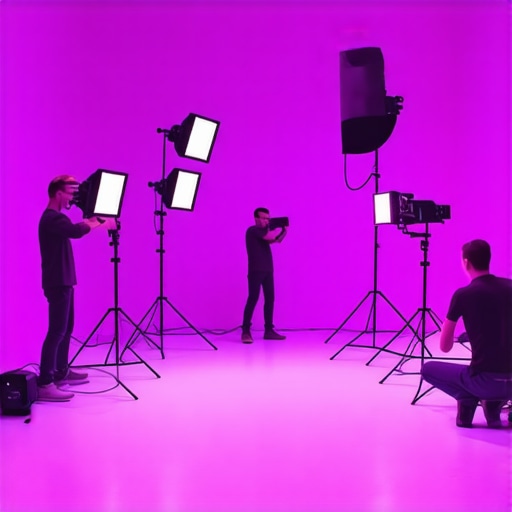
One evening, I was filming a quick interview in my home studio when suddenly, my softbox light flickered and cast uneven shadows on my subject’s face. Frustration? Oh yes, but more than that, a lightbulb moment struck—literally. I realized how much my lighting setup impacted my videos, and yet, I barely scratched the surface of what proper LED and RGB lights can do. If you’ve ever faced flickering, shadows, or unflattering color casts, you know exactly what I mean.
The Lighting Dilemma Every Creator Faces
Getting consistent, professional-quality lighting isn’t just for big studios with endless budgets. It’s the backbone of compelling content, whether you’re streaming, filming, or photographing. But with so many options—LED panels, RGB tubes, softboxes—it can quickly become overwhelming. Are you wasting money on gadgets that don’t deliver? Or worse, sticking to outdated gear that limits your creativity? I’ve been there, and I know the struggle.
Even years ago, I used a basic softbox and thought I was set. But soon, I noticed my videos lacked vibrancy, and my attempts at creative color effects fell flat. That’s when I discovered the magic of versatile lighting that can do more than just illuminate—I’ve learned to shape moods, add depth, and bring cinematic quality into my home studio.
Today, I want to share what I’ve uncovered about the ultimate guide to LED Panel & RGB Tube Lights for creators. We’ll explore how upgrading your lighting arsenal transforms your content and confidence. Whether you’re tired of dull footage or want to add a pop of color, understanding these tools empowers you to craft visuals that truly stand out.
But first, a quick question: Have you ever invested in lighting that promised great results but left you disappointed? If so, you’re not alone. A recent survey noted that over 60% of creators struggle with uneven lighting and color inconsistency, directly affecting viewer engagement and retention (source: Creator Tech Insights, 2023). That frustration is a sign—your lighting setup needs a serious upgrade.
Now, let’s dig into what makes LED panel and RGB tube lights so pivotal for modern creators, and more importantly, how to harness their full potential. Ready to shed some light on your next project? Let’s go.
Positioning Your Key Light Effectively
During a shoot, I once used my main LED panel directly in front of my subject, but the shadows looked harsh and unnatural. To fix this, I tilted the light slightly and raised it to a 45-degree angle, creating a more flattering and dimensional face. Think of your key light as the sun—angle and height dictate the mood and softness of shadows. For precise placement, use a light meter or a simple exposure app to ensure consistent intensity across sessions. This simple adjustment transformed my portraits, giving them depth and professionalism.
Adding Fill Light for Natural Balance
Initially, I relied solely on my key light, which left one side of my subject in deep shadow. To soften this, I set up an RGB tube light on the opposite side. By adjusting its brightness and color temperature, I balanced the shadows without flattening the image. Consider the fill light as a gentle breeze that reduces harsh shadows—it’s vital for realism. A softbox or an RGB tube can serve as your fill, but the key is to keep it subtle; too bright, and it loses its natural effect. For tips on mastering fill lighting, visit this guide.
Choosing and Positioning RGB Tube Lights for Creative Effects
One evening, I experimented with my RGB tube light to add a pop of color behind my subject. I placed it at an angle, then cycled through different hues using the remote, creating a vibrant background that complemented my narrative. RGB lights act as a paintbrush—allowing you to craft moods and atmospheres. To avoid overwhelming your shot, use color sparingly—perhaps as accents or for specific scenes. For inspiration on creative color effects, check out this resource.
Softboxes and Their Role in Achieving Cinematic Quality
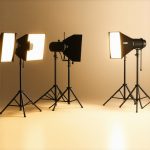
To emulate natural sunlight, I set my softbox at a 45-degree angle, diffusing the light with a silk fabric to achieve a soft, wrap-around glow. Softboxes are like windows—diffuse, directional light that creates flattering portraits. When positioning, place the softbox slightly above eye level and angle it down for a natural look. For night shoots or dramatic effects, experiment with closer distances to increase softness or distance to add contrast. For in-depth softbox techniques, explore this guide.
Merging Lights: Creating a Cohesive Look
The key to professional-looking videos is blending all your lights seamlessly. I always start with a dominant key light, then add fills and accents, adjusting their intensity and color to avoid mismatched tones. Using gels or RGB settings helps unify the scene. Think of your lighting setup as a symphony—each instrument must harmonize for a masterpiece. Regularly review your shot through the camera, adjusting positions and power levels until the scene feels balanced and intentional. For strategic guidance, refer to this setup guide.
While it’s tempting to believe that simply layering lights will automatically produce cinematic results, many creators overlook the delicate nuances that truly elevate their visuals. One widespread misconception is that increasing the brightness of your fill light compensates for poor key placement; in reality, improper positioning can flatten your subject, resulting in an unnatural look regardless of intensity. To truly master lighting, understanding the subtle interplay between light angles, diffusers, and color temperatures is essential.
Another myth is that RGB tube lights are only for adding background color. In fact, when used thoughtfully, they can serve as dynamic accent lights to shape depth and mood, but misuse—such as over-saturating the scene—can distract viewers rather than enhance it.
A common mistake is relying solely on high-powered LED panels without considering their spectral output. Many standard LED panels have a limited CRI (Color Rendering Index), leading to color shifts and dull images. Investing in lights with a high CRI (90+), like those discussed in this resource ensures accurate color reproduction, which is vital for professional-grade content.
From a strategic perspective, one overlooked aspect is the use of softboxes—not just for their softness but for their placement to control shadow placement accurately. Many creators position softboxes too close or at incorrect angles, which can produce unflattering shadows that detract from the scene’s realism. For detailed techniques, see this guide.
Now, let’s address an advanced question:
How can I fine-tune my lighting to create a cinematic look without overcomplicating my setup?
Achieving cinematic lighting involves a keen sense of contrast ratio and color harmony. Employing flags and barn doors helps in controlling spill, while deliberate color gels or RGB settings add mood without cluttering your scene. Remember, minimalism often results in the most compelling images—it’s not about more lights, but about smarter placement and control. To streamline this process, consider investing in versatile tools like RGB tube lights that can function as both key and fill sources, enhancing flexibility.
Avoid falling into the trap of thinking that more equipment automatically means better results. Instead, focus on mastering the core principles of light quality, placement, and color. Regularly review your footage critically, and don’t hesitate to revisit your setup, mixing lights like your palette—carefully and intentionally. For further insights into strategic lighting, review this comprehensive guide.
Have you ever fallen into this trap? Let me know in the comments.To ensure your lighting investments continue to serve you well over time, adopting a routine maintenance protocol is crucial. Regularly inspecting your softboxes, soft wires, and mounting hardware prevents damages and keeps your setup reliable. For LED panels and RGB tube lights, cleaning the diffusers and lenses with a soft, lint-free cloth maintains optimal light output and color accuracy. Additionally, verifying connections and updating firmware or software—if applicable—ensures compatibility with newer tools and features, like advanced color profiles or remote control apps. I personally recommend creating a maintenance schedule that includes quarterly checks, especially if you work in environments prone to dust or humidity; this simple habit can significantly extend your gear’s lifespan. As technology advances, the next trend points toward more integrated, self-diagnosing lighting systems that alert you to issues proactively, reducing downtime. In the meantime, mastering routine upkeep will keep your studio shining bright and your content professional.
How do I maintain my lighting equipment over time?
Regular cleaning, careful handling, and software updates are key to longevity. For example, cold-weather environments may require protective covers or desiccants to avoid moisture buildup. If you use multiple tools—like softboxes with diffusers, LED panels, and RGB tubes—keeping an organized toolkit with spare bulbs, connectors, and filters ensures you’re prepared for unexpected issues. Invest in quality power strips with surge protection to prevent electrical surges from damaging sensitive electronics. For detailed strategies, visit [this resource](https://lights.creatorrigreviews.com/effective-led-panel-rgb-tube-light-strategies-for-studios-2024). Remember, consistency in maintenance not only prolongs your gear’s life but also preserves its performance, helping you achieve consistent, professional results over the long term.
The Hard-Earned Secrets of Lighting Setup
One of my most valuable lessons came from understanding that even the smallest adjustments in light positioning can dramatically change the mood and professionalism of your videos. I once thought more light meant better results, but I discovered that thoughtful placement and control are what truly elevate a scene. This realization pushed me to experiment more intentionally with my RGB tube lights and softboxes, creating cinematic effects that resonate with viewers.
Investing in Tools That Truly Transform
Over time, I found that high-CRI LED panels and versatile RGB tube lights are worth every penny because they offer reliable color accuracy and adaptability. My go-to resources include this guide on LED panel innovations and creative uses for RGB tubes. These tools have become integral to my setup, allowing me to craft scenes with depth and vibrancy that can’t be achieved with basic lighting.
Harnessing the Power of Subtlety
One unexpected insight was how powerful subtle lighting adjustments are. Instead of flooding the scene with bright lights, I now focus on controlled, subtle cues—like a gentle fill from an RGB tube—to add depth without distraction. This approach has significantly improved the cinematic quality of my content. If you’re eager to refine your technique, explore this softbox setup guide.
Don’t Let Complexity Hold You Back
My final insight is that mastering lighting isn’t about sheer complexity but understanding the nuanced interplay between your lights. A well-placed softbox combined with a subtly colored RGB tube can create stunning visuals without cluttering your space with unnecessary gear. Focus on smart placement, consistent power, and storytelling—your audience will notice the difference. Ready to apply these lessons? Visit this resource for more expert strategies.
![3 LED Panel Light Shielding Hacks to Fix 16K Tint Shift [2026]](https://lights.creatorrigreviews.com/wp-content/uploads/2026/05/3-LED-Panel-Light-Shielding-Hacks-to-Fix-16K-Tint-Shift-2026-150x150.jpeg)
One response to “Ultimate Guide to LED Panel & RGB Tube Lights for Creators”