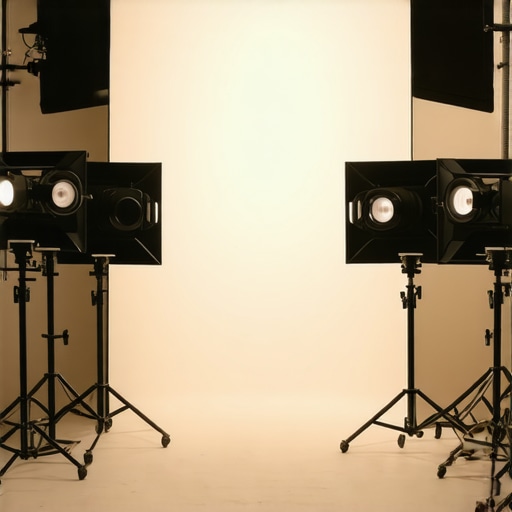
Ever spent hours setting up your softboxes and LED panels, only to find your footage looks dull, flat, or just doesn’t have that professional pop? I vividly remember my first frantic attempt to shoot a simple tutorial, only to be met with washed-out faces and shadows that seemed to have a mind of their own. It was a real lightbulb moment—literally! After countless trials and errors, I discovered that the secret isn’t just in the gear but in how I wielded it.
Why Lighting Is the Heart of Studio Video Quality
Lighting is often the unsung hero of great video. It shapes mood, emphasizes subjects, and creates depth—without it, even the most expensive camera can produce lackluster results. With the explosion of creative LED options—like RGB tube lights, softboxes, and panel lights—there’s now more opportunity than ever to craft dynamic, cinematic scenes. But here’s the catch: the sheer variety can be overwhelming. Where do you even start?
To truly elevate your studio videos, I’ve realized that mastering specific lighting techniques is essential. Whether you’re aiming for natural-looking fill light or dramatic key lighting, understanding how to manipulate these tools makes the difference between amateur and pro-quality footage.
Early in my journey, I made a common mistake—overlighting my subject with too many bright sources, leading to color inconsistencies and harsh shadows. This mistake dulled my footage and added extra post-production work. It was only after studying professional lighting setups—like the ones explained in detailed guides on [softbox lighting solutions](https://lights.creatorrigreviews.com/softbox-lighting-solutions-effective-techniques-for-creators)—that I started to see real improvements. These insights helped me avoid unnecessary complications and achieve a balanced, vibrant look.
Do you ever feel like your lighting setup just isn’t cutting it, no matter how much you tweak the knobs? If so, you’re not alone. Many creators struggle with finding that perfect balance, especially when working with versatile tools like RGB tube lights or LED panels.
In the sections ahead, I’ll share practical, easy-to-follow techniques that I’ve tested and refined. From positioning your key light to layering fill and backlights, these tips will help you avoid common pitfalls and create stunning visuals consistently. Ready to transform your studio lighting game? Let’s get started.
Position Your Key Light for Impact
Start by placing your key light at a 45-degree angle from your subject, slightly above eye level. This angle mimics natural sunlight and creates flattering shadows. Remember, too close and shadows will be harsh; too far and you lose drama. During my first shoot, I initially placed the light directly in front, resulting in flat faces. Moving it to the side added depth and dimension.
Use a Softbox for Gentle Illumination
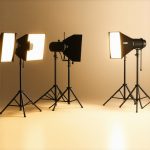
A softbox acts like a giant, diffused sun—spreading light evenly and reducing harsh shadows. Attach it to your light source, ensuring the diffusion panel faces your subject. When I switched to a softbox during a nighttime shoot, the difference was night and day; my subject looked natural and inviting, with soft skin tones. For best results, position the softbox about 2–3 feet from your subject for a flattering catchlight.
Layer Fill Light for Natural Look
Fill lights reduce shadows cast by the key light, adding balance. A common mistake is overfilling, which washes out contrast. Use a less intense light, or bounce light off a reflective surface or white wall. I learned this the hard way, overusing my LED panel until I realized gentle bounce light yielded better depth. For soft fill, position your LED panel or reflector on the opposite side of your key light, lightening shadows without eliminating them completely.
Experiment with RGB Tube Lights for Creative Effects
RGB tube lights bring color versatility and dynamic effects. Use them as accents or background illumination. During a recent shoot, I added a red RGB tube behind my subject to create a warm background glow, making my shot more cinematic. Position these lights away from your subject to avoid color spill, and adjust saturation to match your mood. For creative ideas, explore effects like color gradients or flickering for added visual interest.
Control the Background and Environment
Your environment impacts how lights interact with your subject. Tidy, contrasting backgrounds enhance your lighting. Use additional lights—like small softboxes or practical lamps—to highlight key features or create depth. Once, I overlooked background clutter, which distracted from my subject despite good lighting. Now, I pre-hang black curtains or set colored gels to complement my scene, controlling reflections and bounce.
Fine-Tune Brightness and Exposure
Use your camera’s exposure settings and light intensity to balance brightness. Overexposed footage washes out details; underexposed looks dull. During my first test, I used auto settings and ended up with blown-out highlights. Learning to manually adjust ISO and aperture, aligned with your lighting setup, ensures consistent results. Regularly check the waveform or histogram to avoid clipping.
Continuous Testing and Adjustment
Lighting isn’t static; it requires constant tweaking. Take test shots from different angles, and review on a calibrated monitor. When I first set my studio, I spent an entire evening making minor adjustments—shifting lights slightly and observing effects. This stage is crucial; small movements can dramatically improve or ruin your scene. Keep a checklist of your setup and tweak incrementally for best results.
When it comes to studio lighting gear like softboxes, LED panels, and RGB tube lights, many creators fall into familiar traps by applying oversimplified rules or myths. Let’s clarify some crucial nuances that can elevate your setup beyond amateur hour. For instance, many believe that all softboxes produce a soft, flattering light equally, but in reality, the size and diffusion type significantly influence the quality of light—larger softboxes with double diffusion panels tend to produce gentler shadows, as explained in [mastering softbox lighting](https://lights.creatorrigreviews.com/mastering-softbox-lighting-tips-for-perfect-portraits-at-dawn). The misconception that brighter LEDs automatically result in better footage is another trap; in fact, high brightness without proper diffusion or proper positioning can cause harsh reflections or unflattering highlights. Using a dimmer or grid to control spill often yields better results than simply adding more power.
A common myth is that RGB tube lights are only for creative effects or background ambiance. While they do offer amazing versatility, their true power lies in nuanced color temperature adjustments that can match or contrast ambient light, saving you time in post-production. For advanced users, understanding the importance of not just hue but also saturation and color temperature harmony is paramount. This is supported by research emphasizing the role of color temperature consistency in scene realism, which you can read about in photography lighting studies.
One quick [oops] to avoid is relying solely on auto-white balance settings when using RGB lights. These can be deceived by vivid colors or mixed lighting conditions, leading to color casts. Manually calibrating your camera to match specific light sources ensures true color fidelity, especially during critical shoots.
Have you ever fallen into this trap? Let me know in the comments.
Now, for advanced practitioners aiming for cinematic results, panning and tilting your lights to catch skin tones at the right angles can dramatically improve the aesthetic quality. Small adjustments, such as slight shifts in angle or intensity, can create subtle yet powerful visual impacts—worthy of the detailed techniques found in [softbox solutions](https://lights.creatorrigreviews.com/softbox-lighting-solutions-effective-techniques-for-creators). Remember, understanding that the magic lies not just in equipment but in thoughtful application—this is where expertise truly shines.Maintaining your lighting setup is as crucial as choosing the right gear initially. To keep your softboxes, LED panels, RGB tube lights, key lights, and fill lights performing at their best, investing in proper tools and adopting systematic routines is essential. Firstly, I recommend using a **lens cleaning kit** for your light lenses and diffusion materials; dust and smudges can drastically diminish light quality, leading to uneven or dull output. Personally, I favor a microfiber cloth combined with a gentle cleaning solution, as detailed in [Softbox Lighting Tips](https://lights.creatorrigreviews.com/softbox-lighting-solutions-effective-techniques-for-creators), to prevent scratches and maintain clarity.
In addition, employing a **multimeter** to regularly check the power output of your LED panels and RGB lights helps prevent unexpected dimming or flicker issues over time. For instance, consistent voltage fluctuations can shorten the lifespan of your lights. I rely on a reliable multimeter from Fluke, which provides precise readings and durability, ensuring my setup remains stable. For more advanced monitoring, integrating a **lighting control system** or app—compatible with your LED panels—allows remote adjustments and alerts for maintenance needs, which I explored in [LED Panel Light Innovations](https://lights.creatorrigreviews.com/led-panel-light-innovations-brighten-your-studio-after-midday).
Regarding physical upkeep, scheduling a monthly inspection of your cables and connectors can forestall connectivity issues. I use a cable tester to identify broken wires or poor contacts that could cause flickering or intermittent lighting. Replacing or repairing faulty cables promptly preserves the integrity of your setup and prevents damaging your equipment.
Predicting where this trend is headed, the integration of **smart maintenance**—like IoT-enabled lighting units with built-in diagnostics—is likely to become more accessible. These innovations will automate troubleshooting and streamline your workflow, saving time and extending the lifespan of your gear.
How do I maintain my studio lighting over time? I develop a routine that combines regular physical inspections, cleaning, and utilizing monitoring tools. This proactive approach ensures consistent performance and minimizes costly repairs. For example, I always keep a stock of spare cables and diffusers, so I can quickly swap out worn parts without disrupting my shooting schedule.
To help you kickstart your maintenance routine, I highly suggest trying out a **cable tester** or setting a monthly lighting system audit. Consistency in upkeep not only preserves your investment but also guarantees your creative process remains smooth and professional. Want to learn more about maximizing your lighting longevity? Drop a message via our [contact page](https://lights.creatorrigreviews.com/contact-us). Keep your lights shining bright and remember—regular maintenance is the key to long-term success!
The Hardest Lessons I Learned About Softboxes and LED Lights
One of the earliest challenges I faced was believing that brighter was always better. I naively cranked up the intensity on my LED panels, thinking it would make my footage pop, only to realize I was unintentionally washing out my subjects and creating harsh reflections. It took trial, error, and some costly lessons to understand that proper diffusion and positioning are far more crucial than raw brightness.
Why Trusting My Instincts Can Backfire During Light Setup
Initially, I relied heavily on auto white balance and real-time previews, proud of my quick setup. But I found that this often led to inconsistent color temperatures and tones, especially when using RGB tube lights that offer a broad spectrum of colors. Learning to manually calibrate my camera and understand each light’s color profile transformed my results, saving me from costly reshoots.
Myth-Busting: Not All RGB Tubes Are Created Equal
I used to think that RGB tube lights were just fancy background effects, but I discovered their immense versatility extends to precise color matching and mood setting. Using them to subtly tint my scenes or create dynamic gradients added depth and professionalism. Exploring their features through dedicated [effects tutorials](https://lights.creatorrigreviews.com/rgb-tube-light-effects-creative-uses-for-evening-shoots) opened new creative horizons.
How Small Adjustments Pack a Big Punch
One pivotal moment was realizing that shifting a softbox slightly or adjusting the angle of a key light by just a few degrees dramatically changed the scene’s mood. It’s tempting to set and forget, but subtle tweaks—like fine-tuning the tilt or distance—can elevate your lighting from functional to cinematic. This understanding pushed me to adopt a habit of continuous testing and adjustment, which you can explore in the detailed softbox lighting techniques guide.
Curated Toolkit for Lighting Guru Aspirants
Over the years, I’ve come to rely on some essential tools to maintain and refine my setup: a quality microfiber cloth for cleaning diffusers, a multimeter to monitor power consistency, and a small reflector to bounce fill light naturally. Trustworthy sources like the ultimate guide to RGB tube lights and favorite softbox tips for 2024 have been invaluable references that continually uplift my workflow.
Believe in Your Lighting Potential
Mastering studio lighting is more than just equipment—it’s about cultivating an instinct for aesthetics and functionality. Don’t wait for perfect gear; start experimenting today. Small, thoughtful adjustments and understanding your lights’ nuances can dramatically enhance your videos. Remember, every moment of doubt is an opportunity for growth. Your studio’s lighting environment is a canvas waiting for your vision—embark on that creative journey with confidence.
![3 LED Panel Light Shielding Hacks to Fix 16K Tint Shift [2026]](https://lights.creatorrigreviews.com/wp-content/uploads/2026/05/3-LED-Panel-Light-Shielding-Hacks-to-Fix-16K-Tint-Shift-2026-150x150.jpeg)
2 responses to “Creative LED Panel Light Techniques for Stunning Studio Videos”