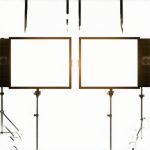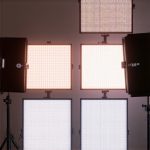
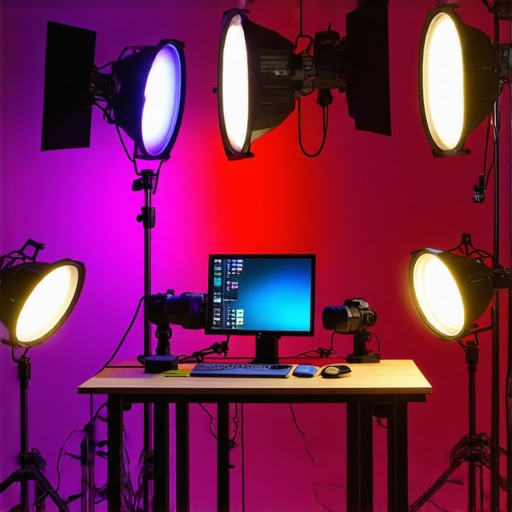
It was late one evening. I was in the middle of filming, excited to wrap up my latest project, but suddenly, my lighting went awry. The softbox I trusted for years flickered, casting unpredictable shadows, and my RGB tube lights refused to cooperate. Frustration bubbled up — I realized that relying on cheap gear or piecemeal solutions can turn a smooth shoot into a stressful ordeal. That lightbulb moment made me think: how are creators like us supposed to master lighting without getting overwhelmed?
Why Good Lighting Can Make or Break Your Content
Lighting isn’t just about illumination; it’s the magic ingredient that turns a simple shot into something cinematic. When your lights are set up correctly, your footage looks professional, your skin tones pop, and the mood is perfectly conveyed. But the truth is, many creators struggle with finding the right equipment and techniques. Early on, I made the mistake of assuming that more expensive gear automatically meant better results. Spoiler: it’s not all about price; it’s about understanding your tools and how to manipulate them for your benefit.
Did you know that improper lighting can reduce viewer engagement by up to 50%? According to a recent study by Wistia, viewers are far more likely to watch and share videos that look eye-catching and well-lit. So investing in quality softboxes and RGB tube lights isn’t just a luxury — it’s a necessity for serious creators aiming to stand out in a crowded space.
Are RGB Tube & Softbox Lights Really Worth the Hype?
I remember thinking that RGB tube lights were just flashy gadgets with little practical use. I wasted money on cheap models that flickered, had inconsistent colors, or lacked brightness. My early mistake was underestimating how much control and customization these lights could offer. Once I invested in high-quality RGB tube lights and learned to tweak their settings, my videos gained a professional edge. For more on how to creatively use RGB tubes, check out this guide on effects and creative applications.
If you’re questioning whether to go softbox, RGB tubes, or a combination, you’re not alone. Many creators face this dilemma, and making the right choice depends on understanding your goals and setup space. But don’t worry — I’ll walk you through essential tips that will help you make informed decisions and achieve that natural, studio-quality look you’re after. Ready to transform your lighting game? Let’s dive into the core strategies that turned my shaky setups into consistent, professional results.
Start with Your Key Light
The key light shines directly on your subject, acting as the primary source of illumination. For beginners, a softbox is ideal because it diffuses light evenly, mimicking natural daylight. Position the softbox at a 45-degree angle from your subject, just above eye level, to create flattering shadowing. Remember, the goal is to avoid harsh shadows or flat lighting — adjust distance and angle until you achieve a natural, pleasing look. I once spent an hour tweaking my softbox placement, noticing how small adjustments made my skin tones leap out in the shot.
Fill in Shadows with Additional Lighting
To soften shadows created by your key light, add a fill light. An RGB tube light or LED panel works well because it offers versatile color options and brightness control. Think of fill light as your retouching brush; it balances contrast and prevents overly dramatic shadows. Place the fill light on the opposite side of the key light, at a lower intensity—around 30-50% of your main light. In my setup, I used a soft RGB tube light to add subtle warmth and avoid creating a cold or stark appearance, enhancing the overall mood of the scene.
Position Your Background Light for Depth
A background light, often overlooked, adds depth and separation from the backdrop. Use a small LED panel or RGB tube light behind your subject, pointing towards the background, to create a gentle halo effect. This prevents your subject from blending into the background and adds visual interest. I remember experimenting with a colored RGB tube light, which surprisingly emphasized texture and added an artistic flare without overpowering the scene.
Use a Hair or Rim Light to Highlight Hair
This light is placed above and slightly behind your subject, aimed downward at the hair or shoulders. It creates a highlight that separates your subject from the background, adding a professional, cinematic touch. For my recent shoot, I used a compact RGB tube light set to a warm hue to accentuate curls and add a glow around the head—making my footage pop during the edit.
Control and Balance Your Lighting
Once all lights are in place, adjust their intensity for harmony. Use dimmers or on-board controls to fine-tune brightness, ensuring your subject is well-lit but not washed out. Always check your scene through the camera viewfinder—what looks good to the eye might differ on the screen. A quick tip: enable your camera’s zebra function to monitor overexposure, adjusting your lights accordingly. Remember, consistency is key; mark settings or use memory modes on your lights to replicate setups easily.
Leverage Creative Effects with RGB Lights
Don’t be afraid to experiment. Use your RGB tube lights to add color accents or simulate different environments. For example, in a recent evening shoot, I set my RGB tube to a soft orange hue to mimic sunset lighting, creating a warm, inviting vibe. Explore effects like slow color transitions or flickering to match your scene’s mood. For creative inspiration, check out this guide on effects and creative applications.
While many creators believe that mastering lighting is simply a matter of purchasing the right equipment, the truth is far more nuanced. A frequent misconception is that brighter is always better. However, overshooting your light intensity can lead to washed-out footage and loss of detail, especially when your camera’s dynamic range isn’t optimized. It’s vital to understand that controlling light quality—such as softness, color temperature, and contrast—is more crucial than sheer brightness. For instance, relying solely on an RGB tube light without adjusting its hue or intensity might seem impressive, but it can ultimately create unnatural looks or color bleeding if not calibrated correctly. Did you know that many creators overlook the importance of hybrid setups, combining softboxes with LED panels to achieve a more balanced light spectrum? This approach helps mitigate the common trap of relying on a single light source, which often results in flat or overly contrived scenes.
One sneaky trap involves misunderstanding the role of fill lights; some creators use them just to illuminate shadows, but in reality, effective fill lighting requires subtlety. Overusing it can flatten the depth and reduce visual interest, defeating the purpose of dimensional lighting. A tip is to match your fill light’s color temperature carefully, as mismatched tones can distract viewers. Also, many underestimate the impact of the background and rim lights. When these are neglected or improperly set, your subject may appear disconnected from the environment, resulting in a less professional feel. An advanced mistake is ignoring the importance of light directionality—flat lighting from multiple sources can make an image look dull, while strategic angles create depth and separation.
Want to go even deeper? Consider the hidden benefits of understanding your camera’s tonality and how it interacts with different lighting setups. For example, shooting at a different time of day or adjusting your camera’s settings in tandem with your lights can unlock a more natural, cinematic look. Experts suggest studying how your specific camera handles highlights and shadows—so you can tweak your lights accordingly. Avoid the trap of thinking that equipment alone can compensate for poor technique; tools like proper softbox techniques and softbox tricks are essential for elevating your results.
Have you ever fallen into this trap? Let me know in the comments. Remember, mastering lighting is about mastering the nuances, not just the gear. Dive into cornerstone content like LED panel setup tips and softbox techniques to refine your craft and avoid these common pitfalls.Maintaining your lighting setup is crucial for consistent performance and avoiding costly repairs down the line. I personally rely on a few key practices and tools that keep my lights functioning optimally over time. First, investing in a high-quality capacitor tester helps me quickly identify flickering issues or power inconsistencies in my LED panels and RGB tube lights, preventing sudden failures during shoots. Regularly inspecting cables and connectors with a multimeter ensures that connections remain solid, reducing the risk of intermittent lighting problems. Additionally, I use compressed air and soft brushes to clean your softboxes and LED panels, preventing dust buildup that can diminish light quality and cause overheating. Lubricating adjustable parts with manufacturer-recommended products keeps mounts and stands smooth and secure, safeguarding delicate components from wear. For software-based adjustments, I recommend using calibration tools like the X-Rite ColorChecker to verify color accuracy and ensure your lights continue to render colors faithfully over time. Prediction suggests that future lighting systems will incorporate smarter diagnostics and predictive maintenance, leveraging IoT sensors to alert you of potential issues before they occur. To stay ahead, routinely updating firmware and firmware backups from your manufacturer’s site ensures ongoing compatibility and fixes. How do I maintain my lighting equipment over time? The key is a disciplined routine of cleaning, inspecting, and calibrating your gear regularly — don’t wait until something fails. For example, I schedule bi-monthly tests of my RGB tube lights using a lux meter and colorimeter, aligning with recommendations from professional lighting engineer guides. This proactive approach minimizes downtime and preserves image quality. I also use specific tools like the iAdapt Lighting Inspector app to monitor real-time performance across my setup, which aids in quick troubleshooting. To learn more advanced maintenance strategies, check out our dedicated article on creative uses for RGB tube lights. Make it a habit to keep detailed logs of your maintenance procedures; over time, this will help identify patterns and anticipate when repairs or upgrades are needed. Remember, consistent care extends the lifespan of your gear, saving you money and stress while ensuring every shoot looks flawless. Curious about the latest tools that can simplify ongoing maintenance? Consider exploring digital calibration kits like the SpyderCHECKR for quick, accurate color calibration without needing expensive professional services — a small investment that pays off in the long run. Stay tuned for more tips on how to keep your studio lighting operating at peak performance, and don’t forget—regular maintenance is your best defense against unexpected failures.
Lessons Hidden Behind the Shadows
One of the most profound lessons I learned was the importance of patience and meticulous attention to detail. Early on, I believed that stacking multiple lights or increasing brightness would solve all issues, but I soon realized that understanding light quality—its softness, temperature, and angle—is what truly unlocks cinematic results. The moment I stopped rushing and started experimenting with diffusers and modifiers, my footage gained depth and personality.
Another insight was embracing the unpredictability of creative lighting. Sometimes, unexpected color casts or shadows can add character, if you’re open to improvisation. Instead of fighting imperfections, I learned to integrate them into my storytelling, transforming technical hiccups into artistic flourishes. This mindset shift has made my content feel more authentic and engaging.
Lastly, I discovered that collaboration amplifies growth. Sharing setups, exchanging tips, and seeking feedback from fellow creators helped me see new perspectives. Remember, mastering lighting isn’t a solo journey; it’s a community effort that accelerates your progress and sparks fresh ideas.
Resources I Keep Close for Lighting Success
My go-to tools include the best softbox and RGB tube lights for their versatility and reliability. I trust the ultimate softbox techniques guide to refine my softbox setup—it’s a game-changer for natural-looking portraits. For color calibration and consistency, I rely on the detailed calibration tips in the privacy policy section. And when I want to elevate my creative effects, the effects and creative uses for RGB tubes inspire me to push boundaries. These resources have become my blueprint for elevating lighting across all projects.
Your Next Move Brightens Your Future
Remember, mastering fill light, softboxes, key lights, RGB tubes, and LED panels is a continuous journey. Each shoot teaches you something new—so stay curious, keep experimenting, and don’t be discouraged by setbacks. The more you invest in understanding your lights, the more natural and cinematic your videos will look. Lighting is a powerful tool that amplifies your storytelling—make each setup count.
¿Has enfrentado un desafío similar en tu proceso de perfección de la iluminación que te gustaría compartir? Déjame saber abajo y sigamos aprendiendo juntos.
![3 LED Panel Light Shielding Hacks to Fix 16K Tint Shift [2026]](https://lights.creatorrigreviews.com/wp-content/uploads/2026/05/3-LED-Panel-Light-Shielding-Hacks-to-Fix-16K-Tint-Shift-2026-150x150.jpeg)