
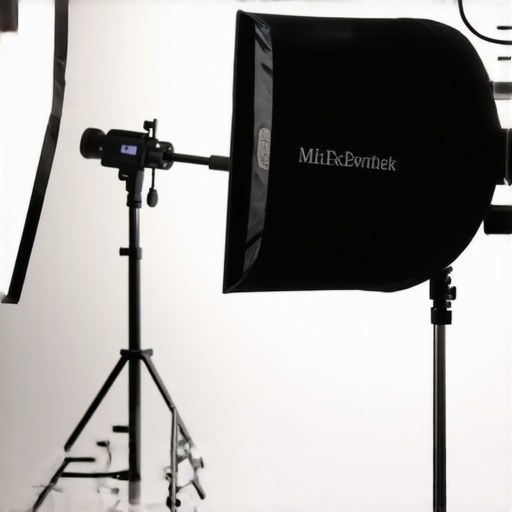
There was a moment early in my creative journey when I set up my studio for a shoot and realized my lighting looked flat, lifeless, and unprofessional. It was a frustrating experience that made me question if I was missing something obvious. After hours of trial and error, I discovered that the secret wasn’t just in having good equipment, but in mastering softbox lighting techniques that truly elevate my visuals.
Why Investing in Proper Softbox Lighting Changes Everything
For creators like us, lighting isn’t just an accessory—it’s the foundation of a compelling image or video. Softboxes, in particular, help produce soft, even light that reduces harsh shadows, making your subjects look their best and adding a professional touch to your work. But the real challenge lies in using them effectively. If your setup isn’t optimized, even the most expensive softbox won’t achieve the desired effect.
To truly stand out, you need to understand how to position your softbox lights, choose the right size, and tweak intensities for different scenarios. From portraits to product shots, mastering these tips can dramatically improve the quality of your content. Trust me, I’ve been there, making early mistakes such as placing my softbox too close or using the wrong diffusion, which resulted in dull results. Learning from those missteps gave me the confidence to create an ideal, studio-ready lighting setup.
Is Softbox Lighting Overhyped or Worth the Investment?
Initially, I wondered if all the fuss about softboxes was just marketing hype. I thought a basic light could do the trick. However, I soon realized that without proper diffusion and positioning, my footage looked flat and unappealing. As suggested by industry experts like those at Creator Rig Reviews, correctly used softboxes can transform your studio into a cinematic space. The expertise lies not just in having the equipment but knowing how to wield it effectively.
So, if you’ve faced struggles with harsh shadows or inconsistent lighting, you’re not alone. The good news is that with a few practical adjustments, you can unlock the full potential of your softbox setup, making your videos and photos look professional and polished. Ready to dive into the core tips and avoid costly mistakes? Let’s get started.
Positioning Your Softbox Precisely for Flattering Light
Start by placing your softbox at an angle approximately 45 degrees to your subject’s face, slightly above eye level. I recall the time I abruptly moved my softbox closer, muddling the shadows, which created an unflattering look. To correct this, I had to experiment with height and angle until the shadows fell softly below the cheekbones, mimicking natural sunlight. Think of softbox placement like setting a window in a room: the goal is to emulate natural light to achieve a pleasing, controlled effect.
Adjust Distance to Control Light Intensity
Moving your softbox closer intensifies the light, softening shadows and highlighting details. Conversely, backing it away reduces brightness, creating a broader, subtler illumination. I once set my softbox too far; the light was too diffuse, making my subject look flat. By gradually pulling it closer, I noticed the shadows became richer, and skin tones looked more vibrant. Remember, the distance influences not just brightness but also the feathering of the light, preventing harsh edges—akin to how a larger umbrella disperses light more evenly than a small flashlight.
Choosing the Right Diffusion for Smooth Results
The diffusion material inside your softbox directly affects the softness of the light. Thicker diffusion reduces harshness but can dim the light too much. I learned this when I initially used a thin diffusion sheet, which resulted in a slightly harsh glow. Upgrading to a heavier diffusion fabric smoothed out skin textures and minimized blemishes without sacrificing brightness. Think of diffusion like an ND filter for your light—it’s about balancing softness and intensity to match your scene’s mood.
Tweaking Intensity with Light Modifiers
Use grid doors or flags to narrow or shape the light beam precisely. In a project where I needed separate hair and background separation, I attached a grid to my softbox, directing light only onto the subject’s face while leaving the background darker. This control prevents unwanted spill and adds depth. Analogously, modifiers act like adjustable shutters, controlling the spread and falloff of your softbox’s soft light.
Learning Pattern with Practical Repetition
Apply these steps in quick succession during a shoot. For instance, I once set my softbox too high, casting shadows under my subject’s chin, making her look tired. After lowering it, adjusting the angle, and fine-tuning diffusion, the lighting turned natural and inviting. The key is to think of the softbox placement as an adjustable tool, akin to tuning a musical instrument—small shifts drastically improve the output. Regular practice with these adjustments helps memorize the feel of ideal positions, making it second nature.
Use Visual Feedback to Pinpoint Perfect Setup
Always check your setup through the camera viewfinder or monitor. Small inconsistencies are often invisible to the eye but become glaring on screen. Once I shot a portrait with my softbox slightly misaligned, and only after reviewing the shot did I notice unflattering shadow patterns. Adjust your position until shadows are soft, skin tones are balanced, and the overall look aligns with your creative vision. Think of this step like calibrating a display—precision ensures professional results that stand out.
Enhance Your Skills with Consistent Experimentation
Try different positions, diffusion levels, and distances in controlled sessions. Each shoot teaches you more about the nuances of softbox lighting. For more advanced insights and to troubleshoot specific scenarios, visit this guide that delves into softbox techniques tailored for stunning portraits. Remember, mastery comes from deliberate practice—every adjustment is a step closer to professional results.
Many creators assume that simply owning popular lighting gear like LED panel lights or softboxes guarantees professional results. However, a common myth is that advanced equipment alone can solve all lighting issues, when in reality, understanding nuanced techniques is crucial. For instance, undervaluing the importance of light placement and diffusion can lead to flat images, regardless of the quality of your gear. In my experience, beginners often overlook the subtlety of color temperature adjustment, which can cause unnatural skin tones and color casts that are hard to correct in post-processing.
A frequent trap during studio setup involves placing lights at incorrect angles, resulting in harsh shadows or unflattering highlights. Adjusting softbox height and angle is an art form—small shifts can transform your shot from amateurish to polished. Additionally, many underestimate the impact of diffusion materials; using thinner diffusion might seem convenient but often produces less soft light, especially when working with RGB tube lights or LED panels where the ability to modify the light’s softness directly affects the mood and clarity of your visuals.
Advanced users recognize that clashes between key and fill lights can produce unnatural contrasts if not balanced properly. For example, setting the fill light too low or too diffuse can create an unbalanced exposure, diminishing depth and dimension in your shot. Critical to this is understanding the concept of falloff and how to prevent color mismatches, especially with RGB lighting which offers a spectrum of hues. Expert advice from seasoned professionals stresses the importance of calibrating your lights regularly and using color gels or filters accordingly—techniques often overlooked by novices.
Why do many creators struggle to master color mixing and temperature balancing with RGB tube lights?
Even premium RGB tube lights come with complex controls and spectral outputs that can be daunting. Without proper calibration, it’s easy to end up with color spills that ruin the shot, especially under mixed lighting conditions. The key is to utilize your lights’ built-in presets for temperature and hue carefully, and continuously monitor your output on a calibrated screen. Studies, such as those cited in professional cinematography guides, demonstrate how precise control over color temperature enhances continuity and realism on camera, avoiding the common mistake of mismatched hues that distract viewers. For more insights on advanced RGB lighting techniques, check out resources like [this comprehensive guide](https://lights.creatorrigreviews.com/ultimate-softbox-rgb-tube-light-tips-for-studio-creators-in-2024).
Finally, a trap to avoid is neglecting the environmental factors—room reflectivity, ambient light spill, and surface textures all influence how your lights behave. Using diffusion materials that are suited for your specific environment and understanding how to control spill can vastly improve your results. Real mastery comes from deliberate practice and nuanced adjustments—test different angles, diffusion fabrics, and intensity levels until your lighting feels natural yet controlled.
In conclusion, the secret isn’t only in high-end gear but in mastering these subtle yet impactful techniques. Have you ever fallen into this trap? Let me know in the comments, and if you’re ready to elevate your lighting skills, explore our detailed guides on softbox and RGB tube lighting strategies to avoid common pitfalls and achieve professional-quality results.
Keep Your Gear Running Smoothly: Essential Maintenance Tips
Investing in quality lighting equipment like softboxes, RGB tube lights, and LED panels is only the first step; ensuring their longevity requires regular maintenance and diligent care. My personal routine involves a combination of cleaning, proper storage, and firmware updates to keep everything performing at peak levels. For softboxes, I always gently clean the diffusion fabric with a lint roller or a soft brush to prevent dust buildup that can affect light quality. When it comes to LED panels and RGB tubes, I make a point to wipe down the surfaces with a microfiber cloth to remove smudges and dust, which helps prevent overheating and ensures consistent color output.
Moreover, safeguarding my equipment against environmental factors such as humidity, extreme temperatures, and direct sunlight is crucial. I store my lights in controlled environments and use dedicated cases for transport to prevent physical damage. As the trend shifts towards intelligent lighting, I also rely on firmware updates—regularly checking manufacturer sites and installing the latest versions guarantees compatibility and access to improved features. This proactive approach minimizes unexpected failures and prolongs the lifespan of your investment.
How do I maintain my lighting tools over time?
Performing routine inspections and cleaning is key. I recommend scheduling monthly checks to examine for loose connections, frayed cables, or dust accumulation. Additionally, calibrating your RGB lights with specialized software helps maintain color fidelity—this is especially important if you use advanced features for creative effects. For firmware updates, subscribing to manufacturer newsletters or frequenting dedicated forums ensures you stay informed about the latest improvements and troubleshooting tips. Remember, taking care of your equipment today saves you time, money, and frustration tomorrow. For more detailed insights, consider consulting the comprehensive guide on softbox and RGB tube lighting maintenance at this resource.
If you want to further enhance your setup’s reliability, try incorporating moisture-absorbing silica gel packs into your storage cases to prevent corrosion, especially if you work in humid environments. Regularly testing your lights by running them through their full range of features before critical shoots ensures everything functions properly. As technology evolves rapidly, staying ahead with maintenance routines becomes an ongoing practice that pays off in stunning, consistent results year after year. Want to keep your lighting gear in top condition? Schedule a monthly check, clean your diffusers, and stay updated with firmware releases to ensure long-term performance.
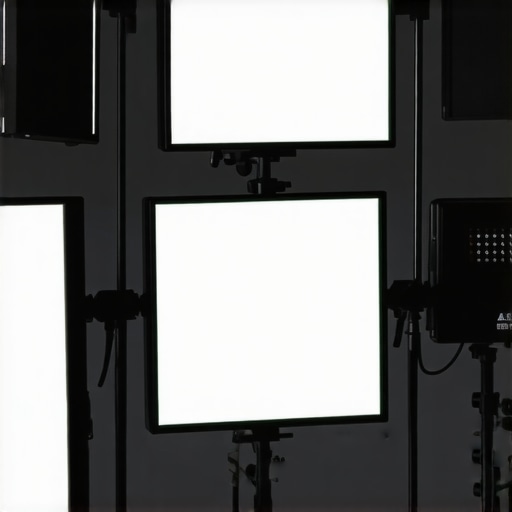
The Hardest Lesson I Learned About Softbox Mastery
One revelation was how small tweaks in softbox positioning significantly impact the final image. Early on, I believed more light was better, but I learned that softbox placement and diffusion nuances hold the key to natural, flattering light. Embracing patience and experimenting until the light feels just right was a game-changer for my workflow.
My Top Resources for Elevating Studio Lighting Skills
- Creator Rig Reviews: Their comprehensive guides on softbox and RGB tube lighting demystify complex concepts, giving me practical tips I could implement immediately.
- Industry-standard tutorials and forums: Communities and online courses provided insights that accelerated my learning curve, transforming my approach from guesswork to precision.
- Calibration software and light measurement tools: Ensuring accurate color temperature and intensity helped me produce consistent results, especially with RGB lighting experiments.
- This detailed guide is my go-to for mastering softbox techniques tailored to various scenarios, elevating my studio’s professionalism.
Your Chance to Transform Your Lighting Game
Incorporating these hidden lessons and resource secrets can dramatically elevate your studio lighting proficiency. Remember, the journey to perfect illumination is ongoing—each adjustment uncovers new possibilities. So, take the leap, experiment beyond the basics, and watch your visuals—be it portraits or product shots—reach professional heights. Now, I want to hear from you: Have you ever encountered a lighting challenge that led to a breakthrough? Share your story below and let’s learn together.
Need more personalized advice? Feel free to reach out here and let’s elevate your studio lighting setup today.
![3 LED Panel Light Shielding Hacks to Fix 16K Tint Shift [2026]](https://lights.creatorrigreviews.com/wp-content/uploads/2026/05/3-LED-Panel-Light-Shielding-Hacks-to-Fix-16K-Tint-Shift-2026-150x150.jpeg)



One response to “Best Softbox Lighting Tips for Creators: Enhance Your Studio Setup”