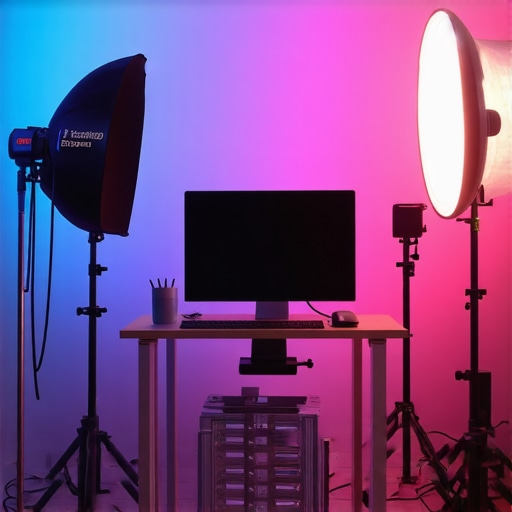
Have you ever spent hours tweaking your softbox or RGB tube lights, only to find your footage still looks flat, uninviting, or just plain wrong? I remember countless nights where I thought I had the perfect setup, only to realize my lighting was doing more harm than good. That moment of frustration — feeling like I was missing some secret trick — was a lightbulb moment for me. It made me realize that without the right techniques, even the most expensive gear can fall flat. If you’re tired of inconsistent results and want your videos and photos to truly shine, then you’re in the right place.
Why Lighting Matters More Than Ever in 2024
In a crowded creator space, good lighting is your best friend. It’s what separates amateur from pro, casual from captivating. Modern softboxes and RGB tube lights offer incredible versatility, but only if you know how to wield them. The truth is, many creators fall into the trap of thinking more gear equals better results. I did that early on, splurging on top-tier lights without mastering the basics. I wasted time, effort, and some hard-earned cash on setups that looked great in the store but fell apart on camera. A key mistake I made was neglecting the importance of positioning and understanding color temperature, which can dramatically impact your image’s mood and clarity. That’s why I started digging into proven techniques and strategies, which transformed my workflow.
Is Overcomplicated Lighting Really Worth the Hype?
One of the biggest fears I hear from creators is that mastering lighting is overly complex and expensive. Honestly? That’s a myth. You don’t need a million different lights or complicated setups. What you do need is a clear understanding of how to use what you have — whether it’s a simple softbox or an RGB tube light. For example, I once tried to use my RGB tubes as primary lights, thinking they were enough on their own. Turns out, they were just a part of the puzzle. Learning how to blend key, fill, and background lighting — like the techniques outlined in this guide — made all the difference. Don’t fall into the trap of thinking you need fancy gear; focus on technique and placement first.
So, if you’ve faced the frustration of uneven lighting or your shots looking dull, I promise that with some simple adjustments and the right knowledge, you’ll see a huge difference. Ready to dive into the practical tips that will elevate your lighting game in 2024? Let’s get started!
Set Your Key Light Correctly
The key light is your primary source, shaping the overall mood. Use a softbox to diffuse the light evenly across your face or subject, avoiding harsh shadows. I once attached a softbox to my LED panel and pointed it directly at my face, adjusting until the shadows softened naturally. Remember, positioning matters—place your key light at about 45 degrees to your face for flattering results. For more advanced techniques, check out this guide.
Adjust the Color Temperature
Match your key light’s color temperature to your environment or artistic intent. For natural skin tones, around 5600K works well, but for a warmer or cooler tone, tweak accordingly. I experimented with my RGB tube lights, shifting from cool to warm to see how it affected the mood. This simple tweak can drastically change your shot’s feel—try it to see what resonates.
Balance with Fill Light
The fill light softens shadows created by the key. Use a softer, less intense light, like a smaller softbox or an LED panel with diffusion. I once used a smaller softbox positioned opposite my key, which filled in shadows without overpowering. The goal is to create a natural, balanced look. For creative effects, explore this resource on fill light strategies.
Position Your Fill for Natural Results
Place your fill light slightly lower and opposite your key light, about 2-3 feet away. Adjust its brightness so shadows are softened but not eliminated. I found that dimming it slightly helped maintain depth while reducing harsh shadows, making my face look more lifelike.
Incorporate Background and Accent Lights
Adding background lights or accent lighting creates depth and interest. Use RGB tube lights to add color or highlight specific areas. I once placed a blue RGB tube behind me to add a cool tone to the background, which made my shot stand out. Experiment with placement and color to match your scene’s vibe.
Use Practical Lights for Realism
Incorporate practical lights—like desk lamps or string lights—to add realism and warmth. I once used a small lamp in the background, which added a cozy feel to my shot. These small touches can make your scene more believable and engaging.
Test and Refine Your Setup
Lighting is an iterative process. Take test shots, review, and adjust. I suggest shooting a short clip, then tweaking your lights until you get the perfect balance. Remember, even minor adjustments can have a big impact. Keep experimenting until your scene feels just right.
Many creators assume that selecting a softbox or LED panel light is just about choosing the brightest or the most expensive model. However, the real challenge lies in understanding the nuanced behaviors and often overlooked pitfalls that can sabotage even the most well-intentioned setup. Let’s dig deeper into what most people get wrong about these essential lighting tools and how to avoid common mistakes that could cost you professional results.
Why Brightness Isn’t Always Better
Everyone is told to get the highest lumen output, but in reality, overshooting your brightness can lead to overexposure or harsh shadows. Softboxes and LED panels with too much power can create a flat, unflattering look if not properly diffused or scaled down. Instead, focus on controlling light intensity through dimming or adjusting distance. This precision ensures your subject is illuminated naturally and with the right contrast, which is often neglected. For instance, mastering softbox setup can help you learn how to balance light intensity for different scenarios.
The Trap of One-Size-Fits-All Lighting
A common myth is that one type of light—be it a softbox, LED panel, or RGB tube—fits all shooting situations. This couldn’t be further from the truth. Each tool has its specific strengths and limitations. Softboxes excel at diffuse, flattering light but may lack the flexibility for creative color effects, which RGB tubes handle with ease. LED panels often provide a broader, more even spread but can fall short in high-contrast scenes if not used carefully. The key is understanding the context and purpose; relying solely on one tool can limit your creative potential. For advanced techniques, see RGB tube and LED panel innovations.
Beware the Illusion of Perfect Color Matching
Many assume that matching the color temperature of different lights is straightforward. In practice, subtle differences can cause your scene to look disjointed or unnatural. For example, mixing a 5600K softbox with a 3200K RGB tube without proper adjustment results in color inconsistencies. Advanced creators know to use a light meter or adjust white balance meticulously. Even more critical is understanding how to leverage fill lights to blend colors seamlessly, creating a harmonious scene that appears natural to the eye.
What about the Hidden Power of Placement?
Positioning your lights is often underestimated. A softbox placed at eye level and directly facing the subject might seem optimal, but it can flatten features or create unwanted shadows. Instead, small adjustments—like angling the softbox slightly or elevating it—can soften shadows and add depth. RGB tubes and LED panels offer more flexibility here, but they require a nuanced understanding of how light falloff and angle affect the mood. Learning how to use key light placement can elevate your visuals from amateur to cinematic.
In conclusion, mastering lighting isn’t just about equipment choices; it’s about understanding and manipulating subtle variables—brightness, color, placement, and intent. Avoid falling into the trap of common myths, and instead, focus on the nuanced behaviors of your tools. With this knowledge, you’ll be able to craft scenes that truly stand out. Have you ever fallen into this trap? Let me know in the comments.
Maintaining your lighting equipment, such as softboxes, LED panels, RGB tube lights, key lights, and fill lights, is essential for consistent, professional results. Over time, dust, bulb degradation, and misaligned components can diminish performance, leading to inconsistent lighting and color shifts. I personally schedule regular check-ups and cleaning sessions, which include wiping dust from diffusers, inspecting power cords, and ensuring that bulbs or LEDs are functioning optimally. This proactive approach extends the lifespan of my gear and guarantees reliable performance, especially during critical shoots.
One of my favorite tools for maintenance is a simple microfiber cloth combined with compressed air. For softboxes, I remove the diffusion fabric periodically to vacuum out dust and dirt that can accumulate over months of use. For LED panels and RGB tubes, I open the casing (following manufacturer instructions) to check for loose connections or dust buildup inside. A well-maintained fixture not only lasts longer but also ensures consistent color temperature and brightness, which are critical for professional-grade content creation.
Investing in quality power supplies and using surge protectors can prevent electrical damage that might otherwise shorten your equipment’s lifespan. I always use surge protectors to safeguard my lights from voltage spikes, especially during storms or unstable power sources. Additionally, keeping firmware or software for smart lights up-to-date can resolve bugs and optimize performance, so I set reminders to check for updates regularly.
Predicting future trends, I believe that smart, self-diagnostic lighting systems will become more prevalent, automatically alerting you to issues like overheating, bulb degradation, or firmware updates. This will simplify long-term maintenance, allowing creators to focus more on content than gear troubleshooting.
How do I maintain my lighting setup over time?
Start with a routine cleaning schedule, inspecting connections and diffusers every few months. Keep documentation or manuals handy to understand disassembly and troubleshooting procedures. Regularly calibrate your lights if possible, especially when changing bulbs or LEDs, to maintain accurate color rendering. For advanced setups, I recommend using a light meter to verify consistent brightness and color temperature across different sessions, which can be crucial for matching shots in multi-day shoots. To streamline this process, consider tools like the softbox and RGB tube lighting guides that include calibration tips.
Lastly, stay informed about new maintenance techniques and software updates by following trusted industry blogs and forums. This proactive approach will ensure your lighting remains reliable, vibrant, and ready for any creative challenge. Don’t wait until a light fails during a shoot—schedule regular check-ups and enjoy worry-free performance, knowing your gear is in top shape.
The Hardest Lessons I Learned About Softbox, LED Panel, RGB Tube Lights
One of my biggest realizations was that even with top-tier equipment, poor placement or neglecting color temperature can ruin a shot. I once spent hours tweaking my RGB tube lights, only to find my footage looked flat because I didn’t understand how to balance their colors properly. That taught me that understanding the behavior of each light type is crucial for professional results.
3 Myths About Lighting That Held Me Back
I used to believe that the brightest light always meant better footage. Turns out, overexposure can flatten images and wash out details. Another myth was that one light could do everything, but I learned that combining key, fill, and background lights creates depth and mood. Lastly, I thought color matching was straightforward—until I saw how subtle differences in temperature could make or break a scene. Learning to control these elements changed my entire approach.
What Experts Won’t Tell You About Gear and Technique
Many professionals keep quiet about the importance of light placement. A small angle adjustment or elevating your softbox can dramatically improve shadow softness and facial contours. I discovered that understanding falloff and angling lights strategically makes scenes look more cinematic. Also, mastering control over your light intensity and diffusion is often overlooked but essential for achieving natural, flattering results.
Curated Recommendations for Lighting Success
My Essential Toolkit for Lighting includes the softbox setup guide, which taught me how to diffuse and position my key light effectively. The fill light strategies for RGB tubes helped me balance shadows seamlessly. For creative background effects, the RGB tube effects guide opened new artistic possibilities. Trust these resources—they’ve transformed my lighting approach.
Your Turn to Shine with Lighting
Remember, mastering lighting in 2024 isn’t about expensive gear; it’s about understanding your tools and experimenting with placement, color, and diffusion. The more you learn about the behavior of your lights, the more natural and cinematic your scenes will become. So, don’t be afraid to tweak, test, and refine—your perfect shot is just a few adjustments away. Are you ready to take your lighting game to the next level? Share your biggest challenge below and let’s troubleshoot together!
![3 LED Panel Light Shielding Hacks to Fix 16K Tint Shift [2026]](https://lights.creatorrigreviews.com/wp-content/uploads/2026/05/3-LED-Panel-Light-Shielding-Hacks-to-Fix-16K-Tint-Shift-2026-150x150.jpeg)


5 responses to “Ultimate Softbox & RGB Tube Lighting Tips for Creators in 2024”