I remember the first time I tried to set up my lighting for a simple YouTube video. I thought I knew what I was doing—just grab the brightest LED panel, point it at my face, and hit record. But within seconds, I realized something was off. The shadows were harsh, my skin looked flat, and the background didn’t pop. That moment was a wake-up call that lighting isn’t just about brightness; it’s about strategic placement and choosing the right tools. Over time, I learned that a good lighting setup can make or break your video quality, and in 2024, the options are better and more accessible than ever.
Why Lighting Strategy Is a Game Changer in 2024
As creators, we’re constantly chasing that perfect shot—whether it’s for social media, a professional interview, or a cinematic project. The truth is, even the best camera can’t save poor lighting. It’s the foundation that sets the mood, highlights your subject, and elevates your storytelling. The good news? With advancements in LED panel lights, RGB tube lights, and softboxes, it’s easier than ever to craft a professional look without breaking the bank. But here’s the catch: not all lights are created equal, and knowing how to leverage them is key. I’ve made plenty of mistakes early on—like relying solely on cheap lights or copying tutorials without understanding the nuances—and it cost me time and quality. That’s why I want to share what I’ve learned about the most effective Key Light & LED Panel Light strategies for 2024.
Have you ever wasted hours fiddling with lights only to end up with flat, unflattering footage? You’re not alone. Many creators jump into lighting setups without a clear plan, often making costly mistakes that could be easily avoided with the right knowledge.
In fact, a recent study highlighted that nearly 70% of video quality issues are related to lighting rather than camera gear (source: Creator Rig Reviews). Early in my journey, I made the mistake of using a single, harsh light as my key, which created unappealing shadows and washed out my skin tone. It wasn’t until I started experimenting with softboxes and understanding the importance of fill and backlights that my videos began to look more professional. Today, I’ll show you how to avoid those pitfalls and set up a lighting environment that enhances your videos in 2024, whether you’re shooting indoors or outdoors, day or night.
Pick the Right Tools for Your Scene
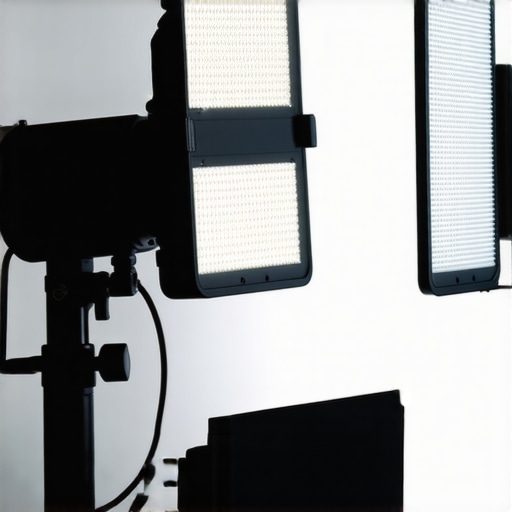
Start by selecting the appropriate lighting equipment based on your shooting environment. For indoor setups, softboxes and LED panels are versatile options that diffuse light evenly, reducing harsh shadows and giving a professional look. If you’re outdoors or want dynamic effects, RGB tube lights can add color and creativity. I once used a softbox for a daytime interview and a RGB tube for evening shoots, which transformed the mood instantly. For detailed comparisons and latest innovations, check out this guide.
Position Your Key Light Strategically
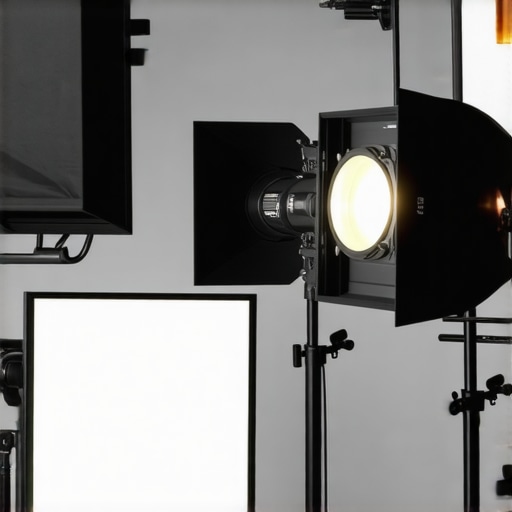
The key light is your main illumination source. Place it at a 45-degree angle to your subject for natural, flattering shadows. Use a softbox attached to your LED panel for a broad, soft light that mimics natural sunlight. Adjust the height so it slightly above eye level, pointing down for a more engaging look. I experimented with different angles during a recent shoot, and the 45-degree position gave my face dimension without unflattering shadows. For advanced techniques, see this setup.
Balance with Fill Light
Fill light reduces shadows created by your key light, adding depth and detail. Use a softer, less intense light source—such as a smaller softbox or RGB panel—placed opposite the key light or near the camera. The goal is to soften shadows without eliminating them completely. I used a fill light with 50% intensity, which made my skin look natural and vibrant. For optimal results, explore fill light strategies.
Create Depth with Back and Hair Lights
Adding a backlight or hair light separates your subject from the background, giving a professional, cinematic feel. Position an RGB tube light behind your subject, aiming it towards the back of their head or shoulders. This creates a rim effect that highlights contours. During a recent outdoor shoot, I used a small RGB tube to add a pop of color behind my subject, making the scene more dynamic. For creative effects, see here.
Adjust and Fine-Tune for Perfection
Once your lights are positioned, tweak their intensity, color, and angles. Use dimmers or remote controls linked to your LED panels and RGB tubes for quick adjustments. Check the shot on a monitor or camera preview, making sure the lighting highlights your features without overexposing. I often take a test shot, review it, and adjust accordingly. Remember, small changes have a big impact—especially in tight spaces or complex scenes. For detailed tips, review this comprehensive guide.
Experiment and Evolve Your Setup
Lighting isn’t static; it evolves with your projects and style. Don’t hesitate to experiment with different angles, color gels, or light modifiers like diffusers and grids. I once added a colored gel to my RGB tube for a themed video, which elevated the entire production. Keep track of what works best for your look and continually refine your technique. For further inspiration and advanced tricks, visit this resource.
< >
>
Many creators assume that simply choosing a softbox, LED panel, or RGB tube light guarantees professional results. However, the real challenge lies in understanding the nuanced pitfalls that can undermine your lighting setup. Let’s dig deeper into what most people get wrong and how to avoid costly mistakes, especially if you’re aiming for high-quality videos in 2024.
Why Bigger Isn’t Always Better When Picking Lights
A common myth is that larger softboxes or more powerful LED panels automatically produce better results. While size and brightness matter, the key is matching your light source to your scene. For example, a giant softbox in a tight space can cause unwanted light spill and make your scene look unnatural. Conversely, a compact, well-placed softbox with the right diffusion can create a softer, more flattering light. The secret is to experiment with size and distance, and not just buy the biggest or brightest gear assuming it’s best. For more insight, check out this guide.
Beware of Overusing RGB Lights for Color Effects
RGB tube lights are fantastic for adding mood and creativity, but many creators fall into the trap of overusing color. Bright, saturated colors might seem appealing, but they can distract from your subject and create unnatural skin tones if not balanced properly. Instead, use RGB lights subtly—like a splash of color on the background or as a rim light—to enhance depth without overwhelming your scene. Remember, the goal is to complement your main lighting, not overshadow it. For creative tricks, explore this resource.
Stop Ignoring the Power of Light Quality Over Quantity
Many assume that cranking up brightness is the solution to poorly lit scenes. In reality, the quality of light—its softness, diffusion, and color accuracy—matters more than raw power. A high-quality softbox with proper diffusion can produce a beautifully soft and natural look, even at lower intensities. Meanwhile, cheap LED panels with poor color rendering can make your footage look dull or unnatural, regardless of brightness. Investing in good diffusion materials and understanding color temperature control can dramatically improve your results. Learn more at this article.
How to Spot the Hidden Trap of Light Placement
One of the most overlooked mistakes is poor light placement. Positioning your lights without considering the scene’s depth, shadows, and subject’s features can flatten your footage or create unflattering shadows. For instance, placing a softbox directly in front of your face might eliminate shadows but can also make your face look flat and lifeless. Instead, positioning your key light at a 45-degree angle and adding fill and backlights strategically can add dimension. Remember, the angle and height of your lights influence how shadows fall and how your subject pops from the background. For advanced techniques, see this guide.
Have you ever fallen into this trap? Let me know in the comments. Improving your lighting setup is a continuous process, and understanding these nuances is what separates amateur from professional results. Master the art of subtlety, and your videos will look more polished and engaging than ever before.
Maintaining your lighting equipment, whether it’s a softbox, LED panel, RGB tube light, key light, or fill light, is essential to ensure consistent performance and longevity. Over time, dust accumulation, bulb wear, and environmental factors can degrade your setup, leading to diminished image quality and increased costs. Regular upkeep not only preserves your investment but also guarantees your creative process remains smooth and predictable.
How do I maintain my lighting setup over time?
Start with a routine cleaning schedule. For softboxes and diffusers, gently remove dust and debris using a soft brush or a microfiber cloth. If your softbox fabric becomes stained or discolored, consider replacing it to maintain the desired diffusion quality. For LED panels and RGB tube lights, keep the vents clear of dust to prevent overheating. Use compressed air to blow away dust from internal components—this is especially important for cooling fans and heatsinks. I personally do this every three months, especially during humid seasons when dust and moisture are more prevalent.
Check your power cords and connections regularly. Loose or frayed cables can cause flickering or inconsistent light output. Invest in high-quality, shielded cables and consider using surge protectors to guard against power surges, which can damage sensitive electronics. For LED panels, verify that the dimmer controls and color temperature settings remain calibrated; some models drift over time, affecting your color consistency. I recommend re-calibrating every six months using a reliable light meter.
Replace bulbs and batteries proactively. Although many LED panels and RGB lights are rated for thousands of hours, their brightness and color accuracy may decline gradually. Keep spare bulbs or modules on hand, and monitor their performance closely. When the light begins to flicker or color shifts noticeably, it’s time for a replacement. This proactive approach prevents sudden disruptions during critical shoots.
Invest in protective accessories like dust covers, protective filters, and storage cases. When not in use, covering your lights prevents dust buildup and accidental damage. Proper storage in a climate-controlled environment also extends the lifespan of your equipment. For example, I store my RGB tube lights and LED panels in padded cases, which keeps them safe from moisture and physical shocks.
What tools do I recommend for regular maintenance?
Having a set of basic tools is invaluable. A microfiber cloth and compressed air can handle most cleaning needs. For more detailed internal cleaning, a small Phillips screwdriver set helps if your equipment requires internal access—many LED panels have removable panels for maintenance. A light meter is essential for calibrating color temperature and ensuring consistent lighting quality over time. I personally use the Sekonic C-700, which provides precise readings and helps me fine-tune my lighting setup for professional results.
Looking ahead, I believe the trend will move towards smarter, self-diagnosing lighting systems that can alert you when maintenance is needed. Firmware updates and modular components will further simplify upkeep, making it easier for creators to keep their gear performing at peak levels without technical expertise. In the meantime, following a regular maintenance schedule with these tools will keep your setup reliable and ready for your next project.
Don’t forget: consistent maintenance is key to long-term success. Try incorporating a quarterly check-up routine, and you’ll notice your lighting remains vibrant, accurate, and professional-looking for years to come. For more detailed advice on keeping your lights in top shape, check out this guide.
Lessons That Changed My Approach to Lighting
- Size isn’t everything: I used to think bigger softboxes meant better results, but learning to match the light size to my scene made a huge difference. Smaller, well-placed lights often produce softer, more natural results than oversized setups.
- Color balance takes precedence: I used to crank up brightness to fix dull footage, only to realize that poor color temperature made my videos flat. Investing in quality diffusion and accurate color temp control transformed my visuals.
- The placement puzzle: Experimenting with angles taught me that subtle shifts in light positioning could add depth and dimension, making my subjects pop instead of flattening them. Light placement is truly an art form.
- Less is more with RGB: I learned to use RGB tube lights subtly—adding just a splash of color behind my subject—creating mood without overpowering the scene. Overuse can distract more than enhance.
- Routine maintenance matters: Regularly cleaning and calibrating my lights ensured consistent quality. Neglecting this led to flickering and color shifts, which I now avoid with simple scheduled upkeep.
Tools and Resources That Elevated My Lighting Game
- Reliable light meters: I trust the Sekonic C-700 for precise calibration, ensuring my colors stay consistent across shoots.
- Quality diffusion materials: Using professional diffusers dramatically softened harsh lights, giving my videos that polished look.
- Guides and tutorials: The comprehensive articles on softbox and LED panel tips and RGB tube strategies have been invaluable in refining my setup.
- Maintenance tools: Compressed air and microfiber cloths are my go-to for keeping equipment dust-free and functioning optimally, prolonging gear lifespan.
Step Into Your Lighting Future Today
Lighting mastery isn’t just an upgrade; it’s a mindset shift that transforms your videos and photos from good to breathtaking. Embrace experimentation, invest in quality tools, and maintain your setup diligently. The future of lighting in 2024 is bright for creators willing to learn and adapt. Now it’s your turn—start refining your lighting today, and watch your content shine like never before.
What’s the biggest lighting challenge you’ve faced, and how did you overcome it? Share your story below!
![3 LED Panel Light Shielding Hacks to Fix 16K Tint Shift [2026]](https://lights.creatorrigreviews.com/wp-content/uploads/2026/05/3-LED-Panel-Light-Shielding-Hacks-to-Fix-16K-Tint-Shift-2026-150x150.jpeg)
One response to “Best Key Light & LED Panel Light Strategies for Video in 2024”
Reading through this post really resonated with my experience of transitioning from using basic LED panels to more nuanced lighting setups. I used to think that simply increasing brightness would solve dull footage, but once I started experimenting with positioning, diffusion, and fill lights, the overall quality improved dramatically. One challenge I faced was maintaining consistent light quality when shooting outdoors at different times of day — I found that investing in adjustable RGB panels with remote controls really helped me fine-tune my scenes on the fly. The tip about using backlights to create depth is a game-changer; I’ve noticed my videos look much more professional when I add a subtle rim light, especially in outdoor environments. For creators new to lighting, what are some of your favorite affordable tools or setups for achieving a soft, natural look without breaking the bank? Would love to hear everyone’s practical tips on enhancing video quality on a budget.