Have you ever sat in front of your camera, ready to shoot, only to realize your lighting looks flat, dull, or just plain wrong? I’ve been there. I used to think that just having some lights was enough, but the truth is, good lighting is an art—and a science. I remember spending hours fiddling with my setup, trying to get everything just right, only to be disappointed with the results. That frustrating experience was my lightbulb moment. I realized that understanding the nuances of softbox and RGB tube lights could transform my videos and photos from mediocre to professional-looking. Today, I want to share what I’ve learned—tips that will help you elevate your studio lighting game in 2024.
Why Lighting Is the Heart of Your Studio Setup
Great lighting isn’t just about brightness; it’s about creating mood, depth, and clarity. Poor lighting can sabotage even the best camera gear and editing skills. As a creator, I’ve discovered that investing in the right softbox and RGB tube lights makes a world of difference. Not only do they give you control over color and intensity, but they also allow for creative experimentation—think vibrant backgrounds, subtle shadows, or soft glow effects. If you’re tired of inconsistent results or feeling overwhelmed by lighting options, trust me, mastering your lights will boost your confidence and output. Plus, with innovations in 2024, the market now offers smarter, more versatile lighting solutions than ever before. For a deeper dive into new LED panel tech, check out this guide on LED panel innovations.
Do You Fear Your Lighting Setup Won’t Make the Cut?
Early on, I made the mistake of assuming that brighter was better, or that I could just slap a light in any corner and call it a day. That’s a common trap. Without proper knowledge, I ended up with harsh shadows, uneven skin tones, and colors that looked off. It wasn’t until I learned about proper softbox placement and RGB color balancing that my shots improved. Remember, even the most expensive equipment won’t save you if you don’t understand how to use it effectively. So, if you’re worried about wasting money on fancy gear or not getting the professional look you crave, you’re not alone. Fortunately, with a few simple techniques, you can avoid these pitfalls and truly harness the power of your lights. Want to learn more? This softbox lighting guide is a great place to start. Let’s get into the practical tips that will turn your studio into a lighting masterpiece in 2024.
Position Your Lights with Purpose
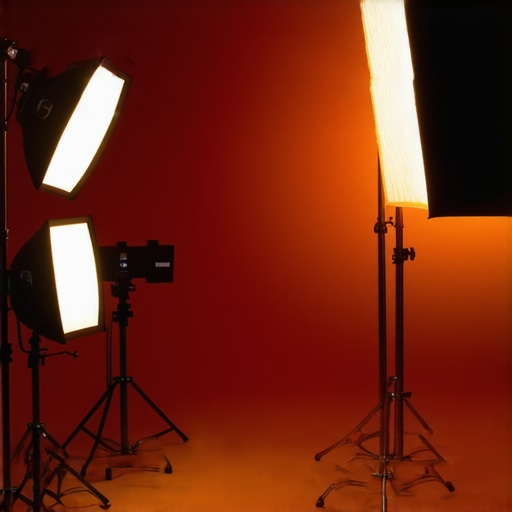
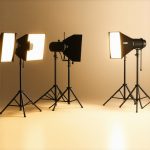
Start by placing your softbox at eye level, about 45 degrees to your face, to create a flattering, natural look. I remember once I hurriedly set my key light too high and ended up with unflattering shadows. When I finally lowered it and aligned it properly, my shot instantly improved, resembling professional portraits. For more advanced positioning, experiment with placing your softbox slightly above or below eye level to add depth and mood. Use a mirror to see how different angles impact your appearance.
Softbox Placement Tips
- Keep the softbox a few feet away to avoid harsh shadows and ensure diffuse, even light.
- Use a reflector or fill light to soften shadows on the opposite side.
- Adjust the angle until your face looks evenly lit, avoiding flatness or hotspots.
Control Your Color and Brightness
Modern RGB tube lights offer a spectrum of colors and dimming options, giving you creative control. I once set my RGB tubes to a warm amber for a cozy evening vibe but found that reducing the intensity too much made my skin look dull. Learning to balance color temperature and brightness is key—start with neutral white, then add subtle color accents. For instance, use a cooler tone on the background for contrast or a warm hue to add warmth to your skin tones.
Color Balancing Techniques
- Use your RGB controls to match ambient light or create a specific mood.
- Adjust the saturation and hue for nuanced effects—less is often more.
- Combine RGB tubes with softboxes for versatile lighting setups that can switch from professional to creative in seconds.
Set Your Lights for Different Times of Day
Lighting needs shift depending on the natural light available and the mood you want. During a shoot at dawn, I relied heavily on my softbox to mimic natural morning light, following tips from this guide. Conversely, for evening shoots, RGB tubes helped me add vibrant accents or simulate sunset hues, inspired by these creative uses. Mastering this timing ensures your lighting complements the scene perfectly.
Timing and Adjustment Tips
- Use dimming controls to match your light with natural conditions.
- Change color temperature to warm or cool depending on the time of day.
- Experiment with light placement during different hours for dynamic results.
Balance Your Key and Fill Lights
Achieving a natural yet professional look involves balancing your main (key) and secondary (fill) lights. I once relied solely on my softbox as a key light, which looked good but flat. When I added an RGB fill light at a lower intensity on the shadow side, my shots gained depth and dimension. This technique prevents your scene from looking overly flat or overly contrasty.
Effective Fill Light Strategies
- Place your fill light opposite your key to soften harsh shadows.
- Use RGB tubes to subtly add color or warmth to your fill for creative effects.
- Adjust the intensity until shadows are softened but details are preserved.
Use Creative Angles and Diffusion
Don’t be afraid to experiment with different angles. Moving your softbox slightly off-center or bouncing light with reflectors can add natural shadows and depth. I discovered that angling my softbox downward created a gentle, flattering shadow under my chin, enhancing my features. For added softness, always use diffusion material—this reduces glare and creates a smooth, professional look. Combining diffusion with strategic positioning elevates your lighting significantly.
Creative Tips
- Use flags or barn doors to control spill and shape the light.
- Experiment with bouncing light off walls or ceilings for softer, more natural illumination.
- Mix diffusion gels with colored RGB effects for unique moods.
Track Your Progress and Adjust
Regularly review your shots on a monitor or camera screen. I found that what looked good in my setup sometimes appeared flat or overexposed on camera. Use a light meter or your camera’s zebras to ensure proper exposure and contrast. Fine-tune your lights based on the scene’s needs—sometimes, small adjustments make a big difference. Keep notes of what works best for different scenarios to streamline your process.
With these concrete steps, you’ll develop a keen eye for lighting that transforms your videos and photos into professional-grade content. Remember, practice and experimentation are your best allies on this journey.
Many creators jump into lighting setups believing they already know the basics, but there are several misconceptions that can trip you up even at an advanced level. Let’s dig deeper into what most people get wrong about softbox and RGB tube lights, so you can avoid these pitfalls and truly elevate your studio game in 2024.
Why Brightness Alone Won’t Save Your Shots
One of the most persistent myths is that increasing brightness automatically improves your image quality. While a well-lit scene is essential, overexposure can wash out details and create harsh shadows—especially when using powerful softboxes or RGB tubes at full blast. Instead, focus on controlling light intensity to match your scene’s mood and natural light conditions. For example, during softer evening shoots, dimming your RGB tubes and using diffusion can produce a flattering, natural look that a simple bright light can’t achieve. This nuanced control is often overlooked by beginners who assume more light always equals better results.
Beware the Placement Trap
Many creators fall into the trap of placing lights based on intuition rather than purpose. Softboxes should be positioned to sculpt the face and create depth—think about the angle and height relative to your subject. RGB tubes, on the other hand, are often underutilized because creators don’t experiment with their placement, color, or integration with softboxes. Proper positioning involves understanding how light falloff and shadows work together, which can dramatically impact the scene’s atmosphere. For instance, angling RGB tubes slightly above eye level with a cooler hue can add subtle contrast and dimension, especially when combined with diffusion. Mastering softbox placement is key to avoiding flat lighting and achieving professional results.
Advanced Mistake: Ignoring Color Psychology and Nuance
It’s tempting to think of RGB lights as just a fun way to add color. But sophisticated creators understand that color temperature and saturation influence mood, perception, and storytelling. Using vibrant reds or cool blues without understanding their psychological impact can undermine your scene’s narrative. The nuance lies in subtlety: adding a gentle amber hue to your RGB tubes can evoke warmth, while a slight blue tint can create a sense of calm or mystery. Overdoing it, however, results in unnatural, distracting scenes. As expert lighting designers emphasize, balanced color control is essential for professional results.
Have you ever fallen into this trap? Let me know in the comments.
Keeping your studio lighting setup in top shape requires more than just selecting the right equipment; it involves proper maintenance and the right tools to ensure longevity and consistent performance. Over time, even the most advanced softbox and RGB tube lights can experience wear and tear, affecting their brightness, color accuracy, and reliability. That’s why I recommend investing in specific tools and adopting regular maintenance routines to keep your lights functioning optimally in 2024.
Tools That Make Maintenance Easier
One of my go-to tools is a high-quality digital light meter. This device allows me to precisely measure light output and ensure my softboxes and RGB tubes are delivering consistent illumination. Regularly checking your light levels helps catch any decline in brightness early, preventing uneven lighting in your shoots. I personally prefer the Sekonic LiteMaster Pro because of its accuracy and ease of use.
Another essential tool is a good cleaning kit for your equipment. Dust, fingerprints, and debris can accumulate on your lights and diffusion materials, dulling the output and affecting color rendering. I keep a soft microfiber cloth, compressed air, and gentle cleaning solutions on hand to regularly wipe down my softboxes and RGB tubes without risking damage. Proper cleaning extends the lifespan of your gear and maintains image quality.
How do I maintain my lighting equipment over time?
Establishing a routine maintenance schedule is crucial. I recommend inspecting your lights weekly for dust buildup, loose connections, or signs of wear. For softboxes, check the diffusion fabric for tears and ensure the frame remains sturdy. For RGB tubes, verify that the connectors are secure and that the tubes emit consistent color without flickering. Periodically testing your lights with a light meter can reveal gradual output drops, prompting timely replacements or repairs.
Additionally, storing your equipment properly is vital. Keep softboxes in a dry, cool place, and avoid exposure to direct sunlight or extreme temperatures, which can degrade materials over time. Using protective covers for your RGB tubes and softboxes when not in use prevents dust accumulation and accidental damage.
Future Trends in Maintenance and Equipment Durability
Looking ahead, I believe the integration of smart diagnostics into lighting systems will become more prevalent. Future LED panels and RGB lights may feature built-in sensors that alert you to overheating, power issues, or component degradation via smartphone apps. This proactive approach will make maintenance more efficient and reduce downtime, ensuring your studio remains ready for any shoot.
In the meantime, adopting these practical tools and routines will help you keep your studio lighting in excellent condition. Remember, well-maintained equipment not only saves money in repairs and replacements but also guarantees consistent, professional-quality results. Don’t forget to try out a digital light meter or schedule regular cleanings—small steps that make a big difference.
If you want to explore more about maintaining your lighting setup, check out this guide on LED panel innovations to stay ahead of the curve in 2024.
The Hardest Lesson I Learned About Studio Lighting
Early in my journey, I believed that more powerful lights automatically meant better results. It took experimenting and some costly mistakes to realize that control and placement are far more important than brightness alone. Learning to dial in the right intensity changed my entire approach.
What I Wish I Knew About RGB and Softbox Lighting
I used to think RGB tubes were just for fun, but now I see them as vital tools for mood and storytelling. Their true power lies in subtle color balancing, which can evoke emotion and add depth when used thoughtfully—something I wish I had grasped sooner.
How Proper Positioning Transformed My Shots
Placing softboxes at eye level with the right angle made my lighting soft, natural, and flattering. Moving lights just a few inches or changing their height drastically improved the quality of my videos. This simple shift taught me the importance of purpose-driven placement.
My Essential Toolkit for Lighting Success
- Digital Light Meter: I rely on the Sekonic LiteMaster Pro for precise measurements, ensuring consistent lighting and avoiding overexposure.
- Cleaning Kit: Dust and fingerprints diminish light quality. Regular cleaning with microfiber cloths and compressed air keeps my gear performing at its best.
- Diffusion Materials: Using diffusion gels and bouncing light off surfaces creates softer, more professional results.
- Color Calibration Tools: Ensuring RGB tubes are accurately color-balanced prevents unexpected hues and maintains scene consistency.
Believe in Your Creativity and Keep Learning
Lighting is an art that rewards experimentation. Don’t be afraid to try different angles, colors, and diffusion techniques. Your unique style will emerge as you refine your skills. Remember, the best creators are those who keep pushing boundaries and learning from each shoot.
What’s the biggest lighting challenge you’ve faced? Share your experience below and let’s grow together in mastering studio lighting in 2024!
![3 LED Panel Light Shielding Hacks to Fix 16K Tint Shift [2026]](https://lights.creatorrigreviews.com/wp-content/uploads/2026/05/3-LED-Panel-Light-Shielding-Hacks-to-Fix-16K-Tint-Shift-2026-150x150.jpeg)
3 responses to “Best Softbox & RGB Tube Light Tips for Creator Studio Lighting in 2024”
Reading through this post really highlighted how much the science of lighting can elevate your production quality. I’ve found that even small adjustments to softbox placement, like moving it a few inches or changing the height, can significantly impact the look of your shot. It’s interesting how such subtle tweaks add depth and realism, especially when combined with RGB lighting to set the mood. I’ve recently started experimenting with diffusion materials, and the difference is noticeable—so much softer and more professional. One thing I’ve struggled with is balancing color temperature when mixing natural and artificial light sources. Do any of you have tips on achieving a seamless blend? I’d love to hear how others manage color consistency across different lighting setups. Overall, this article reminded me that mastering these nuances is crucial for creating a studio that’s both versatile and high-quality.
This post really resonated with me because I’ve personally experienced how a slight change in softbox angle or height can make all the difference in creating a natural, flattering look. I’ve been experimenting with RGB tube lights to introduce color accents, and I’ve found that subtle shifts in saturation and hue can dramatically alter the mood, whether I want a warm, inviting vibe or a cooler, more mysterious atmosphere. One challenge I faced early on was balancing the natural light coming in through the window with my artificial lights, which sometimes resulted in mismatched color temperatures. To solve this, I started using my RGB lights at lower intensities and adjusting their color temperatures to match the ambient daylight, which yielded much more seamless scenes. Has anyone here found effective ways to calibrate RGB lights with natural light? I’d love to hear some strategies because understanding this better could really elevate our lighting setups.
I completely agree with the importance of proper light placement and balancing color temperatures. I’ve been experimenting with softboxes at different heights and angles, and it’s fascinating how even minor tweaks can dramatically change the scene’s depth and mood. I also started using a light meter to fine-tune my setup, which really helped me achieve consistent results. Regarding natural and artificial light blending, I’ve found that adjusting the RGB light’s hue and saturation helps match the scene’s ambient light, especially during dawn or dusk shoots. Have others tried using custom presets on RGB lights for different times of day? It could save a lot of time and make transitions smoother. These small but deliberate adjustments not only elevate the professional look but also boost my confidence in my setups. Do you think incorporating more automation or presets into RGB lighting could further streamline this process? I’d love to hear what strategies others are finding effective.