Ever spent hours trying to DIY your lighting setup, only to find your shots look flat or overly harsh? I’ve been there. One day, after wasting countless takes and feeling frustrated with my lackluster results, I had a revelation. The secret wasn’t in the newest camera or expensive lens—it was all about mastering the lighting. That lightbulb moment changed everything for me, and I want to help you avoid the same pitfalls.
Why Your Lighting Choices Make or Break Your Cinematic Look
In my early days, I thought a decent camera could save any shot. Turns out, good lighting is the backbone of cinematic quality. Without it, even the most expensive gear can look amateurish. But with the right key light and RGB tube setup, you can dramatically elevate your videos—making your subjects pop and your scenes feel more immersive. It’s about creating depth, mood, and a natural look that draws viewers in. And yes, the right lighting can even fix poor natural light conditions, saving your shoot when the sun isn’t cooperating.
Over the years, I’ve experimented with countless setups, and I’ve learned that choosing the correct key light and knowing how to incorporate RGB tubes can unlock a new level of creativity. Whether you’re filming a cinematic scene or just vlogging, the principles remain the same. If you’re tired of dull, lifeless footage, stick around. I’ll walk you through the essential techniques and gear you need to shine brightly in 2024’s filmmaking scene.
Is the Hype About RGB Tube Lights Actually Justified?
Early on, I made the mistake of thinking RGB tubes were just a flashy gimmick—until I realized how versatile they are. They can mimic natural lighting, add creative color accents, and even serve as practical light sources in tight spaces. The key is knowing how to use them effectively. Trust me, it’s worth investing time to learn how to leverage these tools properly, rather than just adding colorful lights for the sake of it. If you want real, actionable tips, check out our guide to RGB tube lighting techniques that will elevate your storytelling.
So, are you ready to transform your videos with smarter, more cinematic lighting? If you’ve ever struggled to get your shot just right because of bad lighting, know that you’re not alone. The good news is, with the right setup and a little know-how, you can turn even a simple space into a cinematic masterpiece. Let’s dive into the how-to’s, starting with understanding the core principles of effective key lighting and the magic of RGB tubes in 2024.
Position Your Key Light Precisely
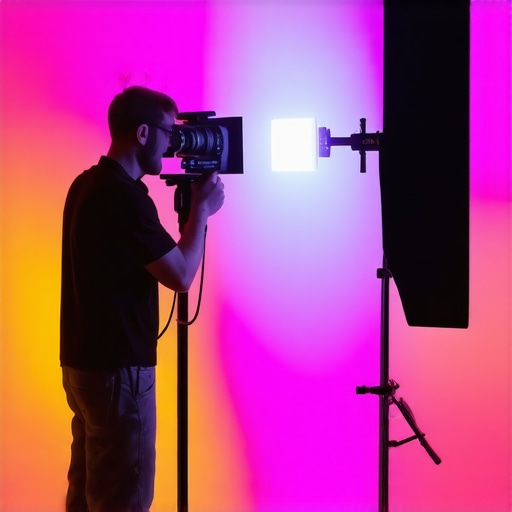
Start by placing your key light at a 45-degree angle to your subject, slightly above eye level. This angle mimics natural sunlight and creates appealing shadows that add depth. I once set my key light directly in front, which flattened my subject’s face, making it look dull. Moving it to the side instantly added dimension and made the shot pop.
Adjust Intensity and Diffusion for Soft, Natural Light
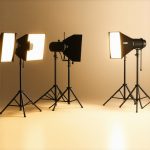
Use a softbox or diffuser with your key light to soften harsh shadows. In my early shoots, I tried to save money by skipping diffusion, but the result was unflattering, hard shadows. When I added a softbox, skin tones became more flattering, and the scene looked more cinematic. Consider dimming your light or using diffusion materials to get that gentle, wraparound glow.
Set Up RGB Tubes for Creative Flair
Position RGB tubes behind or around your subject to add color accents and depth. I once placed an RGB tube behind a window scene, coloring the background subtly, which transformed the mood. Experiment with different colors; red and blue can create a dramatic vibe, while warm hues evoke intimacy. Use the effects of RGB tubes creatively, like in evening shoots.
Balance Light Ratios for Consistency
Control the brightness of your key and fill lights to achieve a natural look. I made the mistake of overexposing my key light, which washed out details. Using a light meter or camera histogram, I adjusted my fill light to soften shadows without eliminating them. A typical ratio is 2:1 or 3:1 depending on the mood—darker scenes need more contrast, while brighter scenes require more fill.
Use Practical Lights for Realism
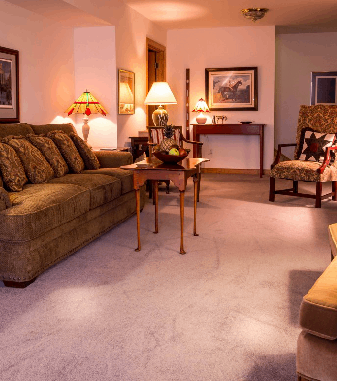
Integrate practical lights, like lamps or candles, to complement your setup. I once added a small desk lamp in the background, which added authenticity and warmth. Practical lights help blend your artificial lighting with real-world sources, making scenes feel more believable.
Experiment and Refine Your Setup
Lighting is an art that improves with practice. Take time to experiment with angles, distances, and intensities. I spent an afternoon rearranging my RGB tubes and softboxes, which initially led to messy results, but eventually yielded a setup that suited my style perfectly. Keep notes and tweak your setup until you achieve the cinematic look you envision.
Many filmmakers and content creators fall prey to misconceptions about lighting, which can undermine even the best gear. Let’s dig deeper into what most people get wrong and how you can sidestep these pitfalls to elevate your cinematic quality.
Why Overcomplicating Lighting Setup Can Backfire
One of the biggest myths is that more lights equal better results. In reality, over-lighting can create a flat or unnatural look, especially if you don’t consider light placement and ratios. Beginners often throw multiple RGB tubes and softboxes into the scene, hoping to achieve a “professional” feel, but end up with cluttered, inconsistent lighting. Instead, focus on mastering a simple, strategic setup—like a well-placed key light combined with subtle fill and background accents. This approach not only saves time but ensures your scenes look intentional and polished. For advanced tips, check out our guide on key light techniques.
Ignoring the Nuance of Light Quality and Direction
Many assume that brightness alone determines good lighting. However, the quality, color temperature, and direction matter just as much. For example, a harsh, undiffused RGB tube can create unflattering shadows that distract viewers, especially in close-up shots. Conversely, soft, directional lighting with proper diffusion produces a natural, cinematic glow. The nuance lies in understanding how to manipulate these factors for your scene’s mood. An advanced filmmaker will use a combination of softboxes and RGB tubes to create depth, contrast, and emphasis—without relying on gimmicks. To learn about softbox techniques, visit our softbox lighting guide.
Common Mistake: Relying on Natural Light Without Control
While natural light can be beautiful, depending solely on it often results in inconsistent results. The misconception is that natural light is “free” and thus better, but it’s unpredictable. The sun’s angle, weather conditions, and time of day can ruin your shot. Many overlook the importance of controlling natural light with flags, reflectors, and diffusion. Advanced creators learn to supplement natural light with RGB or LED panels, shaping it to match their vision. This synergy produces a more cinematic and cohesive look. For techniques on balancing natural and artificial light, see our fill light secrets article.
How Can You Avoid the Trap of Underexposure or Overexposure?
This is a common challenge, especially when working with high contrast scenes. The mistake is not using a light meter or camera histogram to make precise adjustments. Relying solely on your camera’s LCD can be deceptive, leading to washed-out highlights or loss of detail in shadows. Advanced filmmakers use tools like waveform monitors and proper exposure techniques to maintain dynamic range. Remember, achieving proper exposure isn’t just about brightening or darkening; it’s about balancing ratios and understanding how your chosen lighting setup influences the final image. For detailed tips, explore our key and fill light setup guide.
Have you ever fallen into this trap? Let me know in the comments. Avoiding these common mistakes will help you craft cinematic lighting that truly elevates your storytelling. Mastery comes with practice, so keep experimenting and refining your setup for consistent, professional results.
Keeping your lighting gear in top shape is crucial for consistent, professional results. Over time, even the best equipment can suffer from wear and tear, dust, or misalignment. Personally, I rely on a few specific tools and routines to ensure my lighting setup remains reliable for every shoot.
How do I maintain my lighting equipment over time?
First, regular cleaning is a must. For LED panels and RGB tubes, I use compressed air to blow out dust from vents and cooling fans. This prevents overheating and prolongs their lifespan. Soft brushes and microfiber cloths are perfect for cleaning the surfaces without scratching. For softboxes and diffusion materials, I inspect them after each use, replacing any torn or discolored fabrics to maintain optimal light quality.
Second, calibration is essential. I use a light meter (like the Sekonic L-858D) to measure output and color temperature, especially when adjusting RGB tubes or LED panels. This helps me keep consistent color rendering across shots and ensures I don’t get surprises on set. Regular calibration also extends the lifespan of your lights, as it prevents unnecessary strain from overdriving them.
Third, firmware updates and software management are often overlooked. Many LED panels, like those featured in our recommended LED innovations, come with firmware that improves performance or adds features. I check manufacturer websites monthly for updates, which can fix bugs and improve stability. Keeping your lighting control apps up-to-date also ensures seamless operation during shoots.
Tools I swear by for long-term results
- Light Meter: As mentioned, the Sekonic L-858D is my go-to for precise measurements. It’s worth the investment for consistency and professionalism.
- Cleaning Kit: A microfiber cloth, compressed air can, and gentle cleaning solutions prevent dust buildup and keep your lights shining bright.
- Firmware Management Software: Many modern RGB lights come with dedicated apps or software. Regularly updating firmware via these tools ensures you benefit from the latest features and fixes.
- Cable Management Accessories: Properly organized cables prevent damage and accidental disconnections. Use Velcro straps and cable sleeves to keep your setup tidy and safe.
Future of lighting maintenance and scaling
Looking ahead, I believe automation and smart diagnostics will become standard in professional lighting gear. Future lights might self-diagnose issues or alert you when calibration is needed, saving time and reducing downtime. As your setup grows, investing in scalable, modular systems that are easy to maintain will be essential. For now, establishing a routine with these tools ensures your lighting remains reliable and ready for any project.
Don’t wait until a light fails mid-shoot—start implementing these maintenance routines today. Try calibrating your RGB tubes with a light meter this week, and see the difference it makes in your color consistency. Keep your gear clean, updated, and organized for long-term success. For more insights on lighting setup, check our key light techniques and stay ahead of the curve.
Lessons Light Won’t Tell You Until You Fail
One of the most valuable lessons I learned was that even with top-tier gear, poor lighting can ruin your shot. It’s tempting to rely solely on fancy cameras and lenses, but mastering simple yet effective lighting setups transformed my footage. For example, I once spent hours tweaking settings, only to realize that a small adjustment in my key light’s angle made all the difference. Sometimes, less is more, and understanding the core principles of light placement saved me countless retakes.
Another insight was the importance of color temperature and diffusion. I used to think RGB tubes were just for flashy effects, but when I learned to balance their hue and soften shadows with diffusion, my scenes gained depth and realism. The real magic lies in controlling how your lights interact with the environment and your subject—and that requires patience, not just the latest gadget.
Finally, I discovered the importance of balancing natural and artificial light. Relying solely on natural light often led to inconsistency, but blending it with well-placed RGB tubes or softboxes gave me control and consistency. It’s about knowing when to supplement and when to let natural light shine—literally and figuratively—that elevates your cinematic storytelling.
Top Tools That Keep My Lighting Sharp and Reliable
Over time, I’ve come to depend on a few key tools that keep my lighting setup consistent. A high-quality light meter like the Sekonic L-858D is indispensable for precise measurements, ensuring color accuracy and exposure consistency. Regular cleaning with microfiber cloths and compressed air prevents dust buildup, which can reduce light output and cause overheating.
Firmware updates are often overlooked, but I make it a routine to check for updates on my RGB tubes and LED panels. They often include improvements that enhance color rendering and stability. Cable management isn’t glamorous but keeps my setup safe and tidy, reducing the risk of damage or disconnections during critical shoots.
Looking ahead, I believe smarter lighting systems with built-in diagnostics will become standard. For now, establishing a routine with calibration, cleaning, and firmware checks is the best way to ensure your gear performs at its peak, shot after shot.
Elevate Your Craft and Lighting Will Follow
Now that you know some of my insider lessons and trusted tools, it’s your turn to experiment and refine your lighting skills. The future of cinematic lighting is bright, especially when you understand how to leverage RGB tubes and softboxes effectively. Remember, the key is not just to light your scene but to tell a story with it. Practice, patience, and curiosity will take your videos from good to unforgettable.
What’s the biggest lighting challenge you’ve faced, and how did you overcome it? Share your experience below and let’s learn together!
![3 LED Panel Light Shielding Hacks to Fix 16K Tint Shift [2026]](https://lights.creatorrigreviews.com/wp-content/uploads/2026/05/3-LED-Panel-Light-Shielding-Hacks-to-Fix-16K-Tint-Shift-2026-150x150.jpeg)
5 responses to “Best Key Light and RGB Tube Light Setup for Cinematic Videos 2024”
I really resonated with the emphasis on mastering lighting basics rather than just relying on expensive gear. Early in my filming journey, I spent a lot of time trying to compensate with cameras or filters, but I noticed my footage still felt flat. Once I started paying close attention to light placement—like placing my key light at a 45-degree angle and using diffusion—the quality improved dramatically. Your point about simplicity over over-complication really hits home for me. Have you found any particular brands of softboxes or diffusion materials that work best for small setups? I’d love to hear your recommendations for efficient, budget-friendly gear that doesn’t sacrifice quality.
This post really hits home about the importance of mastering the fundamentals of lighting rather than chasing the latest gadgets. I remember initially thinking that more RGB tubes and multiple softboxes would automatically improve my videos, but I quickly learned that strategic placement and understanding light quality matter more. I’ve found that even simple setups with a softbox and a couple of RGB accents can deliver cinematic results when used thoughtfully. What has been your experience with budget-friendly diffusion options? I’ve had good results with DIY diffusion materials like diffusion gels or shower curtains in a pinch, but I wonder if anyone has tried affordable softboxes or diffusers that don’t compromise on quality. Also, balancing natural and artificial light remains a challenge—do you have any tips for effectively blending the two to maintain consistency throughout a shot? I’d love to hear how others approach this balancing act to achieve that polished, cinematic look.
I really appreciated the detailed breakdown of positioning and diffusing lighting to achieve that cinematic glow. It’s fascinating how small adjustments, like moving a softbox slightly or adding diffusion sheets, can make such a big difference in the final look. I’ve recently started experimenting with RGB tubes for background effects, and I found that layering different colors and adjusting their intensity really adds depth to my scenes. One challenge I’ve faced is balancing the color temperatures between my key light and the RGB accents so they don’t clash. Do you have any tips for harmonizing different light sources in terms of color temperature? Also, I’m curious about your thoughts on budget-friendly diffusion options—do you find DIY solutions like shower curtains or baking paper still effective, or do you prefer investing in purpose-made diffusion materials? Looking forward to hearing others’ experiences as I refine my setup.
This article hits the nail on the head about how much thoughtful lighting can transform your videos. I started my journey thinking expensive cameras would make all the difference, but I quickly realized that good lighting is what truly makes a scene come alive. I’ve found that starting simple with a well-placed key light and then gradually experimenting with RGB accents adds depth without cluttering the shot. One thing I struggled with at first was balancing natural light with artificial sources, especially in mixed lighting environments. I’ve had some success using reflectors and slight diffusion to soften natural sunlight, but I’m curious—what’s your go-to method for blending natural and artificial light smoothly? Also, I’d love to hear if anyone has recommendations for budget-friendly diffusion materials that work well with RGB tubes. Sometimes DIY options like shower curtains or baking paper work, but I find they can be inconsistent. Would love to hear others’ experiences and tips for achieving that cinematic warmth on a budget.
This post really hits a chord with me, especially when it comes to balancing natural and artificial lighting. I’ve found that one of the biggest hurdles is managing consistency when working with mixed lighting environments. I’ve started using reflectors and small bounce cards to control natural light, and supplementing with RGB panels to fill in and add mood. It’s a delicate dance to get the colors, intensity, and direction just right, but when it all comes together, the results are stunning. I’ve also experimented with DIY diffusion options, like sheer curtains and baking paper, and found they can be surprisingly effective for softening harsh light without breaking the bank. It’s interesting how small tweaks like diffusion and angle adjustment can elevate a shot. For those struggling with blending natural light seamlessly, what techniques or tools have you found most helpful? I’d love to hear your tips for maintaining consistent color temperature and exposure in mixed lighting conditions. It’s all about patience and practice, but these little tricks definitely help to sharpen your cinematic look.