I remember the first time I set up my studio lighting, expecting it to transform my videos and photos instantly. Instead, I was met with a dull, uneven glow that made my subjects look flat and lifeless. I spent hours fiddling with different bulbs, trying to tweak the settings, only to realize that the right lighting isn’t just about brightness—it’s about control, color, and consistency. That moment of frustration was a real lightbulb moment for me. I understood that investing in the right LED panel and RGB tube lights could make or break my creative vision.
Why Choosing the Right Studio Lights Matters in 2024
Lighting is the backbone of any good visual project. Whether you’re shooting a professional video, capturing stunning portraits, or creating content for social media, your lights set the mood, emphasize details, and influence how your audience perceives your work. In 2024, the market has flooded with options—some promising, some just hype. The challenge is knowing which tools will genuinely elevate your studio setup without wasting your budget on features you’ll never use.
From my experience, the key is understanding your specific needs and matching them with the latest innovations. For example, LED panels now come with adjustable color temperatures and high CRI ratings, making skin tones look natural even under artificial light. RGB tube lights, on the other hand, add creative versatility, allowing you to experiment with vibrant colors and effects that truly make your projects stand out.
But here’s the thing—many creators fall into the trap of buying popular models without considering their actual requirements. I once purchased a high-wattage RGB tube light, thinking bigger was better. Turns out, it was overkill for my small studio, and I rarely used half its features. Learning from that mistake, I now focus on smart, adaptable lighting setups that serve multiple purposes. If you’re facing similar dilemmas, you’re not alone. Creative uses for RGB tube lights can help inspire your setup.
So, what will this guide cover? We’ll explore how to select the best LED panels and RGB tube lights tailored to your needs, covering everything from technical specs to practical applications. Whether you’re a beginner or a seasoned professional, mastering your lighting tools will unlock new creative horizons. Ready to shed some light on your studio setup? Let’s dive in!
Does It Really Matter Which Lights You Choose?
Absolutely. I made the mistake early on of thinking all lights were created equal. Spoiler: they’re not. The difference between a mediocre and a professional setup can be as simple as the quality and flexibility of your lighting. If you’re skeptical, I understand. It’s natural to wonder if investing in high-end lights is worth it. Believe me, I’ve been there. The right lights don’t just brighten your scene—they shape your entire storytelling. For a more detailed comparison, check out this comprehensive guide.
Select the Right Lighting Equipment for Your Studio
Begin by assessing your space and creative goals. For small studios, compact LED panels with adjustable color temperature and high CRI ratings are ideal. In my experience, I started with a basic LED panel, but upgrading to a model with flicker-free operation and better color rendering significantly improved my footage. To explore innovative LED solutions, check out latest LED panel innovations.
Match Lights to Your Shooting Style
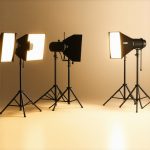
If you focus on portraits or beauty shots, soft, diffused lighting is key. Use softboxes with your LED panels or RGB tube lights to create gentle, flattering light. When I shot a model at dawn, I used a softbox attached to my LED panel, which I positioned at a 45-degree angle to soften shadows and enhance skin tones. For dynamic color effects or creative backgrounds, RGB tube lights offer vibrant options. Experiment with different effects by visiting RGB tube light effects.
Set Up Your Lights with Precision
Proper placement makes a dramatic difference. Think of your lighting setup like a painting: you want to highlight certain areas and create depth. Use the key light as your main source, placed at eye level or slightly above, angled to illuminate your subject’s face naturally. For a natural look, I often used softbox key lights and complemented them with fill lights to reduce shadows. Discover proven techniques at softbox key light tips.
Position your fill lights opposite the key, at a lower intensity, to maintain balanced exposure. For added depth, backlights or rim lights can separate your subject from the background. To learn about effective softbox fill strategies, visit fill light techniques with RGB tube lights.
Control Your Light Quality
Using diffusers, softboxes, or umbrellas helps you soften harsh shadows. I once used a large softbox for my main LED panel, which created a wrap-around effect, making my subject look more natural. For vibrant backgrounds or creative accents, RGB tube lights can be animated or color-changed on the fly. Experiment with different setups by reviewing softbox and RGB tube lighting techniques.
Fine-Tune Your Settings
Adjust your lights’ brightness and color temperature to match ambient conditions. During a shoot at sunset, I calibrated my LED panel to mimic natural warm light, which integrated seamlessly with the outdoor scene. When shooting in natural light, matching your artificial lights to the environment’s color temperature keeps the scene cohesive. For advanced techniques, see key lighting strategies.
Use Creative Effects for Impact
Leverage RGB tube lights to add mood or drama. For example, during evening shoots, I experimented with color washes to create a cinematic feel, inspired by creative RGB effects. These effects can be synchronized with your camera shutter or music beats for dynamic visuals. The key is to plan your lighting cues and test beforehand to avoid surprises.
Regularly Review and Adjust
Lighting isn’t static; it evolves with your project. Review your footage and make incremental adjustments. I once shot a series of portraits, but the lighting was too flat until I added a subtle rim light, which I learned from softbox fill strategies. Keep experimenting with angles, intensities, and colors to refine your results.
Many creators believe that investing in expensive, high-wattage LED panels or RGB tube lights automatically guarantees professional results. However, this is a misconception. In my experience, the real secret lies in understanding how to use your lights effectively rather than just buying the latest gear. For instance, a common mistake is assuming that brighter means better. Overlighting can wash out your subject and reduce the depth and mood of your scene. Instead, controlling light intensity and placement is what makes a difference. Latest LED innovations can help you achieve better results without necessarily increasing wattage.
Another myth is that RGB tube lights are only for vibrant, colorful effects. While they are fantastic for creative experiments, many overlook their subtlety. Using RGB lights to create nuanced color shifts or to match ambient lighting can elevate the realism and mood of your shots. This nuance is often missed when creators focus solely on the flashy effects. For advanced users, understanding how to blend RGB effects with soft lighting can be a game-changer. Check out creative RGB effects for inspiration.
One trap that many fall into is neglecting the importance of light quality over quantity. A common oops is relying on cheap diffusers or poorly made softboxes, which can produce harsh shadows or uneven light. Proper diffusion and bounce techniques are critical for achieving a natural, flattering look. I learned this the hard way when I used a softbox without a proper diffuser, resulting in unflattering shadows. For professional results, investing in quality diffusion accessories and mastering softbox setups is essential. For expert tips, explore softbox lighting techniques.
How Do I Balance Artistic Creativity With Technical Precision?
It’s a question that advanced creators often grapple with. Achieving this balance involves understanding the technical aspects of your lights—such as color temperature, CRI, and flicker-free operation—and how they influence your artistic choices. For example, matching your LED panel’s color temperature to natural light conditions requires precision. Using tools like a light meter or a color calibration app can help you fine-tune your setup. Remember, the goal isn’t just to light a scene but to craft an atmosphere that resonates emotionally. For strategic lighting setups, see key lighting strategies.
Have you ever fallen into this trap? Let me know in the comments. Mastering the nuances of lighting can be daunting, but it’s a crucial step toward truly professional content creation. By moving beyond myths and understanding the deeper principles, you’ll unlock new creative possibilities and avoid costly mistakes that can set you back. Keep experimenting, stay curious, and remember: the best light is the one that serves your vision.
Once you’ve invested in high-quality LED panels and RGB tube lights, maintaining their performance over time becomes crucial to ensure consistent, professional results. Regular upkeep not only extends the lifespan of your equipment but also preserves the quality of your lighting effects, saving you money and headaches in the long run.
Keep Your Lights Clean and Dust-Free
Dust accumulation can diminish light output and cause overheating. I make it a habit to wipe down my LED panels and RGB tubes weekly with a soft, dry cloth. For stubborn grime, a damp microfiber cloth works well without risking damage. Remember to disconnect power before cleaning to avoid shorts or electric shock. A clean light source is more efficient and produces cleaner color rendering, especially important when aiming for natural skin tones or subtle color effects.
Use Proper Power Supplies and Cables
Consistent power delivery is vital. I recommend using high-quality, surge-protected power strips and avoiding extension cords that can cause voltage drops. Over time, cheap or worn-out cables may develop faults, leading to flickering or reduced brightness. I personally keep spare, certified power cables for my LED panels and RGB lights, replacing them immediately if I notice any irregularities. Ensuring stable power not only prevents damage but also maintains color consistency during shoots.
Calibrate and Test Regularly
Even the best lights can drift in color temperature or brightness, especially under intensive use. I schedule monthly calibration sessions using a light meter or a dedicated color calibration app. This practice helps me catch inconsistencies early. For example, after a few months, I noticed my RGB tubes’ colors had shifted slightly, which I corrected by re-tuning their settings. Calibration ensures your lighting remains true to your creative vision and consistent across projects.
Update Firmware and Software
Manufacturers often release firmware updates to improve performance or add new features. I subscribe to updates from my equipment providers and regularly check their websites, like here. Updating firmware can fix bugs, enhance stability, and sometimes even improve color accuracy. Additionally, using compatible control apps ensures you can fine-tune your lights remotely and efficiently.
Plan for Future Upgrades
As your studio grows, so will your lighting needs. I recommend investing in modular systems that allow easy expansion. For example, when I added RGB tube lights, I chose models compatible with my existing LED panels, which simplified control and synchronization. Staying informed about new technology trends, like smarter lighting with integrated AI controls, can keep your setup ahead of the curve. Check out this guide for upcoming innovations.
How do I maintain my lighting gear over time?
The key is consistent, gentle care combined with proactive updates. Regular cleaning, proper electrical connections, calibration, and staying current with firmware updates form the backbone of effective maintenance. By doing so, you ensure your lights perform optimally, maintaining their color fidelity and brightness for years to come. Don’t forget to keep spare cables and control modules handy—sometimes, a quick swap can solve a flicker or color inconsistency without disrupting your shoot. Remember, investing a little time in maintenance now can save you significant costs and creative setbacks later.
For advanced users, I recommend exploring softbox and RGB techniques to maximize your equipment’s potential, ensuring your lighting remains reliable and inspiring for every project.
When I first started experimenting with studio lighting, I underestimated how much subtlety and control truly matter. I thought brighter was better, but I quickly learned that thoughtful placement, quality diffusion, and color accuracy make all the difference. The biggest lightbulb moment came when I realized that investing in high-quality LED panels and RGB tube lights, combined with strategic setup, transformed my creative projects from amateurish to professional-looking.
The Hardest Lesson I Learned About Studio Lighting
One of my toughest lessons was understanding that not all lights are created equal. I wasted money on flashy RGB tubes that seemed impressive but didn’t suit my small studio space, leading to wasted effort and subpar results. It was only after analyzing my needs and focusing on versatile, adjustable equipment that I started seeing real progress. This taught me to prioritize adaptability over wattage and to think about how each light fits into my overall storytelling.
3 Myths About Studio Lights That Held Me Back
Myth one: More wattage equals better quality. The truth is, a well-placed, soft, and color-accurate light outperforms a bright, harsh one. Myth two: RGB lights are only for vibrant effects. Actually, their subtle color shifts can add depth and realism. Myth three: Expensive gear guarantees success. In reality, mastery of setup and technique makes far more difference than price tags. For deep dives into how to select and use your equipment, check out this comprehensive guide.
What Experts Won’t Tell You About Lighting Setup
One thing I wish I knew earlier is how critical soft, diffused light is for flattering skin tones and natural looks. Using quality softboxes and diffusers isn’t just a luxury—it’s a necessity. Also, the importance of consistent calibration and maintenance can’t be overstated. Regularly cleaning your lights, updating firmware, and checking color accuracy ensures your setup performs reliably over time. Investing in a good control app has saved me countless setup headaches, making adjustments quick and precise. For premium softbox techniques, explore these expert tips.
Let Your Creativity Shine in 2024
Now that you understand the importance of quality, control, and maintenance, it’s time to take action. Experiment with your lights, refine your setup, and don’t be afraid to push creative boundaries. Remember, the best lighting is the one that serves your vision and elevates your storytelling. Whether you’re shooting portraits, videos, or social content, mastering your studio lighting will unlock new levels of professionalism and artistic expression. So go ahead—shed some light and make your projects truly stand out!
Have you ever struggled with balancing light quality and creative effects? Share your experience below—I’d love to hear your story!
![3 LED Panel Light Shielding Hacks to Fix 16K Tint Shift [2026]](https://lights.creatorrigreviews.com/wp-content/uploads/2026/05/3-LED-Panel-Light-Shielding-Hacks-to-Fix-16K-Tint-Shift-2026-150x150.jpeg)
7 responses to “Best LED Panel & RGB Tube Lights for Creative Studio Lighting in 2024”
This post really resonated with me, especially the part about the importance of proper setup and understanding your equipment. When I started out, I also believed that brighter lights meant better results, but I quickly learned that softness and control are far more critical for natural-looking photos and videos. I found that investing in quality softboxes and diffusers made a huge difference in achieving that flattering light. Additionally, regular calibration and maintenance are often overlooked, but they are vital for consistent output. The trick of matching your lighting to ambient conditions is something I’ve been experimenting with lately, especially for outdoor shoots. It made me wonder, how do others balance natural light with artificial lighting, especially in tricky environments? Do you have go-to techniques or tools to help match colors precisely?
Reading this post really struck a chord with me because I used to think that super bright lights were the way to go for all shoots. However, I quickly learned that the quality of your light, especially in terms of softness and color accuracy, makes a massive difference in the final image. The trick is finding the right balance—using diffusion and control to shape your light despite limitations in space or equipment. I’ve been experimenting with different softboxes and even DIY diffusers, and the results are much more natural and appealing.
One challenge I often face is balancing natural outdoor lighting with artificial studio lights, especially during sunset or harsh midday light. I’ve found that measuring ambient light and adjusting my color temperature accordingly helps. What are some of your favorite tools or techniques for matching multiple light sources? Do you rely more on light meters, app-based calibration, or just visual experience? Would love to hear other creators’ approaches to this tricky aspect of studio lighting.
This post really hits home because I spent a lot of time figuring out the importance of light quality versus wattage early in my journey. I agree that a softer, well-controlled light source can dramatically improve the mood and realism in your videos or photos. I once tried to light a small studio with an extremely bright RGB panel, thinking that more power meant better results, but it ended up washing out my subject and creating unwanted shadows. Moving to a softer, more diffused source and carefully positioning my lights made a huge difference. I also found that investing in high-CRI LED panels allowed me to better match natural skin tones and ambient light conditions, especially during outdoor shoots. My question is, what are some practical ways to quickly calibrate color temperature when shooting in changing outdoor environments? Do you recommend any specific tools or apps that offer reliable and fast adjustments for live shoots? I’d love to hear how others manage this tricky balancing act between natural and artificial light on the fly.
This post really hits a nerve because I’ve recently been experimenting with different lighting setups to improve my video quality. I used to think that just ramping up brightness was the solution, but I’ve come to realize that control, color accuracy, and diffusion are what truly matter, especially for skin tones and mood. I love how you emphasized the importance of matching ambient and artificial lighting, particularly during outdoor shoots. I’ve found that using a simple light meter app helps me quickly calibrate the color temperature on the spot, which makes a noticeable difference. Have others here used real-time apps or smart lighting that adapts to changing environments? I’m curious if there are new tools that can help save time and improve consistency in fluctuating natural light conditions. Also, what are your biggest challenges when trying to balance creative lighting effects with technical accuracy? Would love to hear your thoughts and tips!
This post really hits on a crucial point about the importance of versatility and proper control in studio lighting setup. I’ve found that in my own practice, the ability to quickly adjust color temperature and brightness on the fly can make all the difference, especially during outdoor shoots where conditions change rapidly. I recently started experimenting with LED panels that include APP control options, which has streamlined my workflow and made real-time adjustments much easier. The challenge, however, is keeping accurate calibration in fluctuating natural light, which is something I’m still working to perfect. Do others here prefer dedicated light meters for calibration or rely on in-camera tools and apps? I’d love to hear what tools or routines have helped you achieve quick and accurate adjustments, particularly in dynamic environments. It’s fascinating how many ways there are to refine lighting without constantly investing in new gear.
This post really echoes my own experiences with studio lighting. I used to think that simply increasing wattage would improve my shots, but I quickly saw that control and correct color temperature are far more impactful. It’s interesting how much difference high-CRI LED panels and properly diffused RGB tube lights make—especially when trying to match natural lighting conditions outdoors. I’ve found that investing in a good light meter and a calibration app helps me get consistent results, even when changing environments. Do you think there will be even smarter, AI-driven lighting solutions in the near future that adapt in real-time for perfect color matching during shoots? I believe technology is moving rapidly in this area, which could save creators a lot of trial and error. How do other creators handle quick adjustments on the fly, especially during dynamic outdoor shoots? Would love to hear your tips!
This article really highlights the importance of choosing the right lighting equipment, not just going for the most powerful or popular models. When I started investing in my studio setup, I learned that adaptability and control are more valuable than raw wattage. For example, adjustable color temperature and high CRI ratings have made a noticeable difference in how natural my footage looks, especially in mixed lighting conditions. I remember struggling with outdoor shoots where natural light constantly changes. In those moments, I’ve found that using a reliable light meter app and a quick color calibration tool can save a lot of hassle. Do any seasoned creators out there have recommendations for real-time calibration devices or apps that help maintain color consistency during fast-paced shoots? I’m always looking for ways to streamline my workflow and improve my results.