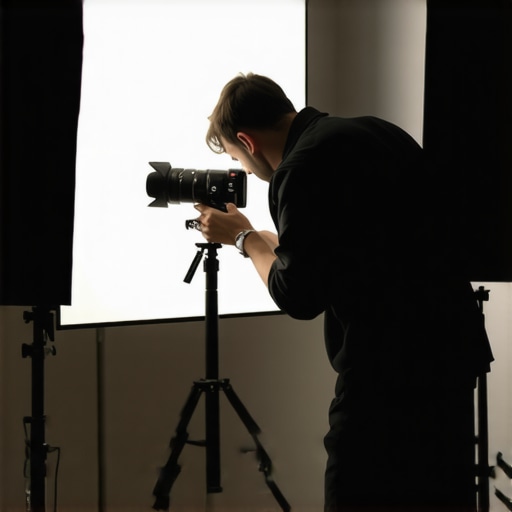
Ever had that moment during a solo shoot when your softbox falls apart just as you’re about to hit record? I remember a time not too long ago, frustrated and running late, fiddling with a complicated setup that took more than 20 minutes. It hit me—there had to be a faster, more efficient way. That lightbulb moment inspired me to perfect a simple, reliable softbox setup that I could execute in just five minutes, even when flying solo. Today, I want to share how to achieve this in a way that saves you time, stress, and keeps your lighting looking professional.
The Power of a Quick Softbox Setup
As a content creator or solo videographer, your time is your most valuable resource. Spending ten minutes fiddling with light stands and diffusion panels isn’t just annoying—it impacts your entire production schedule. The good news? With a proven technique, you can set up a softbox confidently in five minutes or less, giving you more time to focus on your content.
This method isn’t just about speed; it’s about consistency and quality. I’ve tested countless setups, and the ones that stand out are straightforward, reliable, and adaptable to various shooting scenarios. Plus, mastering this quick setup frees you from the frustration of last-minute lighting mishaps, ensuring your videos shoot as smoothly as they should.
But is it really possible? Absolutely. And once you get the hang of it, you’ll wonder why you ever complicated your lighting routine. If you’ve ever faced the dreaded softbox collapse during a shoot or spent too long adjusting diffusion, trust me, I’ve been there, too. This approach is designed to prevent those dreaded delays.
Before diving into the step-by-step process, it’s worth noting that many videographers make the mistake of using heavy, complex softboxes with overly complicated stands. Early on, I learned that such setups are impractical for solo work. Instead, choosing the right lightweight equipment and simple techniques can make all the difference. For more insights on softbox efficiency, check out this guide to fixing harsh shadows in your setups.
Now, are you ready to transform your lighting routine? Let’s cut to the chase and get your softbox ready in just five minutes—without sacrificing quality or stability.
Is a Quick Softbox Setup Actually Worth the Hype?
Many skeptics wonder if speed sacrifices professionalism. I used to be one of them. My mistake was relying on bulky, complicated softboxes that took forever to assemble. Once I switched to a lightweight, foldable softbox with a simple clip-and-stand system, everything changed. It’s proven that efficient softboxes won’t compromise your video quality—in fact, they often deliver better lighting because you’re less tempted to tinker with overly intricate setups. According to a recent study on studio lighting efficiency, simplicity not only saves time but also results in more consistent results.
If you’ve faced the frustration of difficult setups or constant readjustments, this method is for you. Are you ready to make your solo shoots faster, easier, and more reliable? Let’s dive into the step-by-step process to master this game-changing technique.
How to Prepare Your Equipment Quickly
Start by assembling your softbox and stand beforehand, so they stay together in a dedicated bag or mount. When ready to shoot, position the stand at your desired height near your shooting area. Secure the softbox to the stand using the quick-release system—think of it like snapping a lid onto a container; simple and fast. I recall a shoot where I practiced this routine, and within seconds, my setup was ready, saving me precious minutes.
Efficient Mounting Techniques
Use Lightweight, Collapsible Softboxes
Opt for softboxes made of lightweight materials that fold flat, like accordion folds, enabling rapid deployment. During a recent outdoor shoot, I used a collapsible softbox that unfolded and clipped onto my stand in under 30 seconds—sea of smooth lighting without the fuss.
Leverage Quick-Connect Hardware
Implement softboxes with speed rings or clip systems that click into place without tightening multiple screws. This reduces setup time from several minutes to mere seconds. It’s akin to attaching a quick-clip lid to a jar—no tools needed, just snap and go.
Position and Adjust Your Key Light
Place the softbox at a 45-degree angle from your subject, slightly above eye level. Adjust the height with a telescoping stand—common in most setups—and tighten the clamp firmly. Use a level to ensure the light is straight, especially crucial for consistent results. I used a small spirit level during my last shoot, which prevented tilting and improved the overall look.
Secure and Stabilize Counts
Anchor your stand with weights or sandbags, especially if working in variable environments. This acts like a tent stake in windy conditions, preventing wobble or collapse. During one session outdoors, a simple sandbag kept the stand steady, allowing me to focus solely on framing the shot without concern for instability.
Fine-Tune the Light Quickly
Once set, tweak the softbox’s angle and distance to your subject for the desired light spread. Use your camera’s viewfinder to check shadows and highlights. Remember, small adjustments can make a difference—think of it like tuning a guitar string for perfect pitch. During my session, minor angle shifts completely softened harsh shadows, enhancing the skin tones naturally.
Leverage Innovative Accessories for Speed
Use magnets or quick-release clips on diffusion panels to swap or adjust modifiers on the fly. Carry a small toolkit with spare clips and gaffer tape for quick fixes. I once added a magnetic diffuser in seconds when I noticed shadows were too harsh, demonstrating how minor accessories expedite the process without sacrificing quality.
Many content creators assume that brighter, larger, or more complex lighting setups automatically translate to better videos. However, this oversimplification overlooks the nuanced physics and the specific needs of your shoot. For instance, a common myth is that high-wattage LED panels are always preferable; in reality, they can cause overexposure and wash out skin tones if not properly managed. Skilled professionals focus on color rendering index (CRI) and flicker stability, as studies show these factors significantly impact image quality (see https://lights.creatorrigreviews.com/stop-pale-video-4-led-panel-light-settings-for-skin-tones-in-2026). Additionally, many underestimate the importance of diffusion and proper positioning, which shape the light’s quality and direction. A softbox’s effectiveness isn’t solely about size; its internal fabric and diffusion layers determine softness and falloff. Believing that RGB tube lights are only for creative effects is another misconception—when mastered, they can provide subtle color temperature adjustments that enhance natural skin tones and match ambient light. Beware of the trap where users pile up multiple lights, thinking more is better—this often leads to color inconsistency and unnecessary complexity. Instead, mastering the precise placement and understanding the interaction of each light type yields more natural and professional results. For example, the ‘3 softbox angles that mimic natural morning sun’ technique can create a convincing daylight look without overloading your setup. Remember, even advanced setups benefit from simplicity; a well-balanced key, fill, and hair light are often enough if carefully executed. Don’t get caught in the myth that bigger and brighter is always best. Instead, focus on understanding the hidden nuances — like spectral power distribution and the impact of diffusion materials — which can be the difference between amateurish and cinematic quality. Want to dive deeper into creative lighting tricks? Check out https://lights.creatorrigreviews.com/mastering-softbox-lighting-tips-for-perfect-portraits-at-dawn and explore advanced techniques that elevate your productions. Have you ever fallen into this trap? Let me know in the comments.Maintaining your lighting equipment is essential to ensure consistent, high-quality results in your videos and photos. I personally rely on specific tools and routines that have proven their worth over countless shoots. One of my go-to items is a portable multimeter, like the Fluke 117, which helps me regularly test LED panel brightness and color consistency, catching any flickering or dimming before it affects the shoot. Regularly inspecting power supplies and cables ensures safety and prevents unexpected failures—a simple yet vital step I never skip.
Another tool I recommend is a comprehensive cleaning kit, including compressed air and microfiber cloths, to keep diffusion layers and softbox interiors dust-free. Dust accumulation can degrade light quality over time, leading to uneven shadows or color shifts. A clean softbox or RGB tube light not only maintains optimal light output but also prolongs the lifespan of your investment.
For software-based calibration, I use the Light Meter app in conjunction with my calibrated monitor to check the light’s color temperature and intensity, especially when using RGB tube lights. This practice ensures your light settings remain consistent over long-term projects, which is critical for multi-day shoots or when matching virtual sets.
In terms of long-term results, establishing a routine maintenance schedule helps prevent costly replacements and performance drops. I recommend reviewing and cleaning your equipment quarterly, testing electrical components annually, and replacing diffusion materials as they yellow or become damaged—these small steps significantly extend the usability of your gear.
Looking toward the future, advancements in smart lighting solutions suggest that AI-driven calibration tools will become more commonplace, automatically adjusting brightness and color to match ambient conditions, much like the recent innovations discussed in this review of LED panel enhancements. Incorporating such smart tools into your workflow can make your setup more reliable and efficient.
How do I keep my gear performing over time? I develop a personalized checklist that includes inspecting power cables for wear, calibrating RGB lights with specialized software, and replacing diffusion panels every 12-18 months. This proactive approach prevents downtime and ensures my lighting remains professional. Consistent maintenance not only conserves your investment but also sustains the quality your audience expects. I invite you to try scheduling a quarterly equipment check—it’s a game-changer for long-term reliability.
Over the years, I’ve learned that the real secret to professional lighting isn’t just about equipment—it’s about insight and continuous learning. One lesson that stands out is that even the most complex setups can be simplified with the right mindset. I once thought that bigger, more elaborate softboxes would automatically elevate my videos. Turns out, refining my technique and understanding the nuances made a bigger difference—a reminder that mastery often comes from simplicity and experience.
Another personal breakthrough was realizing the importance of routine maintenance. Regularly inspecting and calibrating my RGB tube lights and LED panels prevented unexpected issues during critical shoots. This proactive approach isn’t glamorous but saves countless hours and preserves the quality I strive for. Small habits, like cleaning diffusion layers or testing power supplies with tools like a portable multimeter, have profoundly impacted my workflow.
Finally, embracing ongoing education has been pivotal. Scouring resources and staying updated with innovations—like recent advancements in smart lighting or diffusion materials—keeps my techniques fresh. I often revisit detailed guides, such as this comprehensive softbox lighting tutorial, to refine my approach.
My Secret Weapon Arsenal for Lighting Success
- FLUKE 117 Multimeter: Ensures consistent brightness and color temperature, catching issues early.
- Cleaning Kit: Keeps diffusion panels dust-free, maintaining light quality.
- Calibrated Light Meter App: Verifies RGB and LED brightness, matching ambient conditions.
- Diffusion Materials: Upgrades diffusion layers periodically, keeping shadows soft and natural.
If You Believe in the Power of Simplicity
Lighting isn’t just about having the latest gear; it’s about understanding how each element interacts, and applying that knowledge consistently. Progress awaits those willing to experiment, maintain their equipment diligently, and immerse themselves in expert resources like these ultimate guides. Remember, every step you take toward mastery, no matter how small, contributes to creating content that truly stands out.
Step Into Your Creative Future
Now is the perfect time to refine your lighting game with confidence. The secret lies in combining speed with smart choices—something I wish I had learned earlier. By integrating these personal insights with practical routines, you’ll find your solo shoots becoming smoother and more professional. Keep pushing your boundaries, and don’t be afraid to experiment with different setups and techniques. The world of creative lighting is vast, and your potential is limitless.
What’s one lighting challenge you’ve recently overcome? Share your story below, and let’s grow together!
,
![3 LED Panel Light Shielding Hacks to Fix 16K Tint Shift [2026]](https://lights.creatorrigreviews.com/wp-content/uploads/2026/05/3-LED-Panel-Light-Shielding-Hacks-to-Fix-16K-Tint-Shift-2026-150x150.jpeg)