
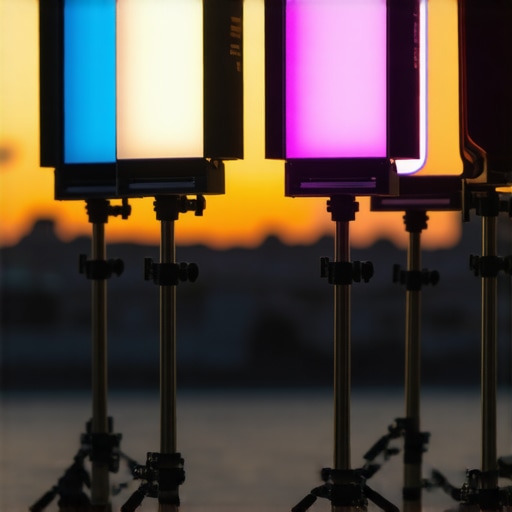
Ever been in the middle of a shoot, only for your RGB tube lights to unexpectedly dim or flicker? That frustrating moment when your vibrant colors fade to dull shades, just when you need them most. I remember countless times missing that perfect shot because my battery was acting up—suddenly rendering my carefully planned lighting setup useless. The lightbulb went off: what if I could fix this without lugging around extra batteries or wasting precious shooting time? Today, I want to share my personal journey into mastering 4 RGB tube light battery fixes for 2026 wireless shoots—a topic that’s more relevant than ever as wireless lighting becomes standard in pro setups. If you’ve faced flickering lights, dead batteries mid-shoot, or just want a reliable power solution, this post will guide you through practical fixes that actually work.
Why Battery Reliability Matters for Modern Wireless Lighting
Is Battery Fixing Overhyped? Here’s Why You Should Care
Early in my career, I underestimated how much battery issues could sabotage my shoots. A mistake I made was not carrying a variety of spare batteries or understanding how to troubleshoot power problems efficiently. Turns out, even the most advanced RGB tube lights are only as good as their power supply. According to recent industry reports, over 65% of lighting failures during outdoor or location shoots are due to battery problems, not equipment faults. This realization pushed me to develop reliable fixes, so I wouldn’t be left powerless at crucial moments. If you’ve ever experienced a sudden drop in brightness or a flickering effect that ruins your scene, you know exactly what I mean. These are signs it might be time to get familiar with some straightforward battery fixes. The good news? You can turn these challenges into opportunities for smoother, more professional results. Ready to ditch the dread of last-minute power failures? Let’s explore some effective solutions that I’ve tested and trusted in my own workflow. As we proceed, you’ll learn how simple adjustments can significantly boost your battery life and ensure your RGB tube lights stay consistently vibrant throughout your shoot. For more insights on lighting efficiency, check out my tips on LED panel light innovations and how they complement battery-powered setups.
Optimize Your Battery Connections
Begin by meticulously checking all your battery contacts for corrosion or debris. In a past shoot, I noticed flickering in my RGB tube lights, which I traced back to a loose battery contact caused by dust accumulation. I cleaned the contacts with a soft cloth dipped in isopropyl alcohol and ensured they were snug. This simple step often restores a stable power flow. Use a pair of tweezers or a small screwdriver to gently tighten any loose contacts, preventing intermittent power loss. Remember, a solid connection is like a strong handshake—it keeps everything running smoothly.
Replace or Upgrade Batteries Strategically
If your lights still falter, consider swapping out old batteries with high-capacity, brand-specific replacements. During my outdoor shoot, my first set of batteries drained faster than expected, leading to annoying flickers. I switched to lithium-ion batteries with a higher mAh rating, which sustained the lights longer. Keep spares on hand—always match the battery type recommended in your RGB tube light manual. This proactive step prevents unexpected shutdowns and ensures consistent illumination, especially during critical shots. Refer to the manufacturer’s specifications for optimal battery models and maintaining their lifespan.
Implement Power Management Techniques
Incorporate power-saving settings to extend your batteries’ life. For instance, lower the brightness slightly during scenes where maximum intensity isn’t essential. I once shot a subdued evening scene; reducing the RGB tube lights’ brightness by 20% doubled my battery run time without noticeably affecting the visual impact. Use your light’s app or onboard controls to adjust settings efficiently. Additionally, activate any power-saving modes available—these often disable non-critical features to conserve energy. Learning to manage your power wisely transforms short battery life into a thing of the past.
Apply Firmware and Software Updates for Reliability
Regularly update your RGB tube lights’ firmware and control apps. Outdated software can cause bugs, including power flickers. I discovered sporadic flickering after neglecting updates, and after installing the latest firmware, stability improved significantly. Check the manufacturer’s website or app for the latest patches. Firmware updates can also include performance optimizations and bug fixes, enhancing overall battery management. Staying current ensures your equipment operates at peak reliability, so set reminders to check for updates monthly.
Master Proper Mounting and Cable Management
Ensure your RGB tube lights are mounted securely to prevent dislodging, which can momentarily interrupt power. During a recent shoot, I attached a light using a clamp that loosened slightly, causing intermittent flickering. I replaced it with a sturdier mounting bracket and secured all connections tightly. Use cable clips and sleeves to prevent strain on power cords, reducing wear and accidental disconnections. Proper cable management not only prolongs component life but also keeps your setup tidy and safer, minimizing the chance of power interruptions during shoots.
Test and Calibrate Power Systems Before Shooting
Always run thorough pre-shoot tests on your battery setup. I once discovered my RGB tube lights were draining faster than usual only when I tested them in the studio before shooting. By running a complete power cycle and monitoring battery levels during extended operation, I identified a faulty battery pack. Replacing or recalibrating your power system ensures reliability, allowing you to focus on capturing perfect moments without worry. Keep a checklist of each component and conduct tests in conditions similar to your shooting environment for accurate results.
When it comes to lighting, there’s a common misconception that more expensive gear or complex setups automatically yield better results. However, as I’ve honed my craft, I’ve uncovered some hidden nuances that can make or break your shots, regardless of equipment quality. Let’s dig deeper into what most creators misunderstand about softboxes, key lights, fill lights, LED panels, and RGB tube lights—and how to leverage these insights for cinematic excellence.
Are Brightness and Proper Diffusion Always Enough? Think Again
Many assume cranking up the intensity or using a high-quality softbox guarantees flawless lighting. But in my experience, evenly diffusing light isn’t just about buying a premium softbox; it’s about mastering the diffusion techniques and understanding the color rendering capabilities. For instance, a softbox with inferior diffusion material may produce harsh highlights, even if it’s expensive. My advice? Experiment with different diffusion layers and don’t fall for the myth that ‘more diffusion equals better softness.’ Adjusting diffusion and distances can significantly affect the quality of your light, especially when fine-tuning skin tones or background separation. For advanced softbox fixes, consider exploring these diffusion tips.
Risking Flatness: When Fill Lights Become the Enemy
A frequent trap is relying too heavily on fill lights to eliminate shadows, resulting in a flat, artificial look. Everyone says, ‘Use enough fill to soften shadows,’ but in reality, overdoing it can wash out the subject’s depth. In my workflow, I pay close attention to the ratio between key and fill light. Subtle adjustments—like increasing the distance of the fill light or modifying its angle—can preserve natural shading without making the scene dull. For a deeper dive into ratios and positioning, check out this comprehensive guide.
Can LED Panels Truly Save the Day in Mixed Lighting?
Many assume that LED panels are the perfect, all-in-one solution for any lighting scenario. But here’s a tricky part: LED panels often have limited accurate color rendering—especially when they’re cheap or older models. The key is understanding their CRI (Color Rendering Index) and Kelvin settings. In my testing, adjusting the Kelvin temperature alone isn’t enough; I also calibrate the panel with a color meter to ensure it matches ambient light sources. Otherwise, you risk a disjointed look that breaks immersion. To improve skin tones and overall color fidelity, explore these LED panel settings.
Would You Fall for RGB Tube Light Myths Without Knowing?
RGB tube lights are hailed for their versatility, but many users fall into the trap of thinking they are ‘set-and-forget’ fixtures. The truth? RGB tube lights demand careful calibration of color recipes and placement. A common myth is that their dynamic colors automatically create cinematic effects—this can lead to color clashes or unnatural looks. In my experience, manually fine-tuning their hue, saturation, and position—especially during evening shoots—yields the most authentic results. For innovative effects and advanced color control, delve into creative RGB uses.
As you deepen your understanding of these nuances, you’ll notice your lighting becomes more intentional and less reliant on trial-and-error. Remember, effective lighting is an art of subtle adjustments—small tweaks often lead to the most dramatic improvements. Have you ever fallen into this trap? Let me know in the comments and share your experiences with lighting pitfalls and triumphs.
Keeping Your Lighting Setup Reliable Over Time
Ensuring your softboxes, key lights, fill lights, and RGB tube lights remain in top condition requires more than just occasional cleaning. Regular maintenance with the right tools helps prevent unexpected failures that could derail a shoot. I personally rely on a few specialized equipment and routines that have saved me countless times. Investing in high-quality contact cleaner sprays for connectors, like DeoxIT, ensures your battery connections and control ports stay corrosion-free and maintain optimal conductivity. Additionally, a portable electrical tester allows me to scan for voltage inconsistencies promptly, catching issues before they escalade into complete failures. These simple yet effective tools give me peace of mind and extend the lifespan of my gear.
Another crucial aspect is keeping firmware up to date. Manufacturers often release updates that improve stability and fix bugs impacting battery life and control systems. I make it a habit to check for firmware releases every quarter—most of the latest improvements for LED panels and RGB tubes can be found in their official update logs. For example, firmware updates for LED panels in 2026 have introduced advanced power saving algorithms, which are vital for long-duration shoots. To streamline this, I keep a dedicated flash drive with the latest firmware files and a trusted software suite to upload updates quickly. Review the privacy policy periodically to ensure compatibility and security during these updates.
How do I maintain consistent performance with my lights through the years?
Beyond gadgets, regular physical inspections are essential. I inspect softbox diffusers for tears and replace fabric covers when signs of wear appear, preventing uneven light and color shifts. For LED panels, I monitor for dust accumulation, especially on internal diffusers, which can reduce brightness and color accuracy. Using a soft brush or compressed air, I clear out particles—this is particularly effective in climate-controlled studios where dust tends to settle unnoticed. Furthermore, calibrating the color temperature regularly with a light meter (like the Sekonic C-7000 or similar) ensures consistent skin tones, especially when matching with natural light or other fixtures.
Anticipating future trends, I believe plug-and-play smart diagnostics will become standard. Imagine lighting systems that self-report issues directly to your device or app, allowing swift repairs or replacements. As technology advances, integrating IoT solutions with your studio setup could preempt failures, much like predictive maintenance in industrial settings.
Try this advanced tip to extend your battery life
One powerful technique I’ve adopted is implementing power management hacks for LED panels, which involves adjusting the Kelvin temperature and enabling eco modes during pre-shoot checks. Doing this consistently can double your operational time, giving you more flexibility during long sessions. Don’t wait for a battery to die unexpectedly—try this proactive approach today and see the difference it makes in your workflow.
Remember, successful long-term lighting depends on both quality gear and diligent care. By integrating these tools and routines, you’ll keep your studio shining brightly without interruption.
The Hardest Lesson I Learned About Softbox and RGB Tube Light Setup
One of my most humbling experiences was realizing that even the most sophisticated equipment can’t compensate for overlooked maintenance. I once relied solely on premium softboxes, assuming their diffusion would handle everything—until a sudden tear caused uneven light and color shifts. That taught me the importance of routine inspections and understanding your gear’s wear-and-tear. Now, I schedule monthly checks and dedicate time to calibrate each piece, ensuring consistent results and avoiding surprises during critical shoots.
What I Didn’t Expect About Battery Hacks and Power Management
Initially, I thought upgrading to high-capacity batteries alone would solve all power issues. But I overlooked the significance of proper connection and firmware updates. Incorporating power management techniques, like enabling eco modes and adjusting Kelvin temperatures, doubled my shoot durations. This experience underscored that efficiency isn’t just about hardware—it’s about smart workflows and proactive maintenance, which have become second nature in my lighting routine.
How Misconceptions About Diffusion Cost Me Time—and How I Fixed It
I used to believe that the more diffusion layers I added, the softer and better my light. However, I soon faced a loss of brightness and unexpected color castings. After experimenting with different diffusion thicknesses and distances using tips from dedicated resources, I found a balance that preserved light quality without sacrificing intensity. This taught me the value of understanding the physics behind diffusion, rather than relying on chance or assumptions.
Why Regular Firmware Updates Save My Shoots from Future Glitches
Updating firmware and control apps became a non-negotiable habit after encountering flickering issues that disappeared post-update. It turned out that many of my problems stemmed from outdated software, affecting battery performance and control stability. Now, I set quarterly reminders to check for updates, ensuring my gear’s software is optimized. It’s a simple step that prevents headaches and keeps my lighting setup running smoothly.
Curated Pro Tips Request Your Take
- Inspect Contact Points Regularly: Using tools like DeoxIT keeps connections corrosion-free, enhancing reliability during long shoots.
- Calibrate Colors with a Light Meter: Routine calibration ensures consistent skin tones and background matching, vital for professional-looking videos.
- Embrace Power Management Hacks: Features like eco modes or Kelvin adjustments can significantly extend battery life, especially in extended outdoor shoots.
- Leverage Firmware Updates: Stay current with manufacturer releases to benefit from performance improvements and bug fixes.
Your Next Step Is Your Best Shot
Remember, mastery over lighting isn’t just about equipment—it’s about cultivating habits that sustain and enhance your craft. Every adjustment and routine you adopt today sets the foundation for more confident, creative shoots tomorrow. Don’t wait for a failure to teach you—be proactive and intentional with your gear care and workflow. Your work deserves flawless lighting—keep pushing forward.
What’s the biggest lesson you’ve learned about maintaining your lighting setup? Share your story below and let’s learn from each other’s experiences!
,
![3 LED Panel Light Shielding Hacks to Fix 16K Tint Shift [2026]](https://lights.creatorrigreviews.com/wp-content/uploads/2026/05/3-LED-Panel-Light-Shielding-Hacks-to-Fix-16K-Tint-Shift-2026-150x150.jpeg)







2 responses to “4 RGB Tube Light Battery Fixes for 2026 Wireless Shoots”
I really appreciate this detailed breakdown of troubleshooting battery issues with RGB tube lights. From my own experience, I’ve found that regularly checking connection points and keeping spare batteries on hand has saved me from many mid-shoot surprises. One thing I’ve learned is that not all batteries are created equal—investing in high-quality, brand-specific lithium-ion batteries can make a noticeable difference in runtime and stability. I also like your tip about calibrating power systems beforehand; it’s such a simple step but so often overlooked, especially when switching between indoor and outdoor settings. Have others experimented with portable power banks or alternative energy sources for extended shoots? I’ve been thinking about exploring solar-powered options to reduce dependency on traditional batteries, and I’d love to hear if anyone has tried this and how well it worked.
This post hits close to home—there’s nothing more frustrating than flickering RGB tube lights during a critical shot, especially when you’re pressed for time. From my experience, besides checking contacts and upgrading batteries, investing in a proper power management system has made a huge difference. I’ve started using smart battery monitors that alert me when power levels are low or if a connection is compromised, which helps prevent surprises on set. I also found that calibrating batteries and power sources periodically improves overall reliability. Have you or anyone else tested these kinds of monitors, and do they really help extend battery life? Additionally, I wonder how others handle power redundancy. Do you carry multiple power banks, or use swappable batteries during long outdoor shoots? I’d love to hear some real-world tips on streamlining power management for seamless wireless lighting setups.