Ever spent hours adjusting your lights, only to realize your scene just doesn’t capture that warm, inviting glow of a morning sunrise? I’ve been there. One day, after a long shoot, I looked at the footage and thought, this isn’t real sunlight, it’s softbox light. That light was flat, uninspiring, and lacked depth. It hit me—my softboxes needed to mimic the natural morning sun, not just illuminate my scene. That realization changed everything.
Why replicating natural morning light is a game-changer in 2026
In recent years, the quest for authentic lighting has become more critical than ever. Viewers crave realism, and creators want their work to shine without relying solely on natural sunlight, which can be unpredictable. Achieving that perfect morning glow with softboxes is no longer just a luxury; it’s a necessity for professional-looking content. The right angles can create depth, warmth, and a mood that draws viewers in. But here’s the catch—getting those angles right is surprisingly tricky, especially when trying to simulate a fleeting moment of natural light.
Have you ever struggled with inconsistent light that makes your scenes feel artificial?
Early in my journey, I made the mistake of thinking that positioning my softboxes anywhere near the subject would suffice. I didn’t realize the subtle differences that angles can make, nor how tiny adjustments could transform a flat shot into something lively and dynamic. It’s a common mistake, and one I see many creators still making. The key lies in understanding those softbox angles that convincingly mimic morning sunlight, and that’s exactly what I’m here to share today.
By mastering three specific angles, you can elevate your lighting setup and achieve a natural, cinematic morning sun ambiance that works consistently—regardless of weather or time. If you’ve ever been frustrated by your lighting not matching the scene’s mood, stick around. We’ll explore practical techniques—backed by experience and best practices—that will help you create stunning, realistic lighting every time.
Position Your Key Light for Depth and Warmth
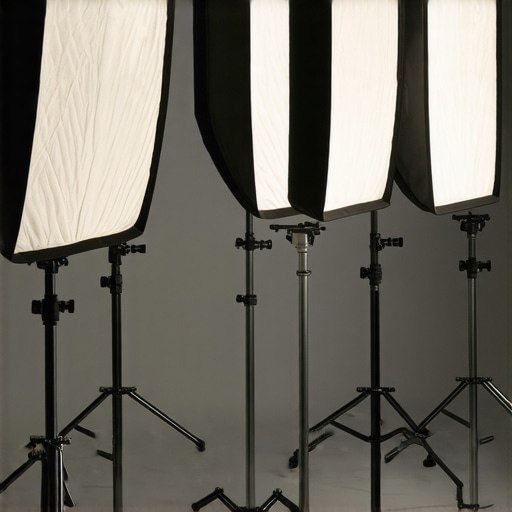
Start by placing your softbox at a 45-degree angle relative to your subject, slightly above eye level. This angle mimics the sun’s natural trajectory in the early morning, casting warm, directional light that highlights facial contours and adds depth.
Test and adjust the distance
Begin with the softbox about 3 to 4 feet from your subject, then gradually move it closer or farther to soften or sharpen shadows. I once set up my softbox too close, causing harsh shadows—after a quick adjustment, the scene gained a natural glow akin to sunrise, demonstrating the importance of distance.
Use Fill Light to Soften Shadows
Incorporate a second, softer fill light to reduce harsh shadows without eliminating contrast entirely. A smaller softbox or an LED panel with diffusion works well. Think of fill light as a gentle hug that preserves the scene’s depth while smoothing out the unflattering shadows.
Balance intensity and placement
Adjust the fill light’s brightness to about half of your key light’s intensity. Place it opposite your key light but keep it at a lower height to avoid flattening the scene. During a recent shoot, I used a dimmed LED panel opposite my softbox, which created soft, realistic shadow transitions—an essential step in mimicking morning light.
Incorporate Backlights and Practical Sources
Adding a subtle backlight or hair light enhances separation from the background and adds a natural-looking rim glow. LED tube lights positioned behind or above your subject can simulate the golden hour’s warm ambient glow. I once layered a RGB tube light behind a sheer curtain, creating an atmospheric back glow that faithfully resembled early sunlight.
Adjust color temperature for authenticity
Set your softbox or LED panel lights to a warm color temperature, around 2800K to 3500K, to emulate morning sunlight. Many LED options now allow precise tuning, so take advantage of this to match the scene’s mood. For instance, I often tweak my RGB tube lights’ hues to add subtle golden tints, elevating the realism and mood of my footage, detailed further in Fill Light Secrets.
Fine-Tune with Reflectors and Diffusers
Position reflectors opposite your key light to bounce warm light into shadows, mimicking the reflected glow of the morning sun. Diffusers soften harsh light, preventing overexposed highlights and maintaining a gentle, natural appearance. In a recent morning shoot, I used a metallic reflector to bounce warmth into shadow areas, creating a balanced, sunlit atmosphere.
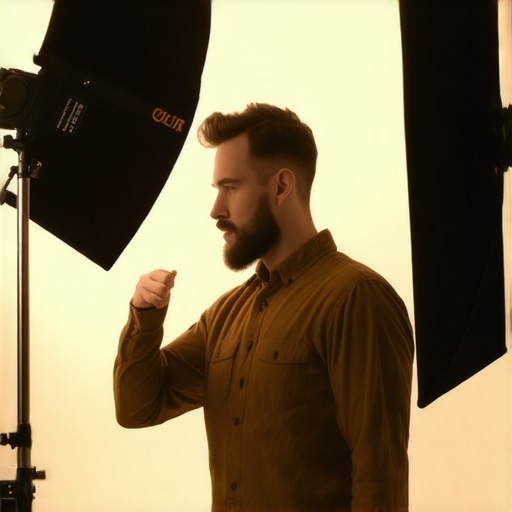
Optimizing your softbox angles and supplementing with fill and backlights ensures your scene captures that elusive, natural morning glow. With practice, these adjustments become intuitive, transforming flat lighting into cinematic warmth that resonates with viewers.
Many practitioners believe that mastering a softbox, LED panel, or RGB tube light is simply about knowing the correct position. However, even seasoned creators often fall prey to subtle pitfalls that drastically undermine their results. One common misconception is that increasing the power or intensity of fill lights automatically elicits softer shadows. In reality, over-reliance on raw power can lead to a flat, unnatural look, especially if the quality of diffusion isn’t considered. Optimal softness comes from the interplay of diffusion quality, angle, and distance, not just brightness. This is why understanding how to fine-tune your diffusers—like choosing the right material or layering diffusion layers—can make a significant difference, as detailed in our softbox lighting solutions guide.A less obvious mistake involves neglecting the angular relationship between your key light and fill light. Many creators set their key light at a flattering angle but then ignore how their fill light’s placement can introduce unwanted shadows or double shadows, confusing the viewer’s perception. This is especially prevalent when using RGB tube lights with adjustable hues and intensities, as inconsistent color balancing can subtly cue the viewer that the scene is artificial. Remember, the way shadows blend or segment is a nuanced dance of light angles and color temperature adjustments, as explored in our deeper look into fill light shadows.Another overlooked aspect is the misconception that more complex lighting setups always translate to better results. Some assume that stacking multiple RGB or LED panels creates a cinematic feel, but without proper control and understanding, these can generate conflicting color temperatures and uneven lighting. This often results in skin tones that appear gray or washed out—a common mistake when using mismatched LED panels, as detailed in our guide on avoiding gray skin tones. Advanced creators recognize that simplicity often yields superior results; mastering the art of balancing a few well-placed lights, considering their angles, diffusion, and color temperature, is key to true cinematic quality. Experimenting with these details can elevate your work from average to professional, even on a tight budget or limited space. When selecting your lighting, pay particular attention not just to the type of light, but to the way each component interacts with others and with your environment. For example, a softbox at the right angle combined with a carefully chosen diffusion layer can produce an inviting, natural sunlight effect. Similarly, controlling the color temperature of RGB tube lights to match surrounding elements ensures cohesive scenes that look authentic. These nuanced adjustments are critical and often underappreciated. For those wanting a detailed dive into effective setups, I recommend reading more on the key light techniques and refining your understanding of softbox diffusion layers. Ultimately, the difference between amateur and professional lighting isn’t just hardware—it’s mastery of the subtleties. Fine-tuning diffusion, angles, and color balance concentrates your scene’s mood, making it resonate deeply with viewers. Have you ever fallen into this trap? Let me know in the comments.
Investing in quality lighting equipment is just the first step; maintaining it properly ensures you get consistent, professional results shot after shot. Regular maintenance not only extends the lifespan of your gear but also preserves the accuracy of color, brightness, and overall performance. One essential routine is cleaning your LED panels and softboxes after each shoot, using a soft, lint-free cloth to remove dust and fingerprints that can affect light quality. For example, neglecting the cleanliness of diffusion layers in softboxes can lead to uneven light spread, diminishing the natural look you’re aiming for. Additionally, periodically inspecting wires, connectors, and power adapters helps prevent unexpected failures during critical shoots. If you notice any flickering in your LED panels, consulting guides like this article can help diagnose and fix common issues promptly.
How do I maintain my fill lights and RGB tubes over time?
Storing your lights properly is vital—keep them in a dry, dust-free environment, preferably in protective cases or covers when not in use. Regularly calibrate your lights, especially RGB models, to ensure consistent color output. Software updates from manufacturers can also improve performance and fix bugs; for instance, many RGB tube lights now offer firmware updates that enhance color fidelity and stability, as explained in this guide. Using external tools like color calibration cards helps verify that your lights produce accurate hues over time. Implementing a scheduled maintenance routine—every few months—will keep your equipment performing optimally. As technology advances, I predict that integrated smart diagnostics will become standard, providing real-time alerts when a component needs servicing. To stay ahead, consider investing in tools like a portable spectrometer or colorimeter, which can monitor your lights’ performance between sessions and catch issues early.
In the long run, proactive maintenance like this reduces costly replacements and keeps your studio reliable and consistent. Remember, your gear is an investment; caring for it diligently pays off when you want your lighting to faithfully reproduce your creative vision every time. One tip I recommend trying today is setting up a simple calendar reminder to check and calibrate your RGB lights monthly—small habits like this compound into professional-grade results over time.
Three Surprising Truths I Discovered About Light Angles
- Even when you think you’ve nailed the perfect angle, small tweaks can dramatically change the scene’s mood. I once spent hours adjusting my softbox height, only to realize a fraction of an inch made my lighting appear flat. Remember, patience and meticulous attention to detail turn good lighting into great lighting.
- Overcomplicating your setup with multiple lights doesn’t guarantee better results. I learned that a simple, well-placed softbox at the right angle often surpasses complex arrangements. Simplify, then refine, to truly enhance your scene’s natural feel.
- The position of your fill light holds as much influence as your key light. An overly strong fill can flatten your image, while a too-soft fill might not soften shadows enough. Practice balancing these light angles to achieve a natural depth that draws viewers in.
- Color temperature harmony between your RGB tube lights and softboxes is crucial. I once mismatched hues, resulting in scenes that felt artificial. Consistent warm tones across your lighting elements foster realism and mood. Use the detailed tips in Fill Light Secrets to perfect this balance.
Tools That Elevate My Lighting Game
- LiteGear RGBW LED Panel: Its precise color control and high CRI make it my go-to for natural-looking scenes. The ability to adjust warmth and hue on the fly saves me time and guarantees consistency.
- Godox Softbox Diffusers: These diffuser layers create soft, even light that mimics sunrise conditions. Their durable design and ease of use keep my setups quick and professional.
- Color Calibration Tools: Devices like the X-Rite ColorChecker help me verify my lights’ outputs, ensuring every scene has the accurate mood I envision. Calibration is the secret to making scenes look authentic across different sessions.
- Study Resources and Guides: For deep dives, I turn to comprehensive guides like the ultimate LED panel and RGB tube light guide. They help me stay updated with the latest techniques and tools, sharpening my skills continuously.
Your Turn to Light Up Creativity
Remember, mastering light angles and balancing your fill and backlights isn’t just about equipment—it’s about honing your eye for detail and patience. With consistent practice and the right tools, you can create cinematic scenes that resonate deeply with your audience. So, why not start experimenting today? Dive into your setup, adjust those angles, and see the magic unfold. What’s one lighting tweak you’re excited to try next? Share your plans in the comments below and let’s learn together!
,
![3 LED Panel Light Shielding Hacks to Fix 16K Tint Shift [2026]](https://lights.creatorrigreviews.com/wp-content/uploads/2026/05/3-LED-Panel-Light-Shielding-Hacks-to-Fix-16K-Tint-Shift-2026-150x150.jpeg)



3 responses to “3 Softbox Angles That Mimic Natural Morning Sun in 2026”
This is such an insightful post about softbox angles and mimicking natural morning light. I’ve struggled with getting my softboxes to produce that warm, inviting glow without making the scene look flat or overly artificial. What I’ve found effective is experimenting with the height and distance of the key light, along with careful diffusion layers. The tip about positioning your softbox at 45 degrees and slightly above eye level resonated with me; it really helps create that directional warmth. I’m curious, has anyone tried combining these angles with practical sources like sparking actual sunlight or using reflective surfaces for an even more authentic effect? Also, balancing your fill light has always been tricky for me; I tend to overdo it, which flattens the scene. Finding that sweet spot feels like mastering a delicate dance. I’d love to hear how others have fine-tuned their setups to maintain depth while keeping the scene naturally illuminated. Great content that I’ll definitely revisit in my next shoot!
This post really hits on a topic I’ve been experimenting with lately. I agree that softbox angles and proper diffusion are key to capturing that natural morning sunlight look, especially when shooting indoors. I’ve noticed that slightly moving the key light lower and closer at a 45-degree angle helps produce that gentle warmth and depth, similar to what the sunrise provides. Combining this setup with a warm backlight or a slight hint of golden hue from RGB tubes can significantly enhance the realism. My challenge has been balancing the fill light to soften shadows without flattening the scene—have you found a specific diffusion material that works best for you? Also, I’ve tried using reflective surfaces like gold reflectors to bounce warm light into shadow areas, which adds to the authenticity. Does anyone have tips on how to fine-tune the placement of practical sources for more dynamic results? I’m eager to hear more techniques!
This article really resonated with me because during my recent indoor shoots, I struggled to recreate that soft, natural morning glow without making my scene seem flat. Your tip of placing the softbox at a 45-degree angle and slightly above eye level has already improved my setup significantly. I’ve been experimenting with the distance and diffusion layers, but I wonder if others have specific recommendations on diffusion materials that produce the most realistic effects. Also, I like the idea of adding backlights and practical sources to enhance separation and warmth—has anyone found a particular RGB tube light or backlight setup that works best for replicating the golden hour? Balancing the fill light has been tricky for me; sometimes it overpowers the scene, and other times it’s too subtle. What are some strategies you’ve used to get this balance just right without losing depth? Overall, this post offers great insights, and I look forward to applying these techniques in my next project, especially the subtle tweaks that make a scene feel more alive.