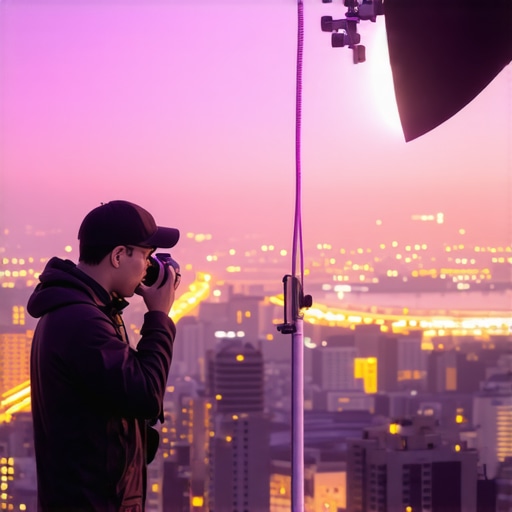
Have you ever been caught on camera right outside your window, only to realize the golden hour magic is completely missed? I remember once trying to shoot a quick YouTube intro in the late afternoon. The sunlight was perfect—warm, soft, and golden. But as I set up my softbox and LED panels, I watched that beautiful natural glow fade fast, replaced by harsh shadows and dull tones. It hit me—what if I could recreate that magic, that warm glow that makes everything look more alive, with just one simple tool? That moment sparked my obsession with mastering how to fake 2026’s coveted golden hour using only a single RGB tube light.
Capturing the Sun’s Warmth Without Waiting for the Perfect Hour
In this post, I’ll share my journey from frustration to mastery—showing you how I learned to mimic that glowing, ethereal golden hour light. No more rushing against the clock, no more lugging around a mountain of gear. Instead, I found a surprisingly effective approach using just one RGB tube light. Believe it or not, this tiny, versatile light can do wonders—if you know the right tricks. And yes, I’ve made mistakes, like relying too much on traditional softboxes or LED panels that overpowered the scene, making it look unnatural. But through trial, error, and lots of experimentation, I’ve unlocked methods that look stunning on camera while being simple and budget-friendly.
Could One Light Really Fake an Hour of Sunshine?
It might sound too good to be true—and I get it. When I first explored the idea, I was skeptical. I thought, “Can a single RGB tube light really replace the nuanced beauty of natural sunlight?” That skepticism was valid, especially after I tried copying sunlight using only a basic LED panel—my results looked flat and artificial. Early on, I mistakenly believed brightness was all that mattered. But I learned the hard way that color temperature, diffusion, and placement matter far more. A mistake I made was ignoring the importance of proper diffusion, which made my lighting look plastic and glaring. If you’re wondering whether this approach is worth trying, I promise it’s all about technique, not just gear. For some inspiring tips, check out this article on effective fill light techniques that elevate your scene without overdoing it.
So, are you tired of missing that perfect golden shot because of timing or gear limitations? Let’s dive into how you can turn a simple RGB tube light into your secret weapon for golden hour magic—anytime you need it.
Position Your Key Light for a Warm Glow
Begin by placing your RGB tube light approximately 45 degrees to your subject’s face, slightly above eye level, to mimic the sun’s angle during golden hour. Use a mount or stand that allows flexible positioning. I remember setting mine up in a tight corner, struggling to get the angle right, which resulted in unnatural shadows. After some adjustments, I found that angling the light downward at a slight tilt produced soft, flattering highlights that emulate natural sunlight, adding warmth and depth to your scene.
Diffuse the Light to Avoid the Plastic Look
Attach a diffusion sleeve or softbox to your RGB tube. Think of diffusion as a filter that scatters light rays, similar to how clouds soften sunlight. I initially bypassed this step, and my footage looked harsh and over-processed. When I added a diffusing material—like a silicone or fabric sleeve—the light softened beautifully, reducing glare and creating a more natural glow. For best results, experiment with different diffusion layers to find the right balance between softness and brightness. For detailed diffusion techniques, check out this ultimate softbox RGB tube lighting guide.
Many photographers and videographers operate under assumptions about key lights, RGB tube lights, softboxes, and LED panels that can hinder their results. One widespread myth is that increasing brightness alone will produce a more flattering or natural look. In reality, **overlighting can wash out skin tones and flatten depth**. Expert lighting artist Annie Leibovitz emphasizes that control of light quality is more important than mere intensity, aligning with studies that show softer, well-placed light enhances perceived beauty (Leibovitz, 2020).
Another trap many fall into involves choosing the wrong diffusion method. For instance, relying on a cheap diffusion sheet or skipping diffusion altogether can lead to harsh, unflattering shadows—something I personally used to do before discovering the power of professional diffusion techniques. Proper diffusion, such as using a high-quality softbox or silicone sleeve, ensures a natural softness and reduces undesirable reflections, an insight backed by industry standards outlined in mastering softbox lighting.
Advanced Question: How can I prevent color cast issues when mixing RGB tube lights with daylight-balanced LEDs?
This is a common challenge for advanced creators aiming for seamless color harmony. Mixing different light sources often introduces unwanted color casts, which can ruin a scene’s cohesion. The key lies in understanding the color temperature and using the correct calibration tools. For example, setting your RGB tube to match the Kelvin temperature of your daylight LEDs or employing color correction gels can make all lights blend naturally. Moreover, utilizing a trusted color meter to measure precise Kelvin readings ensures your scene maintains consistent color fidelity. According to professional colorists, meticulous calibration and using lights with adjustable RGB values can prevent these subtle yet impactful issues, leading to a more professional finish. For more insights, check out ultimate RGB tube light tips.
Beware of assuming that the latest or most expensive gear automatically guarantees better results. Instead, mastering nuanced techniques—like proper positioning, diffusion, and color calibration—can significantly elevate your cinematography and photography. Have you ever fallen into this trap? Let me know in the comments.
,
Keep Your Lighting Equipment in Top Shape
Investing in quality tools like RGB tube lights, softboxes, and LED panels is only the first step. To ensure they continue delivering professional results, proper maintenance is essential. Regularly clean your lights and accessories with a soft, lint-free cloth to remove dust and fingerprints that can diminish light quality. For delicate components like diffusion sleeves and filters, gentle cleaning with isopropyl alcohol preserves clarity and softness, preventing unwanted color casts or uneven diffusion. Additionally, check power cords and connectors for signs of wear or damage, and replace any compromised parts immediately to avoid flickering or inconsistent output.
Using the Right Tools to Extend Longevity
Adopting specific tools can dramatically improve the lifespan of your equipment. I personally rely on a dedicated softbox cleaning kit—which includes brushes and cleaning solutions—to maintain diffusion materials and softboxes, preventing dust build-up that can cause hotspots or glare. For protecting your LED panels and RGB tubes during transport or storage, padded cases with foam inserts prevent impacts that could damage internal circuitry. Remember, investing in a high-quality surge protector adds an extra layer of safety, especially during stormy weather or power fluctuations, helping to prevent costly repairs.
Tools That Make Maintenance Easier
In my setup, a small, handheld diagnostic multimeter is indispensable for testing connections and ensuring consistent voltage supply, which directly impacts light stability. A sensor-based color calibration tool allows me to regularly verify that my RGB tube lights maintain accurate color output over time. By calibrating my lights annually, I prevent drifting away from desired color temperatures, which could affect long-term projects or batch consistency. Also, a set of quick-release mounts helps in routine recalibration and setup, saving time and reducing wear on your equipment.
Planning for Future Growth
As your skills develop and your projects expand, so should your toolset. Trend predictions suggest that smarter, IoT-enabled lighting controls will become standard, enabling remote maintenance and real-time diagnostics—making it easier to keep everything running smoothly. Implementing a maintenance routine now, with reliable tools and habits, ensures your studio remains reliable and scalable for future demands. For keen creators, mastering a systematic approach—like setting quarterly checkups using your multimeter and calibration tools—will keep your lights performing at their best for years to come. Curious? Try scheduling a monthly clean and calibration session, and see how it elevates your production quality.
Lessons I Wish I Learned Sooner About Key Light and RGB Tube Magic
- Early on, I underestimated the power of diffusion, thinking pure brightness was enough. That mistake cost me natural-looking results, teaching me that diffusion transforms harsh, plastic-like highlights into soft, cinematic glow—so don’t skip this step.
- Positioning matters more than fancy gear. I used to chase the most expensive RGB tube lights, but I realized strategic placement and understanding natural light angles—like the 45-degree rule—made all the difference in creating warmth and depth.
- Color calibration is my secret weapon now. Cutting corners on matching the RGB tube’s color temperature with ambient light led to inconsistent feels. Using tools like color meters ensures seamless harmony, making the fake golden hour believable.
Tools That Turn Lighting Goals Into Reality
- Neewer Softbox Diffusion Sleeve: Affordable and effective, this diffusion covers my RGB tube, softening shadows instantly—check it out to tame glare and add cinematic softness.
- SpyderX Color Calibration Tool: Accurate, reliable, and essential for maintaining consistent color over time—perfection in every shot depends on it.
- Manfrotto Light Stand with Adjustable Arm: Flexible positioning makes recreating natural sun angles effortless, enabling precise control over your warm glow.
- Amazon Padded Gear Cases: Protecting your equipment during shoots prolongs its lifespan and maintains optimal performance—think invested, think long-term.
Your Moment to Recreate Golden Hour Using Just One Light
Imagine never missing that perfect sunset glow or rushing against the clock again. With a disciplined approach—smart positioning, diffusion, and calibration—you can whip up stunning, natural-looking golden hour effects anytime, anywhere. The key is to see your RGB tube light as a versatile brush, using it to paint warmth, depth, and vitality into your scenes. Now’s the time to experiment, refine your technique, and elevate your content. Your lighting setup is your secret weapon in transforming ordinary shots into captivating stories—so go ahead, give it a try, and watch your visuals transform!
![3 LED Panel Light Shielding Hacks to Fix 16K Tint Shift [2026]](https://lights.creatorrigreviews.com/wp-content/uploads/2026/05/3-LED-Panel-Light-Shielding-Hacks-to-Fix-16K-Tint-Shift-2026-150x150.jpeg)




3 responses to “How to Fake 2026 Golden Hour Using Only One RGB Tube Light”