My Journey into Softbox & Key Light Mastery
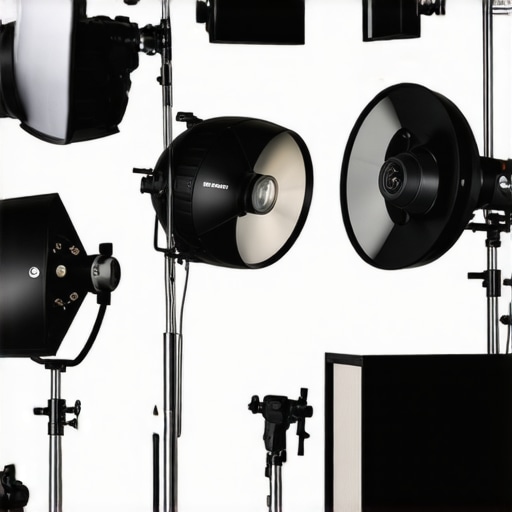
Ever since I started creating videos and photos, I realized that lighting is the secret ingredient to truly elevating my work. I remember the first time I set up a softbox in my small studio—how it transformed the scene from flat and dull to vibrant and professional-looking. In 2024, understanding effective softbox and key light setups has become even more crucial for creators like us aiming for that perfect shot.
Why Softboxes Are My Go-To for Soft, Even Lighting
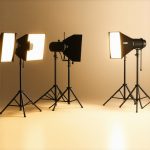
Softboxes have a magical way of diffusing light, creating a gentle glow that flatters skin tones and reduces harsh shadows. I’ve experimented with various sizes and shapes, but my personal favorite remains the rectangular softbox, especially for portrait work. They’re versatile, portable, and provide a natural light spread that mimics window lighting, which I find incredibly useful for both videos and photos.
The Art of Positioning Your Key Light
Getting the positioning right is essential. I usually place my main softbox at a 45-degree angle to my subject, slightly above eye level, to mimic natural sunlight. This setup helps achieve a balanced, professional look. For tighter shots, I sometimes move the softbox closer or use a smaller modifier to control the light spill. I’ve also read that using a grid can help focus the light precisely where I want it, which is especially handy in complex scenes. For more advanced tips, I recommend checking out this resource.
How Do I Balance My Softbox with Fill Lights?
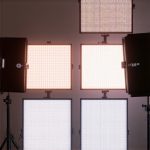
Balancing your softbox key light with fill lights is a game-changer. I often add a smaller LED panel or a reflector opposite my main light to reduce shadows and add dimension. I’ve found that using a fill light at a lower intensity prevents my subject from looking flat while maintaining the soft, natural quality I love. When I want a more dramatic look, I dial down the fill, emphasizing contrast and depth.
Should I Consider RGB Tube Lights for Creative Effects?
What magic can RGB tube lights bring to my lighting setup?
Absolutely! RGB tube lights are incredibly versatile, allowing me to add colorful accents or creative backgrounds effortlessly. I love experimenting with different hues to match the mood of my shoot, especially during evening scenes or conceptual projects. For creative effects, I often explore effects like color gradients or flickering patterns, which you can learn about in detail here. Integrating RGB tubes with softboxes creates a dynamic, professional look that stands out.
If you’re curious about combining different lighting techniques, I highly recommend trying a mix of softboxes and RGB tubes—it’s a game-changer for creative storytelling.
Share Your Lighting Experiences!
Lighting is a deeply personal craft, and I’d love to hear about your favorite setups. Do you prefer softboxes, LED panels, or RGB tubes? Share your experiences and tips in the comments below or visit our contact page for more guidance. Remember, the key to great lighting is experimentation and patience—so don’t be afraid to try new configurations and see what works best for your unique style.
For further insights, exploring this resource can provide more advanced tips on integrating LED panels with RGB lighting for a truly cinematic look.
Enhancing Your Creative Toolkit: The Role of RGB Tube Lights in Modern Video Production
As a seasoned creator, I constantly seek innovative lighting solutions that push the boundaries of visual storytelling. RGB tube lights have emerged as a game-changer in 2024, offering unparalleled flexibility and vibrant color control that can transform any scene. Unlike traditional lighting, RGB tubes allow for seamless color transitions, dynamic effects, and precise control, making them indispensable for creative professionals aiming to craft cinematic visuals with a personal touch.
Why Are RGB Tube Lights a Must-Have for Creators?
RGB tube lights provide a spectrum of colors that can be tailored to match the mood, theme, or concept of your shoot. Their longevity and efficiency make them ideal for prolonged filming sessions, while their lightweight design ensures portability. Whether you’re shooting a dramatic scene, a music video, or a conceptual project, these lights offer the versatility to adapt to any environment. Additionally, their compatibility with popular control apps means you can synchronize multiple lights for complex lighting setups, creating immersive atmospheres that captivate viewers.
Creative Strategies for Integrating RGB Tube Lights into Your Setup
One effective approach is to use RGB tubes as background accents, adding depth and vibrancy to your scenes. For instance, you can set up color gradients that change dynamically during a shoot, enhancing the visual storytelling. Another technique is to use RGB tubes as side or rim lights to create striking silhouettes or to emphasize contours. Combining RGB tubes with softboxes or key lights can yield layered lighting effects that add richness and dimension to your footage. For more detailed guidance on setup, check out this comprehensive resource.
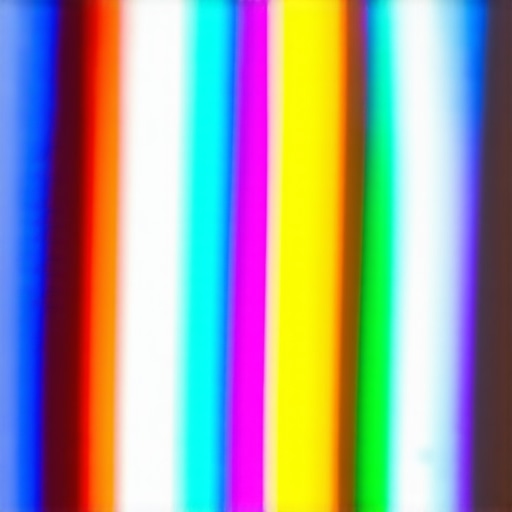
Incorporating RGB tube lights into your scene can dramatically elevate your visuals, offering endless creative possibilities from subtle color shifts to bold, expressive effects.
What Creative Possibilities Do RGB Tube Lights Unlock for Your Projects?
From simulating neon signs to creating surreal landscapes, RGB tubes unlock creative avenues that traditional lighting cannot easily replicate. They empower creators to experiment with color choreography, reactive lighting effects, and mood shifts that align perfectly with the narrative. For example, during evening shoots, vibrant hues can mimic city lights or atmospheric phenomena, enriching the storytelling. Moreover, integrating RGB tubes with other lighting gear—like softboxes or LED panels—expands the palette, enabling nuanced control over the entire scene. To explore innovative lighting techniques further, consider reading this guide.
How Can I Master the Art of Dynamic RGB Lighting for Different Genres?
Mastering dynamic RGB lighting involves understanding the specific needs of your genre and applying the right tools and techniques. For dramatic narratives, subtle color shifts can evoke mood changes; for music videos, pulsating effects sync with beats; and for conceptual art, bold color contrasts can create eye-catching visuals. Experimenting with control apps and pre-programmed effects allows for precise timing and synchronization. Remember, the key is to balance creativity with technical control to ensure your lighting enhances the story without overpowering it. For detailed tutorial insights, visit this resource.
If you’re inspired to experiment further, I encourage you to share your experiences or ask questions in the comments, or explore more advanced techniques at our contact page. The journey to mastering RGB lighting is ongoing, but the creative rewards are well worth it.
Mastering the Art of Dynamic RGB Lighting: Beyond Basics
As I delved deeper into the world of RGB tube lights, I realized that their true power lies in the subtle nuances of color storytelling. It’s one thing to set a vibrant hue, but quite another to craft a seamless transition that mirrors the emotional arc of a scene. This understanding came after experimenting with pre-programmed effects and custom sequences, allowing me to synchronize lighting changes with music beats or narrative shifts. For instance, during a recent conceptual project, I used a series of slow color transitions to evoke a dreamlike atmosphere, which resonated deeply with viewers. According to industry expert this comprehensive guide, mastering these effects involves not only technical control but also an intuitive sense of timing and mood.
How Do I Balance Artistic Vision with Technical Precision?
Finding the sweet spot between creative expression and technical mastery has been a personal journey. I’ve learned that planning your lighting sequences in advance, perhaps using software or app controls, helps to realize complex effects without last-minute scrambling. For example, during a recent music video shoot, I pre-programmed pulsating color effects that synchronized perfectly with the track’s rhythm, creating a dynamic visual experience. This approach requires a deep understanding of your equipment’s capabilities and limitations, as well as a willingness to experiment and refine. The challenge is to ensure that the lighting amplifies the story rather than distracts. This balance is a continuous learning process, one that evolves as you gain more confidence and insight. If you’re interested in exploring such techniques, I recommend reviewing this detailed resource on advanced RGB effects.
What Are the Hidden Nuances of Integrating RGB Tubes with Other Lighting Gear?
One aspect I find particularly fascinating is how RGB tubes can complement other lighting setups, such as softboxes or LED panels, to create layered, multidimensional scenes. I’ve often used RGB tubes as accents or rim lights to highlight contours, adding depth and vibrancy that wouldn’t be possible with traditional lighting alone. For example, in a recent interview shoot, I set RGB tubes behind the subject to produce a subtle backlight, which contrasted beautifully with the soft, frontal key light. This layering technique not only enhances visual interest but also allows for greater creative freedom. The key is understanding how different lights interact and how to control their color and intensity harmoniously. For more advanced setup ideas, I suggest exploring this expert guide.
How Can I Innovate Further with RGB Tube Lights in My Projects?
Innovation often comes from pushing boundaries and blending techniques. I’ve started to experiment with reactive lighting effects, where RGB tubes respond to sound or movement, creating an immersive experience. For instance, during a recent live performance recording, I used a mobile app to make the RGB tubes pulse and shift colors in real time, syncing with the performer’s energy. This dynamic approach not only elevates the visual impact but also engages viewers on a deeper level. The potential for creative experimentation is vast—consider combining RGB tubes with other effects like fog or strobe lighting. As always, continuous learning is crucial; I recommend reading this article for inspiring ideas to expand your creative toolkit.
Share Your Creative Experiments and Insights!
Lighting is a deeply personal craft, and I love hearing how others push their creative boundaries. Have you tried integrating RGB tubes into your projects? What effects or techniques have you found most effective? Share your stories and tips in the comments or connect with me through our contact page. Remember, mastering RGB lighting is an ongoing journey—each experiment brings new insights and opportunities for storytelling. Keep exploring, keep creating, and let your imagination guide your innovations.
Refining Your Creative Vision with Layered Lighting Dynamics
As I continue to explore the depths of professional lighting, I’ve discovered that the true artistry lies in the nuanced layering of light sources. Combining softboxes with RGB tube lights allows for a rich tapestry of illumination, enabling me to craft scenes that are both visually compelling and emotionally resonant. For instance, I often use a softbox as the primary source to shape the subject’s face, while integrating RGB tubes behind or beside the subject to add depth, color accents, or atmospheric effects. This layered approach not only enhances dimensionality but also opens avenues for storytelling that are impossible with single-source lighting.
Harnessing the Power of Dynamic Color Transitions for Emotional Impact
One of the most exciting developments in 2024 is the ability to choreograph seamless color transitions that mirror narrative arcs. Using advanced control apps, I pre-program sequences where RGB tubes shift hues gradually or pulse rhythmically, synchronized with music or scene mood. This technique requires a keen sense of timing and an understanding of color psychology—subtle shifts can evoke feelings of calm, tension, or excitement. Industry insights, such as those from this comprehensive guide, emphasize that mastering these transitions elevates your visual storytelling to a cinematic level.
Integrating External Factors to Maximize Creative Control
Beyond the technical setup, I’ve learned that external factors—like ambient lighting, reflectors, and even atmospheric elements such as fog—can dramatically influence the effectiveness of RGB tube and softbox combinations. For example, adding a light fog can diffuse and soften the glow from RGB tubes, creating a surreal, dreamlike atmosphere that amplifies the scene’s emotional depth. Similarly, reflective surfaces can bounce RGB colors into unexpected areas, enriching the visual palette. Achieving harmony among these elements demands meticulous planning and experimentation, but the results are often breathtaking. For more on how to combine these factors seamlessly, I recommend exploring this detailed resource.
Experimenting with Reactive and Interactive Lighting Effects
Taking inspiration from industry trends, I’ve begun incorporating reactive lighting effects—where RGB tubes respond to sound, movement, or viewer interaction—to craft immersive experiences. During a recent live-streamed event, I used a mobile app to synchronize RGB color shifts with music beats, creating a pulsating, energetic ambiance. This approach transforms static scenes into dynamic visual narratives, engaging viewers on a visceral level. The key is to understand how to program these effects precisely, blending technical control with artistic intuition. For those eager to explore this frontier, I suggest reviewing this resource for advanced techniques and inspiration.
Join the Conversation: Share Your Experiments and Insights
Lighting is an ever-evolving craft, and I believe the best way to grow is through shared experiences. Have you experimented with layering softboxes and RGB tubes to craft unique atmospheres? What effects have you found most effective in your projects? I invite you to share your stories, insights, and questions in the comments below or reach out via our contact page. Remember, mastering these techniques is a continuous journey—each experiment brings new opportunities for storytelling and artistic expression. Embrace the challenge and let your creativity flourish.
Things I Wish I Knew Earlier (or You Might Find Surprising)
The Power of Small Adjustments
One thing I’ve learned over time is that tiny tweaks in softbox positioning can dramatically change the mood and quality of your shot. I used to think that bigger was always better, but sometimes moving the softbox just a few inches or adjusting the angle made all the difference. It’s a reminder that patience and a keen eye for detail are essential in lighting.
Color Temperature Matters More Than You Think
Initially, I ignored the importance of matching my softbox’s color temperature to ambient light. Yet, I found that inconsistency often made my footage look less polished. Investing in adjustable softboxes or gels helped me create more harmonious scenes, especially during mixed lighting conditions.
Fill Lights Are Not Just for Filling
My misconception was that fill lights only reduce shadows. But I discovered they can also be used creatively to add subtle color accents or to shape the scene’s overall tone. Using a small LED panel as a fill can unlock new visual storytelling possibilities.
RGB Tube Lights as Artistic Brushes
RGB tubes are more than just colorful accents—they’re like brushes for painting mood and atmosphere. I’ve experimented with reactive RGB effects that respond to music, turning simple scenes into immersive visual experiences. It’s astonishing how much personality you can inject with these versatile lights.
Layered Lighting Is the Secret Weapon
Combining softboxes with RGB tubes creates depth and complexity that single-source lighting can’t achieve. This layered approach allows me to craft scenes that feel more alive and emotionally engaging, which is especially important in storytelling.
Don’t Overlook the Power of External Factors
Ambient elements like fog, reflectors, or even the time of day can significantly influence your lighting results. I’ve found that a little atmospheric fog can diffuse RGB colors beautifully, adding a surreal touch that elevates the entire scene.
Resources I’ve Come to Trust Over Time
- Lights CreatorRigReviews: A treasure trove of practical tips and in-depth guides, especially their comprehensive articles on softbox and RGB lighting techniques. It’s where I go to deepen my understanding and refine my setups.
- Industry Professionals’ YouTube Channels: Creators like Peter McKinnon and Daniel Schiffer share behind-the-scenes insights that are invaluable for learning real-world applications of lighting gear and setups.
- Lighting Design Books: Classics such as “Lighting for Digital Video and Television” by John Jackman offer foundational knowledge that still influences my approach today.
Parting Thoughts from My Perspective
Reflecting on my journey with softbox and key light mastery, I realize that the most valuable lesson is patience combined with curiosity. Effective lighting isn’t just about equipment—it’s about understanding how different elements interact to craft the mood and story you want to tell. As you experiment with your setup, remember that small adjustments can lead to big improvements, and trusting reputable resources can accelerate your progress. If this resonates with you, I’d love to hear your thoughts or see your own lighting experiments—feel free to share or reach out through our contact page. Keep exploring, keep creating, and let your passion shine through your lighting skills.”}
![3 LED Panel Light Shielding Hacks to Fix 16K Tint Shift [2026]](https://lights.creatorrigreviews.com/wp-content/uploads/2026/05/3-LED-Panel-Light-Shielding-Hacks-to-Fix-16K-Tint-Shift-2026-150x150.jpeg)
7 responses to “Effective Softbox & Key Light Setups for Creators in 2024”
I really enjoyed reading about your journey into mastering softbox and key light setups. As someone who’s been experimenting with different lighting configurations, I can attest to how much positioning and small adjustments can impact the overall mood and quality of the shot. I’ve found that using grids on softboxes really helps focus the light and eliminate spill, especially when working in tighter spaces. Your mention of using RGB tube lights for creative effects resonates with me—I recently started incorporating them into my interviews to add some color accents and depth.
I wonder, how do you approach balancing the color temperatures of different lights, especially when mixing softboxes, RGB tubes, and ambient lighting? Do you have any tips for maintaining harmony while experimenting with bold color shifts? I’d love to hear more about your experience with syncing RGB effects to music or narrative cues, as I’m looking to push my creative boundaries further. Thanks for sharing such insightful tips—this definitely sparks new ideas for my setup!
Reading through your detailed journey into softbox and RGB lighting, I can genuinely relate to the importance of experimentation and patience in achieving that cinematic quality. When I first started, I underestimated how much small adjustments, like changing the angle or distance of my softbox, could dramatically alter the scene’s mood. Incorporating RGB tube lights added a new layer of complexity but also opened exciting creative possibilities, especially for dynamic color storytelling.
One challenge I’ve faced is maintaining color harmony when blending different light sources, especially under varied ambient conditions. I found that regularly calibrating my lights and using controlled white balance settings helps keep the scene consistent. Also, controlling the intensity levels with dimmers works wonders for subtle visual effects.
What are your thoughts on integrating practical elements, like ambient lighting or atmospheric fog, to complement RGB effects? Have you experimented with combining these external factors for mood enhancement? I believe adding these layers can really elevate the storytelling — interested to hear your perspective!
Your insights on the importance of small adjustments in softbox placement really hit home for me. I’ve found that even a slight change in angle or distance can dramatically affect the mood and depth of a shot, much like you described. As I experiment with RGB tube lights, I’ve been curious about maintaining harmony across different lighting styles, especially when mixing bold color shifts with soft, natural light. Do you have specific techniques or tools that help you calibrate colors or balance color temperatures effectively? Also, I’m intrigued by your approach to syncing RGB effects with narrative cues—I’ve started exploring pre-programmed sequences, but I’d love to hear more about your process, particularly how you plan these effects ahead of filming. Your journey and tips are inspiring, and I’m eager to incorporate some of your strategies into my own setup to push my creative boundaries further.
Reading your detailed journey into lighting setups really struck a chord with me. As someone who is constantly experimenting with different configurations, I’ve learned that small tweaks—like adjusting the angle or distance of your softbox—can drastically change the scene’s mood and depth. I’ve also started incorporating RGB tube lights to add vibrant accents and create a more dynamic atmosphere, especially for conceptual shoots.
One challenge I often face is maintaining harmony between various light sources, particularly when mixing warm softbox lighting with cooler RGB effects. I’ve found that using consistent color calibration tools and controlling the white balance early in the setup helps me achieve a cohesive look. Do you have any preferred methods or tools for balancing color temperature and hues when combining these different lights? Also, I’m curious about your process for pre-programming RGB effects to match narrative cues—do you plan your sequences meticulously or adapt on the fly?
Your insights are inspiring and have given me new ideas to try, especially about layering light sources for more compelling storytelling. Would love to hear more about your approach to syncing RGB effects with music or scene changes. Thanks for sharing your experience—it’s motivating to see how thoughtful lighting can elevate visual storytelling.
Reading through your journey into softbox and RGB lighting really resonated with my own experiences. I’ve also found that small tweaks, like adjusting the angle or distance of a softbox, can make a huge difference in setting the mood. One thing I’ve been exploring is using practicals and atmospheric effects like fog to soften the overall look, which complements RGB lighting beautifully. Regarding balancing different color temperatures, I’ve had success using gels and adjustable softboxes, ensuring the hues stay consistent across scenes. I’m curious, have you tried syncing RGB effects to sound or story beats? It’s such a fun way to add dynamism—I’d love to hear how you incorporate it into your workflow. Thanks for sharing your insights, it’s inspiring to see how much creative potential there is in layered lighting setups.
This post really resonates with me, especially the emphasis on small adjustments and their big impact. I’ve been experimenting with different softbox positions and recently started using grids to better control light spill, which has helped me achieve a more focused look. The discussion about RGB tubes adds an exciting layer for creative storytelling. I’ve been playing around with pre-programmed color transitions that sync with music, and it’s fascinating how much mood you can evoke. One thing I’m curious about is your method for balancing multiple light sources, especially when mixing natural and artificial lights. Do you use specific tools or techniques for color calibration? Also, I’d love to hear more about how you plan your RGB effects in advance versus improvising during shoots. I think mastering these details can truly elevate our visuals, making scenes more immersive and emotionally compelling. Would be great to hear other creators’ tips on integrating external factors like atmospheric haze or practical lighting to enhance RGB effects.
I really appreciated your detailed insights into softbox and RGB lighting techniques. I’ve recently started experimenting with combining different light sources, especially in small studio setups, and I find that small adjustments—like tweaking the angle or distance—really do make a noticeable difference in the mood and depth of the scene. Your point about using RGB tubes as background accents resonates; I’ve been exploring similar ideas to add vibrancy and creative flair. I do have a question regarding color calibration: How do you ensure consistency when mixing RGB lighting with natural or other artificial lights? Do you rely on any specific tools or techniques for balancing the color temperature, especially during dynamic effects like color transitions synchronized with music? I’d love to hear your tips on planning and pre-programming RGB sequences, as I’m eager to push the boundaries of my visual storytelling. Thanks for sharing such an inspiring perspective—definitely gives me new ideas to incorporate into my workflow.